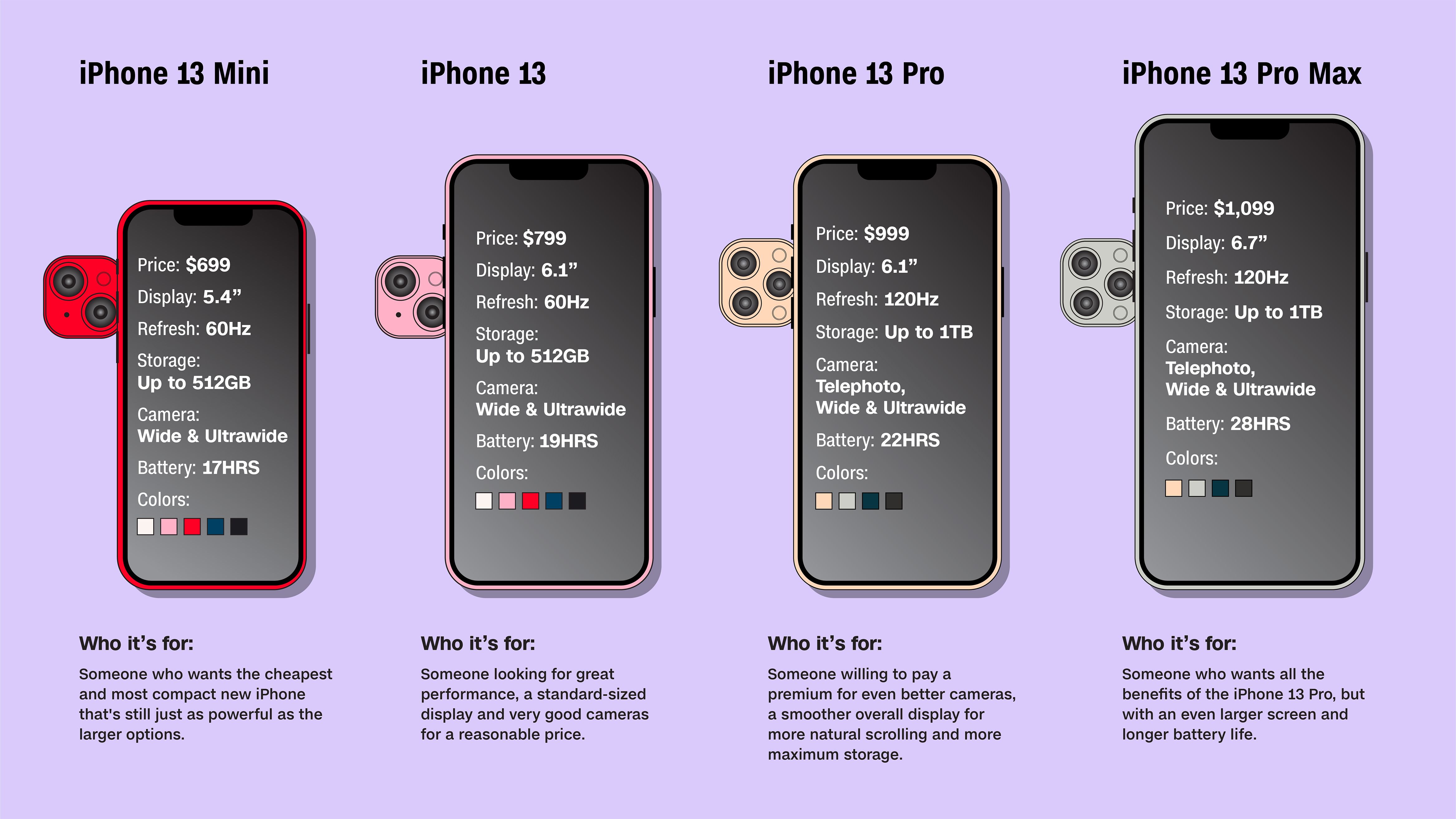
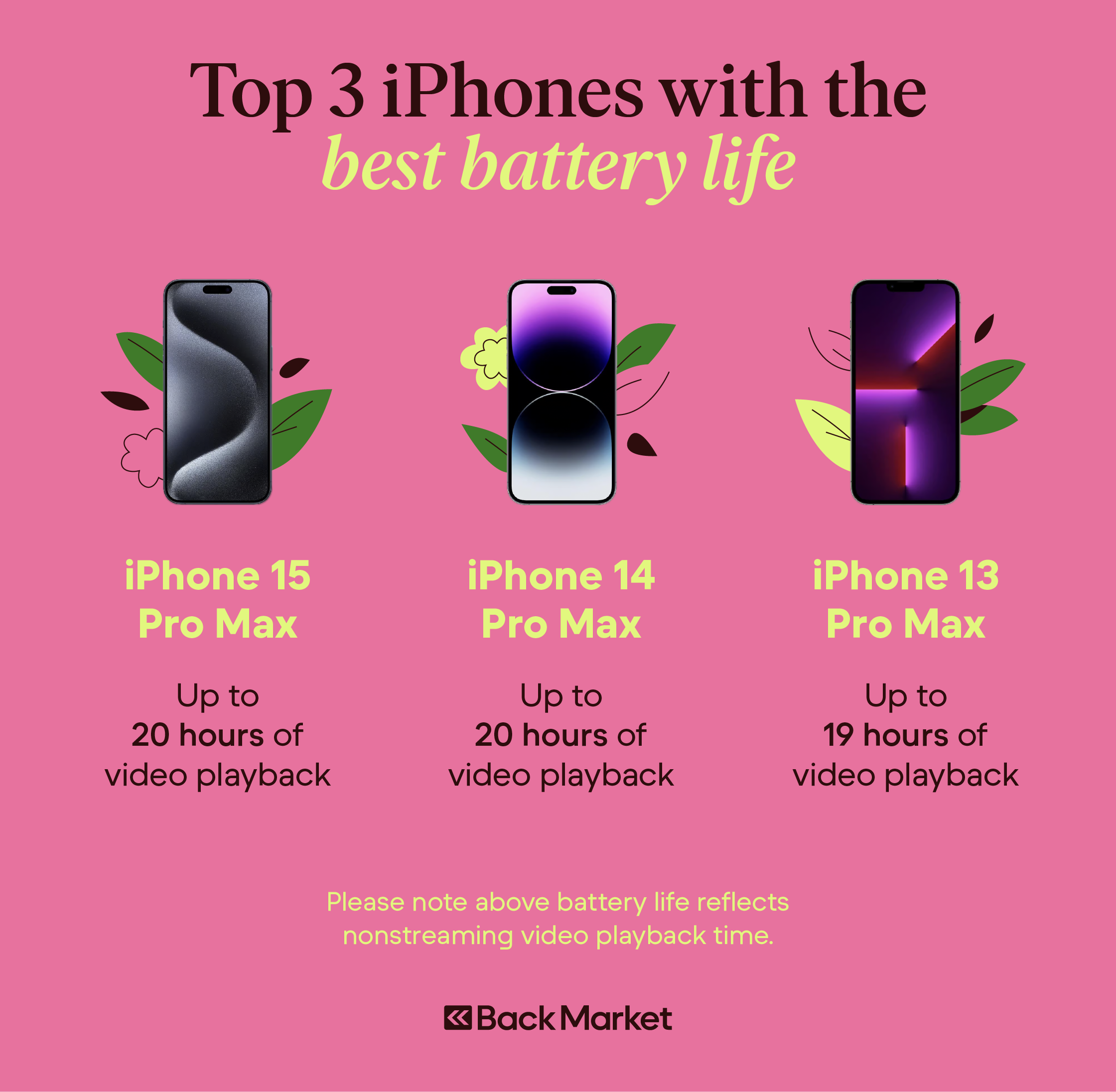
The iPhone 13 Pro features a physical battery capacity of 3,095 mAh, marking a significant 11% physical size increase over its predecessor, the iPhone 12 Pro. Combined with the energy-efficient A15 Bionic chip and ProMotion display technology, this capacity delivers up to 22 hours of video playback on a single charge.
Understanding the technical specifications of smartphone power systems requires looking beyond simple marketing terms and examining how physical dimensions, chemical composition, and supporting hardware interact. When Apple launched the iPhone 13 Pro series, power management emerged as one of the most substantial engineering leaps in the device's generation. For current owners, prospective buyers, and technicians, examining the precise battery metrics provides clarity on longevity, charging mechanics, and degradation patterns. This breakdown covers physical capacities, technological integrations, charging speeds, longevity expectations, and diagnostic methods.
The Physical Battery Capacity of the iPhone 13 Pro
The physical battery capacity of the iPhone 13 Pro is rated at 3,095 milliamp-hours (mAh), which translates to roughly 11.97 watt-hours (Wh) at a nominal voltage of 3.87 volts. To understand why this number matters, it helps to compare it directly to adjacent models in Apple’s smartphone lineup from the same generation.
When engineers redesigned the internal architecture of the iPhone 13 Pro, they reclaimed internal volume by shrinking components such as the TrueDepth camera system (reducing the notch width by 20%) and reorganizing the logic board layout. This spatial efficiency allowed Apple to fit a physically larger lithium-ion pouch cell inside the chassis compared to the iPhone 12 Pro, which housed a 2,815 mAh battery.
| iPhone Model | Battery Capacity (mAh) | Energy Rating (Wh) | Physical Change vs. Previous Gen |
|---|---|---|---|
| iPhone 13 Pro | 3,095 mAh | 11.97 Wh | +11% increase |
| iPhone 13 | 3,240 mAh | 12.41 Wh | +15% increase |
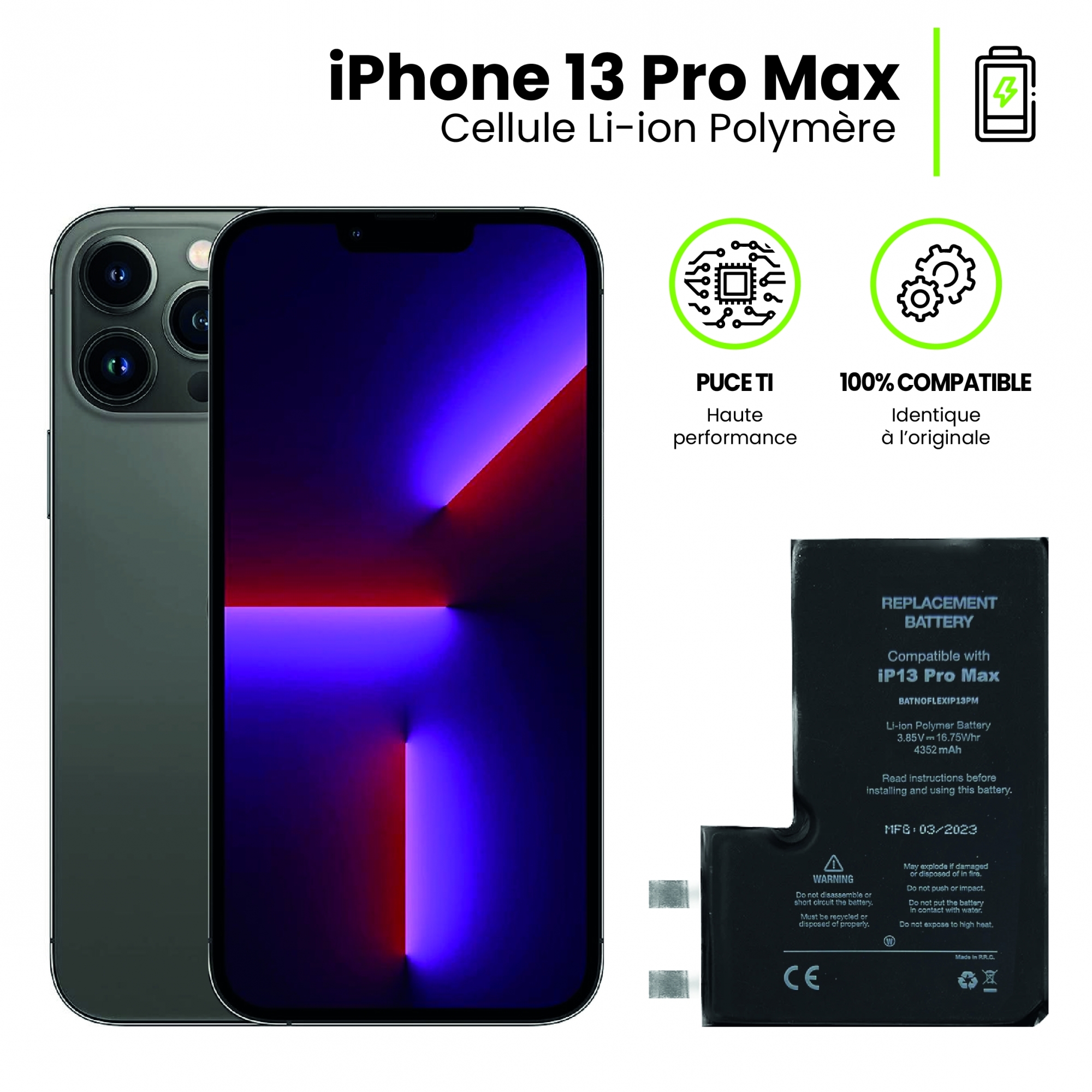
| iPhone 13 Pro Max | 4,352 mAh | 16.75 Wh | +18% increase |
| iPhone 12 Pro | 2,815 mAh | 10.78 Wh | Baseline reference |
Interestingly, the base iPhone 13 actually features a slightly higher capacity (3,240 mAh) than the iPhone 13 Pro (3,095 mAh). This occurs because the Pro model must accommodate space-intensive hardware additions within the same overall external footprint, specifically the triple-lens camera module with its wider sensor-shift stabilization hardware and the display controller necessary for 120Hz ProMotion functionality.
Hardware Synergies: Why Capacity Alone Does Not Tell the Full Story
Smartphone endurance relies just as much on power draw optimization as it does on raw fuel storage. A larger battery is only one component of the equation; how efficiently the internal hardware consumes that energy dictates real-world screen-on time.
The A15 Bionic Chip
The iPhone 13 Pro is powered by the A15 Bionic system-on-a-chip (SoC), built on an enhanced 5-nanometer process by TSMC. This chip features a 6-core CPU (2 performance cores and 4 efficiency cores) alongside a 5-core GPU. The efficiency cores handle background tasks and low-intensity operations with minimal electrical draw, ensuring that casual use drains very little power from the 3,095 mAh cell.
ProMotion Variable Refresh Rate Display
The introduction of the Super Retina XDR display with ProMotion is arguably the most impactful power-saving feature on the iPhone 13 Pro. The display utilizes an Oxide Thin-Film Transistor (Oxide TFT) backplane that allows the screen refresh rate to dynamically scale from a buttery-smooth 120Hz down to an ultra-low 10Hz when viewing static content or reading text. By dropping the refresh rate during low-motion scenarios, the display consumes a fraction of the power required by fixed-rate 60Hz or 120Hz panels, directly preserving battery percentage throughout the day.
Charging Protocols and Power Delivery Specifications
Replenishing the 3,095 mAh battery involves several charging standards, each with distinct speed characteristics and thermal considerations. Apple designs these systems to balance rapid charging capabilities with long-term chemical preservation.
- Wired Fast Charging: The device supports USB Power Delivery (USB-PD) fast charging. Using a compatible 20W or higher USB-C power adapter paired with a USB-C to Lightning cable, the iPhone 13 Pro can charge from 0% to approximately 50% in roughly 30 minutes.
- MagSafe Wireless Charging: Magnetic wireless charging is supported up to 15W when using an official MagSafe puck paired with a 20W or higher power adapter.
- Qi Wireless Charging: Standard Qi-certified inductive charging is supported up to 7W, though charging speeds are slower and generate less thermal energy than MagSafe or wired alternatives.
Fast charging protocols typically employ a two-stage process. The first stage aggressively pushes current into the battery to achieve a 50% charge rapidly. In the second stage, the charging speed throttles down significantly as the battery approaches 100% capacity to prevent overheating and degradation of the lithium-ion chemistry inside the cell.
Battery Longevity, Degradation, and Health Metrics
All lithium-ion batteries experience chemical aging over time, resulting in a gradual reduction in maximum capacity and internal resistance changes. Apple includes a built-in diagnostic tool accessible via Settings > Battery > Battery Health & Charging that displays the current Maximum Capacity relative to when the device was brand new.
Understanding Maximum Capacity
Apple designs iPhone batteries to retain up to 80% of their original capacity at 500 complete charge cycles under normal operating conditions. A complete charge cycle occurs when you use an amount that equals 100% of your battery's capacity—though this does not necessarily mean draining it from 100% to 0% in a single sitting. For example, using 50% of your charge one day, recharging it back to full, and then doing the same the following day counts as one complete cycle.
Factors That Accelerate Degradation
- Thermal Stress: Exposing the iPhone 13 Pro to ambient temperatures above 35°C (95°F), especially while simultaneously fast-charging or running high-end 3D games, accelerates chemical aging.
- Extreme State of Charge: Leaving a lithium-ion battery sitting indefinitely at 0% or maintaining a constant 100% charge in a hot environment places mechanical stress on the internal electrode structure.
- High-Wattage Non-Certified Accessories: Using uncertified chargers lacking proper power regulation chips can deliver inconsistent voltage ripples, damaging the internal Power Management Integrated Circuit (PMIC).
Practical Guidance: Maximizing Daily Battery Life
To extract optimal daily endurance and preserve the lifespan of the 3,095 mAh cell, users can implement several software and handling adjustments:
- Enable Optimized Battery Charging: Located in the battery health menu, this feature learns your daily charging routine so the iPhone waits to finish charging past 80% until you need to use it, reducing the time the battery spends at a full state of charge.
- Manage Background App Refresh: Restricting background data fetching for non-essential apps via Settings > General > Background App Refresh prevents hidden processes from waking the CPU and consuming power.
- Utilize Low Power Mode: When active, Low Power Mode temporarily reduces mail fetch, visual effects, automatic downloads, and background operations, extending remaining power during critical situations.
- Regulate Screen Brightness and Location Services: Display backlighting and GPS polling are among the largest hardware draws. Lowering manual brightness or enabling Auto-Brightness alongside strict location permissions yields noticeable battery savings.
Frequently Asked Questions
Can I upgrade my iPhone 13 Pro battery to a higher capacity third-party battery?
No safe, reliable upgrade exists. While aftermarket manufacturers sometimes advertise "extended capacity" replacement batteries that claim to squeeze higher mAh ratings into the same physical dimensions, these claims are often achieved by overvolting the cell or bypassing internal safety circuits. This introduces severe fire and thermal runaway risks. Always use original Apple parts or certified technician replacements rated at the standard 3,095 mAh.
How do I know when my iPhone 13 Pro battery needs replacement?
You should consider replacing the battery when the Maximum Capacity indicator in iOS drops below 80%, or if the device experiences unexpected shutdowns during peak performance tasks. Additionally, if the settings menu displays a service message indicating that battery health has significantly degraded, peak performance capability may be dynamically throttled to prevent unexpected reboots.
Does updating iOS ruin battery life?
Major software updates often trigger background indexing, re-indexing of photos, and database optimizations during the first 24 to 48 hours following installation. This temporary spike in background processing can cause increased power consumption, but normal battery performance typically stabilizes once background tasks complete.
Is it safe to leave my iPhone 13 Pro plugged in overnight?
Yes. Modern iPhones feature intelligent charging firmware that communicates with the connected power adapter. Once the battery reaches 100%, the power management system cuts off direct current input and shifts to running system power directly from the wall adapter while trickle-charging the cell to maintain fullness, preventing overcharging.
What is the exact replacement part cost for an iPhone 13 Pro battery?
Out-of-warranty battery replacement pricing varies by region and service provider. Authorized service centers typically charge a standardized fee for labor and genuine parts. Independent repair shops may offer lower rates, but ensuring the use of a genuine Apple component is vital for maintaining proper hardware handshake diagnostics and iOS battery health reporting.
Conclusion
The iPhone 13 Pro battery size of 3,095 mAh represents a carefully calculated balance between physical space constraints, thermal performance, and daily endurance. By pairing this expanded cell with the power-efficient A15 Bionic architecture and variable 120Hz ProMotion display, Apple successfully addressed the primary limitation of the previous generation. Maintaining this battery involves avoiding extreme thermal environments, utilizing built-in charge-management software, and replacing the cell with genuine components once chemical degradation crosses the 80% threshold.