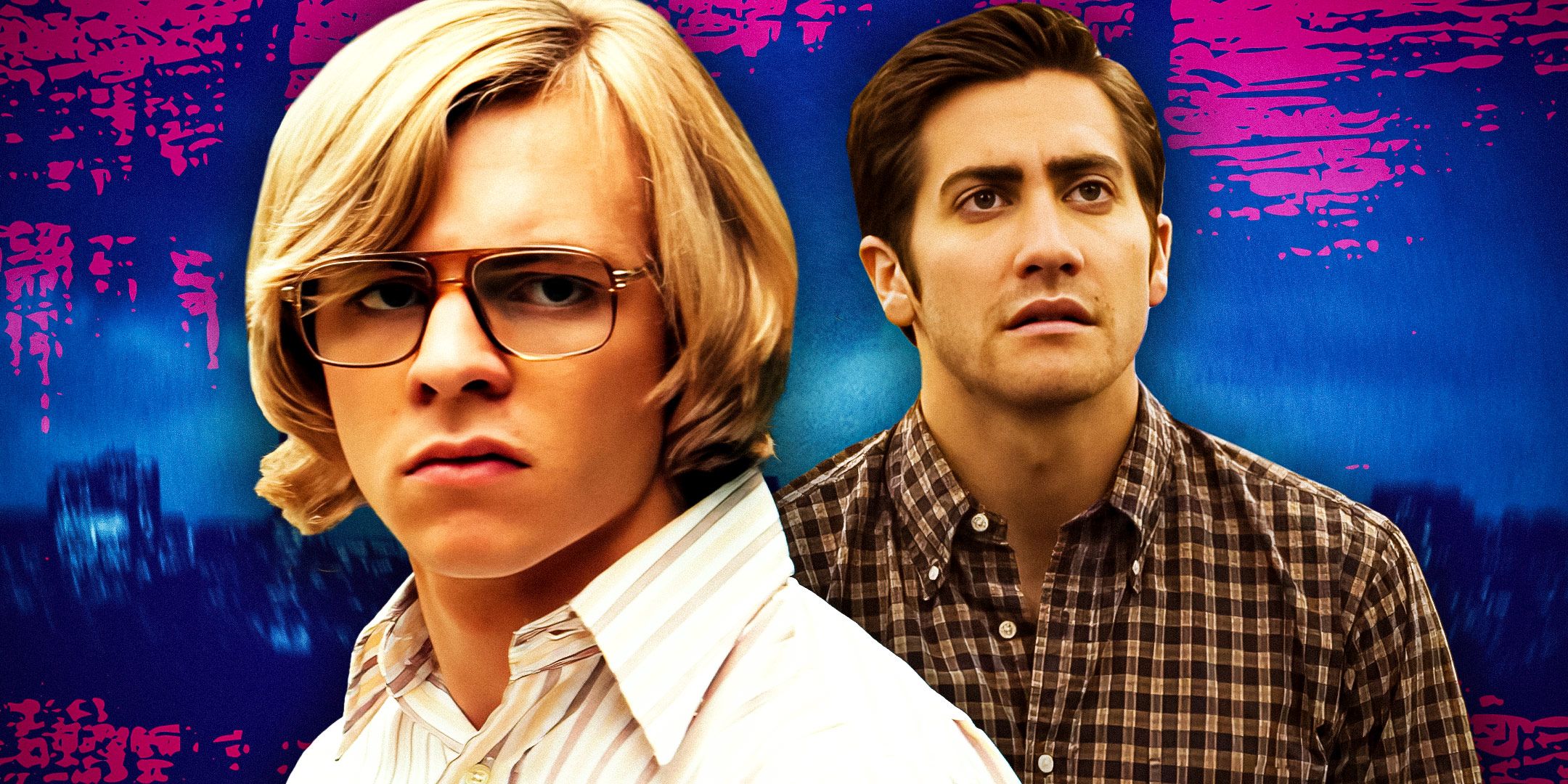
Netflix hosts a diverse library of horror films inspired by real-life events, historical archives, and purported paranormal investigations. While streaming availability changes due to licensing agreements and regional variations, subscribers consistently find titles that draw inspiration from historical crimes, urban legends, and documented psychological phenomena.
Understanding the "Based on a True Story" Tag in Horror
When exploring horror films on streaming platforms, viewers frequently encounter the phrase "based on a true story." In the context of the horror genre, this designation rarely means that every depicted event occurred precisely as shown on screen. Instead, filmmakers and marketing teams use a spectrum of adaptations ranging from strict historical docudramas to fictional narratives loosely inspired by real individuals or folklore.
Understanding this distinction helps set appropriate expectations before streaming a movie. Horror filmmakers often take creative liberties to enhance tension, pacing, and visual shock value. A real-world murder case, an unverified haunting report, or a piece of local folklore serves as the foundational spark, while screenwriters construct dialogue, secondary characters, and cinematic climaxes. Recognizing these adaptations allows viewers to appreciate the historical or psychological roots of a film without assuming every supernatural element or gruesome detail is documented fact.
Categories of True Story Horror on Netflix
To navigate Netflix’s catalog efficiently, it helps to categorize these films by the nature of their real-world inspiration. Different subgenres draw from distinct sources, each offering a unique relationship with reality.
1. True Crime and Serial Killer Adaptations
These films draw from documented criminal investigations, court transcripts, and biographical records of notorious murderers. While names and timelines may be compressed for dramatic effect, the core narrative revolves around real legal cases and documented human atrocities.
- Characteristics: Focuses on psychological realism, investigative procedures, and the dark realities of human behavior rather than supernatural entities.
- Viewer Value: Appeals to audiences who prefer grounded, crime-adjacent horror where the primary monster is human.
2. Paranormal and Haunting Claims
Many popular horror franchises claim inspiration from the case files of real-world paranormal investigators, demonologists, or families who reported inexplicable disturbances in their homes.
- Characteristics: Centers on subjective accounts, historical properties, and alleged spirit activity.
- Viewer Value: Relies on the folklore and psychological impact of urban legends, though the supernatural claims themselves remain scientifically unverified.
3. Folklore, Mythology, and Historical Tragedies
Some horror features adapt centuries-old regional folklore, witch trials, or survival stories from maritime and industrial history.
- Characteristics: Integrates cultural anxieties, historical settings, and documented hardships into a narrative framework.
- Viewer Value: Offers insight into cultural history and the origins of modern scary stories.
Notable Examples of Real-Life Inspired Horror on Netflix
Catalog availability on Netflix shifts continuously depending on licensing windows and geographical location. However, several prominent titles frequently rotate onto the platform, each representing a different approach to real-world inspiration.
| Film Title | Nature of True Story Inspiration | Primary Subject Matter |
|---|---|---|
| The Conjuring Universe Films (Periodic Availability) | Dossiers of paranormal investigators | Alleged demonic possessions and haunted homes investigated by Ed and Lorraine Warren. |
| The Texas Chainsaw Massacre (Periodic Availability) | Loosely inspired by historical criminals | Elements drawn from real-world Midwest grave robbers and murderers, dramatized into a fictional survival narrative. |
| Verónica | Police case files | A Spanish-language horror film inspired by a documented 1991 police report involving a mysterious death after a séance. |
| The Girl Next Door | Historical child abuse and murder case | Based on the 1965 torture and murder of Sylvia Likens by Gertrude Baniszewski, exploring human cruelty. |
| In the Tall Grass | Fictional adaptation of novella | While a supernatural fiction piece, many survival horror titles draw heavily from real spatial disorientation studies and psychological isolation experiments. |
Evaluating the Fact Versus Fiction Boundary
When watching a horror movie marketed as a true story, viewers often wonder where reality ends and Hollywood begins. Dissecting this boundary requires examining the available documentation, police records, or historical accounts surrounding the film's premise.
The Role of Artistic License
Screenwriters face the challenge of translating static court documents or ambiguous witness statements into a fast-paced visual medium. Consequently, characters are often amalgamated, complex timelines are streamlined, and ambiguous events are resolved definitively. For example, a real-world haunting report might consist of unusual creaks and cold spots over several months, which a film condenses into sudden, aggressive, and visually dramatic poltergeist activity occurring over a single terrifying weekend.
Investigating the Source Material
For viewers interested in separating fact from fiction, exploring original source materials provides valuable context. True crime adaptations can be cross-referenced with newspaper archives, trial transcripts, and investigative journalism. Paranormal films can be researched through local history books, folklore archives, and critical analyses of famous investigations. Engaging with these external sources transforms passive viewing into an active historical or psychological inquiry.
Regional Availability and Licensing Challenges
One of the most common hurdles subscribers face when searching for specific horror titles on Netflix is regional content variation. Netflix operates under a licensing model where distribution rights are purchased on a country-by-country basis.
- Geoblocking and Licensing: A movie based on a true story available on Netflix in the United States may be entirely absent from the catalog in the United Kingdom, Canada, or Australia because a different studio holds the local streaming rights.
- Catalog Rotation: Titles frequently cycle in and out of the platform. A film that is accessible in January might leave the service by summer, replaced by new acquisitions or original Netflix productions.
- Alternative Streaming Options: When a desired true-story horror film is missing from Netflix, viewers often locate it on alternative subscription video-on-demand (SVOD) platforms, digital rental storefronts (such as Amazon Prime Video, Apple TV, or Google Play), or physical media archives.
Frequently Asked Questions
Are all horror movies on Netflix based on real events?
No. The vast majority of horror films on Netflix are completely fictional works born from the imagination of writers and directors. Only a distinct subset of the catalog draws inspiration from true crimes, historical tragedies, or purported paranormal investigations.
How can I verify if a horror movie on Netflix is actually true?
Check the opening or closing credits, which often state whether a film is "inspired by," "loosely based on," or a "true account." For a deeper check, research the specific names, dates, and locations mentioned in the film using independent journalistic sources, historical archives, or true crime databases rather than relying solely on the movie's marketing materials.
Why do some horror films say "inspired by" instead of "based on"?
The phrase "inspired by" grants filmmakers significantly more creative freedom. It indicates that a real event or person served as a vague springboard for the concept, allowing writers to invent entirely fictional plots, characters, and supernatural elements. "Based on" typically implies a closer adherence to documented facts, though dramatic license is still applied.
Are paranormal films considered true stories?
While investigators or families may genuinely believe they experienced supernatural events, paranormal claims lack scientific verification. Films depicting ghosts, demons, or possessions are therefore classified as being based on personal testimonies, folklore, or unverified case files rather than objective historical facts.
Practical Recommendations for Viewers
If you are specifically searching for horror movies based on true stories on Netflix, begin by utilizing specific keyword searches within the platform's search bar, such as "true crime," "based on a true story," or specific historical eras. Because Netflix's algorithm prioritizes personalized recommendations, explicitly searching for these subgenres yields better results than browsing the general horror hub.
When you find a promising title, take a few minutes to read external reviews or historical background summaries. This extra step enhances your viewing experience by providing context on how the filmmakers adapted real-world events into cinematic terror, ensuring you understand the true history behind the scares.