Determining whether permanent life insurance quotes are worth the effort depends on your long-term financial objectives, your risk tolerance, and your need for tax-advantaged cash value accumulation. While the underwriting process is more rigorous than term insurance, for high-net-worth individuals or those requiring lifelong coverage for estate planning, the administrative burden of obtaining quotes is a necessary step toward securing a robust financial tool.
Understanding Permanent Life Insurance
Permanent life insurance refers to policies that remain in effect for your entire life, provided the premiums are paid, unlike term life insurance, which expires after a set period. Common types include Whole Life, Universal Life, and Variable Universal Life. Each of these structures serves as more than just a death benefit; they function as financial vehicles that include a cash value component.
The "hassle" often referenced by applicants stems from the complexity of these products. Because permanent policies are designed for lifetime holding, insurers require extensive documentation—medical records, financial disclosures, and sometimes lifestyle audits—to determine the "cost of insurance" and the projected performance of the cash value account.
Why the Application Process Is Rigorous
Unlike simplified issue term policies, which can sometimes be approved in minutes, permanent life insurance requires a deep dive into your financial and medical history. This is because the insurance company is taking on a lifetime risk, and they must account for the time value of money, mortality trends, and, in the case of universal or variable policies, the potential for market volatility.
1. Medical Underwriting
Expect a paramedical exam. This includes blood panels, urinalysis, and a review of your medical history. Insurers use this to categorize your "risk class." Even a minor change in your health profile can significantly alter the premium quote. For permanent policies, where premiums might be paid for decades, the initial risk classification has a massive impact on the long-term internal rate of return of the policy.
2. Financial Underwriting
Permanent life insurance is frequently used in estate tax planning or business succession. Consequently, insurers must verify that the requested death benefit is commensurate with your net worth or the financial loss your beneficiaries or business partners would suffer upon your death. Expect to provide tax returns, business balance sheets, and documentation of existing coverage.
3. Illustration Analysis
Obtaining a quote is rarely a single number. You will receive an "illustration," a document that projects how your policy will perform over decades. Understanding these illustrations requires navigating variables like guaranteed versus non-guaranteed interest rates, projected dividends, and surrender charges.
Evaluating the "Hassle" vs. The Benefit
To decide if the effort is worth it, you must evaluate what you are trying to solve. If your goal is purely temporary protection—such as covering a 20-year mortgage or protecting your family until your children are independent—term insurance is almost always the more efficient choice. However, if you are looking for specific permanent advantages, the hassle is part of the cost of entry.
The Case for Permanent Insurance
- Estate Liquidity: If you own assets that are difficult to liquidate, a permanent policy provides an immediate, tax-free cash infusion to your heirs to cover estate taxes.
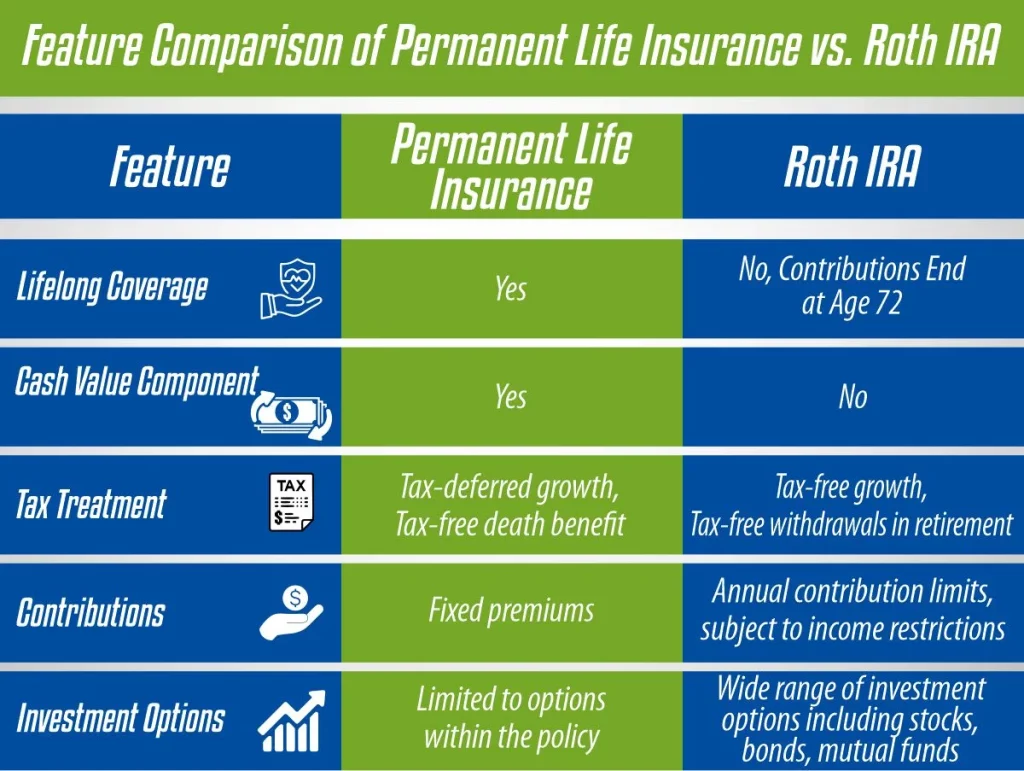
- Tax-Deferred Growth: The cash value within the policy grows tax-deferred. You can access this value through policy loans or withdrawals, often on a tax-advantaged basis.
- Lifetime Guarantees: Whole life insurance provides a level premium and a guaranteed death benefit, eliminating the risk of becoming uninsurable later in life.
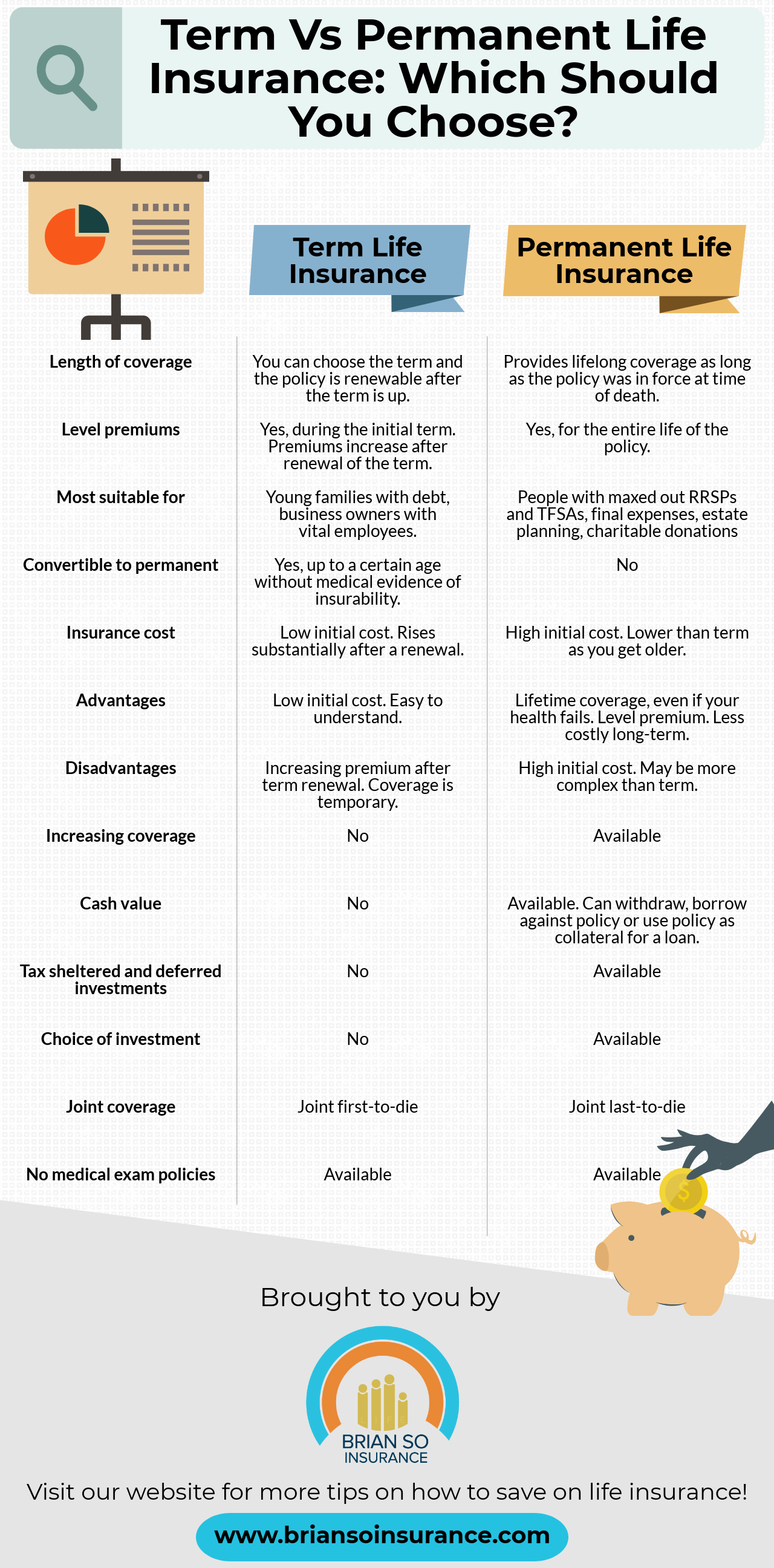
| Feature | Term Life Insurance | Permanent Life Insurance |
|---|---|---|
| Duration | Specific period (e.g., 20 years) | Lifetime (if premiums are paid) |
| Cash Value | None | Yes, accumulates over time |
| Underwriting | Generally faster/simpler | Complex/Deep medical & financial |
| Primary Goal | Income replacement | Estate planning/Wealth transfer |
| Cost | Significantly lower | Higher due to lifetime guarantee |
Navigating the Quotation Process Efficiently
The "hassle" of obtaining quotes can be mitigated by professional organization and proper vetting of intermediaries. Follow these steps to streamline the experience:
- Work with an Independent Broker: Do not rely on a single-carrier agent. An independent broker can pull quotes from multiple A-rated carriers, allowing you to compare the cost of insurance and the financial strength of the issuing companies.
- Gather Records Early: Before engaging an agent, have your last two years of tax returns, a summary of your medical history, and a list of all existing life insurance policies ready.
- Request "As-Applied" Illustrations: Ask your broker to provide an illustration that matches your current health profile rather than a generic "best-case scenario." This avoids future disappointment when actual underwriting results differ from initial sales pitches.
- Verify the Carrier’s Ratings: Ensure you are comparing companies with high financial strength ratings from agencies such as AM Best, Moody’s, or Standard & Poor’s. Since you are potentially locking in a 40-year relationship, the stability of the insurer is paramount.
Common Mistakes to Avoid
Many people view permanent life insurance as a "get-rich-quick" investment. This is a fundamental misunderstanding. The cash value component is designed for long-term growth and safety, not for short-term market speculation.
- Ignoring Surrender Charges: Most permanent policies have significant surrender charges during the first 10 to 15 years. If you need to cancel the policy early, you may recover very little of the cash value.
- Focusing Solely on Premium: A lower premium in a universal life policy can be a red flag if it is based on aggressive interest rate assumptions that may not materialize. Always look at the "guaranteed" column in your illustration.
- Misunderstanding Policy Loans: While you can borrow against your policy, doing so reduces the death benefit and can cause the policy to lapse if the loan interest outpaces the cash value growth.
When Is It Truly Not Worth the Hassle?
The process is likely not worth the trouble if you are in a temporary financial pinch or if your debt-to-income ratio is high. If you cannot comfortably commit to the high, non-negotiable premiums of a permanent policy for the next 20+ years, you risk letting the policy lapse. A lapsed permanent policy is a poor financial outcome, as the early years of the policy are heavily weighted toward administrative and acquisition costs. In such cases, term insurance remains the superior tool.
Frequently Asked Questions
Does the health exam for permanent insurance differ from term insurance? Generally, no, but the scrutiny may be higher. Because the insurer is committing to pay a death benefit regardless of how long you live, they are more concerned with long-term morbidity and mortality trends than they might be for a 10-year term policy.
Can I get a permanent insurance quote without a full medical exam? "Simplified issue" or "guaranteed issue" permanent policies exist, but they are often more expensive and have lower coverage caps. For high-value policies intended for estate planning, a full medical exam is standard and typically results in lower premiums over the life of the policy.
Why do permanent life insurance quotes vary so much between companies? Variations arise from differences in how companies calculate the "cost of insurance," their internal administrative expenses, their dividend scales (for whole life), and their assumptions regarding market performance (for universal life).
What happens if I change my mind after receiving a quote? Receiving a quote, or even going through the application process, does not legally obligate you to purchase the policy. You are only committed once you sign the delivery receipt and pay the initial premium.
Is permanent life insurance a good investment? It is better classified as a "safety asset." It provides a guaranteed death benefit and a tax-advantaged cash value, but it should not be the only vehicle in your portfolio. It is designed to complement other investments, not replace them.
Next Actions for Prospective Applicants
If you have determined that your financial planning requires the protection of a permanent policy, your next move should be to interview at least two independent insurance brokers. Ask them to outline the differences between Whole Life and Universal Life based on your specific age and tax bracket. Require them to show you the "guaranteed" performance metrics of any policy they propose. Remember that in the realm of permanent life insurance, the most expensive quote is often not the one with the highest premium, but the one that fails to perform as promised over the long term.