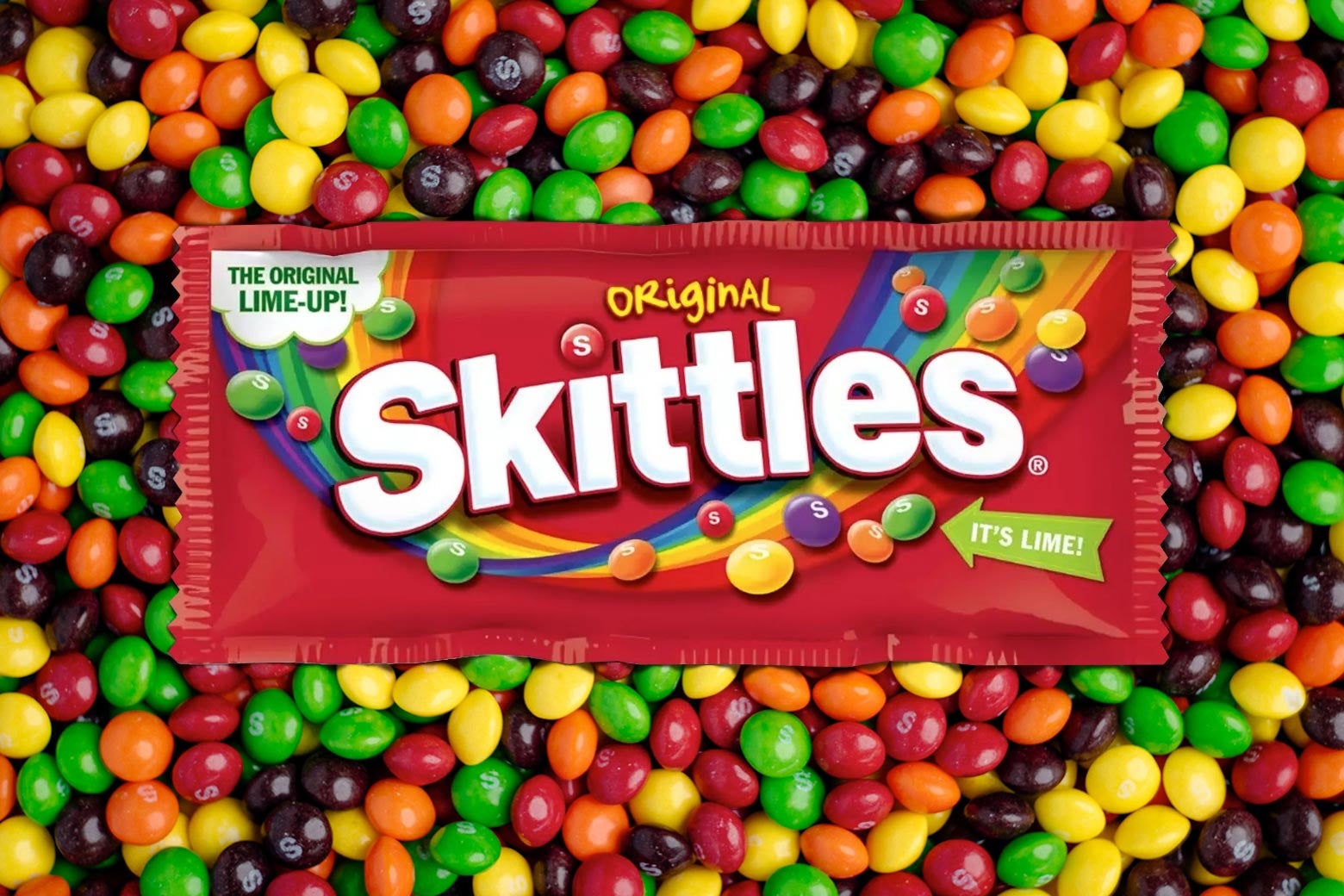
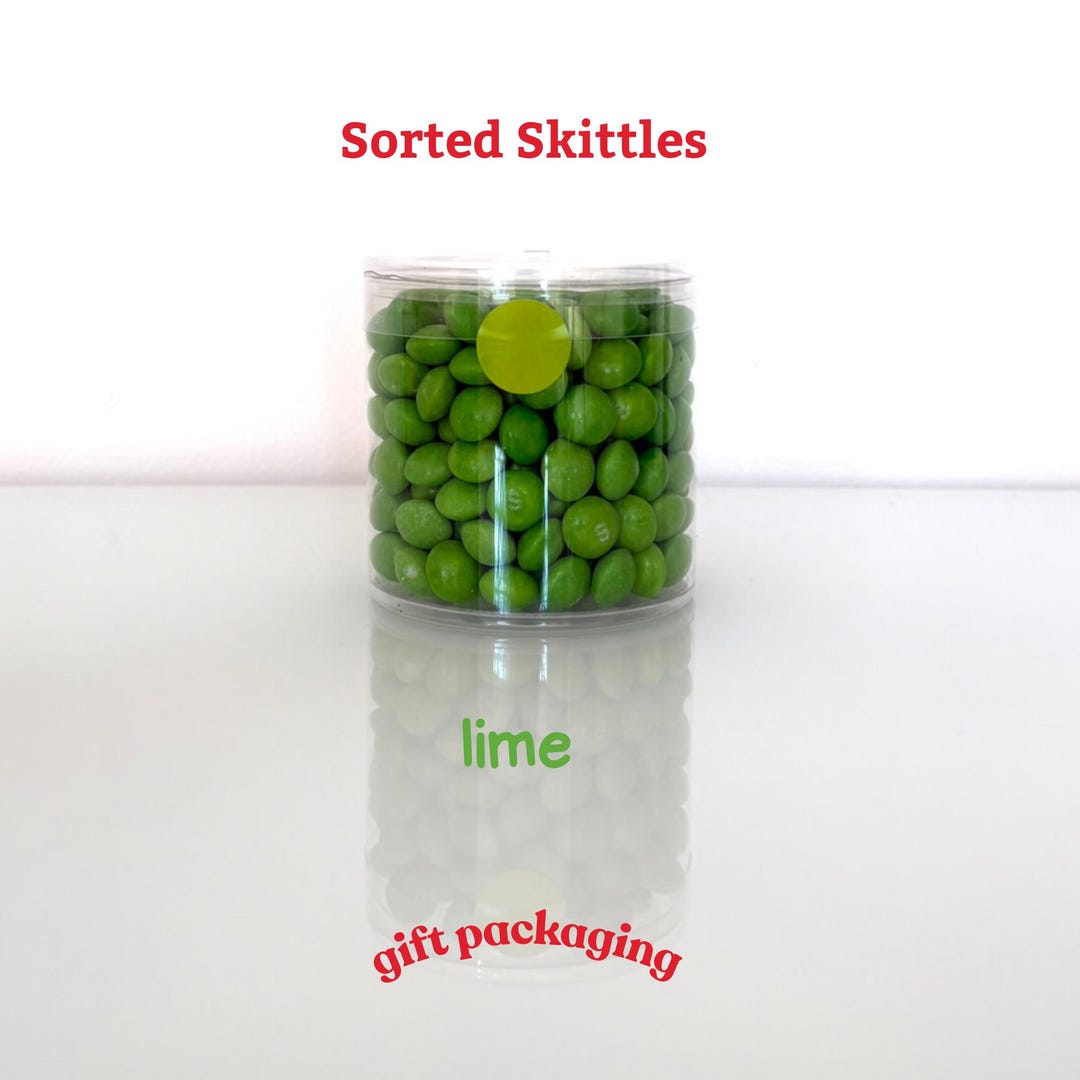
Whether green Skittles are worth the hype is subjective, largely depending on whether you prefer the original lime flavor or the current green apple formulation. The debate centers on the 2013 flavor switch in North America, which remains a polarizing topic for candy enthusiasts, though availability of both varieties through international markets or specialty imports continues to fuel the conversation.
The Great Flavor Shift: A Brief History of the Green Skittle
To understand why the "green Skittle" is a source of intense debate, one must look at the timeline of the product manufactured by the Mars Wrigley Confectionery. For decades, the green Skittle in the Original fruit-flavored pack was lime. This flavor profile was considered a staple of the classic candy experience, providing a tart, citrusy counterpoint to the sweetness of the strawberry, orange, lemon, and grape pieces.
In 2013, Mars Wrigley made a significant change to the North American product lineup, replacing lime with green apple. The company stated this was part of an effort to refresh the brand and provide a more "vibrant" flavor that tested well in consumer focus groups. However, the decision was met with immediate, vocal resistance from long-term fans who argued that the artificial green apple flavor did not blend as harmoniously with the other four flavors as lime had.
By 2026, this shift is no longer a "new" development, but a solidified part of candy history. For many consumers, the question of whether green Skittles are "worth the hype" is effectively a question of whether the green apple version provides a superior experience compared to the legacy lime version that still exists in many parts of the world, including the United Kingdom and much of Europe.
Decoding the Flavor Profiles
The hype surrounding the green Skittle is often inflated by nostalgia, but there are distinct sensory differences between the two iterations. Analyzing them requires looking at the chemistry of artificial flavoring and how it interacts with the human palate.
The Case for Lime
Lime, the original green Skittle, is defined by its acidity. It provides a sharp, clean finish that cuts through the sugary coating of the candy. This makes it an ideal "palette cleanser" when eating a handful of mixed flavors. Because it is a citrus flavor, it shares a chemical affinity with the lemon (yellow) and orange (orange) Skittles, creating a cohesive citrus-forward subset within the original bag.
The Case for Green Apple
Green apple, the current North American standard, is characterized by a different profile entirely. It relies on esters that provide a deeper, more candy-like sweetness rather than a sharp, acidic bite. Many modern consumers—particularly those who grew up post-2013—find the green apple version more distinct and intense. It stands out significantly against the other fruit flavors, which proponents argue makes it a more "exciting" candy piece.
Comparative Analysis: The Green Skittle Landscape
When evaluating whether the green Skittle is worth the hype, it helps to compare the two dominant versions currently available in the marketplace as of 2026.
| Feature | Lime (International) | Green Apple (North American) |
|---|---|---|
| Primary Taste | Tart, Citrus, Sharp | Sweet, Artificial Fruit, Bold |
| Flavor Cohesion | High (Pairs with Lemon/Orange) | Low (Dominant flavor profile) |
| Palate Impact | Cleansing, Refreshing | Long-lasting, Lingering |
| Nostalgia Factor | High for pre-2013 consumers | High for post-2013 consumers |
| Availability | Regional (UK, EU, Australia) | Widespread (USA, Canada) |
Are They Worth the Hype?
The "hype" around the green Skittle is largely a social media-driven phenomenon. Platforms like TikTok and YouTube have historically turned the discussion of the green Skittle into a barometer for personal taste. Whether they are "worth it" depends on your specific criteria for candy consumption.
If you are a purist who values flavor balance, you might find the North American green apple version disappointing. Critics often argue that the apple flavor is "too artificial" or "too sweet," claiming it overwhelms the subtle strawberry or grape flavors. For this group, the green Skittle is often dismissed as the "worst in the bag," and the hype is seen as ironic or misplaced.
Conversely, if you value intensity and uniqueness, the green apple Skittle is undeniably a heavy hitter. It offers a punch of flavor that is distinct from every other color in the bag. For those who enjoy "flavor mixing"—the practice of eating multiple Skittles at once to create custom profiles—the green apple version acts as a powerful modifier, significantly altering the outcome of a handful.
Practical Considerations for Enthusiasts
If you find yourself invested in this debate, you are likely looking for ways to verify your own preference or perhaps source the version you feel you are missing.
- Verification of Origin: If you are buying Skittles in the United States, you are receiving the green apple variety. If you desire the lime version, you must source "Original" Skittles produced in the UK or other international markets. These are often available through specialty import candy stores or verified online retailers.
- Cost-Benefit Analysis: Importing candy is significantly more expensive than purchasing it at a local convenience store. When considering if "the original" green Skittle is worth the hype, factor in the cost of shipping and the markup for international goods. For most, the price premium is not worth the marginal difference in flavor unless you have a strong emotional or nostalgic attachment to the lime version.
- Storage and Quality: Regardless of the flavor, the quality of a Skittle depends on its freshness. The shell should be crisp, and the interior should remain chewy. If you are importing international Skittles, ensure the retailer has a high turnover rate to avoid purchasing stock that has been sitting in a warehouse for extended periods, as the sugar coating can become brittle.
Frequently Asked Questions
Why did Skittles change the green flavor to apple? The change occurred in 2013 to modernize the candy's flavor profile. Mars Wrigley reported that market research suggested consumers preferred the green apple taste over lime, believing it offered a more vibrant and distinct sensory experience that aligned with modern consumer preferences.
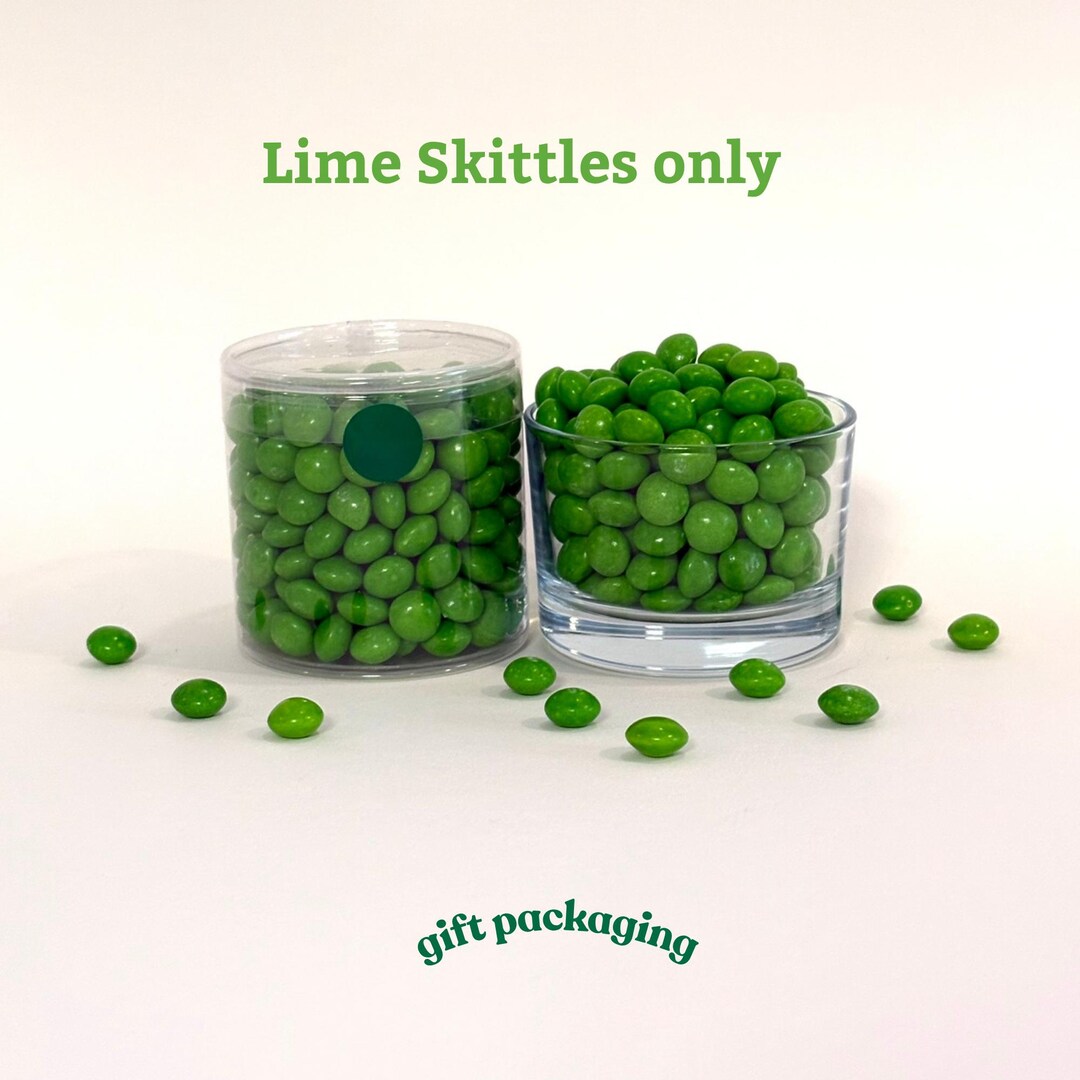
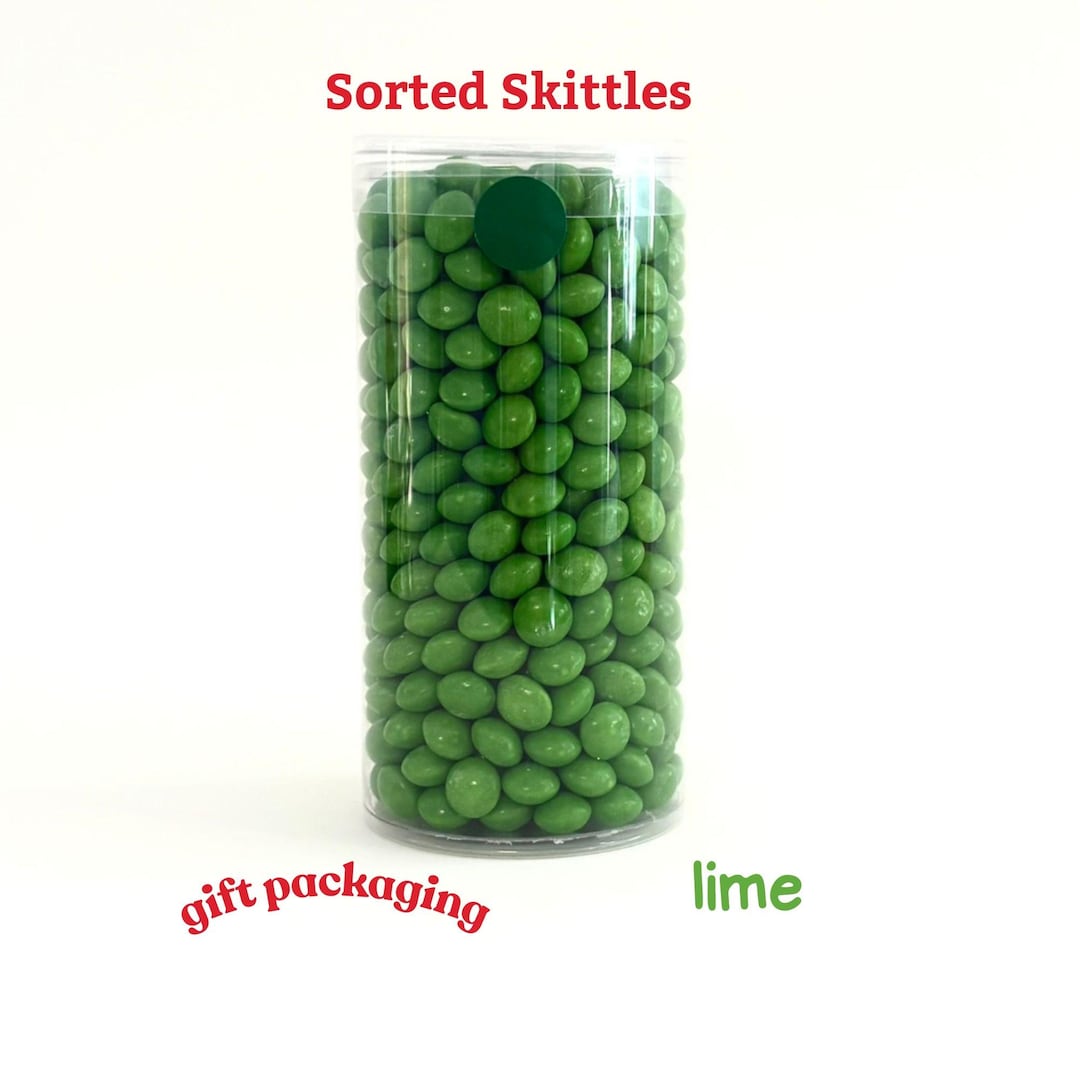
Can I still find lime Skittles in the US? Yes, but they are not the standard version in the typical "Original" bag. Lime is still featured in specific variety packs and can be found in imported bags sold by specialty retailers. You will need to check the ingredients or country of origin on the packaging to ensure you are getting the lime-flavored version.
Do all Skittles flavors have the same base? No. While the outer shell is chemically consistent across all colors, the inner chewy center of each Skittle is flavored independently. This is why the change from lime to green apple significantly altered the overall "handful" experience, as the acidic properties of the lime flavor were replaced by the sweeter, ester-heavy profile of green apple.
Is there a health difference between the flavors? From a nutritional standpoint, there is no significant difference between the lime and green apple Skittles. They contain similar caloric, sugar, and fat profiles. Both are processed confectioneries, and differences in flavor are achieved through the use of different artificial and natural flavorings, not substantial changes in the base ingredients.
Which flavor is actually more popular? Data on individual flavor popularity is proprietary to Mars Wrigley. However, public sentiment remains split. The vocal minority tends to be the "pro-lime" contingent, likely due to the nostalgia of the original formulation. The "silent majority" generally consumes the product as currently sold without strong objection, suggesting that the current formulation satisfies the general consumer base.
Final Recommendation
The "hype" surrounding the green Skittle is a testament to how deeply flavor associations are ingrained in memory. If you are curious about the difference, the best approach is a blind taste test. Buy a standard North American bag and a bag of imported UK Skittles. Compare them side-by-side without the bias of nostalgia. You will likely find that the green apple version is a bold, aggressive flavor, while the lime version is a balanced, acidic one.
Ultimately, neither is objectively "better." The worth of the green Skittle lies entirely in your personal preference for either sharp citrus notes or bold, sweet apple notes. If you find the green apple version satisfying, there is no reason to seek out the lime version at a premium cost. If you find it jarring, you know exactly which version is worth your time and money.