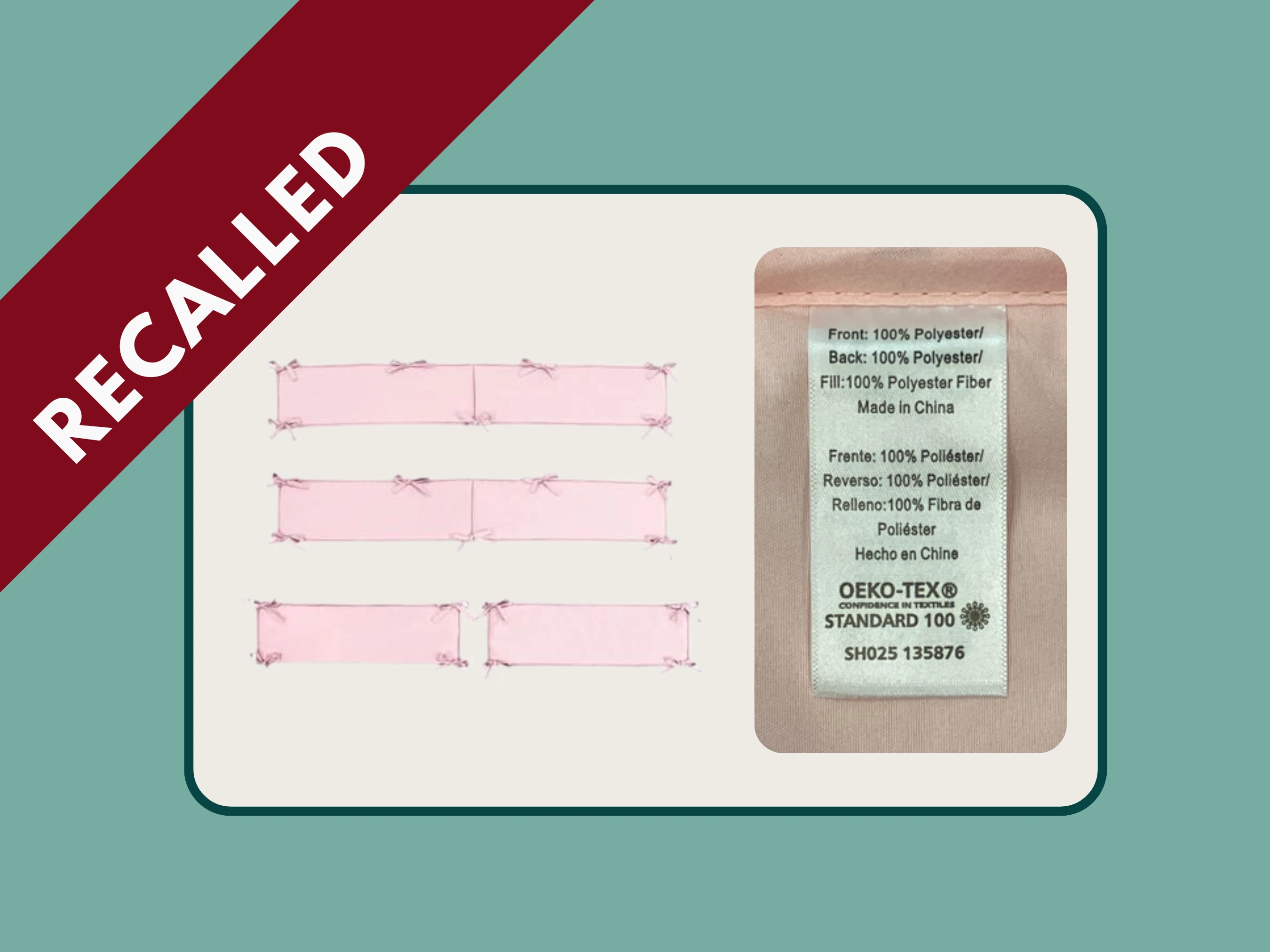
Yes, padded crib bumpers are officially banned in the United States. The federal ban, established by the Safe Sleep for Babies Act of 2021, prohibits the manufacture, sale, and distribution of crib bumpers. This law applies to all padded crib bumpers and many mesh liners, classifying them as hazardous products due to suffocation and entrapment risks.
As we navigate through 2026, the landscape of infant sleep safety has shifted significantly since the landmark legislation of the early 2020s. For parents, caregivers, and retailers, understanding the nuances of these regulations is not just a matter of legal compliance but a critical component of infant safety. The ban on crib bumpers was the result of decades of advocacy by pediatricians and safety experts who identified these products as a leading contributor to preventable sleep-related infant deaths.
The Legislative History: The Safe Sleep for Babies Act
The journey to a national ban was a long one, marked by years of incremental changes at the state level before federal intervention. In May 2022, President Joe Biden signed the Safe Sleep for Babies Act (SSBA) into law. This bipartisan legislation was designed to eliminate two specific types of dangerous infant sleep products from the market: inclined sleepers and crib bumpers.
Prior to this federal mandate, several states, including Maryland, Ohio, and New York, had already implemented their own restrictions. However, the lack of a unified national standard created confusion for parents and allowed manufacturers to continue distributing these items in less regulated regions. The 2022 federal law closed these loopholes entirely.
By 2026, the enforcement of this act has become a standard operation for the Consumer Product Safety Commission (CPSC). The CPSC now has the authority to seize prohibited products and issue significant fines to retailers who attempt to sell them, whether in physical stores or via online marketplaces. This regulatory environment has effectively cleared the primary market of traditional padded bumpers, though the secondary market (such as garage sales or unregulated online listings) remains a point of concern for safety advocates.
Defining "Crib Bumper" Under Federal Law
One of the most important aspects of the ban is how the law defines the product. According to the CPSC and the language of the Safe Sleep for Babies Act, a crib bumper is defined as any material intended to cover the sides of a crib. This includes products designed to:
- Prevent injury to the infant from impacts against the side of the crib.
- Prevent partial or complete access to any openings in the sides of the crib (to prevent limb entrapment).
- Be used in a crib, regardless of the material used.
This broad definition is intentional. It ensures that manufacturers cannot bypass the law by simply changing the name of the product or using slightly different materials. While the focus was initially on thick, pillow-like padded bumpers, the law also encompasses "vertical" bumpers that wrap around individual slats and most "breathable" mesh liners.
In 2026, the consensus among safety regulators is that if a product attaches to the crib slats and poses even a minimal risk of being pressed against an infant's nose or mouth, it falls under the prohibition. The primary goal is to maintain a "bare is best" environment, which has become the gold standard for infant sleep safety globally.
Why Were Padded Crib Bumpers Banned?
The ban was not an arbitrary decision but a response to decades of tragic data. The American Academy of Pediatrics (AAP) and the CPSC identified several critical risks associated with crib bumpers that outweighed any perceived benefits.
1. Suffocation Hazards
The most prominent risk is suffocation. Infants, particularly those under six months of age, lack the motor skills or head control to move away from a soft surface. If a baby rolls over and their face becomes pressed against a padded bumper, they can quickly suffocate. This risk is heightened because many bumpers are made of non-breathable materials that create an airtight seal against the infant's nose and mouth.
2. CO2 Rebreathing and Airflow
Research has shown that crib bumpers can impede the circulation of fresh air within the crib. This creates "pockets" of stagnant air where carbon dioxide (CO2) can accumulate. When an infant rebreathes their own exhaled air, it can lead to hypoxia and is a known risk factor for Sudden Infant Death Syndrome (SIDS).
3. Strangulation Risks
Bumpers are typically secured to crib slats with ties or ribbons. If these ties become loose or if a bumper is not installed perfectly, an infant can become entangled in the strings, leading to strangulation. Furthermore, if a bumper becomes detached at one end, the infant can become wedged between the bumper and the crib mattress, a position that is often fatal.
4. Climbing and Fall Hazards
As infants grow older and begin to pull themselves up, crib bumpers can inadvertently act as a "step stool." A toddler can use the padding of the bumper to gain enough height to climb over the crib rail, leading to serious falls and head injuries. This risk often catches parents off guard, as they may believe the bumper is still "protecting" the child from hitting their head against the slats.
Comparing Sleep Safety Options in 2026
To help parents navigate the choices available in the current market, the following table compares common crib accessories and their safety status under current guidelines.
| Product Type | Legal Status (2026) | Safety Rating | Primary Risk / Benefit |
|---|---|---|---|
| Padded Crib Bumpers | Banned | Dangerous | High risk of suffocation and strangulation. |
| Mesh Crib Liners | Restricted/Banned | Not Recommended | Often fall under the federal bumper definition; risk of entrapment. |
| Vertical Crib Wraps | Restricted | Not Recommended | May still impede airflow or pose a detachment risk. |
| Wearable Blankets | Legal | Highly Recommended | Safely keeps baby warm without loose bedding risks. |
| Fitted Crib Sheets | Legal | Essential | Must be tight-fitting to prevent bunching and suffocation. |
| Crib Tents/Covers | Regulated | Not Recommended | Risk of entanglement and entrapment; often unnecessary. |
Addressing the "Limb Entrapment" Concern
The primary reason parents historically purchased crib bumpers was the fear of their baby getting a leg or arm stuck between the crib slats. While a limb getting caught can be distressing and cause a baby to cry, safety experts emphasize that this is rarely a life-threatening injury.
In contrast, the risks posed by bumpers—suffocation and strangulation—are life-threatening. The medical community’s stance is clear: a minor bruise or a brief moment of discomfort from a caught limb is a far better alternative than the risk of SIDS or accidental suffocation.
By 2026, modern crib designs have also improved. Current mandatory federal standards for crib slat spacing (which must be no more than 2 3/8 inches apart) have significantly reduced the frequency of limb entrapment compared to older or antique crib models.
Safe Sleep Alternatives for 2026
With bumpers removed from the equation, how can parents ensure their infants are comfortable and safe? The following alternatives are the current industry standards recommended by the AAP and the National Institutes of Health (NIH).
Wearable Blankets (Sleep Sacks)
Wearable blankets have become the ubiquitous alternative to both bumpers and loose blankets. These garments provide warmth and a sense of security (similar to swaddling) without the risk of covering the infant's face. In 2026, manufacturers offer a wide variety of "sleep bags" with different TOG ratings (thermal overall grade) to suit various climates and nursery temperatures.
Maintaining a Bare Crib
The "Bare is Best" campaign remains the most effective guidance for parents. A safe sleep environment consists of:
- A firm, flat sleep surface (mattress).
- A tight-fitting sheet.
- No pillows, no quilts, no comforters, and no stuffed animals.
- The infant placed on their back for every sleep session.
Room-Sharing
Rather than using bumpers to monitor a baby more closely, the current recommendation is room-sharing (but not bed-sharing) for at least the first six months of life. Having the baby’s crib in the parents' room allows for easier monitoring and has been shown to reduce the risk of SIDS by up to 50%.
Retailer and Manufacturer Responsibilities
The ban on crib bumpers has significant implications for businesses. In 2026, any retailer found selling these products—including "new old stock" or products rebranded as "breathable liners"—is subject to enforcement actions.
This ban also extends to the resale market. Platforms like Facebook Marketplace, eBay, and Poshmark have implemented automated flagging systems to prevent the listing of crib bumpers. It is illegal to sell, offer for sale, or even give away these products. For parents who still have old bumpers from previous children, the recommendation is to destroy them (cut the ties and the fabric) and dispose of them to ensure they cannot be reused by someone else who may be unaware of the risks.
International Context: Is the Ban Global?
While the United States has a firm federal ban, other countries have varying degrees of regulation.
- Canada: Health Canada has long issued strong warnings against the use of crib bumpers, and while not a single "ban" act exactly like the US SSBA, the regulatory environment is so strict that they are virtually non-existent in the primary market.
- United Kingdom: The Lullaby Trust and other safety organizations strongly advise against bumpers. While not explicitly banned by law in the same manner as in the US, most major UK retailers have voluntarily stopped stocking them.
- Australia: Similar to the UK, there are strict safety warnings and guidelines from organizations like Red Nose Australia, discouraging their use.
For parents traveling internationally in 2026, it is important to realize that hotel cribs or rentals in other countries might still offer bumpers. In these cases, parents should proactively remove the bumpers before placing their child in the crib.
Frequently Asked Questions
Are mesh crib liners also banned?
Under the Safe Sleep for Babies Act, most mesh liners are considered crib bumpers because they serve the same function (covering the slats). While some manufacturers initially claimed mesh was "breathable" and therefore safe, the CPSC's broader rulings have largely removed these from the market due to the risk of the mesh becoming a "pocket" that can trap an infant's head or cause entanglement.
What should I do if I already own a padded bumper?
You should stop using it immediately. The safest course of action is to cut the strings off the bumper so it cannot be used by anyone else and then throw it away. Do not donate it to a thrift store or give it to a friend, as this passes the risk on to another infant and is technically a violation of federal safety distribution laws.
My baby keeps hitting their head on the crib slats. What can I do?
Infants occasionally bump their heads as they learn to roll and move in their sleep. However, babies do not have enough momentum to cause serious injury or a concussion by hitting a crib slat. Most infants quickly learn the boundaries of their crib. If the noise of the "thud" is concerning, remember that the padding of a bumper is a much greater threat to their life than a minor bump on the head.
Is it legal to buy a bumper from an international website?
While you might find international websites that ship to the US, importing these products is technically illegal under the Safe Sleep for Babies Act. Furthermore, these products likely do not meet other US safety standards (such as lead paint or phthalate regulations) and should be avoided entirely.
Does the ban apply to "braided" crib bumpers?
Yes. Braided bumpers are particularly dangerous because they are often thick and heavy, posing a significant suffocation risk. They also lack the stability of traditional bumpers and can easily become a hazard if an infant rolls onto or under them. They are fully covered by the federal ban.
Final Recommendation for 2026
In 2026, the best practice for infant sleep is a minimalist approach. The "bare crib" is not a sign of a lack of comfort; it is a sign of a safety-conscious environment. To ensure your infant sleeps safely, prioritize a CPSC-approved crib, a firm mattress, and a wearable blanket.
If you are concerned about your child’s comfort or their tendency to get limbs caught in slats, focus on using a sleep sack, which keeps limbs somewhat contained, rather than introducing hazardous padding into the sleep environment. By adhering to these federal guidelines and medical recommendations, you are providing the safest possible foundation for your child's growth and development.