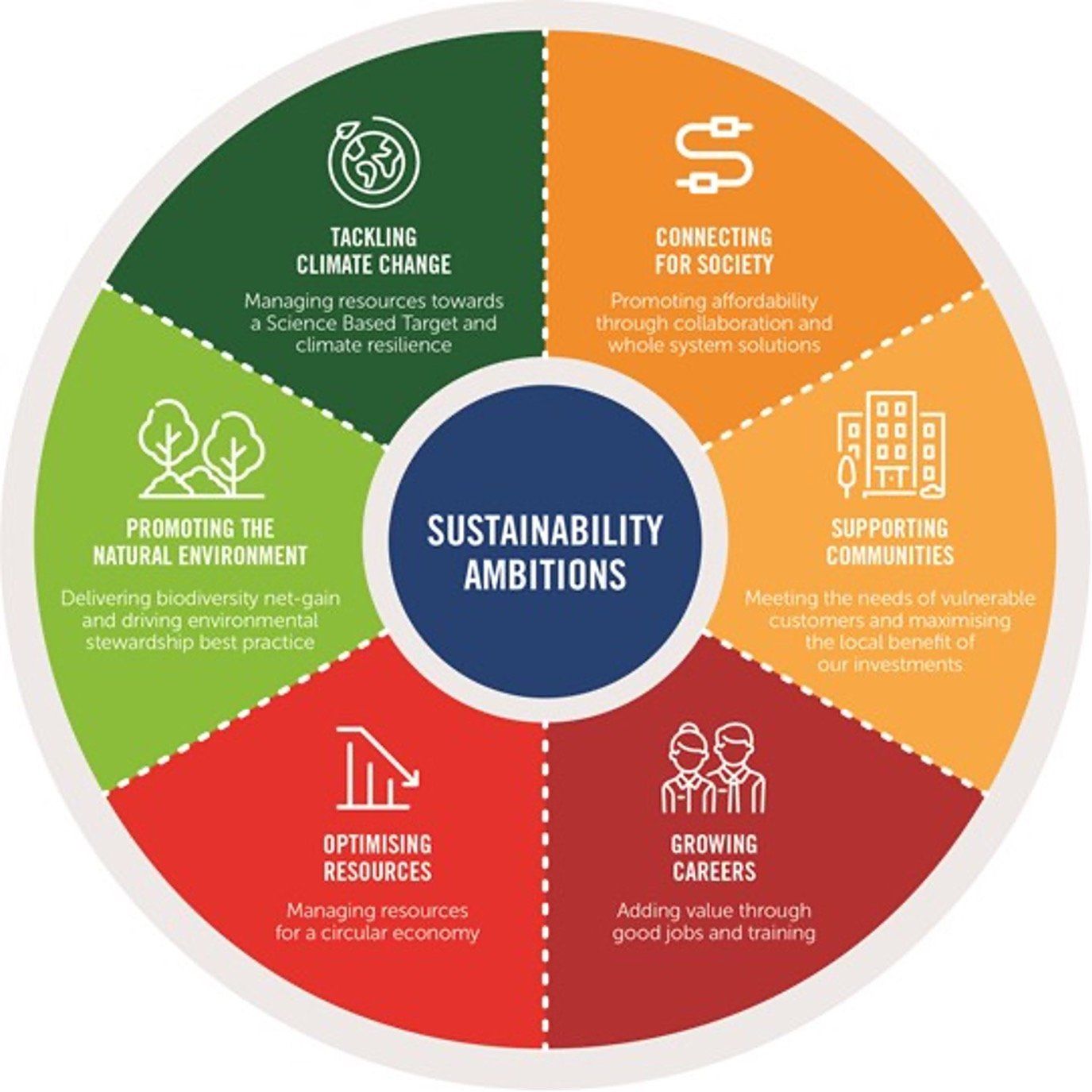
A company description serves as the foundational narrative for your organization, bridging the gap between who you are and why a potential client, investor, or employee should care. To craft an effective description, you must synthesize your core mission, unique value proposition, and target audience into a concise, professional summary that functions across your website, social media, and business proposals.
Understanding the Purpose of Your Company Description
The primary intent of a company description is not merely to list facts but to establish credibility and identity. Depending on the venue—a LinkedIn profile, an "About Us" page, or a pitch deck—the tone may shift, but the core identity must remain consistent.
A high-quality description fulfills three essential functions:
- Identity: It clarifies what your business does and the specific problems it solves for the market.
- Differentiation: It explains how your approach or solution differs from existing competitors.
- Connection: It speaks directly to the reader's needs, establishing a bridge between their challenges and your expertise.
Many organizations fail by focusing too heavily on internal jargon or historical milestones that mean little to the reader. Instead, effective writing focuses on the "customer-centric" model: how the entity delivers value to the end user.
Essential Components of a Professional Company Description
To ensure your description is comprehensive, it must contain specific building blocks. While you have the creative freedom to adapt the order, missing any of these elements can leave your audience with unanswered questions.
1. The Hook (The Mission Statement)
Start with a high-level summary. This is often one or two sentences that define your niche. Avoid generic buzzwords; be specific about your sector and your primary offering. If you are a logistics firm, say exactly what you transport and where.
2. The Core Offering (Products and Services)
Briefly detail your primary revenue-generating activities. This section should be descriptive enough that a stranger to your industry can understand what you sell without needing an advanced degree in your field.
3. Your Unique Value Proposition (UVP)
Why should a client choose you? Perhaps you offer proprietary technology, specialized regional expertise, or a unique service model. Your UVP is the anchor of your description. It provides the reasoning for your existence in a crowded marketplace.
4. The Target Demographic
Explicitly or implicitly, you must signal who you serve. If your language is overly broad, you risk appealing to no one. If you cater to Fortune 500 companies in the financial sector, your tone should reflect the formality and technical depth that those clients expect.
5. Verification and Authority
If your company has won industry awards, holds specific certifications (such as ISO standards), or has been operating for a significant number of years, weave these in subtly. This acts as social proof, validating your claims.
Drafting Strategies Based on Format and Platform
The way you structure a company description depends on where it lives. A "boiler-plate" description for a press release requires a different structure than an "About Us" page.
The "About Us" Page (Long-form)
On your website, you have the space to expand. Start with the mission, move into the history of the company (if relevant), and highlight your team's philosophy. This is the place to humanize the organization. Use photos, testimonials, and detailed breakdowns of your service tiers.
The Social Media Bio (Short-form)
On platforms like X (formerly Twitter) or Instagram, you have limited characters. Focus exclusively on the UVP.
- Bad: "We provide professional services to many different clients worldwide."
- Good: "We provide cloud-based cybersecurity solutions for enterprise retail, protecting $500M+ in transactions daily."
The Press Release Boilerplate
This should remain static. Keep it to 100–150 words and ensure it is updated annually. It should be a neutral, factual summary of the organization’s scale, location, and core industry.
Comparison of Company Description Styles
| Style | Best Used For | Focus Area | Complexity Level |
|---|---|---|---|
| Formal/Corporate | Annual Reports, Proposals | Reliability, Scale, Compliance | High |
| Value-Based | Website Homepages | Benefits, Transformation | Medium |
| Mission-Driven | Startups, Non-profits | Vision, Community Impact | Medium |
| Concise/Bio | Social Media, Directories | Immediate Identity | Low |
Common Mistakes to Avoid
Even experienced writers fall into common traps when drafting corporate bios. Avoiding these errors will immediately elevate your professional presence:
- Excessive Use of Superlatives: Words like "best," "unrivaled," and "perfect" lack evidence and often signal insecurity. Instead of saying you are the best, describe the results you produce.
- The "We-We" Trap: If every sentence begins with "We offer," "We believe," or "We provide," the narrative feels self-centered. Flip the perspective to focus on the customer: "Your logistics challenges are solved by our..."
- Outdated Information: A description that lists a 2018 project as your "latest achievement" signals that the company is stagnant. Ensure your milestones are current for the 2026 business climate.
- Ignoring Keywords: If you are a local plumbing business, ensure the word "plumbing" and your service location are included. SEO is not just for blogs; it is for every piece of descriptive text on your site.
Adapting to the 2026 Business Landscape
In 2026, the marketplace rewards transparency and technical precision. As AI tools generate vast amounts of content, the differentiating factor for your company description is its specificity. Generic descriptions are now easily generated by AI, which makes them less valuable to human readers who are looking for authentic, verified expertise.
When you write your description, ensure you address the current standards of your industry. For example, if you are a B2B SaaS company, your description should reflect your commitment to data privacy, integration capabilities, and uptime—the key metrics that matter to the 2026 buyer.
Frequently Asked Questions
How long should a standard company description be? A standard description for general use (such as an "About Us" section or boilerplate) should be between 200 and 400 words. This provides enough depth to build trust without overwhelming the reader. Social media bios should be kept under 50 words to ensure they are readable in a single glance.
Should I include my financial data in the description? Generally, no. Unless you are a public company required to share such information, leave specific financial figures out of your general description. Stick to qualitative measures of your success, such as the number of clients served, years in business, or the specific scale of operations.
How often should I update my company description? You should review your description at least once per year. Treat it as a strategic document. If your service offerings change, if you reach a new regional market, or if you earn a significant certification, these should be integrated immediately to ensure your public face reflects your current operational reality.
Is it okay to use industry jargon? Use jargon only if your target audience is entirely composed of industry experts. If your potential clients include non-technical stakeholders or investors, strip away the jargon. Your goal is to be understood by the person making the buying decision, who may not be as technically fluent as your engineering team.
How do I balance being professional and showing personality? The balance lies in your brand voice. A law firm will prioritize precision and gravitas, while a creative marketing agency may use a more conversational, agile tone. Define your brand voice—are you authoritative, accessible, or disruptive?—and ensure every sentence in your description adheres to that personality.
Next Steps: The Auditing Process
Once you have drafted your description, do not publish it immediately. Perform an audit to ensure it meets your requirements:
- The "Stranger" Test: Give the draft to someone outside your industry. If they cannot explain what your company does after reading it once, your description is too complex or too vague.
- The Goal Alignment: Look at your business goals for 2026. If you are trying to enter a new market, ensure your description highlights the specific experience or service that will appeal to that new demographic.
- The Proofread: Check for consistency in naming, capitalization, and tone. A company description full of grammatical errors reflects poorly on your attention to detail in your actual work.
Refining your company description is an ongoing project. As your company evolves, your narrative should evolve with it. By keeping your description clear, customer-focused, and updated, you provide your audience with the clarity they need to engage with your brand confidently.