Most bank-owned ATMs are accessible 24/7, particularly those located in drive-through lanes or on the exterior walls of financial institutions. However, availability varies based on the machine's specific location, such as those inside retail stores, office buildings, or locked bank lobbies that require a card for after-hours entry.
Automated Teller Machines (ATMs) have revolutionized personal finance by providing a bridge between digital banking and physical currency. While the fundamental promise of an ATM is "anytime" access, the reality in 2026 involves a complex interplay of physical security, hardware maintenance, and digital processing windows. Understanding when and why an ATM might be unavailable is crucial for managing your cash needs effectively.
The Physical Location Factor: Where the ATM Resides
The most significant determinant of whether an ATM is open 24/7 is its physical placement. Banks categorize their machines based on accessibility tiers to balance customer convenience with the security of the hardware and the safety of the users.
Exterior and Drive-Through ATMs
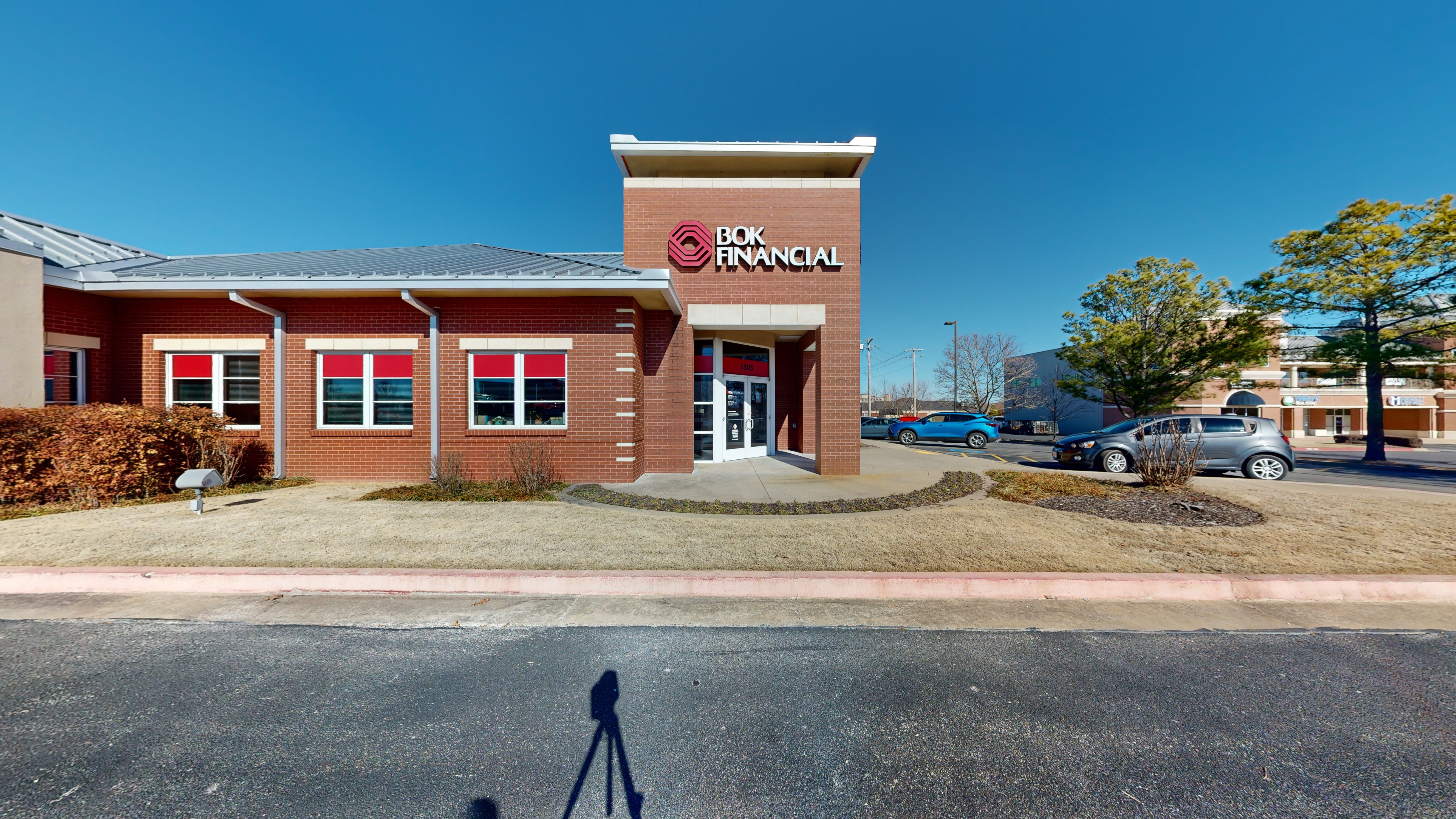
ATMs built into the exterior wall of a bank or situated in dedicated drive-through lanes are almost universally open 24 hours a day, 365 days a year. These machines are designed with high-grade weatherproofing and reinforced security housings. Because they do not require the user to enter a building, they bypass the operational hours of the branch itself. In 2026, many of these locations are also equipped with enhanced lighting and AI-driven surveillance to ensure safety during late-night transactions.
Bank Vestibule Access
Many urban bank branches feature a "vestibule"—a small, enclosed area containing one or more ATMs that is separate from the main teller floor. These are often accessible 24/7, but they frequently require a "card swipe" or a "contactless tap" with a valid debit or credit card to unlock the door after standard business hours. This mechanism prevents unauthorized individuals from using the space for shelter while allowing customers to conduct business in a climate-controlled, secure environment.
Indoor and Retail-Based ATMs
If an ATM is located inside a grocery store, shopping mall, gas station, or office building, its availability is strictly tied to the operating hours of that host facility. For example, an ATM inside a mall that closes at 9:00 PM will be inaccessible until the mall reopens the following morning. Even if the bank that owns the machine is technically "open" for digital transactions, the physical barrier of the locked building renders the machine unavailable.
Maintenance Windows and System Processing
Even a machine that is physically accessible 24/7 may experience "digital downtime." Banks must perform routine maintenance and system updates to ensure the security of the network and the accuracy of transactions.
Daily Batch Processing
Historically, and continuing into 2026, many financial institutions perform "batch processing" or "end-of-day" cycles, typically between 11:00 PM and 3:00 AM. During these windows, the ATM might temporarily go offline or operate in a "limited" mode. In limited mode, the machine may only allow withdrawals and might not provide an updated balance, as it cannot communicate in real-time with the bank's core ledger.
Hardware Maintenance and Cash Replenishment
ATMs are mechanical devices subject to wear and tear. They require periodic servicing to clear paper jams, update software, or repair card readers. Furthermore, ATMs have a finite capacity for cash. If a machine runs out of bills—particularly during a holiday weekend—it may remain "open" for deposits or balance inquiries but will be unable to dispense cash until a service team or armored car arrives to replenish it.
Security Curfews and Regional Restrictions
In response to fluctuating security concerns, some jurisdictions and banking groups have implemented "ATM Curfews." This is more common in high-traffic urban areas where late-night crime rates might pose a risk to customers.
In these specific instances, a bank may choose to shut down or lock vestibule access during the early morning hours (e.g., from 12:00 AM to 5:00 AM). These decisions are usually made in consultation with local law enforcement and are often clearly posted on the branch door or updated in the bank’s mobile app. Customers should use their bank's "ATM Finder" tool to verify if a specific location has restricted hours due to local safety ordinances.
Comparing ATM Types and Their Typical Availability
To better understand your options when you need cash after hours, consider the differences in access and functionality across various machine types.
| ATM Type | Typical Availability | Access Requirements | Security Level |
|---|---|---|---|
| Drive-Through ATM | 24/7/365 | None (Vehicle-based) | High (Vehicle enclosure) |
| Branch Exterior | 24/7/365 | None (Public walk-up) | Moderate (Lighting/CCTV) |
| Bank Vestibule | 24/7 (Usually) | Card swipe for entry | High (Enclosed/Monitored) |
| Retail/In-Store | Store hours only | No barrier during hours | Varies by store security |
| ITM (Interactive Teller) | 24/7 for basic; Business hours for "Live" | None (Walk-up/Drive-through) | High (Live video monitoring) |
The Rise of ITMs: Interactive Teller Machines
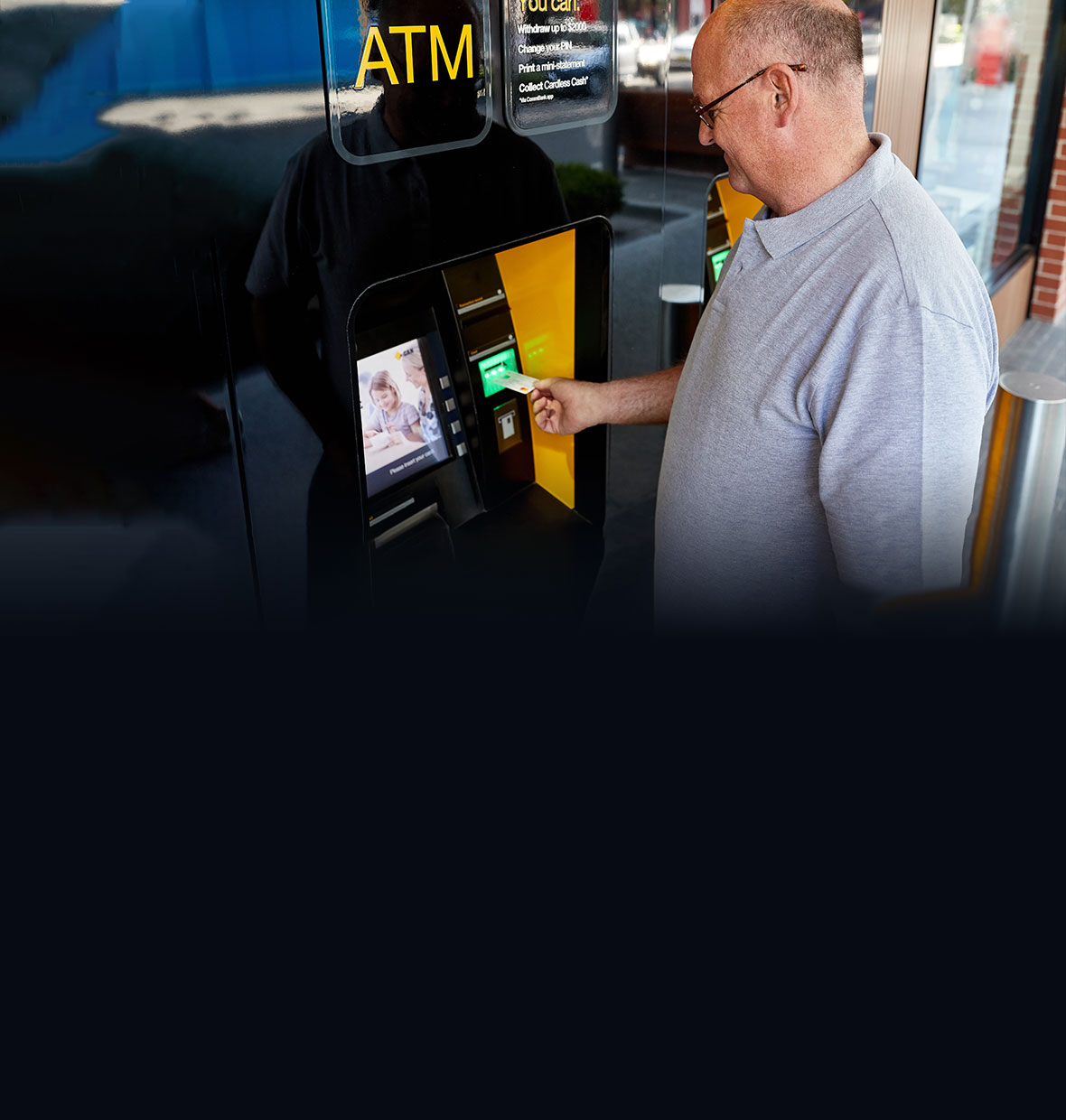
By 2026, many traditional ATMs have been replaced or supplemented by Interactive Teller Machines (ITMs). These machines look like standard ATMs but feature live video chat capabilities, allowing customers to speak with a remote teller.
While the ATM functions (withdrawals, deposits, balance checks) on an ITM are usually available 24/7, the live teller services are generally restricted to extended business hours (e.g., 7:00 AM to 8:00 PM). If you need to perform a complex transaction that requires human assistance—such as withdrawing an amount that exceeds your daily limit or cashing a third-party check—you will be restricted by the teller's schedule, even if the machine itself is physically accessible.
Out-of-Network and Independent ATMs
When searching for a 24/7 ATM, you may encounter "independent" or "white-label" machines. These are not owned by a specific bank but are managed by private companies. While these are almost always available 24/7 in locations like 24-hour gas stations or convenience stores, they come with different considerations:
- Fees: You will likely face two fees: one from the ATM owner and one from your own bank for using an out-of-network machine.
- Withdrawal Limits: These machines often have lower withdrawal limits than bank-owned ATMs (e.g., $200–$400 per transaction).
- Security: Independent ATMs in isolated areas may have fewer security features, such as cameras or alarm systems, compared to those located at a bank branch.
Practical Tips for After-Hours ATM Use
To ensure you can always access your funds when you need them, follow these best practices for navigating ATM availability in 2026.
- Use the Bank’s Mobile App: Most modern banking apps provide a real-time map of ATMs. These maps often indicate if a machine is currently "Active," "Out of Cash," or "Under Maintenance." This can save you a trip to a machine that is physically open but digitally unavailable.
- Identify Surcharge-Free Networks: If your bank's branch is closed or too far away, check if your bank participates in networks like Allpoint or MoneyPass. These networks provide thousands of 24/7 locations in retail environments that are often accessible even when banks are closed.
- Be Mindful of Daily Limits: Even if an ATM is open 24/7, your bank imposes a daily withdrawal limit (often between $300 and $1,000). These limits usually reset at a specific time (often midnight or 12:00 AM ET), not necessarily 24 hours after your last withdrawal.
- Prioritize Safety: If you must use an ATM late at night, choose a drive-through or a well-lit vestibule. Avoid machines in poorly lit or isolated areas. If someone is loitering near the machine, trust your instincts and find another location.
Frequently Asked Questions
Are bank ATMs open on holidays?
Yes, the automated functions of a bank ATM are generally available on all major holidays, including Christmas and New Year's Day. While the physical branch will be closed and no staff will be present, the machines in the drive-through, exterior walls, or card-access vestibules remain operational. However, keep in mind that cash replenishment may be delayed during long holiday weekends, increasing the risk of the machine running out of currency.
Why did a 24/7 ATM decline my card at night?
There are several reasons this might happen. First, you may have exceeded your daily withdrawal limit. Second, the bank may be performing its nightly system maintenance, which can interrupt communication between the ATM and your account. Third, your bank's fraud detection system may flag a large late-night withdrawal as suspicious, especially if it is in an unusual location. In 2026, you can usually resolve the latter by confirming the transaction through a push notification on your smartphone.
Can I deposit checks at an ATM 24/7?
Most modern bank ATMs allow for 24/7 check and cash deposits. However, the "availability" of those funds is not always immediate. While the machine is "open" to accept the deposit, the funds may not be credited to your account until the next business day. Always check your bank's funds availability policy, as many banks have a 1:00 PM or 2:00 PM cutoff time for same-day processing.
Do all ATMs require a card swipe for after-hours lobby access?
Not all, but it is a standard security feature for many urban and suburban branches. If the ATM is located in an interior vestibule, look for a card reader near the door. You usually do not need to enter your PIN to open the door; a simple swipe or tap of any valid debit card (and sometimes even a credit card) will unlock the electromagnetic strike.
Is there a fee for using a bank ATM after hours?
Banks do not charge extra "after-hours" fees. The fees for using an ATM are based on whether you are a customer of that bank and whether the ATM is part of your bank's network. If you use your own bank's ATM at 3:00 AM, the transaction will be just as free as it would be at 10:00 AM.
Recommendation for Next Actions
If you anticipate needing cash outside of standard banking hours, your first step should be to open your financial institution’s mobile app and locate the nearest "Surcharge-Free" or "Branch-Affiliated" ATM. Look specifically for locations labeled as "Drive-Through" or "24-Hour Vestibule" to ensure physical access. For maximum security, prioritize drive-through locations where you can remain inside your locked vehicle. If the app indicates the machine is "Offline," look for an alternative location within the same network to avoid high out-of-network fees. For more information on your specific rights regarding electronic fund transfers and ATM safety, you can consult resources provided by the Consumer Financial Protection Bureau (CFPB).