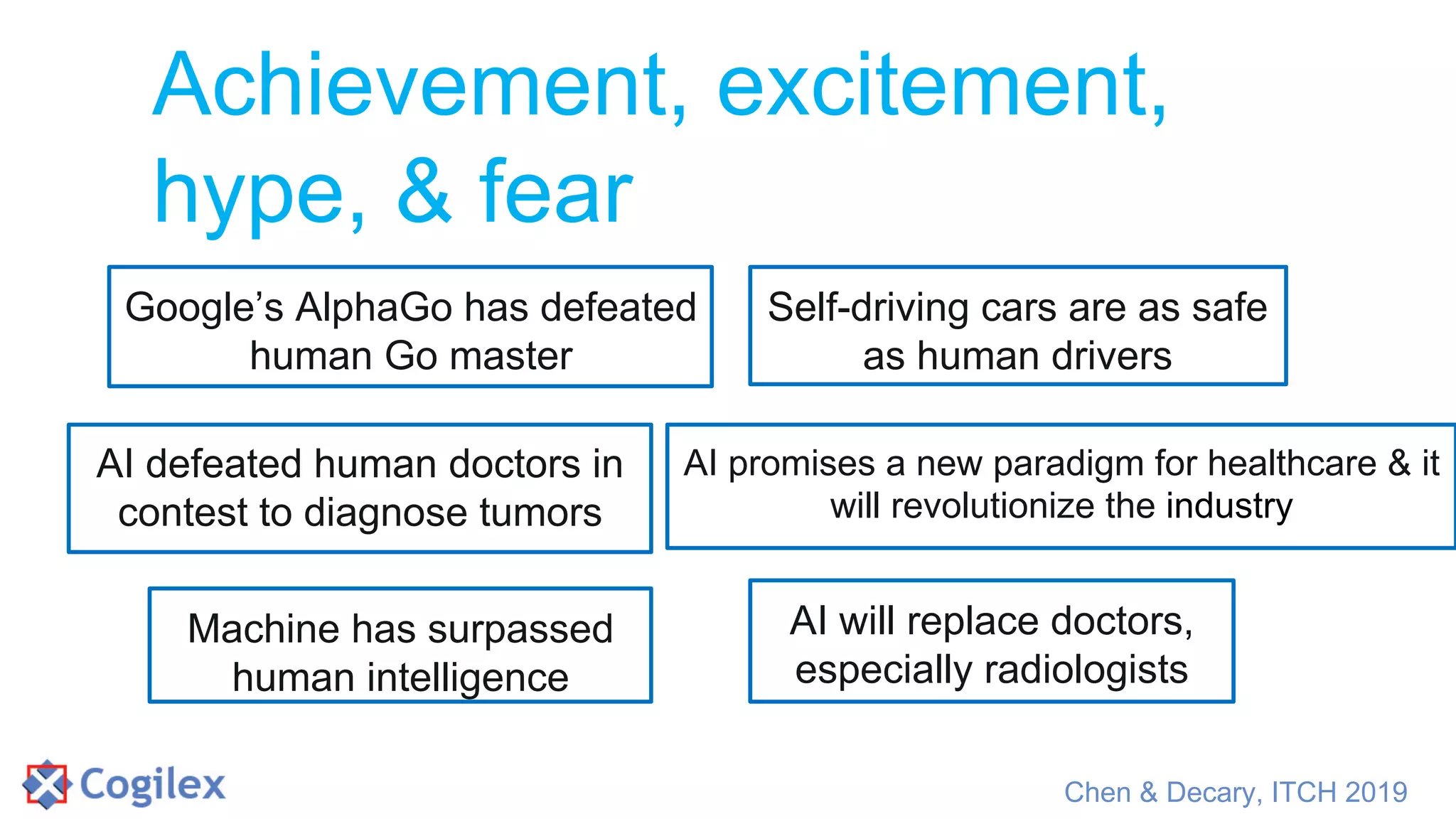
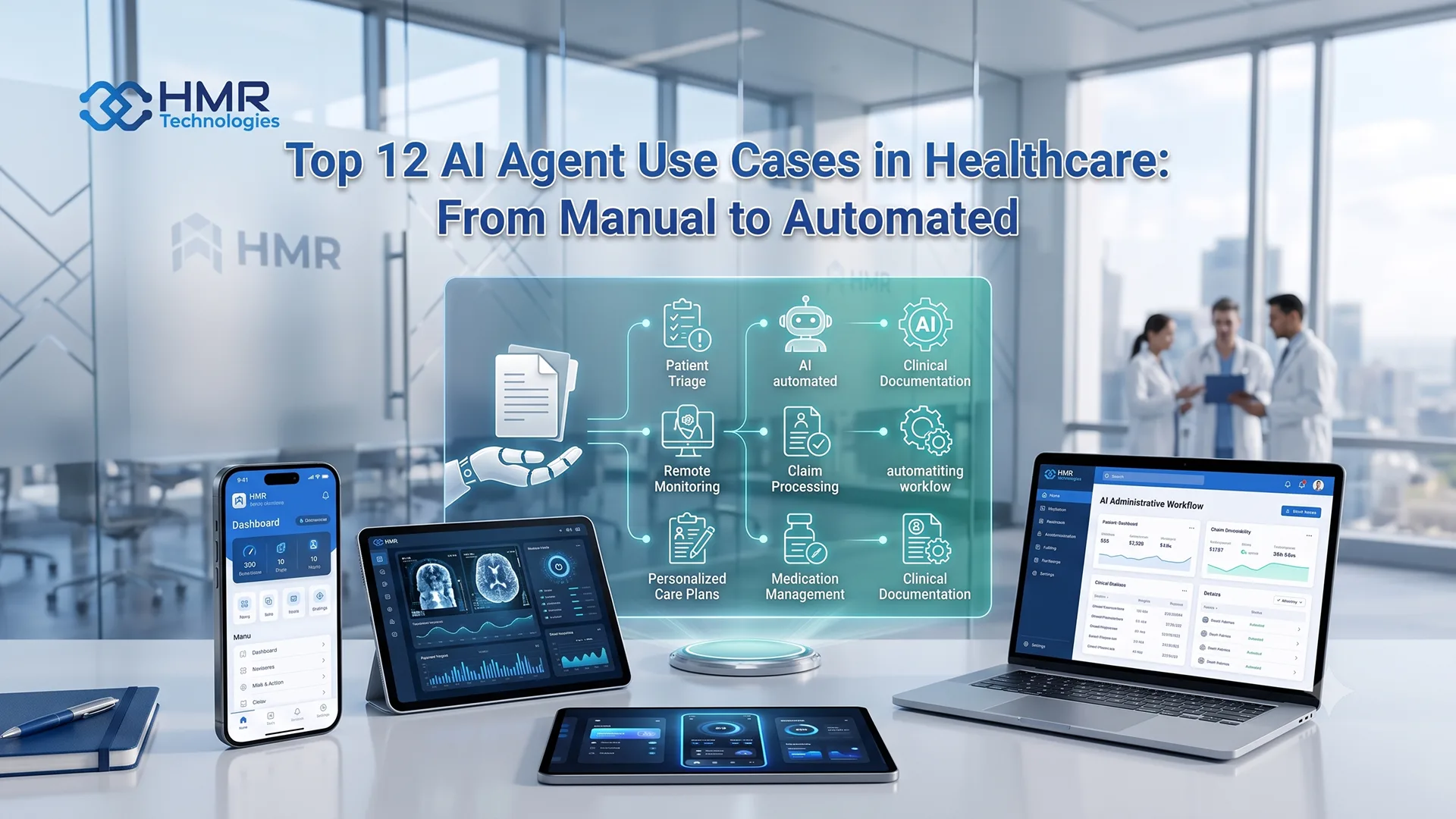
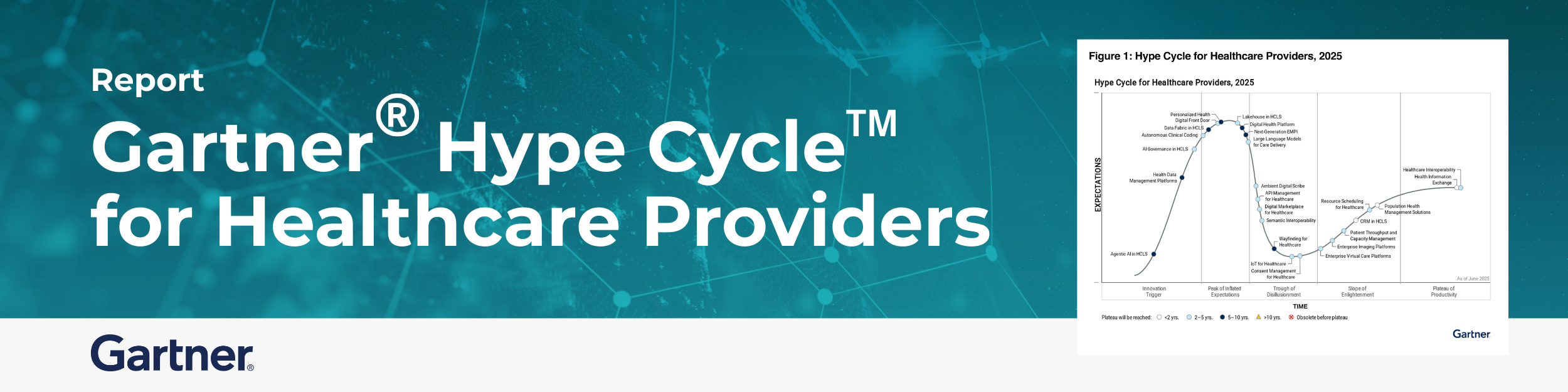
Automated healthcare solutions are increasingly proving their worth by reducing administrative burnout and improving diagnostic precision, provided they are integrated within a robust data governance framework. While some hype persists around fully autonomous clinical care, the tangible value in 2026 lies in augmented intelligence that streamlines workflows, enhances diagnostic accuracy, and optimizes resource allocation.
Defining the Landscape of Automated Healthcare in 2026
To determine if automated healthcare solutions are "worth the hype," we must first categorize what automation looks like in the current clinical environment. Automation in healthcare is no longer a monolithic concept; it is a spectrum ranging from simple robotic process automation (RPA) to sophisticated generative AI and autonomous surgical systems.
Administrative and Operational Automation (RPA)
Robotic Process Automation remains the backbone of the "efficiency" argument. By 2026, RPA has matured beyond simple macro-scripts to handle complex revenue cycle management (RCM), insurance verification, and patient scheduling. These systems interface with Electronic Health Records (EHRs) to eliminate manual data entry, which historically accounted for a significant portion of provider dissatisfaction.
Clinical Decision Support and AI-Driven Diagnostics
This represents the "high-tech" end of the spectrum. These solutions include machine learning algorithms that analyze medical imaging, pathology slides, and genomic data. In 2026, the focus has shifted from "replacing" doctors to providing a "second pair of eyes" that operates at a speed and scale impossible for humans.
Ambient Clinical Intelligence
One of the most successful applications of automation is ambient clinical intelligence (ACI). Using natural language processing (NLP) and ambient sensors, these systems listen to patient-provider encounters and automatically generate structured clinical notes. This technology addresses the "documentation tax" that has plagued the industry for over a decade.
Evaluating the Economic Value Proposition
The primary driver behind the adoption of automated healthcare solutions is the promise of a positive Return on Investment (ROI). However, calculating this value requires looking past the initial implementation costs to the long-term operational savings.
Reduction in Labor Costs and Human Error
The economic burden of medical errors is a significant motivator for automation. Automated dispensing cabinets in pharmacies and AI-driven bedside monitoring systems significantly reduce medication errors and adverse drug events. By 2026, hospitals utilizing integrated automation have reported a measurable decrease in malpractice insurance premiums and litigation costs associated with preventable errors.
Revenue Cycle Optimization
Automation has revolutionized the "back office" of healthcare. Automated coding solutions can now analyze clinical documentation and assign the most accurate ICD-11 codes (the standard in many regions by 2026) with higher precision than human coders. This reduces claim denials and accelerates the "days in accounts receivable" (DAR), directly improving the cash flow of health systems.
Capacity Management
Predictive analytics—a form of operational automation—allows hospitals to forecast patient surges and discharge rates. By automating the "bed management" process, facilities can increase their throughput without expanding their physical footprint. This optimization is often where the most significant "hype-to-reality" conversion occurs, as it directly impacts the hospital's bottom line.
The Gap Between Hype and Reality: Current Limitations
Despite the advancements, there are several areas where automated healthcare solutions have struggled to live up to the initial marketing promises. Understanding these gaps is essential for any stakeholder considering an investment in these technologies.
The Interoperability Hurdle
The greatest barrier to effective healthcare automation remains the lack of seamless data exchange. Even in 2026, many automated solutions operate within "walled gardens." If an AI diagnostic tool cannot pull historical data from a legacy EHR system or share its findings with a specialist's mobile platform, its utility is severely diminished. The hype often overlooks the massive engineering effort required to achieve true interoperability using standards like HL7 FHIR (Fast Healthcare Interoperability Resources).
The "Black Box" Problem and Algorithmic Bias
There is significant concern regarding the transparency of AI models. When an automated system suggests a high-risk treatment path, clinicians need to understand the "why." If the logic is opaque, adoption stalls. Furthermore, if the training data for these models lacks diversity, the automation can inadvertently perpetuate health inequities, leading to poorer outcomes for marginalized populations. In 2026, regulatory bodies like the FDA and the European Medicines Agency (EMA) have tightened requirements for "explainable AI" (XAI), but the industry is still catching up.
The Human Element and Patient Trust
Automation can sometimes create a "digital distance" between the patient and the provider. While patients generally appreciate the efficiency of automated check-ins or symptom checkers, there is a point of diminishing returns. High-acuity care and end-of-life discussions still require human empathy—something automation cannot replicate. Solutions that over-automate the patient experience risk damaging the therapeutic relationship, which is a core component of healing.
Technical Implementation and Prerequisites
For an automated solution to be "worth it," the underlying infrastructure must be prepared. Implementation is not a "plug-and-play" endeavor; it requires a multi-layered approach.
- Data Hygiene: Automation is only as good as the data it consumes. Organizations must invest in data cleansing and standardization before deploying AI or RPA tools.
- Cloud Infrastructure: Most modern automated solutions require the scalability of the cloud. This necessitates robust cybersecurity measures, including zero-trust architecture and real-time encryption, to protect Patient Health Information (PHI).
- Staff Training: Automation requires a shift in the workforce's skill set. Clinicians must be trained to interpret AI outputs, and administrative staff must learn to manage and troubleshoot RPA bots.
- Governance Frameworks: Establishing a "Clinical AI Council" or similar body is essential to oversee the ethical deployment and monitoring of automated tools.
Comparison of Key Automated Healthcare Segments
The following table compares common automated solutions based on their complexity, cost, and typical timeframe for achieving a return on investment.
| Solution Category | Primary Use Case | Implementation Complexity | ROI Window | Human Oversight Required |
|---|---|---|---|---|
| RPA (Administrative) | Billing, Scheduling, Claims | Moderate | 6–12 Months | Low (Exception based) |
| Ambient AI (Documentation) | Clinical Note Generation | Moderate | 3–6 Months | High (Review/Sign-off) |
| Diagnostic AI (Imaging) | Radiology, Pathology | High | 18–24 Months | High (Confirmatory) |
| Predictive Analytics | Readmission Prevention | High | 12–18 Months | Moderate |
| Robotic Surgery | Minimally Invasive Procedures | Very High | 3–5 Years | Absolute (Surgeon-led) |
The Ethics of Automation in 2026
As we navigate the landscape of 2026, the ethical considerations of healthcare automation have taken center stage. The question is no longer just "Can we automate this?" but "Should we?"
The World Health Organization (WHO) has updated its guidance on the ethics of AI for health, emphasizing that the ultimate responsibility for a medical decision must remain with a human professional. This "Human-in-the-Loop" (HITL) requirement is a significant check against the "hype" of fully autonomous clinical AI. Organizations that ignore this ethical imperative risk not only patient safety but also legal and reputational ruin.
Furthermore, the "Right to Explanation" has become a standard patient expectation. Patients have a right to know if an algorithm played a significant role in their diagnosis or treatment plan. Automated solutions that provide clear, understandable justifications for their outputs are the ones currently seeing the highest levels of adoption and trust.
Frequently Asked Questions
Can automated healthcare solutions replace human doctors?
In 2026, the consensus is that automation is an augmentative tool, not a replacement. While AI can process data faster and identify patterns humans might miss, it lacks the contextual judgment, empathy, and ethical reasoning required for complex patient care. Automation handles the "tasks," while doctors handle the "cases."
What are the biggest hidden costs of healthcare automation?
Beyond the initial licensing or purchase price, the most significant hidden costs include data integration (cleaning and mapping legacy data), ongoing algorithm monitoring (to prevent "model drift"), and the intensive training required for staff to use the new systems effectively.
How do automated solutions impact patient privacy?
Automation increases the number of touchpoints where data is processed, which theoretically increases the attack surface for cyber threats. However, when implemented correctly with modern encryption and decentralized identity management, automated systems can actually improve privacy by reducing the number of human eyes that see sensitive records.
Is AI in healthcare biased?
Yes, algorithmic bias remains a challenge. If an AI is trained primarily on data from one demographic, its performance may degrade when applied to others. In 2026, leading developers are using "synthetic data" and more diverse global datasets to mitigate this, but constant auditing is still required.
How do I know if a specific automation tool is right for my clinic?
The decision should be based on a "needs-first" rather than a "tech-first" approach. Identify your biggest bottleneck—whether it is patient wait times, billing errors, or clinician burnout—and seek a targeted solution that has demonstrated success in that specific area.
Practical Recommendation for Stakeholders
To ensure that automated healthcare solutions are worth the investment, healthcare leaders should adopt a phased implementation strategy. Start with administrative automation (RPA) or ambient clinical intelligence, as these offer the fastest ROI and the lowest clinical risk. These "quick wins" build organizational confidence and provide the financial breathing room to invest in more complex clinical AI and predictive analytics later.
Always prioritize vendors that demonstrate a commitment to interoperability and transparency. A solution that cannot communicate with your existing ecosystem will eventually become a liability, regardless of how "advanced" its underlying technology may be. Finally, remember that the goal of automation is to return time to the provider—time that should be reinvested into direct, compassionate patient care.