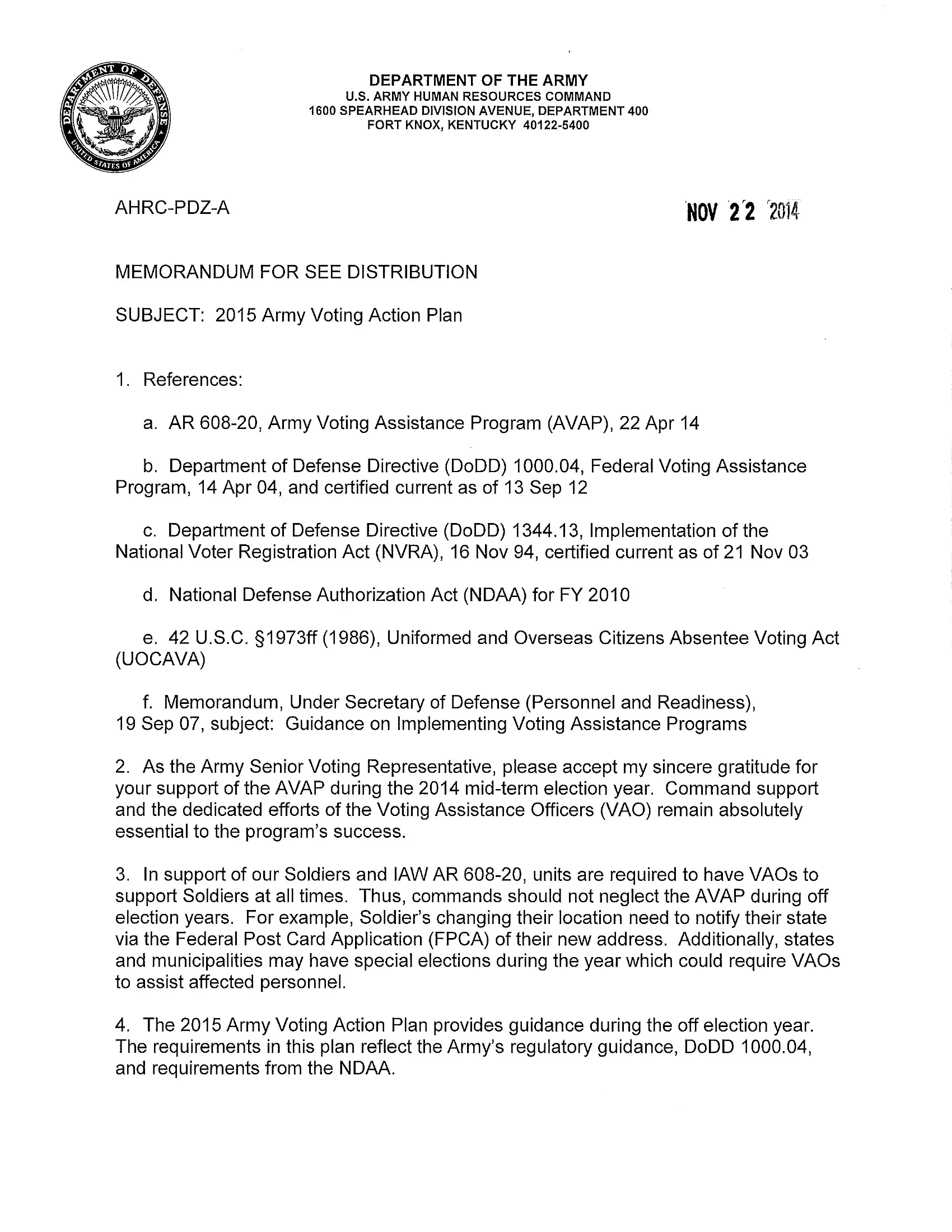
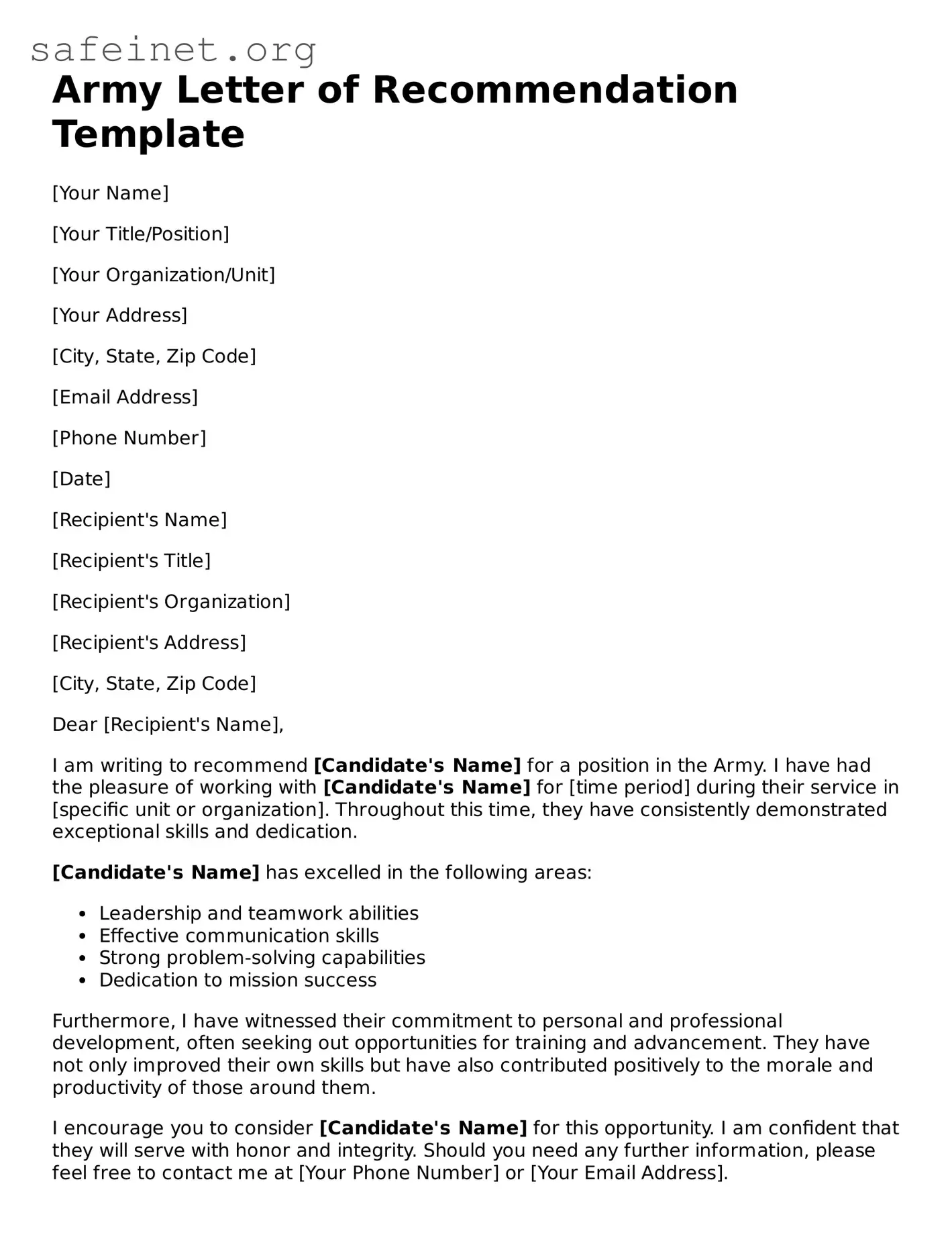
An army acceptance letter is the official notification confirming that an individual has met all enlistment or commissioning requirements and is invited to join the service. Whether it is an appointment to a military academy, an ROTC scholarship award, or an enlistment contract after MEPS, this document outlines your reporting date, assigned specialty, and initial rank.
Receiving an army acceptance letter is a transformative milestone, marking the transition from civilian life to military service. However, the term "acceptance letter" can refer to several different documents depending on whether you are enlisting as a soldier, seeking a commission as an officer, or attending a service academy like West Point. In 2026, the process remains rigorous, requiring a combination of physical fitness, mental aptitude, and moral character.
This guide provides a comprehensive breakdown of the various types of army acceptance notifications, the prerequisites for receiving them, and the specific steps you must take once that document arrives in your hands.
Types of Army Acceptance Notifications
In the United States Army, "acceptance" isn't a one-size-fits-all concept. The document you receive depends entirely on your chosen career path. Each path has distinct criteria and administrative workflows.
1. The Enlistment Contract and Orders
For the vast majority of recruits, the "acceptance letter" is not a formal letter in the traditional sense but rather the finalization of the DD Form 4 (Enlistment/Reenlistment Document) and the subsequent "Orders to Report." After passing all screenings at a Military Entrance Processing Station (MEPS), the recruit signs their contract. This document serves as the legal acceptance into the U.S. Army and specifies the Military Occupational Specialty (MOS), bonuses, and the date the recruit must ship to Basic Combat Training (BCT).
2. Service Academy Offer of Appointment
If you have applied to the United States Military Academy (West Point), you receive a formal "Offer of Appointment." This is a prestigious letter signed by the Director of Admissions. It is highly competitive and requires a nomination, usually from a Member of Congress. In 2026, these letters are typically sent between February and May for the class entering in the summer.
3. ROTC Scholarship Award Letter
High school seniors and college students applying for the Reserve Officers' Training Corps (ROTC) receive a scholarship award letter if selected. This letter confirms that the Army will pay for tuition and fees in exchange for a service commitment. Receiving this letter is contingent upon being accepted by a university that hosts an ROTC program and passing a physical exam.
4. Officer Candidate School (OCS) Selection
For college graduates enlisting with the intent to become officers, acceptance comes in the form of a selection notification from the OCS Board. This letter confirms that the candidate has been "selected" to attend OCS following the completion of Basic Combat Training.
The Path to Receiving Your Acceptance
Getting to the point of "acceptance" requires navigating a multi-stage gauntlet of evaluations. The Army must ensure that every recruit or officer candidate is capable of handling the rigors of service.
The ASVAB Examination
The Armed Services Vocational Aptitude Battery (ASVAB) is the first major hurdle. Your scores on this test determine your eligibility for various jobs (MOS). In 2026, the Army continues to place a high premium on the GT (General Technical) score, which is a composite of word knowledge, paragraph comprehension, and arithmetic reasoning. To receive an acceptance letter for a technical or highly specialized role, your ASVAB scores must meet or exceed the specific thresholds for that MOS.
Military Entrance Processing Station (MEPS)
MEPS is where the "heavy lifting" of the acceptance process occurs. At MEPS, you undergo:
- Medical Screening: A full physical exam, including vision, hearing, blood work, and joint mobility tests.
- Background Check: Verification of your legal history, credit report, and moral standing.
- Job Counseling: This is where you officially choose your MOS based on what is available and what you qualified for via the ASVAB.
Once the MEPS doctors "clear" you and the security investigators verify your background, you move to the "Liaison's Office" to sign your contract. This is the moment your acceptance becomes official.
Security Clearances
For many MOS positions—especially those in intelligence, cyber security, or aviation—an army acceptance letter is often "provisional" until a Secret or Top Secret security clearance is granted. You will fill out the SF-86 (Questionnaire for National Security Positions), and the subsequent investigation will determine if you are fit to handle classified information.
Key Components of an Enlistment Acceptance Document
When you receive your final paperwork or orders, there are several critical pieces of information you must verify. Errors in these documents can lead to significant delays or loss of benefits.
- Military Occupational Specialty (MOS): This is the code for your job (e.g., 11B for Infantry, 68W for Combat Medic). Ensure this matches what you discussed with your recruiter.
- Rank and Pay Grade: If you have college credits or were an Eagle Scout, you may be eligible to enter as an E-2 or E-3. Verify that your "Advanced Rank" is reflected in the contract.
- Ship Date: This is the date you report back to MEPS to head to Basic Training.
- Enlistment Bonus: If you were promised a signing bonus, it must be written in the contract. Oral promises from a recruiter are not legally binding.
- Term of Service: Most initial enlistments are for 3, 4, or 6 years of active duty, followed by a period in the Individual Ready Reserve (IRR).
| Feature | Enlisted Acceptance (MEPS) | Academy Appointment (West Point) | ROTC Scholarship Letter |
|---|---|---|---|
| Primary Requirement | ASVAB & Physical | Nomination & Academic Excellence | College Admission & Fitness |
| Legal Document | DD Form 4 (Contract) | Certificate of Appointment | Scholarship Contract |
| Commitment | Typically 3-6 years | 5 years Active / 3 years Reserve | 4 years Active / 4 years Reserve |
| Final Rank | Private (E-1) to Specialist (E-4) | Second Lieutenant (O-1) | Second Lieutenant (O-1) |
| Notification Method | In-person at MEPS | Formal Letter/Digital Portal | Official Email/Letter |
Service Academy and ROTC Specifics
The acceptance process for officers-to-be is markedly different from the enlisted route. Because these individuals will eventually lead soldiers, the scrutiny is even higher.
West Point Offer of Appointment
Receiving an offer from the United States Military Academy is the culmination of a year-long application process. Once you receive the letter, you generally have until May 1st (National Candidates Reply Date) to accept or decline the offer. The letter will detail your reporting date for "R-Day" (Reception Day), which is the start of Cadet Basic Training.
ROTC Scholarship Selection
If you are selected for a four-year or three-year ROTC scholarship, you will receive a notification through the Army ROTC portal. This letter is a "conditional" acceptance. To make it final, you must:
- Gain admission to the university associated with the scholarship.
- Pass the Army Combat Fitness Test (ACFT).
- Pass a Department of Defense Medical Examination Review Board (DoDMERB) physical.
Timeline and Expectations for 2026
In 2026, the Army has streamlined many of its digital onboarding processes, but the physical and investigative requirements still take time.
- Enlisted Path: From the first meeting with a recruiter to receiving your ship date, the process usually takes 30 to 90 days. If you require medical waivers for past injuries or conditions, this can add 3-6 months to the timeline.
- Officer/Academy Path: This is a much longer cycle. Applications usually open in the spring of your junior year of high school, with acceptance letters arriving in the spring of your senior year—a 12-month process.
Delayed Entry Program (DEP)
After receiving your "acceptance" (signing your contract), you will likely enter the Delayed Entry Program. You are technically in the Army (Inactive Reserve) but have not yet shipped to training. During this time, you will meet with your recruiter regularly to prepare for the physical demands of Basic Training.
Common Challenges and Troubleshooting
Not every path to an army acceptance letter is smooth. There are several common "roadblocks" that can stall the process.
Medical Waivers
The most common reason for a delay in receiving an acceptance letter is a medical disqualification. If MEPS finds an issue (such as past asthma, ADHD medication use, or surgical history), they will "DQ" you. You must then submit a waiver request. In 2026, the Army has become more flexible with certain waivers, but the administrative process still requires patience and documentation from civilian doctors.
Moral Disqualifications
Legal issues, including "open" court cases or a history of drug use, can prevent an acceptance letter from being issued. You cannot enlist while you have an active court date or are on probation. Once those issues are resolved, you may still need a moral waiver depending on the severity of the offense.
MOS Availability
Sometimes, a recruit is "accepted" medically and mentally, but the specific job they want (like 17C Cyber Operations) has no available training slots. In this case, you may have to wait weeks or months for a slot to open before you can sign your final acceptance contract.
Verification and Next Actions
Once you have your letter or signed contract in hand, your journey is just beginning. It is vital to treat this document as a high-value asset.
- Read Every Line: Before leaving MEPS or clicking "Accept" in a portal, ensure every detail—from your name spelling to your bonus amount—is 100% accurate.
- Physical Preparation: The Army Combat Fitness Test (ACFT) is the standard. Use the time between your acceptance and your ship date to build core strength and endurance.
- Financial Readiness: If you are enlisting, set up a bank account for direct deposit. The Army will require your routing and account numbers to pay you.
- Notify Your Employer: If you are currently working, the Uniformed Services Employment and Reemployment Rights Act (USERRA) protects your job, but you must provide your employer with a copy of your orders or acceptance once your ship date is confirmed.
Frequently Asked Questions
Can an army acceptance letter be rescinded?
Yes. An acceptance is conditional upon you maintaining the standards that got you accepted. If you are arrested, fail a drug test, or suffer a significant injury before your ship date (or R-Day for academies), the Army can and will rescind the offer.
What is the difference between a "Letter of Intent" and an acceptance letter?
In the context of the Army, a "Letter of Intent" is often used in sports recruiting for academy teams. It signifies a commitment to play, but it is not a legal enlistment or an official appointment. The formal "Offer of Appointment" or the signed enlistment contract is the only document that legally binds the two parties.
How long do I have to decide after receiving an ROTC scholarship letter?
Typically, you have about 30 days to accept the scholarship online. However, the exact deadline will be stated in your award letter. Failure to respond by the deadline may result in the scholarship being offered to an alternate candidate.
What if I lose my army acceptance letter or orders?
If you lose your physical orders, contact your recruiter or your ROTC detachment immediately. They can print a certified copy from the Army's digital human resources system (IPPS-A). You cannot board the bus or plane to Basic Training without your physical orders.
Does the army acceptance letter guarantee a specific duty station?
Generally, no. For most new recruits, the letter/contract guarantees a job (MOS) and training, but "the needs of the Army" dictate where you will be stationed after training. Some enlistment options (like Option 19) may allow you to choose your first duty station, but this must be explicitly written in your contract.
Final Recommendation
If you have received your army acceptance letter or are in the final stages of MEPS, your primary focus should now shift to preparation. The paperwork phase is an administrative hurdle, but the physical and mental challenges of training are what define your success in the military. Ensure all your civilian affairs—leases, bills, and employment—are settled according to your ship date, and maintain a rigorous fitness schedule to ensure you arrive at training ready to excel.