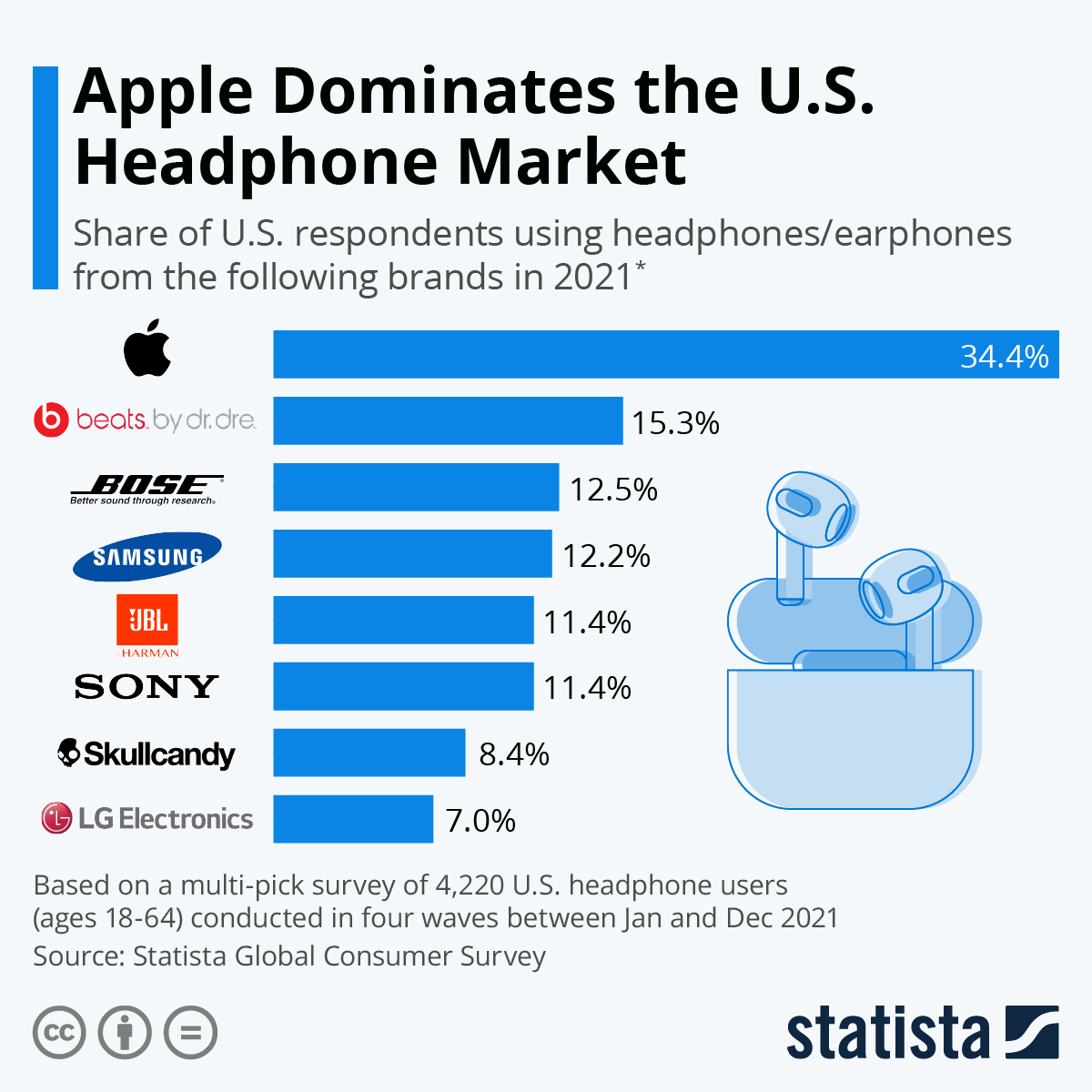
Apple leads the global technology and personal computing market through its tightly integrated vertical hardware-software stack, proprietary Apple Silicon, high-margin services ecosystem, and unprecedented brand equity. By prioritizing long-term customer lifetime value over raw unit volume, Apple commands dominant profit margins while maintaining an interconnected device ecosystem that retains users across hardware generations.
The Core Pillars of Apple’s Market Leadership
Apple’s position at the pinnacle of the technology sector is not an accident of market timing; it is the result of a deliberate, multi-decade architectural and strategic model. While traditional personal computer manufacturers historically relied on modular supply chains—pairing third-party microprocessors with licensed operating systems—Apple built a closed, vertically integrated enterprise. This architecture gives Apple total control over user experience, hardware performance, and monetization across the entire product lifecycle.
| Layer | Components |
|---|---|
| SERVICES | App Store, iCloud, Apple Pay, AppleCare, TV+ |
| SOFTWARE OS | macOS, iOS, iPadOS, watchOS, visionOS |
| SILICON & ARCH | M-Series & A-Series Chips, Unified Memory |
| HARDWARE PLATFORM | Mac, iPhone, iPad, Apple Watch, Vision Pro |
Vertical Integration and Custom Silicon
The defining turning point in modern personal computing performance occurred with Apple’s transition away from third-party x86 processors toward custom ARM-based Apple Silicon. By designing its own system-on-chip (SoC) microarchitecture—exemplified by the M-series processors for Mac and A-series chips for iPhone—Apple eliminated reliance on external silicon roadmaps.
This custom silicon strategy yields significant advantages:
- Unified Memory Architecture (UMA): By placing high-bandwidth memory directly onto the SoC package, Apple Silicon allows the Central Processing Unit (CPU), Graphics Processing Unit (GPU), and Neural Engine to access the same data pool instantly. This eliminates the latency and energy tax of shuttling data across traditional bus architectures.
- Performance Per Watt Efficiency: Apple Silicon delivers enterprise-grade processing capability while operating at a fraction of the thermal and power envelope required by legacy x86 architectures. This enables silent operational profiles, extended battery life, and thinner device enclosures without thermal throttling.
- Co-Designed Hardware and Software APIs: Apple’s chip design teams work directly alongside macOS and iOS software engineers. Hardware accelerators for video encoding (Media Engine), cryptographic operations, and machine learning models (Neural Engine) are directly exposed to native software frameworks such as Metal and Core ML, maximizing real-world computing throughput.
The Unified Ecosystem and Customer Lock-In
Apple does not view its personal computers, tablets, smartphones, and wearables as isolated product lines. Instead, every hardware platform acts as a node within a unified digital environment. Features like Continuity, AirDrop, Universal Control, Handoff, and Shared Clipboard transform individual hardware purchases into an interdependent network.
When a user adopts a Mac alongside an iPhone and iPad, the marginal utility of each additional Apple device increases while the friction of switching to a competing platform grows exponentially. Data synchronization via iCloud, seamless audio switching with AirPods, and cross-platform messaging create high switching costs. As a result, Apple achieves customer retention rates consistently exceeding 90% in key developed markets, creating a predictable recurring customer base that dampens macro-economic downturns.
Financial Architecture: Margin Superiority and High-Yield Services
The conventional personal computer market is characterized by high volume, low margins, and aggressive price competition among original equipment manufacturers (OEMs). Competitors operating within the Windows ecosystem frequently compete on a cost-plus commodity basis, driving gross hardware margins into single or low double digits. Apple operates under an entirely different economic paradigm.
- Premium Hardware Sales (High Gross Margin)
- High Installed Base (Over 2 Billion Active Devices)
- High-Margin Digital Services Revenue
- Hardware Refresh & Ecosystem Expansion
Premium Pricing Power vs. Volume Commodity Models
Apple consistently captures the vast majority of global personal computing and smartphone industry profits despite holding a smaller overall unit market share than the combined ecosystem of Android or Windows devices. By positioning its Mac and iOS hardware in the premium price tiers, Apple preserves consolidated gross margins typically between 40% and 45%.
This pricing power stems from structural product differentiation:
- Proprietary Operating Systems: Because macOS and iOS cannot be legally licensed for third-party commercial hardware, consumers seeking Apple’s user interface and security architecture must purchase Apple hardware.
- Long-Term Value Retention: Apple hardware depreciates significantly slower than competing personal computers. Strong secondary market trade-in values lower the net cost of ownership for buyers upgrading on multi-year cycles, effectively subsidizing the initial purchase price of new devices.
- Industrial Design and Build Quality: Capital investments in unibody aluminum manufacturing, specialized tooling, and custom glass formulations establish a physical tactile difference that reinforces consumer perceptions of premium value.
The High-Margin Services Engine
Over the past decade, Apple strategically transformed its massive active device footprint—exceeding 2 billion active devices worldwide—into a platform for recurring, high-margin digital services. The Services division encompasses the App Store, iCloud storage, Apple Music, Apple Pay, AppleCare, Apple TV+, and licensing agreements.
Unlike hardware sales, which require ongoing bill-of-materials (BOM), shipping, and assembly expenses, digital services scale with near-zero marginal distribution costs. Consequently, Apple’s Services division yields gross margins often exceeding 70%. This recurring revenue stream cushions the corporate balance sheet against seasonal hardware refresh cycles and provides steady cash flows to fund research and development (R&D) and capital allocation programs, including massive share repurchases and dividends.
Supply Chain Strategy and Scale Leverage
Apple's market leadership relies heavily on its operational efficiency and supply chain management. Originally masterminded by CEO Tim Cook, Apple’s global logistics network represents one of the most sophisticated supply chain architectures in industrial history.
Strategic Capital Expenditure and Advanced Procurement
Apple leverages its vast balance sheet cash reserves to secure exclusive manufacturing capacity and component pricing years in advance. Rather than simply purchasing off-the-shelf components, Apple often funds the capital expenditure (CapEx) for its suppliers' advanced machinery, securing exclusive access to leading-edge manufacturing nodes.
For example, when semiconductor foundries like TSMC transition to advanced nanometer fabrication nodes (such as 3nm and beyond), Apple frequently books the majority of early production runs. This operational leverage prevents competitors from accessing state-of-the-art silicon technology for up to a year, preserving Apple's hardware performance lead.
Inventory Turns and Logistics Execution
In classic retail and tech manufacturing, carrying inventory introduces risk, storage costs, and depreciation. Apple operates with hyper-efficient inventory turn rates, minimizing warehouse storage by matching factory output directly with demand forecasting engines. By maintaining tight inventory control, Apple avoids the margin-killing inventory write-downs that periodically affect traditional PC manufacturers during market supply gluts.
Comparative Matrix: Apple vs. Competitors
To understand why Apple leads the computing industry in total profitability and enterprise value, it is essential to compare its structural business model against legacy personal computer OEMs and modular software ecosystems.
| Strategic Metric | Apple (Mac & iOS Ecosystem) | Windows / PC OEM Ecosystem | Android / Google Ecosystem |
|---|---|---|---|
| Primary Revenue Driver | High-margin hardware + recurring digital services | OS licensing + low-margin enterprise hardware | Digital advertising + cloud service integrations |
| Silicon Architecture | In-house custom ARM-based (M-Series, A-Series) | Third-party x86/ARM (Intel, AMD, Qualcomm) | Third-party mobile silicon (Qualcomm, MediaTek, Tensor) |
| Software Ownership | Proprietary end-to-end (macOS, iOS, iPadOS) | Licensed OS (Microsoft Windows) on 3rd-party hardware | Open-source core (Android) with proprietary Google Play layer |
| Consolidated Hardware Gross Margin | Premium (~40% to 45% total corporate) | Low to moderate (~10% to 22% OEM average) | Varied across OEMs (Generally low outside luxury tiers) |
| System Interoperability | Native hardware-level cross-device Continuity | Variable; dependent on third-party software drivers | Dependent on vendor-specific cloud layers |
| Device Lifespan & Update Support | Extended (typically 5 to 7+ years of OS updates) | Variable by OEM hardware configurations | Variable by manufacturer (3 to 7 years depending on tier) |
| Target Market Segment | Mid-to-high premium consumer & enterprise | Broad spectrum (Budget entry-level to enterprise) | Broad spectrum (Budget low-end to premium flagships) |
Regulatory Pressures and Strategic Vulnerabilities
Despite its dominant market position, Apple faces significant structural challenges and evolving external risks that threaten aspects of its business model.
Global Regulatory Scrutiny and Antitrust Mandates
Regulatory agencies in North America, Europe, and Asia have increased antitrust scrutiny on Apple’s ecosystem practices. Regulatory pressures focus primarily on the App Store ecosystem and hardware restrictions:
- European Union Digital Markets Act (DMA): Legislation in the European Union mandates structural changes to walled-garden ecosystems. Apple has been forced to permit third-party app stores, alternative payment processing engines, and expanded browser engine capabilities within EU member states. These requirements challenge traditional App Store commission models (historically 15% to 30%).
- United States Department of Justice (DOJ) Litigation: Antitrust lawsuits allege that Apple maintains an illegal monopoly in smartphone markets through restrictive developer guidelines, messaging interoperability barriers, and limitations on third-party access to hardware APIs (such as Near Field Communication chips and smartwatch connectivity).
- Interoperability and Standard Mandates: Regulatory enforcement has also accelerated hardware changes, such as the mandatory adoption of standardized USB-C connectivity across devices, removing proprietary ports like Lightning.
Supply Chain Diversification and Geopolitical Exposure
For decades, Apple relied on centralized manufacturing hubs in China for hardware assembly. Geopolitical tensions, trade tariffs, and localized production disruptions highlighted the vulnerabilities of geographical concentration.
Apple is actively executing a massive supply chain diversification strategy:
- Manufacturing Expansion in India: A rapidly increasing proportion of global iPhone assembly has shifted to facilities in India, driven by local production incentives and risk mitigation goals.
- Southeast Asian Hub Growth: Mac, iPad, AirPods, and Apple Watch production has steadily expanded into Vietnam, Thailand, and Malaysia to establish redundant supply lines.
- Domestic and Regional Semiconductor Fabrication: Apple has committed to purchasing advanced silicon from domestic foundry facilities built in the United States and Europe, reducing sole-source dependencies on overseas chip packaging hubs.
| Primary Assembly Hub | Global Share (Historical) -> Target |
|---|---|
| China | ~90% -> ~60-65% |
| India (iPhones) | ~5-10% -> ~25-30% |
| Vietnam / SE Asia | ~5% -> ~15-20% |
Future Outlook: Artificial Intelligence, Spatial Computing, and On-Device Intelligence
As personal computing shifts toward artificial intelligence, spatial computing, and ambient interfaces, Apple is leveraging its custom silicon architecture to defend its lead.
On-Device Artificial Intelligence and Privacy Architecture
While competitors heavily prioritize cloud-bound generative AI models that rely on external server farms, Apple’s hardware architecture enables high-performance on-device processing. By building dedicated Neural Engines directly into every M-series and A-series processor, Apple processes complex machine learning tasks locally on the user's local hardware.
This architecture offers key strategic advantages:
- Enhanced Privacy Protections: Processing contextual data locally reduces the need to transmit sensitive personal information to third-party cloud servers.
- Low-Latency Execution: Local machine learning tasks run directly on unified memory, avoiding network latency and permitting offline functionality.
- Private Cloud Compute: For complex computational tasks exceeding local chip capacity, Apple uses custom silicon servers designed specifically for end-to-end encrypted remote processing, extending its hardware platform into cloud infrastructure.
Spatial Computing and New Interface Paradigms
With the introduction of spatial computing platforms like Vision Pro and visionOS, Apple is establishing a long-term hedge against potential smartphone saturation. By integrating high-resolution micro-OLED displays, custom R1 real-time sensor processing chips, and advanced eye/hand tracking interfaces, Apple aims to define the next major human-computer interface paradigm.
While spatial computing remains an emerging market segment with high production costs, Apple’s long-term CapEx reserves allow it to refine hardware, expand developer toolkits, and iterate on ergonomic design over extended multi-year release cycles.
Key Lessons for Business Leaders and Technology Executives
Apple's continuous dominance offers clear strategic insights for corporate leadership, enterprise IT planners, and industry analysts:
- Control Key Strategic Infrastructure: Relying entirely on commodity third-party hardware or software limits product differentiation and compresses margins. Controlling core technology—such as Apple's custom silicon development—creates long-term market insulation.
- Optimize for Customer Lifetime Value: Maximizing short-term unit shipments through deep discounting can degrade brand capital and squeeze operating margins. Building reliable, durable, and highly integrated products commands higher average selling prices (ASPs) and drives long-term customer retention.
- Diversify Revenue via Platform Services: Hardware sales create installed bases; platforms create recurring revenue. Establishing high-margin digital services atop a reliable hardware base stabilizes cash flows against economic fluctuations.
- Invest Preemptively in Supply Chains: Using financial resources to secure advanced component capacity and manufacturing equipment creates hardware performance barriers that competitors cannot easily bypass through software alone.
Frequently Asked Questions
Why is Apple considered the world's biggest computer company despite lower unit sales than some PC OEMs?
Apple is evaluated by total revenue, market capitalization, and net profit generation rather than raw unit volume. While competing PC manufacturers may ship higher total volumes of entry-level personal computers, Apple commands the premium market segment. This strategy yields high average selling prices and superior profit margins, allowing Apple to consistently generate more revenue and profit from computing hardware than any competitor.
How does Apple Silicon contribute to Apple's market dominance?
Apple Silicon provides a performance-per-watt advantage and deep software-hardware integration. By designing its own microarchitecture (M-series and A-series chips) featuring Unified Memory Architecture and built-in Neural Engines, Apple delivers fast performance, silent operation, and long battery life without relying on external chip vendor timelines.
How do Apple Services help protect the company against market downturns?
Services like iCloud, the App Store, Apple Pay, and AppleCare generate predictable, recurring revenue with gross margins exceeding 70%. When consumer hardware upgrade cycles slow down during economic contraction, high-margin services revenue continues to flow from the active installed base of over 2 billion devices, stabilizing cash flow.
What impacts do global antitrust regulations have on Apple's business model?
Regulatory mandates, such as the European Union’s Digital Markets Act and antitrust actions by the US Department of Justice, force Apple to modify its walled-garden ecosystem. These regulatory actions require Apple to support third-party app distribution, open payment engines, and standardize hardware connectors (like USB-C), which may create long-term margin pressure on App Store commission structures.
Why do Apple Mac computers retain higher resale value than Windows PCs?
Apple computers maintain higher secondary market value due to sustained software update cycles (often 5 to 7+ years), durable industrial designs (unibody aluminum construction), and strong worldwide consumer demand for secondhand Apple devices. Higher resale values effectively lower the overall total cost of ownership for buyers upgrading on regular schedules.
Strategic Summary and Actionable Takeaways
Apple's dominance in the global computing market is sustained by its integrated stack—custom microarchitecture, proprietary operating systems, a tightly linked device ecosystem, and high-margin services revenue. For enterprise decision-makers and technology strategists evaluating ecosystem choices:
- For Enterprise IT Teams: Evaluate Apple hardware using a Total Cost of Ownership (TCO) framework rather than initial capital purchase price. High resale value, extended software support lifecycles, and low administrative overhead associated with Apple Silicon often offset higher upfront hardware investments.
- For Software Developers & Platform Builders: Focus on cross-platform frameworks using Apple APIs (such as Metal, Core ML, and Swift) to leverage custom silicon hardware capabilities, while accounting for regional distribution adjustments brought on by global regulatory changes like the EU DMA.
- For Corporate Decision-Makers: Understand that ecosystem retention is built on seamless user experiences and continuous platform value. Companies seeking to build long-term platform value should prioritize deep integration across their product and service touchpoints.