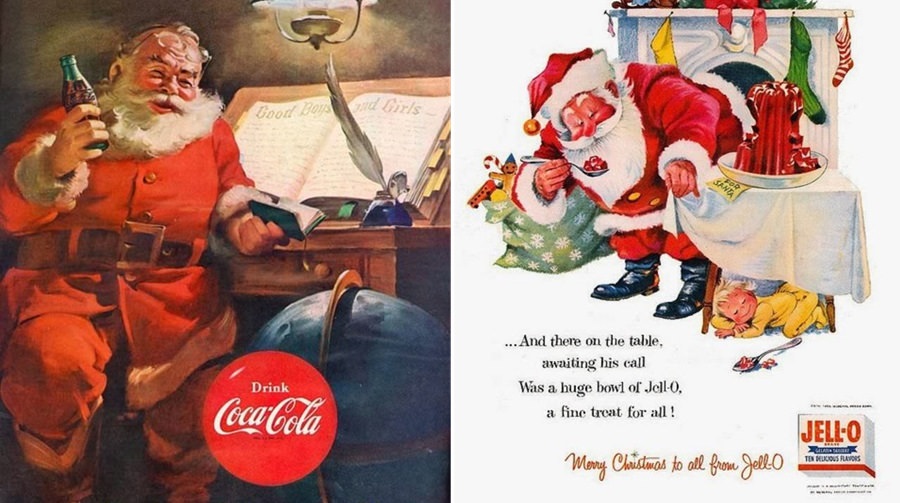
After Christmas ads are marketing campaigns deployed immediately following December 25th to capitalize on holiday gift card redemptions, seasonal inventory liquidation, and the shift toward New Year’s resolutions. By pivoting messaging from "giving" to "self-reward" and "starting fresh," brands can maintain sales momentum and clear warehouse space for spring arrivals.
Understanding the "Q5" Advertising Window
In the professional advertising landscape of 2026, the period between December 26th and mid-January is frequently referred to as Q5. While many marketers exhaust their budgets during the traditional Q4 peak (Black Friday through Christmas Eve), savvy retailers recognize Q5 as a high-opportunity window characterized by lower Cost Per Mille (CPM) and a consumer base that remains highly active.
The psychological state of the consumer shifts dramatically on the morning of December 26th. The pressure of finding the "perfect gift" for others evaporates, replaced by a desire for self-indulgence, organizational improvement, or financial prudence through bargain hunting. After Christmas ads serve as the bridge between the holiday frenzy and the focused start of the new year. For brands, this is the optimal time to engage users who are browsing on new devices received as gifts, looking to spend their digital balances, or seeking solutions for their upcoming resolutions.
The Psychology of the Post-Holiday Consumer
To craft effective after Christmas ads, one must understand the three primary drivers of consumer behavior during this transition:
1. The Gift Card Economy
Billions of dollars are loaded onto physical and digital gift cards during the holiday season. Consumers view these cards as "found money," which significantly lowers their price sensitivity. Advertising during this window should focus on "Treating Yourself" or "Upgrading Your Gift." A customer with a $50 gift card is statistically more likely to purchase an item priced at $75 or $100, effectively increasing the Average Order Value (AOV) for the retailer.
2. The "New Year, New You" Pivot
As the calendar approaches January 1st, consumer intent shifts toward self-improvement. This isn't limited to fitness and health; it encompasses home organization, financial planning, career development, and mental wellness. Advertisements that transition from festive themes to clean, minimalist aesthetics and goal-oriented copy resonate deeply during the final week of December.
3. Inventory Urgency and Clearance
Post-holiday shoppers are conditioned to expect the year's deepest discounts. The "After Christmas Sale" is a cultural staple where consumers hunt for high-value items—particularly electronics, winter apparel, and seasonal home goods—at liquidation prices. Ads emphasizing "Final Clearance" or "Warehouse Closeout" leverage FOMO (Fear of Missing Out) to drive rapid conversions.
Key Campaign Strategies for After Christmas Ads
Successfully navigating the Q5 window requires a diversified approach to campaign structure. Rather than a single "Sale" ad, brands should segment their efforts into several distinct categories.
Inventory Liquidation and Clearance
The primary objective here is to move "dead" stock to avoid storage fees and make room for Q1 collections. High-impact visuals showing the original price versus the clearance price are essential.
- Targeting: Broad audiences and previous "window shoppers" who viewed products but didn't buy during the holiday rush.
- Messaging: "Up to 70% Off," "Final Reductions," and "Everything Must Go."
Gift Card Redemption Campaigns
These ads should specifically target individuals who likely received a gift card or those in the "self-gifting" mindset.
- Targeting: High-intent shoppers and current loyalty program members.
- Messaging: "Got a Gift Card? Here’s What’s New," "The Gift You Actually Wanted," and "Make Your Gift Card Go Further."
The Resolution Launch
Typically starting around December 27th, these ads prepare the consumer for the "New Year" mindset.
- Targeting: Interest-based segments (e.g., fitness enthusiasts, home office organizers, productivity seekers).
- Messaging: "Start 2026 Strong," "Organize Your Space," and "New Tools for a New You."
Strategic Platform Utilization in 2026
In 2026, the digital advertising ecosystem has evolved to prioritize automated creative and privacy-centric data. Your after Christmas ads must be tailored to the specific strengths of each platform.
Social Commerce (TikTok, Instagram, and Pinterest)
Short-form video remains the dominant medium for after Christmas ads. "Unboxing" videos or "Haul" videos featuring clearance finds perform exceptionally well. Use Dynamic Product Ads (DPAs) to show users products they interacted with in mid-December but at the new, lower post-Christmas price. This retargeting strategy often yields the highest Return on Ad Spend (ROAS) of the entire year.
Search Engine Marketing (Google Ads and Bing)
During Q5, search volume for "Clearance sales," "Best post-holiday deals," and "New Year resolutions" spikes.
- Performance Max (PMax): Utilize PMax campaigns to automatically shift budget toward the highest-converting channels (Search, YouTube, Display) as consumer behavior fluctuates between Christmas and New Year's Day.
- Negative Keywords: Ensure you add "Christmas delivery" or "Holiday shipping" to your negative keyword lists to avoid wasting spend on outdated search queries.
Email and SMS Remarketing
Do not overlook your owned channels. After the "noise" of Black Friday and December marketing, many consumers have "inbox fatigue." To cut through, your post-Christmas emails should be direct and value-heavy. Consider a "Mystery Offer" or a "Tiered Discount" (e.g., Save more as you spend more) to re-engage your subscriber base.
Technical Execution: Optimization and Bidding
While CPMs may be lower in Q5, competition for the "Resolution" audience can be fierce. Technical precision in your ad account is vital.
1. Refreshing Creative Assets
One of the biggest mistakes brands make is running Christmas-themed creative after December 25th. This makes the brand look stagnant and out of touch. Transition all visuals to a cleaner, brighter, or more "winter-neutral" palette. Remove Santas, reindeer, and Christmas trees, replacing them with imagery of people using the products in everyday settings or planning for the future.
2. Adjusting Bidding Strategies
Since the intent behind a click changes post-Christmas, your bidding strategies must adapt. If your goal is clearance, use Target CPA (Cost Per Acquisition) bidding to ensure you aren't overspending to move low-margin items. If you are focusing on high-ticket resolution items (like fitness equipment), you might shift toward Target ROAS to maximize the value of each conversion.
3. Leveraging First-Party Data
In the 2026 advertising environment, third-party cookies are largely obsolete. Use your CRM data to build Lookalike Audiences based on customers who purchased during previous Q5 periods. This predictive modeling allows you to find "bargain hunters" who are specifically prone to post-holiday shopping patterns.
Comparison of Post-Holiday Ad Strategies
| Strategy Type | Best For | Messaging Focus | Recommended Platform |
|---|---|---|---|
| Deep Clearance | Apparel, Seasonal Decor | "Everything Must Go" / 50-70% Off | Meta (FB/IG) & Email |
| Gift Card Push | Electronics, Luxury Goods | "Spend Your Gift Card Here" | Google Shopping |
| Resolution/New Year | Fitness, SaaS, Education | "Start Fresh" / "A Better You" | TikTok & YouTube |
| Loyalty Reward | Repeat Customers | "Exclusive Early Access to Sales" | SMS & App Notifications |
| Retargeting | Cart Abandoners | "Your Favorites are Now on Sale" | Programmatic Display |
Potential Pitfalls and How to Avoid Them
Even with a robust strategy, several factors can undermine the effectiveness of after Christmas ads.
- Shipping Lag and "Delivery Hangover": Consumers are often exhausted by shipping delays encountered in December. If your logistics are back to normal, highlight "Fast Shipping" or "Ready to Ship" in your ads. If you offer BOPIS (Buy Online, Pick Up In-Store), emphasize this to capture the "want it now" audience.
- Inadequate Budget Allocation: Many brands "go dark" after December 24th to save money for Q1. This leaves a vacuum that competitors can fill at a lower cost. Maintaining even a modest budget during the Q5 window can lead to surprisingly high conversion rates because of the reduced competition.
- Generic Messaging: In 2026, personalization is expected. Using generic "Happy Holidays" messaging on December 28th feels automated and lazy. Ensure your copy acknowledges the specific transition into the New Year.
Measuring Success in the Q5 Window
The metrics for after Christmas ads may differ from your peak holiday KPIs. While ROAS remains important, you should also look at:
- Sell-Through Rate: How effectively did the ads clear out old inventory?
- New Customer Acquisition Cost (CAC): Since CPMs are lower, can you acquire new customers more cheaply than in November?
- Gift Card Redemption Rate: Track how many sales are attributed to gift card balances vs. traditional payment methods.
- App Installs: For brands with mobile apps, Q5 is a prime time for installs as people set up new devices.
Frequently Asked Questions
When exactly should after Christmas ads start?
Most successful campaigns launch on the evening of December 25th or the morning of December 26th. In regions that celebrate Boxing Day, the launch is universally the morning of the 26th. Digital ads should be scheduled in advance to ensure they go live the moment the Christmas Day "giving" cycle concludes.
How much should I discount for a post-holiday clearance?
To be competitive in the "After Christmas" space, discounts typically start at 30% and often reach 50% to 70% for seasonal items. If your goal is simply to clear warehouse space, deeper discounts are necessary. If you are selling "New Year" resolution products, a smaller "Introductory Offer" (e.g., 15-20% off or a free trial) is often sufficient.
Are after Christmas ads effective for B2B companies?
Yes, but the approach is different. B2B companies should focus on "End of Year Budget" spending or "Setting Up for a Productive 2026." Business owners are often looking for tax-deductible investments or software that will streamline their operations in the coming year.
Should I change my ad creative for the week between Christmas and New Year's?
Absolutely. This is a distinct "micro-season." The festive red and green of Christmas should be swapped for "Fresh Start" aesthetics—think whites, blues, and bright, optimistic lighting. The copy should move from "Surprise Them" to "You Deserve This."
Is it worth running ads for gift card redemptions if the margin is low?
Yes, because gift card users often spend 20-40% more than the value of the card. Furthermore, these shoppers are an excellent source of first-party data. Acquiring them now allows you to market to them throughout 2026, increasing their Customer Lifetime Value (CLV).
Moving Forward: Next Actions
To successfully implement an after Christmas ad strategy for 2026, begin by auditing your current inventory levels by mid-December. Identify which SKUs must be liquidated and which products align with "New Year" aspirations. Prepare two sets of creative: one focused on "Boxing Week/Clearance" and another focused on "Resolution/Fresh Start."
By December 20th, your tracking pixels and retargeting segments should be finalized to capture the massive influx of traffic occurring on Christmas Day. Monitor your CPMs closely starting December 26th; if they drop as expected, be prepared to scale your winning "Self-Gift" or "Resolution" ads rapidly to maximize your share of the Q5 market.