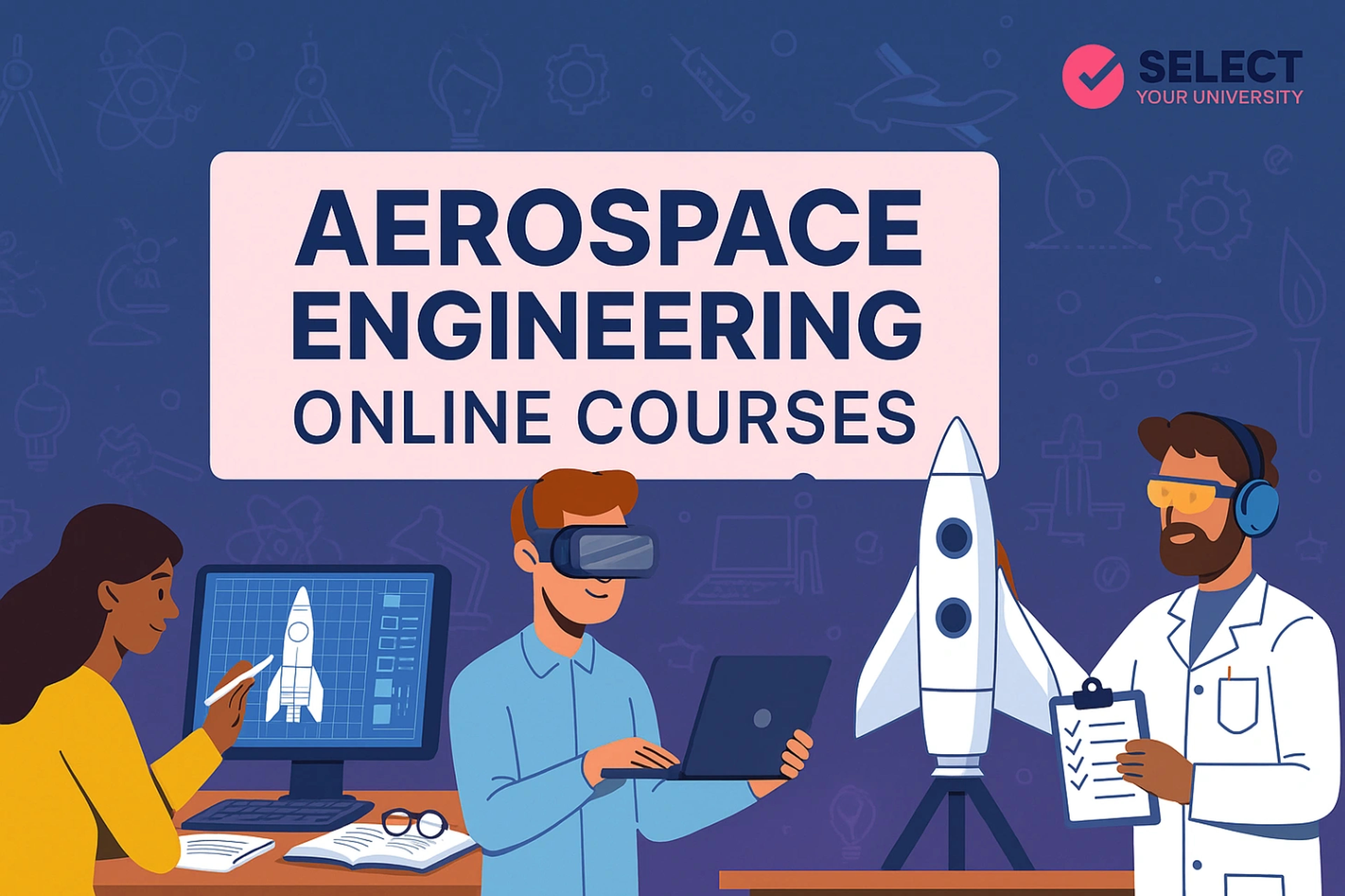
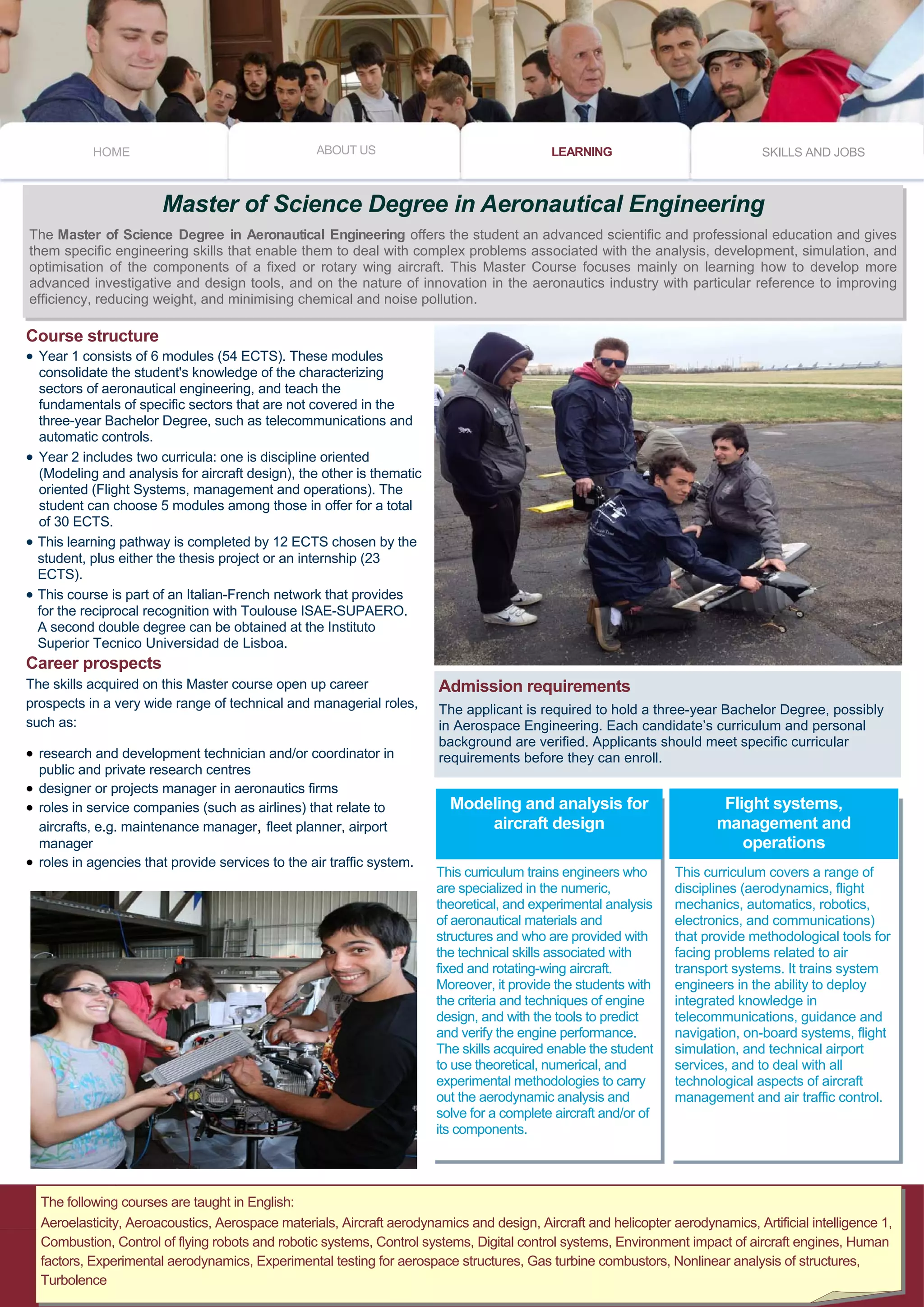
Navigating aerospace engineering prerequisites requires a strong foundation in advanced mathematics, classical physics, and core computational skills, typically acquired through rigorous secondary education and specialized introductory university courses. Success in this discipline depends on mastering calculus, Newtonian mechanics, and programming fundamentals before tackling advanced topics like aerodynamics and orbital mechanics.
Entering the field of aerospace engineering demands careful academic preparation and a clear understanding of what foundational competencies are necessary for long-term success. Whether you are a high school student planning your undergraduate path or a professional transitioning into the aerospace sector, knowing the exact prerequisites helps streamline your educational journey. This guide details the academic requirements, fundamental skill sets, core subjects, and structural milestones required to excel in aerospace engineering.
Understanding the Scope of Aerospace Engineering
Aerospace engineering is a specialized branch of engineering that focuses on the design, development, testing, and production of aircraft, spacecraft, satellites, and missile systems. It is broadly split into two primary, overlapping disciplines: aeronautical engineering, which deals with vehicles operating within Earth's atmosphere, and astronautical engineering, which focuses on spacecraft operating outside the atmosphere.
Because these systems operate in extreme physical environments—experiencing high Mach numbers, severe thermal loads, near-vacuum conditions, and immense gravitational forces—the margin for error is exceptionally narrow. Consequently, educational programs and industry standards enforce strict prerequisites. Engineers must possess an unshakeable grasp of fundamental physical laws and mathematical modeling to predict how a vehicle will behave under transient and steady-state conditions.
Academic Prerequisites for Undergraduate Study
To gain admission into a reputable undergraduate aerospace engineering program, students must meet rigorous academic prerequisites. Admissions committees and university engineering departments look for specific coursework and performance metrics that indicate a high aptitude for quantitative problem-solving.
Secondary Education Core Requirements
High school preparation forms the bedrock of an engineering education. Without the right foundational courses, students face significant remediation hurdles once enrolled.
- Mathematics: Four years of rigorous high school mathematics are mandatory. This must include algebra, geometry, trigonometry, and pre-calculus. Ideally, students complete Advanced Placement (AP) Calculus AB or BC (or International Baccalaureate equivalent) before graduation.
- Sciences: Comprehensive coursework in chemistry and physics is non-negotiable. Physics, in particular, should include mechanics and electricity and magnetism. AP Physics C is strongly recommended where available.
- English and Communication: Engineering is a collaborative profession. Clear technical writing and verbal communication prerequisites ensure students can draft functional specifications, technical reports, and research papers.
Standardized Testing and GPA Benchmarks
Many institutions utilize standardized tests (such as the SAT or ACT) and cumulative grade point averages (GPAs) to gauge preparedness. Competitive aerospace engineering programs typically look for:
- High percentiles in the math sections of standardized tests.
- A cumulative GPA well above the institutional average, with an emphasis on grades earned in science, technology, engineering, and mathematics (STEM) classes.
- Demonstrated extracurricular involvement, such as participation in robotics clubs, rocketry teams, or science Olympiads, which signals a genuine passion for the field.
Core Technical Prerequisites (University Level)
Once enrolled in an aerospace engineering curriculum, students encounter a strict sequence of gateway courses. You cannot progress to advanced propulsion or flight dynamics without clearing these lower-division prerequisites.
1. Mathematics Sequence
Mathematics is the language of aerospace engineering. The standard undergraduate prerequisite sequence includes:
- Single-Variable and Multivariable Calculus: Essential for understanding rates of change, optimization, vector fields, line integrals, and Stokes' theorem, which are used extensively in fluid dynamics.
- Differential Equations: Crucial for modeling dynamic systems, vibrations, control systems, and transient heat transfer.
- Linear Algebra: Necessary for structural analysis, finite element methods, coordinate transformations in flight dynamics, and solving large systems of linear equations.
2. Physics and Mechanics Sequence
Classical mechanics provides the physical rules governing aircraft and spacecraft.
- Mechanics of Materials (Statics and Dynamics): Understanding forces on stationary structures and bodies in motion is vital for structural design. Students must calculate shear forces, bending moments, and stress concentrations.
- University Physics (Calculus-Based): Comprehensive study of Newtonian mechanics, thermodynamics, electromagnetism, and wave motion.
3. Introductory Computational Skills
Modern engineering relies heavily on simulation and data analysis. Prerequisites in this domain include:
- Programming Fundamentals: Proficiency in languages such as MATLAB, Python, or C++. These tools are used for numerical analysis, simulation, and data processing.
- Computer-Aided Design (CAD): Basic familiarity with software packages like SolidWorks, CATIA, or Creo for modeling components and assemblies.
Overview of Lower-Division vs. Upper-Division Course Requirements
| Educational Tier | Primary Focus Areas | Key Prerequisite Milestones |
|---|---|---|
| Lower-Division (Years 1–2) | Foundational math, general chemistry, calculus-based physics, introductory programming, statics. | Completion of Calculus I–III, Ordinary Differential Equations, and passing baseline GPA screening. |
| Upper-Division (Years 3–4) | Aerodynamics, propulsion, flight dynamics, structural analysis, spacecraft design, capstone project. | Successful completion of all lower-division engineering mechanics and mathematics prerequisites. |
Specialized Sub-Disciplines and Their Unique Prerequisites
Aerospace engineering branches into several specialized fields, each requiring additional domain-specific prerequisites before advanced study can begin.
Aerodynamics and Fluid Mechanics
To study how air flows over wings and through jet engines, students must complete:
- Fluid Mechanics: Covers control volume analysis, continuity equations, Navier-Stokes equations, and Bernoulli's principle.
- Thermodynamics: Essential for understanding compressible flow, shock waves, and the behavior of gases at high velocities and temperatures.
Propulsion Systems
Designing rocket engines or turbofan powerplants requires:
- Heat Transfer: Conduction, convection, and radiation analysis, particularly for turbine blade cooling and reentry thermal protection.
- Chemical Thermodynamics: Understanding combustion processes, propellant chemistry, and specific impulse calculations.
Flight Dynamics and Control
Analyzing aircraft stability and autopilot systems relies on:
- Control Systems Theory: Laplace transforms, transfer functions, Bode plots, and feedback loop stability analysis.
- Rigid Body Dynamics: Kinematics and kinetics of systems of particles and rigid bodies moving in three-dimensional space.
Non-Academic and Professional Prerequisites
Beyond classroom performance and course completion, aspiring aerospace engineers must navigate industry-specific operational, legal, and professional prerequisites.
Security Clearances and Citizenship Requirements
Much of the aerospace and defense sector in countries like the United States is tied to national security and defense contracting. Consequently:
- Many aerospace positions, defense firms, and research laboratories require United States citizenship or permanent residency (Green Card holders).
- Applicants working on classified government projects must be eligible for a Department of Defense security clearance (Secret or Top Secret). This process evaluates personal history, financial background, foreign contacts, and allegiance.
Professional Ethics and Industry Standards
Aerospace engineering directly impacts human safety. Engineers must understand regulatory frameworks established by aviation authorities such as the Federal Aviation Administration (FAA) or the European Union Aviation Safety Agency (EASA). Familiarity with standard-setting organizations like the American Institute of Aeronautics and Astronautics (AIAA) and the American Society of Mechanical Engineers (ASME) is also vital for professional development.
Common Mistakes and How to Avoid Them
Students and career transitioners frequently encounter pitfalls when preparing for or entering the aerospace engineering field. Recognizing these errors helps ensure academic and professional continuity.
- Undervaluing Mathematics: Treating calculus and differential equations as mere hurdles rather than daily tools leads to severe difficulties in upper-division subjects like aerodynamics. Invest time in deeply understanding mathematical concepts rather than simply memorizing formulas.
- Neglecting Hands-On Experience: Purely theoretical knowledge is insufficient. Employers look for practical experience gained through formula student teams, CubeSat projects, rocketry clubs, or internships. Build a portfolio of practical design and build projects early.
- Ignoring Software Proficiency: Failing to learn programming languages like MATLAB or Python early in the academic career creates bottlenecks when numerical modeling assignments are introduced.
- Overlooking Communication Skills: Technical brilliance cannot compensate for an inability to write clear reports or present findings to multidisciplinary teams. Take technical writing and public speaking seriously.
Frequently Asked Questions
What high school classes are most important for aerospace engineering?
Calculus, physics, chemistry, and computer science are the most critical high school classes. Taking Advanced Placement (AP) or International Baccalaureate (IB) courses in these subjects provides a strong foundation and may grant college credit, freeing up space in your undergraduate schedule for specialized engineering electives.
Can I become an aerospace engineer without a degree in aerospace engineering?
Yes, it is possible to work in the aerospace industry with degrees in mechanical engineering, electrical engineering, physics, or materials science. Because aerospace engineering shares significant overlap with mechanical engineering, many professionals transition into aerospace roles, particularly in structural design, thermal analysis, and manufacturing, by taking specialized elective courses or graduate studies.
Is coding mandatory for aerospace engineers?
Yes, programming is mandatory. Aerospace engineers use languages such as MATLAB, Python, C++, and Fortran to run numerical simulations, analyze flight test data, automate repetitive calculations, and develop control algorithms for flight hardware.
What GPA is typically required for aerospace engineering programs?
Competitive undergraduate programs generally look for an unweighted high school GPA of 3.5 or higher, combined with strong scores in math and science. At the university level, maintaining a GPA of 3.0 or higher is typically required to remain in good standing within the engineering department and to qualify for competitive internships.
Are security clearances required for all aerospace jobs?
No, security clearances are only required for defense-related roles, military contractors, and specific government research positions. Commercial spaceflight companies, general aviation manufacturers, airlines, and research institutions in the private sector often hire international talent and do not require security clearances, though citizenship or residency requirements may still apply depending on export control regulations like ITAR (International Traffic in Arms Regulations).
Practical Next Steps for Prospective Students
If you are preparing to enter the field of aerospace engineering, begin by auditing your current academic background against the prerequisites outlined above.
- Strengthen Your Math Foundation: If you are currently in high school, push yourself to complete the highest level of calculus available. If you are a professional transitioning careers, take online refresher courses in multivariable calculus and differential equations before applying to graduate programs.
- Engage with Practical Projects: Join a local makerspace, amateur rocketry club, or open-source software project. Building tangible things demonstrates initiative and solidifies theoretical concepts.
- Learn Computational Tools: Familiarize yourself with Python and basic CAD modeling. Free, open-source engineering software provides a low-barrier entry point to build valuable technical skills before formal enrollment.