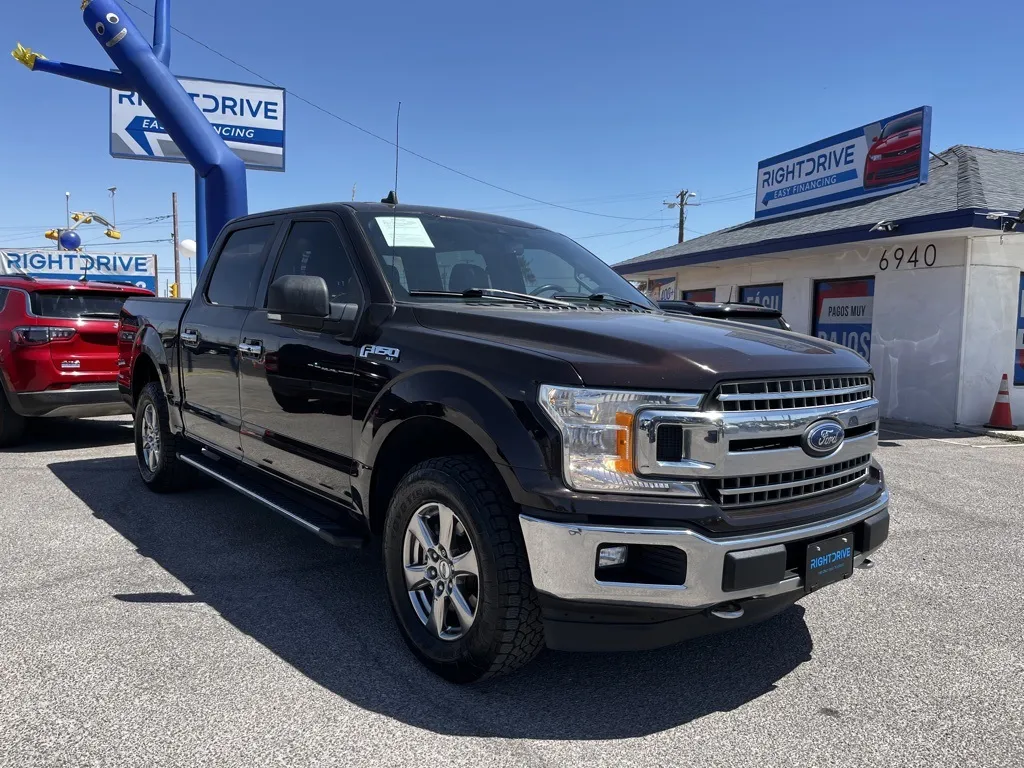
The 2020 Ford F-150 XLT pricing timeline tracks how MSRP, dealer incentives, pandemic-era market shifts, and used-car inflation shaped the cost of this mid-tier truck from its original release through subsequent automotive market cycles.
Introduction to the 2020 Ford F-150 XLT Market Position
When Ford introduced the 2020 model year F-150, the XLT trim sat strategically as the high-volume, highly configurable sweet spot of the lineup. Positioned above the utilitarian XL and below the luxury-oriented Lariat, King Ranch, Platinum, and Limited trims, the XLT appealed to both commercial fleets and everyday consumers looking for a balance of comfort, capability, and modern technology without paying luxury prices.
Tracking the 2020 Ford F-150 XLT price timeline requires a comprehensive examination of how a vehicle's financial trajectory shifts from factory sticker prices to pandemic-era supply chain anomalies, and finally into standard automotive depreciation. Understanding this timeline is essential for buyers evaluating used truck values, sellers trying to price their vehicles fairly, and automotive enthusiasts studying how macroeconomic factors influence truck valuations.
Original Factory Pricing (MSRP) and Configuration Costs
In late 2019, when the 2020 Ford F-150 models first arrived at dealerships, the Manufacturer's Suggested Retail Price (MSRP) for the XLT trim varied significantly based on cab style, bed length, and drivetrain configurations. However, the base MSRP for a standard 2020 F-150 XLT generally started around $34,500 to $36,000 before destination charges and options.
Engine Options and Their Cost Impact
The 2020 F-150 XLT offered several engine choices, each carrying a different price premium:
- 3.3L Ti-VCT V6: Usually served as the standard entry-level powerplant for the base XLT pricing tier.
- 2.7L EcoBoost V6: A popular mid-tier upgrade that added roughly $1,000 to $1,500 over the base engine.
- 3.5L EcoBoost V6: Designed for heavy towing, commanding a higher price premium of around $1,600 to $2,500 over the base motor.
- 5.0L Ti-VCT V8: The traditional V8 choice, typically priced similarly to or slightly below the 3.5L EcoBoost upgrade.
- 3.0L Power Stroke V6 Turbo Diesel: The low-volume diesel option, which added a significant premium (often exceeding $3,000) and was typically reserved for higher option packages.
Cab Styles and Packages
Buyers could pair the XLT with Regular Cab, SuperCab, or SuperCrew configurations. The four-door SuperCrew commanded the highest demand and starting prices, often pushing the out-the-door sticker price well past $45,000 when combined with popular appearance packages like the XLT Sport or XLT Chrome packages, plus equipment groups like the 302A package which added remote start, power-adjustable seats, and SYNC 3 infotainment.
The Pandemic Market Shift (2020–2021)
The pricing timeline for the 2020 model year took an unprecedented turn shortly after its launch due to the onset of the COVID-19 pandemic in early 2020.
Initial Discounts and Manufacturer Incentives
During the spring and summer of 2020, as economic uncertainty loomed and dealership foot traffic slowed, Ford and its dealer network rolled out aggressive incentives. Cash-back offers, 0% financing for 72 to 84 months, and deep dealer discounts meant that many buyers could acquire a brand-new 2020 Ford F-150 XLT for substantially under sticker price.
The Microchip Shortage and Used Market Inflation
By late 2020 and throughout 2021, the automotive landscape flipped entirely. Global semiconductor shortages disrupted the production of the newly redesigned 2021 F-150, creating a severe supply deficit for new trucks. Consequently, demand for late-model used trucks—especially highly capable, reliable units like the 2020 Ford F-150 XLT—skyrocketed.
During this period, depreciation temporarily inverted. A 2020 F-150 XLT with 15,000 to 30,000 miles on the odometer frequently sold at auction and retail lots for close to, or even exceeding, its original 2020 MSRP. Used car values remained anomalously high through late 2021 and mid-2022.
Stabilization and Normal Depreciation (2022–2024)
As supply chain pressures slowly eased and new vehicle production ramped back up, the inflated used car market began a gradual cooling phase.
Market Correction
Throughout 2023 and 2024, used truck prices returned to historical depreciation curves. The 2020 Ford F-150 XLT experienced standard yearly value drops as newer generations entered the market and vehicle mileage accumulated. High interest rates introduced during this period also softened consumer demand, putting downward pressure on secondary market valuations.
During this window, a typical 2020 F-150 XLT in good condition transitioned from an inflated asset back into a depreciating asset, with retail values settling into the mid-$30,000s or high-$28,000s depending heavily on regional demand, mileage, and condition.
Current Market Valuations and Pricing Factors
Evaluating the current market value requires analyzing several core determinants that dictate where an individual truck falls on the modern pricing spectrum.
| Pricing Factor | Impact on 2020 F-150 XLT Value |
|---|---|
| Mileage | Trucks with under 50,000 miles command a noticeable premium over high-mileage commercial or fleet units. |
| Cab & Bed Configuration | SuperCrew configurations with 5.5-foot or 6.5-foot beds retain value significantly better than Regular Cabs. |
| Engine Choice | The 3.5L EcoBoost and 5.0L V8 generally hold stronger resale demand than the base 3.3L V6 or discontinued diesel. |
| Equipment Groups (e.g., 302A) | Higher option packages add desirable comfort features that justify higher asking prices. |
| Maintenance History | Documented service records, clean titles, and accident-free Carfax reports protect resale value. |
Comparative Depreciation Timeline
To visualize how the 2020 Ford F-150 XLT price has evolved over its lifespan, the following timeline outlines average market phases from inception to the present day:
- Late 2019 – Early 2020 (Launch): Original MSRP range of $35,000 to $48,000+ depending on options; early buyers benefited from competitive incentives.
- Mid 2020 – Late 2020 (Pandemic Stimulus): Deep manufacturer discounts, 0% APR financing, and below-MSRP transaction prices to clear inventory.
- 2021 – Mid 2022 (The Inflation Peak): Microchip shortages drive used truck demand; 1-to-2-year-old XLT models sell near or above original sticker prices.
- 2023 – 2024 (Market Normalization): Supply chains recover; prices correct downward along traditional automotive depreciation curves.
- 2025 – Present (Stabilized Used Pricing): The truck behaves as a standard used vehicle, with pricing driven strictly by condition, mileage, configuration, and regional demand.
Common Mistakes When Evaluating Used F-150 Prices
Buyers and sellers navigating the 2020 model year market often make critical errors that skew financial expectations:
- Ignoring Regional Variance: Truck prices vary wildly between rural agricultural regions (where heavy-duty and light-duty trucks are in constant demand) and dense urban centers. Failing to check local market comps leads to inaccurate valuation.
- Overvaluing Rare Options: While features like the 302A package or specific towing add-ons enhance usability, sellers often expect a 100% return on option costs, which the used market rarely supports.
- Neglecting Maintenance Documentation: A lower-priced truck with missing service history can quickly cost thousands in deferred maintenance, altering the true financial value of the purchase.
- Confusing Asking Prices with Transaction Prices: Listing prices on online marketplaces reflect what sellers want, not necessarily what buyers are successfully paying.
Summary and Practical Next Actions
The 2020 Ford F-150 XLT price timeline reflects a fascinating era in automotive history, moving from standard factory pricing through pandemic-driven market spikes and back into predictable depreciation. For prospective buyers or sellers, understanding this trajectory prevents overpaying during inflated market windows or misjudging current depreciation rates.
If you are currently shopping for or selling a 2020 Ford F-150 XLT, your best next actions include consulting reliable valuation databases like Kelley Blue Book (KBB) or Edmunds, reviewing recent local sales data rather than active listings, and getting a professional pre-purchase inspection to verify mechanical condition before finalizing any transaction.