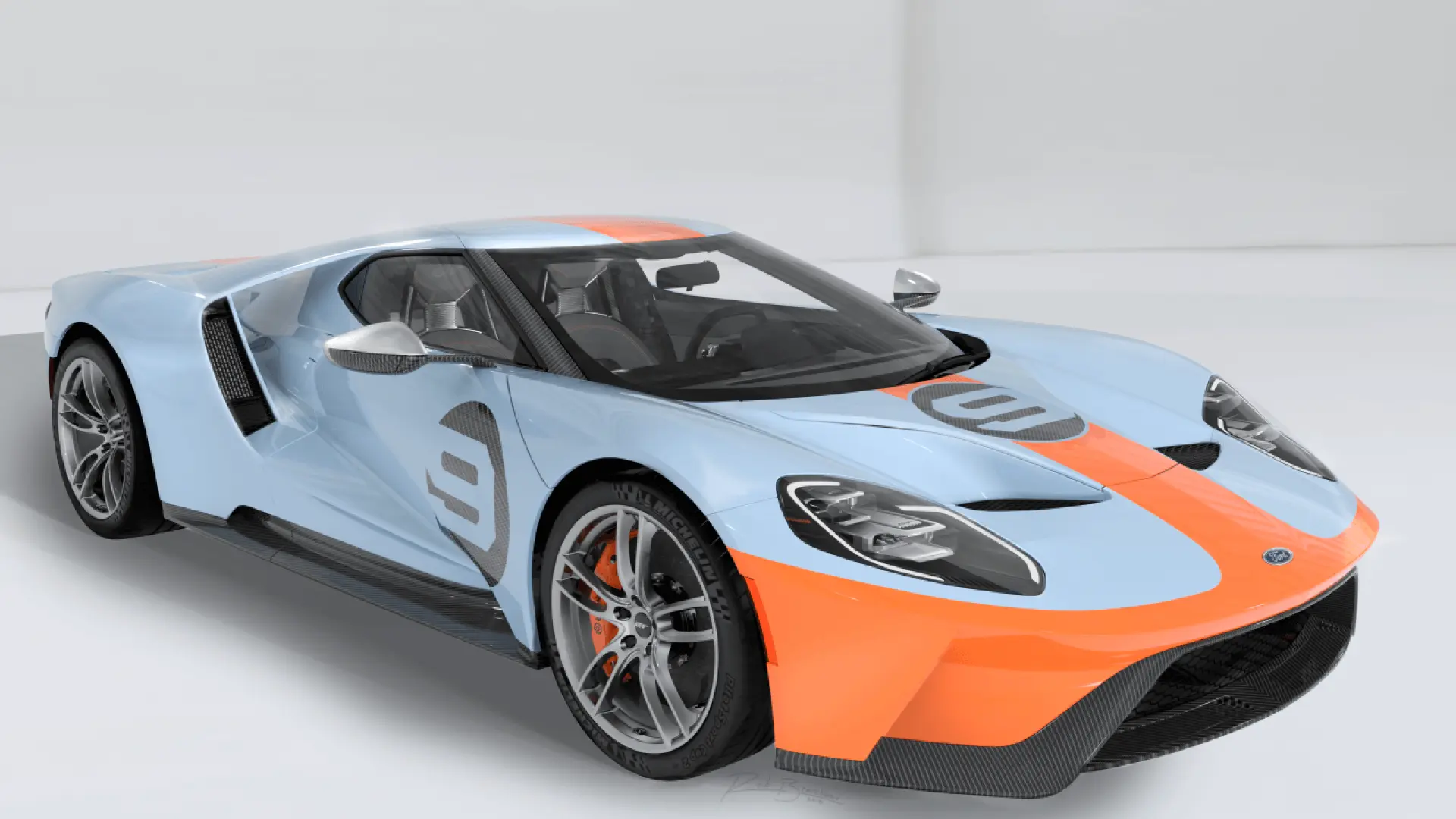
The 2019 Ford GT stands as a pinnacle of modern automotive engineering, featuring a mid-mounted 3.5-liter twin-turbocharged EcoBoost V6 engine that produces 647 horsepower and 550 lb-ft of torque. Engineered for track-focused performance with a lightweight carbon-fiber monocoque chassis and active aerodynamic systems, it delivers a top speed of 216 mph and represents a fusion of racing heritage and cutting-edge aerodynamics.
Evolution of the Modern Ford GT
The 2019 model is part of the second-generation Ford GT, which debuted in 2016 to commemorate the 50th anniversary of the legendary Ford GT40's victory at the 24 Hours of Le Mans. While the original GT40s were defined by their thunderous V8 engines, the second generation shifted the paradigm toward forced induction and extreme aerodynamic efficiency. By 2019, Ford had refined the production processes for the GT, cementing its status as an elite supercar that required a specialized application process for prospective buyers.
The 2019 Ford GT is not merely a production car; it is a street-legal racing machine. Its development was closely tied to Ford’s FIA World Endurance Championship racing program. This link is evident in every aspect of the vehicle, from the minimalist cabin design intended to reduce weight to the F1-style steering wheel and the pushrod suspension system that mimics professional-grade race cars.
Powertrain and Drivetrain Specifications
At the heart of the 2019 Ford GT lies the 3.5-liter EcoBoost V6 engine. Many enthusiasts initially questioned the departure from a V8 architecture, but the performance metrics silenced skeptics. The engine uses a high-performance calibration, twin turbochargers, and a dry-sump lubrication system to ensure consistent oil pressure during high-G cornering.
The power is managed through a Getrag 7-speed dual-clutch transmission (DCT). This gearbox provides near-instantaneous shifts, allowing the driver to maintain the engine in the peak of its power band. The transmission is specifically tuned for the GT, emphasizing rapid gear changes that complement the car’s aggressive power delivery.
Technical Performance Metrics
- Engine: 3.5L Twin-Turbocharged EcoBoost V6
- Horsepower: 647 hp @ 6,250 rpm
- Torque: 550 lb-ft @ 5,900 rpm
- Transmission: 7-speed dual-clutch automatic
- Drivetrain: Mid-engine, Rear-wheel drive
- Top Speed: 216 mph (347 km/h)
- 0–60 mph: Approximately 3.0 seconds
Chassis, Suspension, and Handling
The 2019 Ford GT’s performance is anchored by its carbon-fiber monocoque and aluminum subframes. This construction choice provides immense structural rigidity while keeping the curb weight remarkably low—approximately 3,354 pounds (dry). This strength-to-weight ratio is the foundation for the car's handling prowess.
The suspension is perhaps the most unique feature of the GT's chassis. It utilizes a pushrod-actuated suspension system, a common sight in Formula 1 but rare in road-legal vehicles. This system allows for extreme control over pitch and roll. Furthermore, the car features a "Track Mode" that lowers the vehicle by 50 millimeters (nearly two inches), significantly altering the geometry for maximum downforce and cornering stability.
Aerodynamics and Active Systems
The distinctive "flying buttresses" on the 2019 Ford GT are not just aesthetic choices; they are functional conduits for airflow, directing air into the intercoolers and over the rear deck to generate downforce. The active rear wing is a critical component of the car's aerodynamics; it adjusts its angle and height based on driving conditions, acting as an air brake during high-speed deceleration or a stabilizer during high-speed cornering.
This active aerodynamic package allows the GT to remain stable at its top speed while remaining drivable on public roads. When in Track Mode, the flaps in the front fascia close, and the rear wing extends and changes pitch to optimize the car’s aerodynamic center of pressure, ensuring the car remains glued to the pavement.
Interior Design and Ergonomics
Stepping into a 2019 Ford GT is a deliberate act. The dihedral doors open upward, revealing a cockpit that prioritizes the driver above all else. The seats are fixed to the carbon-fiber tub, meaning they do not slide forward or backward. To adjust for driver height, Ford engineered an adjustable pedal box and steering column.
The cabin is stripped of excess comfort features found in traditional luxury vehicles. You will find carbon-fiber exposed surfaces, Alcantara wrapping, and a driver-focused digital instrument cluster. All critical controls, including those for the drive modes and transmission, are integrated into the steering wheel, ensuring the driver’s hands rarely need to leave the controls.
Comparison Table: Performance Dynamics
| Feature | 2019 Ford GT Specification |
|---|---|
| Curb Weight | ~3,354 lbs |
| Induction | Twin-Turbocharged |
| Cooling System | Dual Air-to-Air Intercoolers |
| Braking System | Brembo Carbon Ceramic |
| Tire Setup | Michelin Pilot Sport Cup 2 |
| Drive Modes | Wet, Normal, Sport, Track, V-Max |
Operational Limitations and Ownership
Ownership of a 2019 Ford GT is markedly different from owning a conventional high-performance sports car. Due to its limited production run, these vehicles are highly sought after by collectors. Potential owners should be aware that the low ride height and carbon-fiber underbody components require careful navigation of speed bumps, steep driveways, and road debris.
Maintenance is also specialized. The engine requires specific service intervals to maintain the health of the twin turbochargers, and the carbon-ceramic brakes, while incredibly effective, are designed for high-performance thermal loads. It is recommended that owners utilize authorized Ford GT service centers, as the diagnostic equipment and specialized tooling required for the hydraulic suspension and the dual-clutch transmission are not standard in general automotive shops.
Common Questions Regarding the 2019 Ford GT
What fuel does the 2019 Ford GT require? The GT requires high-octane gasoline, specifically 93 octane, to ensure the engine operates within its designed performance parameters and to prevent pre-ignition knock given the high boost levels of the twin-turbocharged V6.
Can the 2019 Ford GT be driven daily? While the GT is street-legal, its design makes it impractical for daily commuting. The lack of storage space, the rigid seating position, and the extreme ground clearance concerns in urban environments make it better suited for weekend drives or track-day use.
How does the V-Max mode work? V-Max mode is designed specifically for top-speed testing. When activated, it adjusts the ride height and aerodynamic flaps to minimize drag, effectively disabling the downforce-producing wing positions to allow the car to reach its highest possible velocity on straightaways.
Is the transmission reliable? The 7-speed Getrag DCT is a robust unit designed for the power levels produced by the EcoBoost engine. Like all dual-clutch systems, it requires regular fluid changes and careful warm-up procedures to ensure longevity, especially when used frequently on a track.
Why is the seat fixed? The seat is mounted directly to the carbon-fiber chassis to reduce weight and keep the center of gravity as low as possible. By mounting the seat directly to the frame, engineers also improved structural rigidity and driver feedback, providing a more direct connection to the road.
Next Steps for Enthusiasts and Potential Owners
If you are considering the acquisition of a 2019 Ford GT or are performing a deep-dive restoration and verification, your priority should be obtaining the original factory documentation. Each vehicle was delivered with a comprehensive manual detailing the unique service requirements of the second-generation chassis.
For those interested in technical performance, verifying the vehicle’s specific drive mode calibration and tire pressure settings is the first step in unlocking the car’s capability. Always ensure that any aftermarket modifications are vetted against the manufacturer's engineering standards, as the GT's balance is extremely sensitive to changes in weight distribution or aerodynamic profile. If you have questions regarding specific mechanical faults or service history, reach out to a certified Ford Performance specialist who possesses the specific diagnostic tools required for this limited-production model.