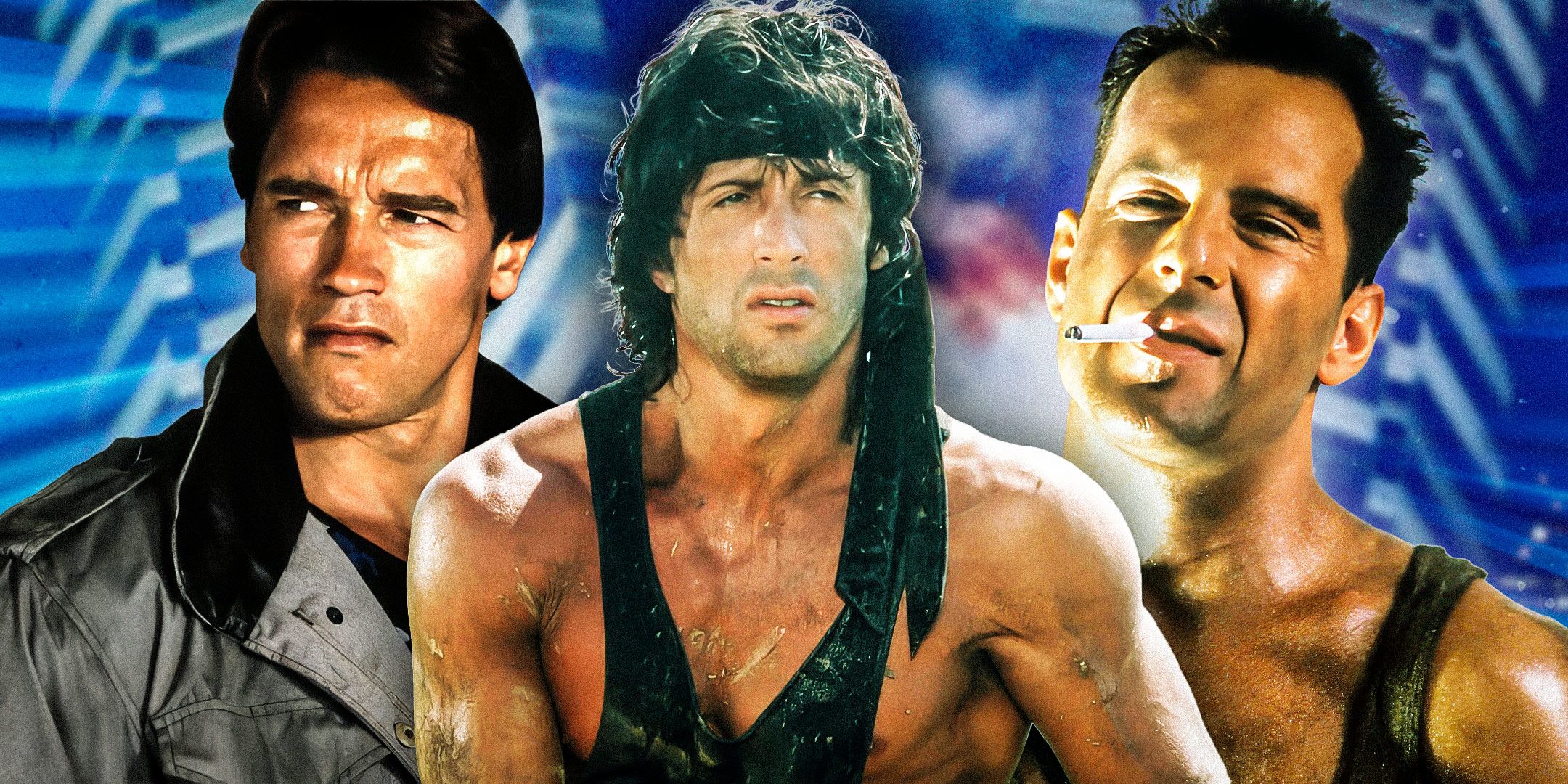
The hottest guys of the 80s were defined by a mix of rugged masculinity, "Brat Pack" sensitivity, and the high-glamour aesthetic of MTV. Ranking them involves looking at their cultural impact, peak physical presence, and the iconic roles that cemented them as heartthrobs for a generation.
The 1980s represented a tectonic shift in how male celebrity was perceived and consumed. This was the decade where the "teen idol" transitioned from the bubblegum pop stars of the 70s into cinematic powerhouses and global music icons. With the rise of music videos and high-concept blockbusters, the visual appeal of a leading man became as important as his talent. From the feathered hair and leather jackets of the early decade to the polished, athletic looks of the late 80s, these men didn't just appear on screen; they adorned the bedroom walls of millions.
1. Rob Lowe: The Ultimate Brat Pack Face
Rob Lowe wasn’t just a member of the Brat Pack; he was often considered its visual centerpiece. With a jawline that seemed carved from marble and piercing blue eyes, Lowe epitomized the "pretty boy" aesthetic that dominated the mid-80s. His performance in The Outsiders (1983) and St. Elmo's Fire (1985) showcased a vulnerability hidden behind a stunning exterior.
Lowe’s appeal was unique because it bridged the gap between teenage heartthrob and serious adult actor. While many of his contemporaries leaned into ruggedness, Lowe leaned into a refined, almost delicate handsomeness that was incredibly modern for the time. By 1986, his status as a sex symbol was undisputed, leading to a decade of high-profile roles where his appearance was as much a talking point as the script. Even as we look back from 2026, his 80s peak remains a benchmark for classic Hollywood beauty.
2. Tom Cruise: The High-Octane Leading Man
If the 80s had a singular face of success, it was Tom Cruise. While Risky Business (1983) introduced his charisma to the world, it was 1986’s Top Gun that transformed him into a global phenomenon. As Pete "Maverick" Mitchell, Cruise defined the "cool" of the decade: aviator sunglasses, a flight suit, and a million-dollar smile.
Cruise’s "hotness" wasn’t just about his features; it was about his intensity. He possessed an energy that suggested he was always the most capable person in the room. This mixture of physical fitness and relentless drive made him the ultimate 80s alpha male. Whether he was playing a pool shark in The Color of Money (1986) or a high-end bartender in Cocktail (1988), Cruise’s magnetism was undeniable, making him a perennial favorite on every "hottest" list of the era.
3. Patrick Swayze: The Sensitive Tough Guy
Patrick Swayze brought something different to the table: the grace of a dancer combined with the physique of an athlete. Before Dirty Dancing (1987), Swayze was a respected actor, but after Johnny Castle stepped onto the screen, he became a symbol of romantic longing.
Swayze’s appeal lay in his ability to be both physically imposing and emotionally expressive. He could throw a punch in Road House (1989) just as convincingly as he could lead a dance in a Catskills resort. His rugged, slightly weathered look contrasted with the more polished "preppy" stars of the time, offering a more mature version of 80s masculinity that appealed to a wide demographic.
4. Prince: The Enigmatic Revolutionary
Prince defied every conventional rule of "hotness" and masculinity in the 1980s, which is exactly why he was so captivating. With the release of Purple Rain (1984), Prince became a global superstar whose sex appeal was rooted in mystery, talent, and a total lack of inhibition.
His look—characterized by lace, high heels, eyeliner, and flamboyant suits—was a direct challenge to the "macho" tropes of the decade. Yet, Prince was arguably the most magnetic man in music. His confidence was intoxicating, and his ability to command a stage with a guitar made him an icon of cool. In the 80s, Prince proved that being "hot" was about aura and artistry as much as it was about traditional aesthetics.
5. Johnny Depp: The Darkly Handsome Rebel
Before he became known for his eccentric character roles, Johnny Depp was the quintessential brooding teen idol. His breakout role in the TV series 21 Jump Street (1987) made him an overnight sensation. With his high cheekbones, dark hair, and soulful gaze, Depp represented the "outsider" heartthrob.
Depp’s 80s appeal was centered on a sense of rebellion. He famously disliked the "teen idol" label, which only served to make him more attractive to fans who preferred a man with a bit of an edge. Unlike the clean-cut stars of the era, Depp felt dangerous and unpredictable, a trait that would define the rest of his legendary career.
6. Michael J. Fox: The Boy Next Door
Not every 80s heartthrob needed to be a brooding rebel or a muscle-bound pilot. Michael J. Fox captured the hearts of millions by being the ultimate "boy next door." As Marty McFly in Back to the Future (1985) and Alex P. Keaton in Family Ties, Fox was charming, witty, and incredibly relatable.
His appeal was rooted in his relatability. He wasn’t intimidating; he was the guy you wanted to be friends with—or the guy you wanted to date. His youthful energy and quick-fire delivery made him one of the most beloved figures of the decade. In an era of excess, Fox’s grounded persona was a breath of fresh air, cementing his place as one of the decade’s most enduring crushes.
7. River Phoenix: The Golden Boy with a Soul
River Phoenix was the sensitive soul of the late 80s. Following his breakout in Stand by Me (1986), he became the face of a new generation of actors. With his tousled blonde hair and intense, intelligent eyes, Phoenix possessed a natural beauty that felt completely unmanufactured.
His role in Running on Empty (1988) showcased a level of emotional depth that was rare for an actor of his age. Fans were drawn to his perceived authenticity and his commitment to social and environmental causes, which was ahead of its time. Phoenix represented a more thoughtful, introspective version of the 80s heartthrob, one whose beauty was matched by his immense talent.
8. George Michael: The Pop God
As the frontman of Wham! and later as a solo artist, George Michael was the visual and vocal personification of 80s pop. From the "Choose Life" t-shirts of the early 80s to the leather jacket and stubble of the Faith era (1987), Michael’s image was meticulously crafted and incredibly effective.
His look in the "Faith" music video—tight jeans, aviators, and a perfectly groomed beard—became one of the most iconic images of the decade. Michael possessed a vocal range that was unmatched in pop, and his confidence as a performer made him a massive sex symbol. He understood the power of the camera, using music videos to build a persona that was both glamorous and accessible.
9. John Stamos: The Cool Uncle
While John Stamos gained massive fame in the late 80s as "Uncle Jesse" on Full House (1987), he was already a established heartthrob from his days on General Hospital. Stamos possessed a classic, dark-haired handsomeness that was enhanced by his rock-and-roll persona.
The "Uncle Jesse" character—a motorcycle-riding, Elvis-loving musician—was designed to be the ultimate crush. Stamos’s charm, combined with his interactions with the show's child stars, gave him a "soft" edge that appealed to viewers of all ages. He successfully navigated the transition from soap star to sitcom icon, maintaining his status as one of the most attractive men on television throughout the end of the decade.
10. Harrison Ford: The Rugged Adventurer
While Harrison Ford started the decade already famous from Star Wars, the 1980s were the years of Indiana Jones. Raiders of the Lost Ark (1981) solidified Ford as the definitive rugged leading man. Ford’s appeal was built on a foundation of "manliness" that felt timeless rather than trend-driven.
With his crooked smile, scar on his chin, and dry wit, Ford was the hero every man wanted to be and every woman wanted to be with. Whether he was playing an archeologist in a fedora or a futuristic detective in Blade Runner (1982), Ford’s presence was commanding. He was the "hottest" guy for those who preferred substance and grit over the neon-soaked aesthetics of the mid-80s.
Comparative Overview of 80s Icons
The following table compares these icons based on their primary 80s "vibe" and their definitive work from that decade.
| Name | Peak Year | Definitive 80s Work | Archetype |
|---|---|---|---|
| Rob Lowe | 1985 | St. Elmo's Fire | The Preppy Heartthrob |
| Tom Cruise | 1986 | Top Gun | The High-Energy Alpha |
| Patrick Swayze | 1987 | Dirty Dancing | The Sensitive Tough Guy |
| Prince | 1984 | Purple Rain | The Artistic Enigma |
| Johnny Depp | 1987 | 21 Jump Street | The Brooding Rebel |
| Michael J. Fox | 1985 | Back to the Future | The Boy Next Door |
| River Phoenix | 1986 | Stand by Me | The Soulful Youth |
| George Michael | 1987 | Faith | The Pop Superstar |
| John Stamos | 1987 | Full House | The Cool Musician |
| Harrison Ford | 1981 | Raiders of the Lost Ark | The Rugged Hero |
The Cultural Impact of the 80s Aesthetic
The "hotness" of the 1980s was heavily influenced by the rise of visual media. Before this decade, stars were often distant figures seen only in movies or on stage. The 80s changed this through several key factors:
The MTV Effect
Launched in 1981, MTV changed how we perceived male beauty. Artists like George Michael and Prince weren't just heard; they were seen in high-definition (for the time) rotations. This led to an emphasis on personal style—hair, makeup, and fashion became essential components of a man’s appeal. The music video allowed for a level of intimacy and "gaze" that hadn't existed before, making musicians some of the biggest sex symbols of the era.
The Rise of the Teen Magazine
Publications like Tiger Beat, Bop, and 16 Magazine were at their zenith in the 1980s. These magazines acted as the social media of their day, curating the "hottest" lists and providing fans with posters of stars like Rob Lowe and Johnny Depp. The "pin-up" culture of the 80s was a powerful economic engine, driving the careers of young actors based on their visual appeal to the teenage demographic.
Fitness and the "Hard Body" Trend
The 1980s also saw the rise of the fitness craze. Action stars like Tom Cruise and Patrick Swayze reflected a shift toward a more athletic, toned physique. This was the era of the "hard body," where leading men were expected to look capable of the stunts they performed on screen. This trend influenced everything from fashion (the rise of sportswear) to the types of roles that were written for men.
Defining Archetypes: Why We Loved Them
The diversity of the 1980s heartthrobs is what made the decade so interesting. There wasn't just one way to be "hot."
- The Rebel: Represented by Johnny Depp and River Phoenix. These men were anti-establishment, often appearing in roles that questioned authority. Their appeal was their perceived depth and refusal to play by Hollywood's rules.
- The Professional: Represented by Tom Cruise and Harrison Ford. These were the men who got the job done. Their hotness was tied to their competence and their role as the "hero."
- The Artist: Represented by Prince and George Michael. Their appeal was their creativity and their willingness to push boundaries. They were often flamboyant and used their appearance as a form of self-expression.
- The Brat Pack: Represented by Rob Lowe and Michael J. Fox. These were the "modern" men of the 80s—stylish, often wealthy (at least in their roles), and navigating the complexities of young adulthood in a changing world.
Common Myths and Misconceptions
When looking back at 80s "hotness," it is easy to filter the decade through the lens of modern standards. However, several misconceptions exist about what actually made these men popular at the time.
One common myth is that 80s masculinity was strictly "macho." In reality, the 80s was one of the most gender-fluid decades for male fashion and beauty. Men like Prince and George Michael wore makeup and flamboyant clothing, and they were considered incredibly attractive for it. The "sensitive man" was also a major trope, popularized by the Brat Pack movies, where male characters were encouraged to discuss their feelings and vulnerabilities.
Another misconception is that the "mullet" was universally hated. While it is often mocked today, in the mid-to-late 80s, variations of the mullet (often called "the shag" or "feathered hair") were the height of style. Stars like John Stamos and Patrick Swayze carried these looks with immense confidence, and at the time, it was considered a rugged, "cool" hairstyle.
Frequently Asked Questions
Who was considered the biggest heartthrob of the 80s?
While "biggest" is subjective, Tom Cruise and Rob Lowe are frequently cited as the definitive heartthrobs. Cruise had the largest box-office impact and global recognition, while Lowe was the face of the teen idol movement through the Brat Pack.
Did music or movies produce more "hot" guys in the 80s?
It was a balanced split, but music videos gave musicians a unique advantage. Someone like George Michael or Prince could be in a fan's living room several times a day via MTV, whereas movie stars required a trip to the cinema. This led to a more intense, daily "crush" culture for musicians.
How did 80s fashion influence who was considered attractive?
Fashion was everything. The 80s favored "power looks"—broad shoulders (shoulder pads), leather jackets, and bold colors. Men who could pull off these dramatic looks, like Patrick Swayze in a leather jacket or Tom Cruise in a flight suit, saw their perceived attractiveness skyrocket because they embodied the "larger than life" spirit of the decade.
Are 80s heartthrobs still relevant in 2026?
Absolutely. Many of these men, such as Tom Cruise and Rob Lowe, have maintained remarkably consistent careers. Their 80s work is frequently revisited by younger generations through streaming services, and the "retro" aesthetic of the 80s continues to influence modern fashion and film, ensuring their status as icons remains intact.
Why is the "Brat Pack" so central to 80s hotness?
The Brat Pack represented the first time a group of young, attractive actors was marketed as a collective unit. This "squad" mentality made them more influential than they would have been individually. Films like The Breakfast Club and St. Elmo’s Fire spoke directly to the anxieties and desires of 80s youth, making the actors in them the ultimate symbols of that generation.
Final Recommendation: How to Experience the 80s Icons
To truly understand why these men were the "hottest" of their era, one must view their work within its original context. Start by watching the "Big Three" 80s films: Top Gun for the high-octane alpha male, Dirty Dancing for the romantic lead, and The Outsiders for the classic ensemble of 80s beauty. For music, watching the original music videos for Prince’s "Purple Rain" and George Michael’s "Faith" provides the best insight into how the 1980s used visual storytelling to create global sex symbols. Their legacy isn't just about their looks; it’s about the indelible mark they left on pop culture history.