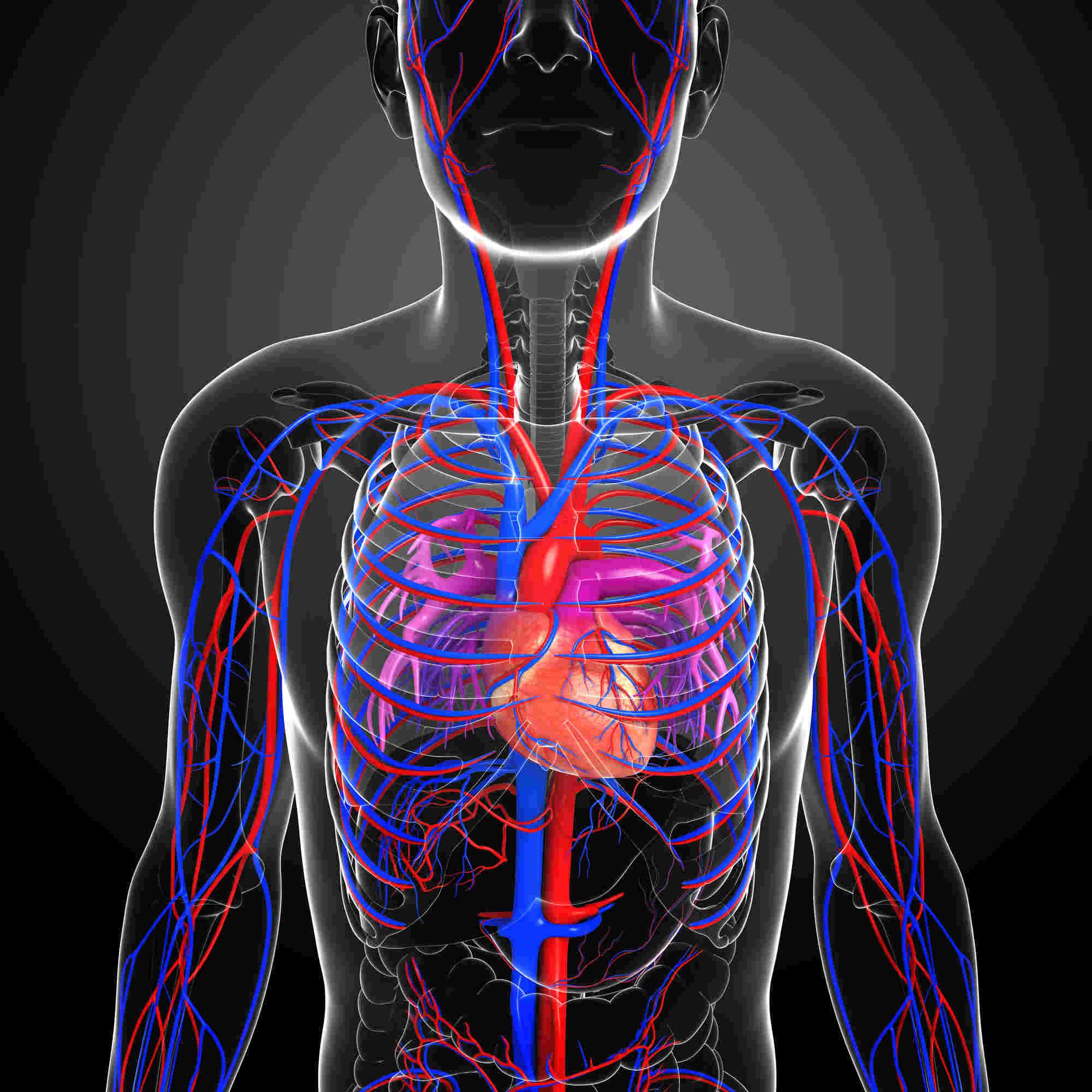
The Cook IVC filter lawsuit landscape centers on federal multi-district litigation (MDL No. 2570) in the U.S. District Court for the Southern District of Indiana, where thousands of plaintiffs allege that retrievable inferior vena cava filters manufactured by Cook Medical suffered from structural failures, including tilting, fracturing, and organ perforation. While several bellwether trials concluded with mixed outcomes and extensive settlement negotiations occurred, many individual claims, product liability assertions, and statute of limitations considerations continue to shape the ongoing judicial landscape.
Understanding the Cook IVC Filter Litigation
Inferior vena cava filters are small, spider-like medical devices implanted in the body’s largest vein to catch blood clots before they reach the lungs and cause a pulmonary embolism. While permanent filters remain in place indefinitely, retrievable filters are engineered to be removed once a patient's acute risk for pulmonary embolism subsides. Cook Medical manufactured and distributed several lines of these retrievable filters, most notably the Cook Celect and Cook Günther Tulip models.
Over the years, numerous patients and their families filed product liability lawsuits, asserting that these devices carried high rates of device fracture, component migration, tipping, and organ perforation. When a filter tilts or breaks apart, fragments can travel through the bloodstream to the heart or lungs, or the filter struts can pierce the wall of the vena cava. The primary legal assertions focus on allegations of defective design, failure to adequately warn physicians and patients about known risks, and negligence in manufacturing and marketing.
To manage the massive influx of federal lawsuits efficiently, the United States Judicial Panel on Multidistrict Litigation consolidated these cases into a centralized proceeding. This centralization allows both sides to conduct unified discovery, share expert witness depositions, and test legal theories through representative bellwether trials before individual cases are potentially remanded back to their home districts for trial.
Historical Overview of Multi-District Litigation (MDL 2570)
The foundational framework for the Cook filter litigation was established in October 2014 when the U.S. Judicial Panel on Multidistrict Litigation formally created MDL No. 2570 (In re: Cook Medical, Inc., IVC Filters Marketing, Sales Practices and Products Liability Litigation). Overseen by U.S. District Judge Richard L. Young in the Southern District of Indiana, the MDL grew to encompass thousands of individual lawsuits.
Bellwether Trials and Judicial Precedents
Bellwether trials serve as test cases in complex mass tort litigations. They provide both plaintiffs and defendants with a gauge of how juries evaluate technical medical evidence, expert testimony, and damages arguments. Several bellwether trials took place in the Cook IVC filter MDL:
- The Huskey Trial (2018): The first bellwether trial resulted in a defense verdict for Cook Medical regarding design defect claims, though issues surrounding failure to warn were closely contested.
- The Mulvhill Trial (2018): This second trial resulted in a verdict for the plaintiff, with the jury finding in favor of the injured party on failure-to-warn claims, awarding significant damages.
- Subsequent Trials: Additional bellwether trials yielded mixed results, demonstrating that juries viewed the complex engineering, medical necessity, and risk-benefit analyses differently depending on the specific facts of each patient's implantation and removal history.
These trials did not automatically resolve all pending claims, but they provided critical risk assessments that encouraged both sides to explore alternative dispute resolution methods, including court-ordered mediation and settlement discussions.
Technical Specifications and Associated Device Risks
To understand the core allegations in the litigation, it is necessary to examine the engineering and deployment parameters of the primary devices involved. The Cook Celect and Günther Tulip filters utilize specialized anchoring mechanisms designed to secure the device within the inferior vena cava while maintaining blood flow.
| Device Feature | Cook Günther Tulip IVC Filter | Cook Celect IVC Filter |
|---|---|---|
| Primary Design | Retrievable, nitinol wire frame | Retrievable, nitinol wire frame |
| Anchoring Mechanism | Independent tulip wires and barbs | Additional secondary barbs |
| Stated Purpose | Prevention of pulmonary embolism | Prevention of pulmonary embolism |
| Documented Complications | Tilt, migration, strut fracture | Higher rates of perforation, tilt |
Key Engineering and Clinical Concerns
- Tissue Incorporation and Endothelization: Over time, the blood vessel wall begins to grow over the metal struts of the filter. This biological process can make safe percutaneous retrieval difficult or impossible if the device remains implanted for too long.
- Structural Fatigue: The constant pulsatile flow of blood and respiratory movements place continuous mechanical stress on the nitinol alloy struts, potentially leading to material fatigue, cracking, or complete fracture.
- Perforation Dynamics: Secondary anchoring barbs designed to prevent migration can sometimes erode completely through the vena cava wall, potentially injuring adjacent organs such as the aorta, duodenum, or spine.
Plaintiff Eligibility, Documentation, and Legal Requirements
Fulfilling the prerequisites to participate in an active product liability claim involving a medical device requires rigorous documentation and adherence to jurisdictional rules. Individuals evaluating whether they have a viable legal path must satisfy several evidentiary standards.
Core Eligibility Criteria
- Implantation History: The patient must have received a Cook Celect or Günther Tulip IVC filter (verified via hospital operative reports and discharge summaries).
- Documented Complication: Medical imaging (such as CT scans, ultrasounds, or X-rays) or surgical notes must confirm that the filter fractured, migrated, tilted excessively, perforated the vena cava, or proved impossible to remove when attempted.
- Physical Injury or Procedural Intervention: The patient must have experienced adverse health consequences, such as chronic pain, internal bleeding, organ damage, or undergone a high-risk open surgical procedure to retrieve or repair a fractured device.
- Timeliness (Statute of Limitations): The claim must be filed within the applicable statute of limitations or statute of repose for the specific state where the implantation or injury occurred.
Essential Medical Records for Case Verification
- Surgical Implantation Records: Detailed logs confirming the exact device model, serial number, and implant date.
- Diagnostic Imaging Reports: Radiologist interpretations showing device failure, malposition, or structural changes over time.
- Follow-Up and Removal Attempt Notes: Documentation from vascular surgeons or interventional radiologists detailing attempted retrievals and the reasons for failure.
- Treatment Histories: Records of subsequent surgeries, hospitalizations, or ongoing medical management related to the filter complication.
Evaluating Potential Compensation and Settlement Realities
In complex pharmaceutical and medical device litigations, financial recovery is never uniform. Compensation amounts depend heavily on the severity of the injury, the specific economic and non-economic losses sustained, and the governing state laws.
- Economic Damages: These cover verifiable financial losses, including past and future medical expenses, surgical intervention costs, hospitalization fees, and lost wages resulting from disability or recovery periods.
- Non-Economic Damages: These address subjective, intangible losses such as physical pain and suffering, emotional distress, mental anguish, and diminished quality of life.
- Punitive Damages: In rare instances where plaintiffs can prove gross negligence or intentional concealment of safety risks by the manufacturer, courts may award punitive damages designed to punish the corporation and deter similar conduct.
Plaintiffs should be aware that resolution timelines can span many months or years. Settlement agreements often contain confidentiality clauses, and administrative deductions—such as attorney contingency fees, court costs, and medical lien repayments—will affect the final net payout distributed to claimants.
Frequently Asked Questions
What are the primary Cook IVC filter models named in the lawsuits?
The litigation primarily focuses on the Cook Celect and Cook Günther Tulip retrievable inferior vena cava filters. Both devices were engineered for temporary clot prevention but faced widespread scrutiny over long-term structural integrity and retrieval difficulties.
Is the Cook IVC filter MDL still accepting new cases?
While federal mass tort proceedings are mature, individuals who believe they have valid claims must consult qualified legal counsel immediately. The ability to file a claim depends entirely on individual state statutes of limitations and the date a patient discovered or reasonably should have discovered their device-related injury.
What should I do if I currently have a Cook IVC filter implanted?
Patients should never attempt to alter or remove a medical device independently. The most critical step is to schedule an appointment with a primary care physician, vascular specialist, or interventional radiologist to discuss the status of the filter, review current imaging, and evaluate whether retrieval is clinically advisable.
What medical proof is required to support a Cook filter claim?
Supporting a claim requires objective medical documentation, including original hospital operative reports verifying the device model, diagnostic imaging confirming structural failure (such as a fractured strut or organ perforation), and clinical records detailing any corrective surgeries or ongoing medical treatments.
How are legal fees handled in mass tort product liability cases?
Most legal professionals handling medical device litigation operate on a contingency fee basis. This means the attorney's fees are paid as a predetermined percentage of the final recovery amount, and clients typically do not pay upfront hourly legal fees or out-of-pocket litigation expenses unless a financial recovery is successfully secured.
Practical Next Steps for Patients and Families
For individuals or families navigating health complications related to a Cook inferior vena cava filter, taking structured, deliberate action is essential.
- Prioritize Health and Clinical Evaluation: Contact a qualified medical specialist to assess the current structural status of the implanted filter and determine if safe removal or ongoing monitoring is necessary.
- Gather Complete Records: Request comprehensive medical files from the hospital where the implantation occurred, as well as records from any subsequent imaging scans, emergency room visits, or surgical procedures.
- Consult Specialized Legal Counsel: Seek a confidential case evaluation from an experienced product liability attorney who understands medical device litigation, MDL structures, and jurisdictional filing deadlines. Avoid delaying consultations, as strict legal timeframes apply to all personal injury and product defect claims.