A 1/4 inch is a quarter inch because the fraction 1/4 literally means one part out of four equal parts of a whole inch. In both fractional and decimal numbering systems, these two expressions denote the exact same physical distance, where four 1/4-inch segments combine to equal one full inch.
Mastering linear measurements requires an understanding of how fractional units relate to one another, especially when working across different fields like carpentry, engineering, tailoring, and home improvement. The concept of a quarter inch serves as a foundational building block in the Imperial measurement system used primarily in the United States. Recognizing that 1/4 inch is a quarter inch eliminates confusion when switching between written specifications, tape measures, and technical blueprints. This article breaks down the mechanics of this measurement, its decimal and metric equivalents, standard tool markings, common applications, and practical conversion strategies.
The Mathematical Foundation of Fractions in Measurement
To understand why 1/4 inch is a quarter inch, one must examine the basic principles of fractions. In mathematics, a fraction represents a part of a whole. The bottom number, known as the denominator, indicates the total number of equal parts into which the whole unit is divided. The top number, known as the numerator, specifies how many of those parts are being considered.
When applied to a standard linear inch, the denominator 4 tells us that the inch has been divided into four equal segments. The numerator 1 tells us we are looking at one of those segments. Linguistically, the word "quarter" stems from the Latin quartus, meaning a fourth part. Therefore, saying "one-fourth inch" and "a quarter inch" are simply two different ways—one numeric and one linguistic—of describing the exact same fractional quantity.
To visualize this on a physical scale, imagine a solid block measuring precisely one inch in length. If you slice that block into four identical pieces, each piece has a length of 1/4 inch. If you line up all four pieces end-to-end, they reconstruct the original one-inch block:
- $1/4 + 1/4 + 1/4 + 1/4 = 4/4 = 1$ inch.
Decimal and Metric Equivalents of a Quarter Inch
While fractions dominate traditional US customary measurements, modern fabrication and digital design frequently require decimals or metric units. Translating 1/4 inch into these formats ensures compatibility with digital calipers, CNC machinery, and international standards.
Decimal Inches
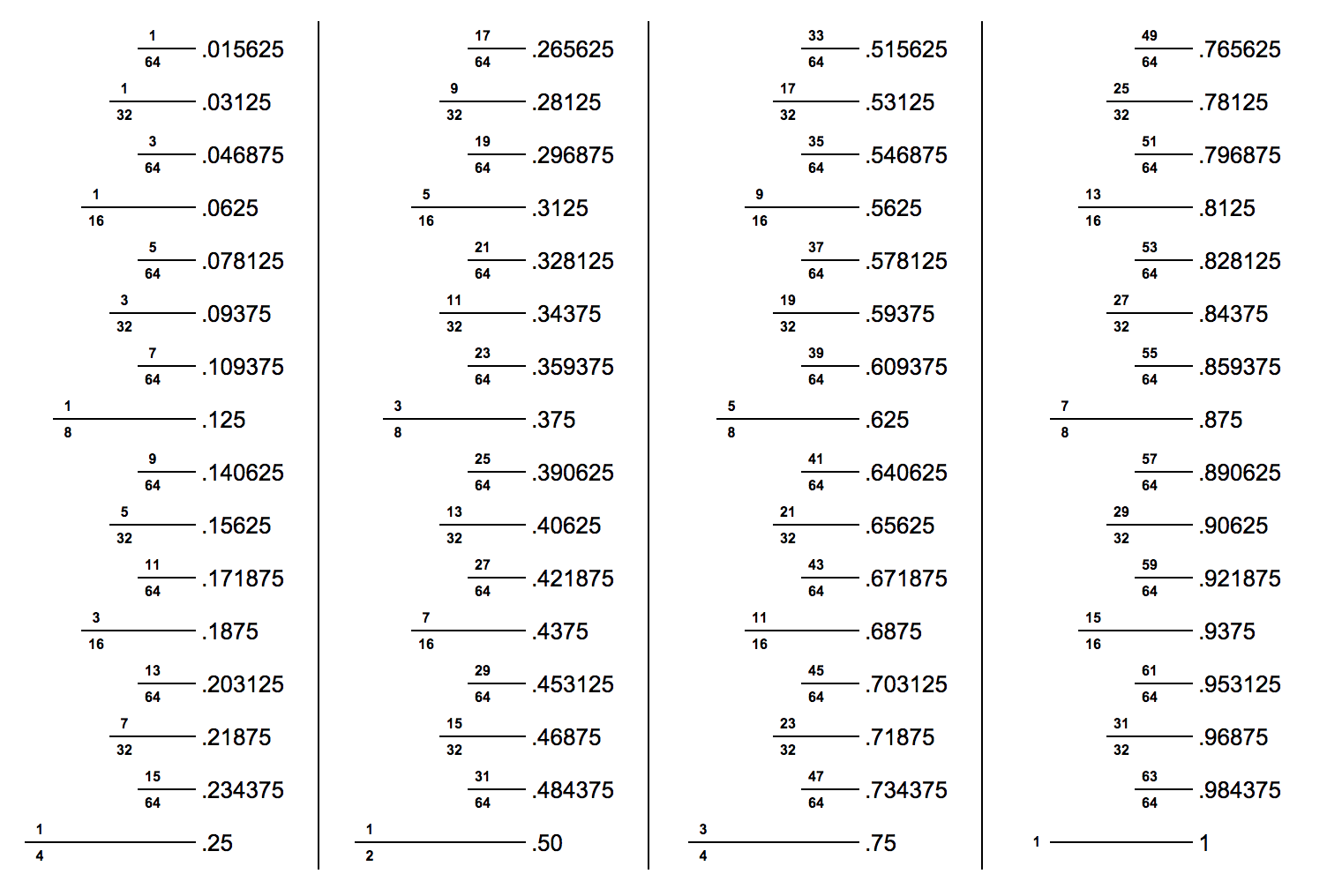
To convert the fraction 1/4 into a decimal, divide the numerator (1) by the denominator (4).
- $1 \div 4 = 0.25$ inches.
Therefore, a quarter inch is identical to 0.25 inches. In precision machining or engineering contexts, blueprints frequently utilize decimal notation rather than fractions to minimize ambiguity and allow for tighter tolerances.
Millimeters and Centimeters
The metric system measures length in meters, centimeters, and millimeters. Because the metric system is based on powers of ten, it does not share a direct fractional relationship with the inch-based system, requiring a conversion factor. One inch is legally and internationally defined as exactly 25.4 millimeters.
To find the metric equivalent of 1/4 inch (or 0.25 inches):
- $0.25 \text{ inches} \times 25.4 \text{ mm/inch} = 6.35 \text{ millimeters}$.
This means that a quarter inch equals 6.35 mm (or 0.635 cm). When working with metric drill bits or hardware, finding an exact match for 1/4 inch can be challenging, as metric fasteners typically scale in standard increments like 6 mm or 7 mm, making 6.35 mm a specialized sizing tier.
Visualizing 1/4 Inch on Measuring Tools
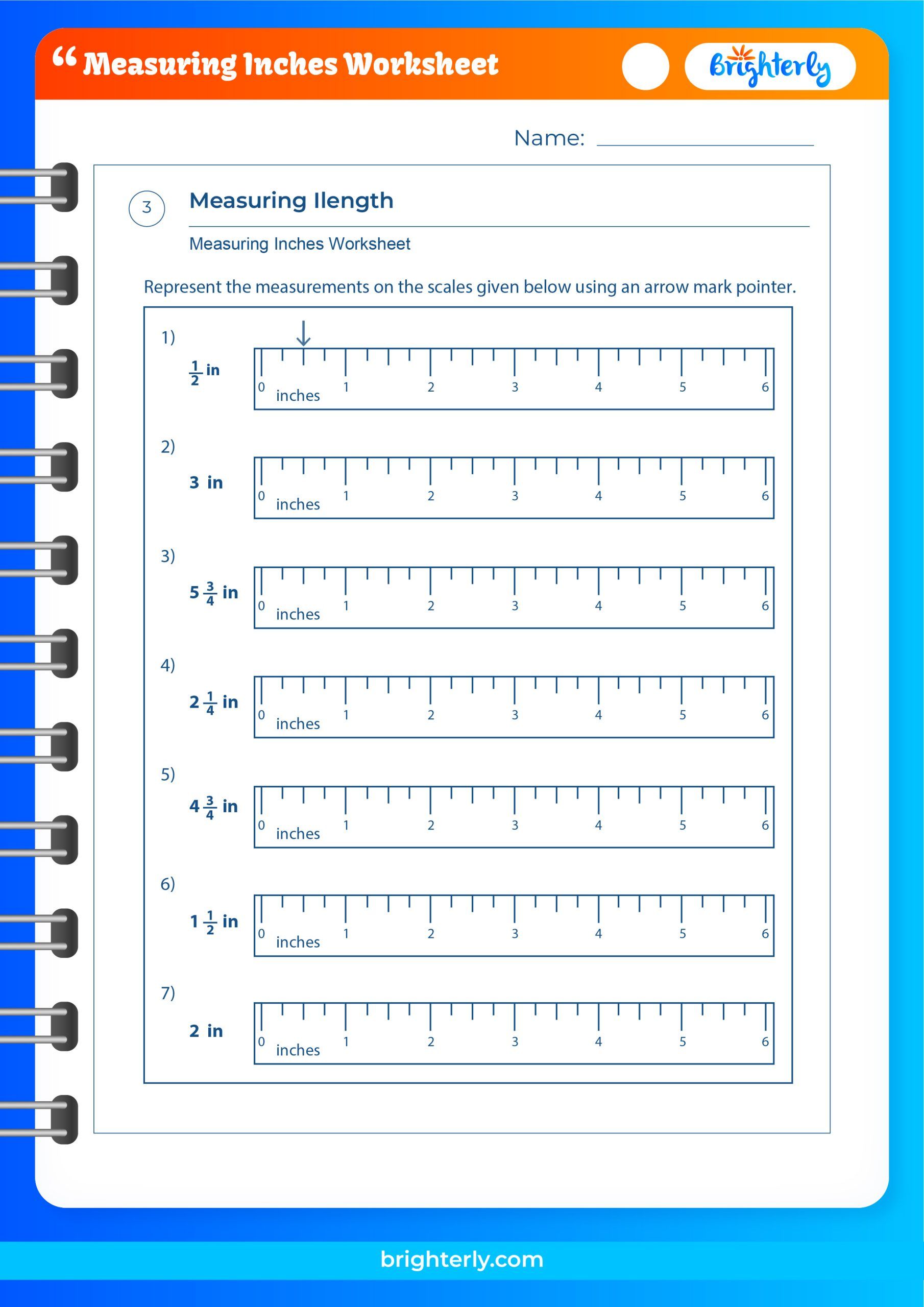
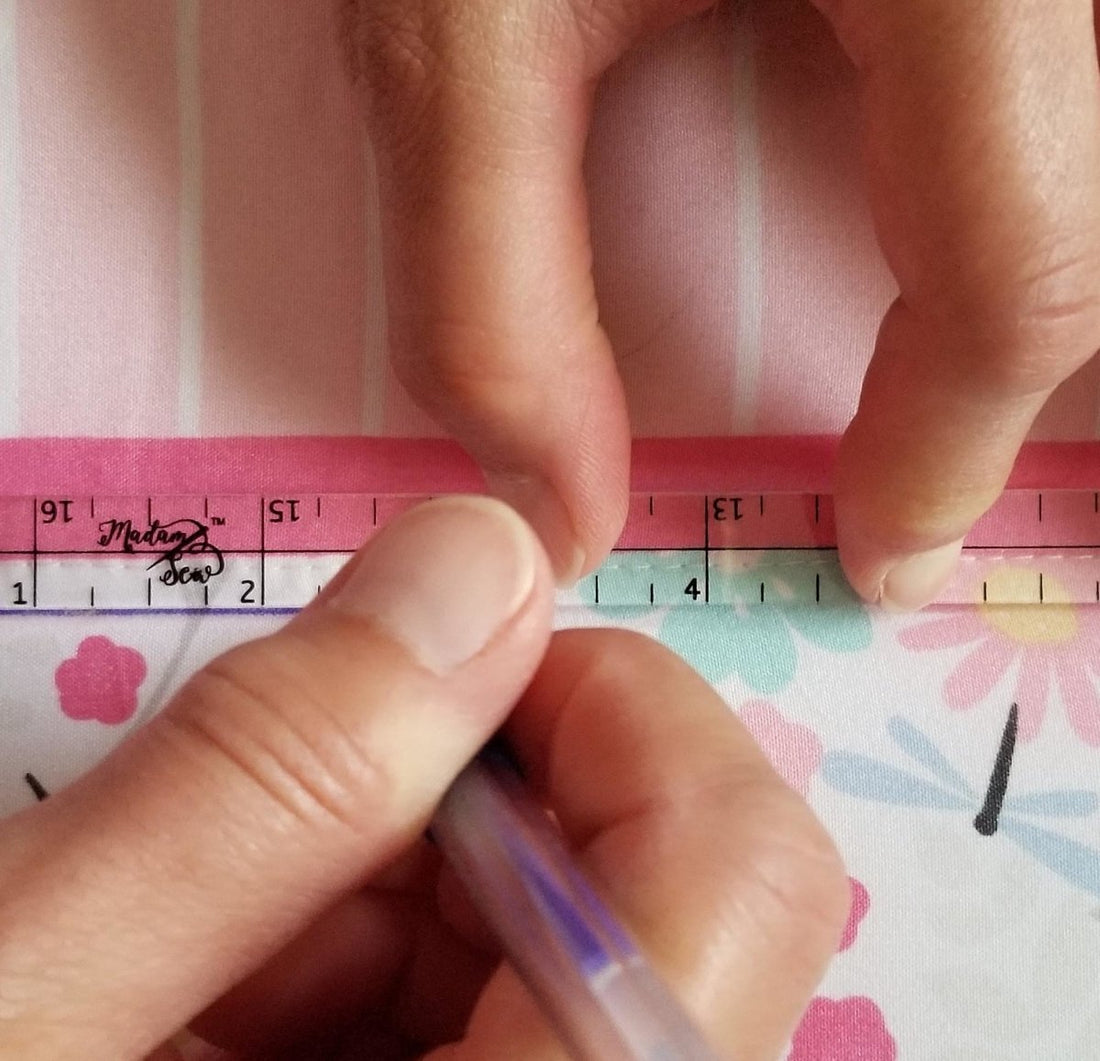
Reading a tape measure, ruler, or caliper requires recognizing how fractional subdivisions are visually represented. Standard imperial tape measures divide the inch into nested hierarchies of lines of varying lengths.
0 in 1/4 in 1/2 in 3/4 in 1 in |------------|------------|------------|------------|------------| | | | | | | |..|..|..|..|..|..|..|..|..|..|..|..|..|..|..|..|..|..|..|..|..|..|
On a standard tape measure, the tick marks correspond to specific fractions:
- The 1-inch mark is denoted by the longest vertical line.
- The 1/2-inch mark sits directly in the middle and is the second-longest line.
- The 1/4-inch and 3/4-inch marks are the third-longest lines, positioned halfway between the half-inch mark and the edge markers.
- 1/8-inch and 1/16-inch marks continue the subdivision with progressively shorter lines.
When looking for a quarter inch, you look for the prominent medium-length line positioned one-quarter of the distance across the single-inch span. On many Western tape measures, you will also find bold numbering or distinct hashes emphasizing these primary quarter-inch increments to speed up visual reading on job sites.
Comparison of Common Imperial Fractions and Equivalents
To place 1/4 inch into context, it helps to view it alongside other common fractional measurements found on standard rulers. The following table outlines standard imperial fractions, their decimal inch equivalents, and their metric measurements in millimeters.
| Imperial Fraction | Decimal Inches | Metric Millimeters (mm) | Relative Size Description |
|---|---|---|---|
| 1/16 in | 0.0625 in | 1.5875 mm | Sixteenth of an inch (very thin) |
| 1/8 in | 0.125 in | 3.175 mm | Eighth of an inch |
| 1/4 in | 0.25 in | 6.35 mm | A quarter inch |
| 3/8 in | 0.375 in | 9.525 mm | Three-eighths of an inch |
| 1/2 in | 0.50 in | 12.7 mm | Half an inch |
| 3/4 in | 0.75 in | 19.05 mm | Three-quarters of an inch |
| 1 in | 1.00 in | 25.4 mm | One full inch |
Common Applications Across Trades
The quarter-inch measurement appears across a wide array of practical disciplines. Because it represents a sturdy yet manageable dimension, it strikes a balance between structural strength and fine detailing.
Woodworking and Carpentry
In woodworking, 1/4-inch plywood, MDF, and hardwood panels are ubiquitous. They are frequently used for cabinet backs, drawer bottoms, and lightweight shelving. Additionally, standard router bits, dowels, and pocket-hole screw settings frequently utilize the 1/4-inch specification to join joints and create structural grooves (dados and rabbets).
Plumbing and Hardware
Fasteners such as bolts, screws, and threaded pipes frequently rely on quarter-inch sizing. A 1/4-20 bolt, for instance, is a very common hardware staple representing a 1/4-inch diameter shaft with 20 threads per inch. In plumbing, certain tubing and fittings also scale around quarter-inch diameters for supply lines and refrigeration units.
Audio and Electronics
In consumer electronics and audio engineering, the 1/4-inch (6.35mm) phone plug remains the industry standard for electric guitars, professional headphones, amplifiers, and mixing consoles. Although smaller 3.5mm jacks dominate consumer mobile devices, the robust 1/4-inch plug is preferred in professional settings for its mechanical durability and reliable signal transfer.
Common Mistakes and Measurement Pitfalls
Even though a quarter inch is a fundamental measurement, errors frequently occur due to misreading tools or miscalculating fractions.
- Miscounting Tick Marks: A frequent error on tape measures is confusing the 1/4-inch mark with the 1/8-inch or 1/16-inch marks. Always verify the scale of the rule you are using, as some tapes divide inches down to 1/32 or 1/64 of an inch, increasing the density of lines.
- Ignoring Blade Hook Play: Tape measure hooks are designed to slide slightly to account for inside and outside measurements (pushing versus pulling). Failing to account for or test this hook play can throw off precision work by a fraction of a millimeter, which matters in tight joinery.
- Confusing Fractions and Decimals: Assuming 1/4 is equal to 0.4 instead of 0.25 is a classic arithmetic slip. Remember that $1 \div 4 = 0.25$.
Frequently Asked Questions
Is 1/4 inch larger than 1/8 inch?
Yes. When dealing with fractions where the numerator is 1, a smaller denominator means the whole has been divided into fewer, larger pieces. Because an inch is split into only 4 parts for a quarter inch, each part is twice as large as an eighth inch (where the inch is split into 8 parts). Therefore, 1/4 is greater than 1/8.
How do I write 1/4 inch as a decimal?
Written as a decimal, 1/4 inch is 0.25 inches. This is calculated by dividing the numerator (1) by the denominator (4).
What is 1/4 inch in millimeters?
One-fourth of an inch is equal to exactly 6.35 millimeters. This is calculated by multiplying 0.25 inches by the standard conversion factor of 25.4 millimeters per inch.
Can I use a 6 mm drill bit instead of a 1/4 inch drill bit?
For most rough applications, a 6 mm bit is close enough to 6.35 mm (1/4 inch) that a screw or dowel might still fit, though it will be slightly tight. For precision mechanical engineering or tight woodworking joinery, substituting a 6 mm bit for a 1/4-inch requirement can lead to loose fittings or binding, so matching the exact tool size is recommended.
Why is it called a "quarter" inch?
The term "quarter" comes from the Latin root quartus, meaning "fourth." Because a quarter inch represents one of four equal parts that make up a single inch, it is universally referred to as a quarter inch.
Practical Next Actions
When measuring for a project, hardware purchase, or material cut, always double-check your specifications against physical tools or digital calipers. If you are translating blueprints between imperial and metric systems, remember the core conversion constants: 1 inch equals 25.4 millimeters, meaning 1/4 inch equals 0.25 inches or 6.35 mm. Verify your tape measure's zero-point before making cuts, and utilize decimal conversions when working with precision machinery to ensure flawless execution.