A firm mattress can ease back pain by providing the structural support necessary to maintain neutral spinal alignment throughout the night. By preventing the midsection from sinking too deeply, a firm surface reduces the strain on ligaments and muscles, allowing the intervertebral discs to decompress and recover from daily stressors effectively.
The Biomechanics of Sleep and Spinal Alignment
The primary function of a mattress is to support the skeletal system while allowing the soft tissues to relax. When we stand, the spine maintains a natural S-curve. To prevent back pain, this curve must be preserved while lying down. A mattress that is too soft allows the heaviest part of the body—the pelvis and hips—to sink lower than the shoulders and legs. This creates a "hammocking" effect, which stretches the lower back muscles and places uneven pressure on the spinal discs.
A firm mattress counters this by offering resistance. This resistance ensures that the spine stays relatively flat (or maintains its natural curve depending on the position), which is often referred to as spinal neutrality. In 2026, sleep science emphasizes that "firmness" is not a measurement of hardness, but rather a measurement of support. When the spine is neutral, the core muscles do not have to "work" during the night to stabilize the body, leading to a more restorative sleep cycle and reduced morning stiffness.
The Evolution of Medical Recommendations: From Hard to Medium-Firm
For decades, the standard medical advice for patients with chronic lower back pain was to sleep on the hardest surface possible—sometimes even recommending a plywood board under the mattress. However, clinical research has refined this perspective. A landmark study published in The Lancet established that while firm mattresses are beneficial, medium-firm mattresses often provide the best balance of support and pressure relief for the general population.
The reason for this shift lies in the anatomical need for pressure redistribution. A surface that is "extra-firm" or "hard" may keep the spine straight, but it can create intense pressure points on the shoulders and hips. This can lead to secondary issues like joint pain or poor circulation. In 2026, the consensus among orthopedic specialists is that a mattress should be firm enough to support the bones but have a thin, high-quality comfort layer to cushion the body's primary contact points.
How Sleep Position Dictates Firmness Needs
Not every sleeper benefits from a firm mattress in the same way. The efficacy of a firm surface is heavily dependent on the sleeper's primary orientation.
Back Sleepers: The Ideal Candidates
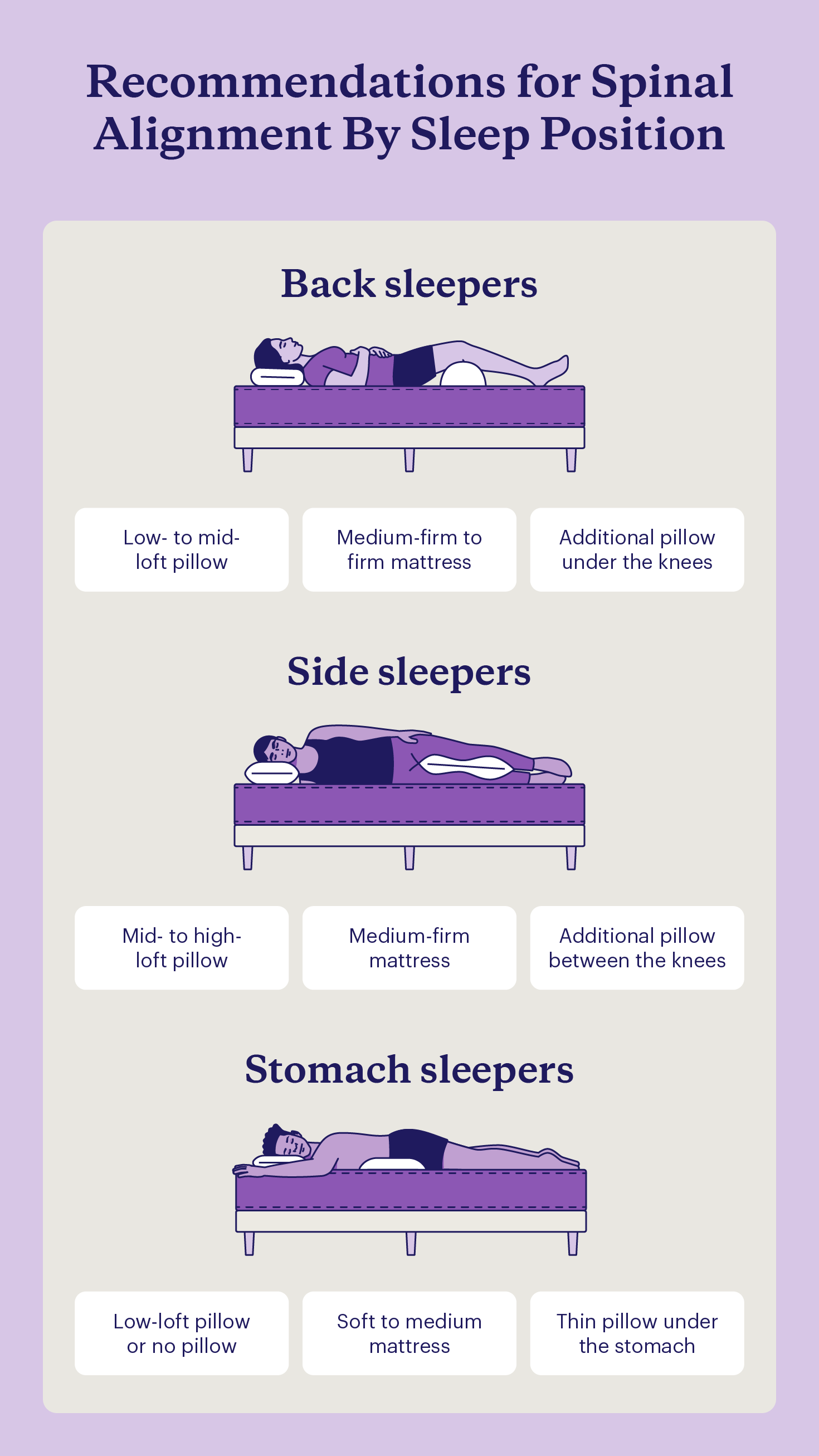
Back sleepers typically find the most relief on a firm or medium-firm mattress. In this position, the mattress must fill the small gap in the lower back (the lumbar region) while supporting the weight of the buttocks. A firm surface ensures the hips do not drop, which would otherwise pull the lower spine out of alignment and cause dull, aching pain in the morning.
Stomach Sleepers: Preventing Lumbar Over-Extension
Stomach sleepers require the highest level of firmness. Sleeping on the stomach naturally puts the lumbar spine into an arched position. If the mattress is even slightly soft, the pelvis sinks deep into the bed, exaggerating this arch (hyperextension). This is one of the most common causes of acute lower back pain. A firm mattress provides a stable platform that keeps the torso level, significantly reducing the risk of spinal misalignment.
Side Sleepers: The Firmness Threshold
Side sleepers face a unique challenge. While they still need structural support to prevent the waist from sagging, they also require significant "give" for the shoulders and hips. If a side sleeper uses a mattress that is too firm, their spine may end up curved like a bow because the shoulders cannot sink in. For these individuals, a "firm" mattress usually requires a sophisticated zonal support system, where the middle of the mattress is firm, but the areas under the shoulders are slightly softer.
Material Science: What Makes a Mattress "Firm" in 2026?
The construction of a mattress determines how it handles load and provides support. In 2026, several key technologies dominate the firm mattress market, each offering different benefits for back pain sufferers.
- Natural Latex: Known for its "buoyant" feel, latex provides an immediate push-back. Unlike memory foam, which allows the sleeper to sink "into" the material, latex keeps the sleeper "on top" of the mattress. This is highly effective for maintaining alignment without feeling trapped.
- High-Density Polyfoams: Modern high-density foams are engineered with higher Indentation Load Deflection (ILD) ratings. This means they require more weight to compress, providing a stable base that resists sagging over years of use.
- Pocketed Coil Hybrids: These mattresses combine a supportive spring base with foam or latex top layers. The individual coils move independently, allowing the mattress to provide firm support to the heavy torso while contouring slightly to the rest of the body.
- Zoned Support Layers: This is a critical development for back health. These mattresses utilize different densities of foam or different coil tensions across the surface. By placing firmer materials under the hips and softer materials under the head and feet, the mattress mimics the body's weight distribution.
The Relationship Between Body Weight and Perceived Firmness
Firmness is subjective and is intrinsically linked to a sleeper's body mass index (BMI). A mattress that feels "firm" to a person weighing 150 pounds may feel "soft" to a person weighing 250 pounds.
- Lightweight Sleepers (Under 130 lbs): These individuals may find a standard firm mattress too hard because they do not have enough mass to compress the comfort layers. For them, a medium-firm mattress acts like a firm one.
- Average Weight Sleepers (130 - 230 lbs): This group typically aligns well with the manufacturer's firmness ratings. A "7 or 8 out of 10" on the firmness scale usually provides the necessary support for back pain relief.
- Heavyweight Sleepers (Over 230 lbs): These sleepers require extra-firm support or mattresses specifically engineered for higher weight capacities. Thicker coils and higher-density foams are necessary to prevent the sleeper from "bottoming out" against the mattress base.
Comparison of Firmness Levels and Suitability
The following table outlines how different firmness levels (on a scale of 1-10) typically interact with different sleep profiles to address back pain.
| Firmness Rating | Category | Best For | Back Pain Impact |
|---|---|---|---|
| 3 - 4 | Soft / Plush | Lightweight side sleepers | Poor for back pain; lacks midsection support. |
| 5 - 6 | Medium | Side sleepers, multi-positional | Balanced; good for pressure relief but may sag for heavy users. |
| 7 - 8 | Firm | Back/Stomach sleepers, average to heavy weight | Optimal for most back pain sufferers; maintains spinal neutrality. |
| 9 - 10 | Extra Firm | Heavy stomach sleepers, medical specific | Maximum support; may cause pressure points for lighter individuals. |
Common Mistakes When Choosing a Firm Mattress
Many people seeking relief from back pain make the mistake of choosing a mattress based on a five-minute "sit test" in a showroom. This is often misleading because the spine takes time to settle.
Confusing Hardness with Support
A mattress can be hard (like a floor) without being supportive. Support refers to the mattress's ability to contour to the spine's natural shape while holding it in place. A "hard" mattress that doesn't contour at all will leave gaps under the lumbar spine, leading to muscle tension.
Ignoring the Foundation
A firm mattress placed on an old, sagging box spring or an incompatible slatted frame will lose its effectiveness. In 2026, most manufacturers recommend a solid platform or reinforced slats (no more than 3 inches apart) to ensure the mattress provides the level of firmness it was designed for.
Failing to Account for the Break-in Period
New firm mattresses often have a "break-in" period of 30 to 60 nights. During this time, the materials soften slightly and the sleeper's body adjusts to the new alignment. It is common to experience increased discomfort for the first week as the muscles relearn how to relax in a neutral position.
Troubleshooting: When a Firm Mattress Isn't Enough
If you have transitioned to a firm mattress and still experience back pain, several factors may be at play.
- Pillow Loft: Your pillow must complement your mattress. A firm mattress keeps your body higher on the surface. If your pillow is too thick, it may push your neck upward, causing upper back and neck pain.
- Chronic Underlying Conditions: While a mattress can ease pain caused by poor posture or muscle strain, it cannot "cure" structural issues like severe scoliosis, advanced degenerative disc disease, or a fresh herniation without medical intervention.
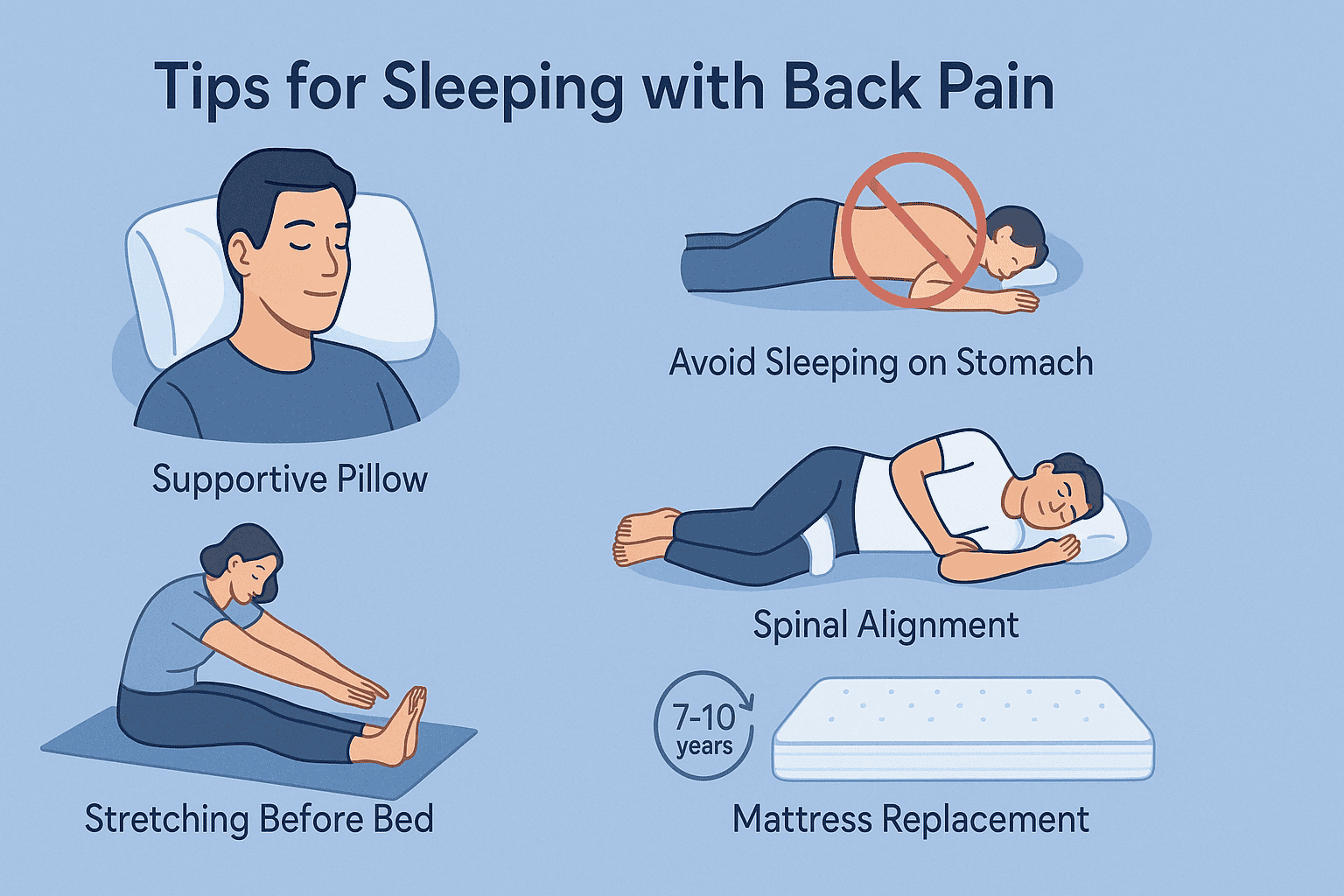
- Age of the Mattress: Even the firmest mattresses eventually lose their structural integrity. If a firm mattress is older than 7–10 years, it may have developed "invisible" sags that are no longer providing the necessary support.
FAQs
Can a mattress be too firm for back pain?
Yes. If a mattress is so firm that it creates gaps between your body and the surface (specifically under the lower back), your muscles will stay tense all night trying to bridge that gap. This leads to "tension pain" rather than "alignment pain." If you feel pressure points in your hips or shoulders that cause you to toss and turn, the mattress is likely too firm for your body type.
How do I know if my current mattress is too soft?
If you wake up with lower back pain that dissipates after 30 minutes of moving around, your mattress is likely too soft. Another sign is the "sinking" feeling where it is difficult to change positions or roll over. You can test this by placing a straight edge (like a yardstick) across the mattress; if there is a dip of more than an inch without anyone on it, the support core has failed.
Does a firm mattress help with sciatica?
Sciatica pain, which radiates from the lower back down the leg, is often caused by nerve compression. A firm mattress can help by preventing the pelvis from sinking, which reduces the "pinching" of the sciatic nerve in the lumbar region. However, side sleepers with sciatica may need a firm base with a memory foam topper to relieve pressure on the hip.
Are firm mattresses better for older adults?
Generally, yes. As we age, our spinal discs lose moisture and flexibility, making alignment more critical. However, older adults with conditions like arthritis may find extra-firm mattresses too painful on their joints. A medium-firm mattress with a high-quality comfort layer is usually the recommended balance for seniors.
Can I make a soft mattress firmer with a topper?
It is very difficult to make a soft mattress firm with a topper. While a firm topper (like one made of high-density latex) can provide a more stable surface, it will eventually follow the "dip" of the soft mattress underneath. Toppers are best for making firm mattresses softer, not the other way around.
What is the best mattress material for lower back pain?
In 2026, hybrid mattresses and natural latex are considered the top choices. Hybrids offer the traditional support of steel coils with the pressure relief of foam, while latex provides a durable, responsive surface that prevents the "stuck" feeling that can exacerbate back stiffness.
Practical Recommendation
If you are suffering from back pain and currently sleep on a soft or sagging surface, transitioning to a medium-firm or firm mattress is a scientifically backed step toward relief. Start by identifying your primary sleeping position and BMI to determine the specific level of firmness you require. When shopping, prioritize mattresses with zonal support and high-density materials. Always ensure the mattress comes with a sleep trial of at least 90 days to allow your body through the necessary adjustment period. If pain persists or is accompanied by numbness or tingling, consult a healthcare professional to rule out underlying neurological or structural conditions.