Attenta, operating as a specialized provider in the insurance and risk management landscape, offers structured workers compensation solutions designed to assist businesses in mitigating workplace injury liabilities while ensuring regulatory compliance. For employers and stakeholders, understanding this coverage requires a grasp of how these policies interact with state-mandated statutes, claims handling processes, and the administrative mechanisms used to maintain compliance throughout the 2026 fiscal year.
The Role of Workers Compensation in Modern Business
Workers compensation is a form of business insurance that provides wage replacement and medical benefits to employees injured in the course of employment. In exchange for these mandatory benefits, employees generally relinquish the right to sue their employer for the tort of negligence. For organizations utilizing Attenta’s services, the primary focus is on balancing the statutory obligations—which vary significantly by jurisdiction—with efficient claims management and risk mitigation strategies.
Unlike general liability insurance, workers compensation is a no-fault system. This means that the employee does not need to prove the employer was negligent to receive benefits. The coverage is strictly triggered by an injury or occupational illness arising out of and in the course of employment. Attenta’s approach to this coverage typically involves the integration of policy administration, premium auditing, and, in many cases, a focus on return-to-work programs that aim to minimize the duration of disability and associated indemnity costs.
Prerequisites for Coverage and Policy Activation
Before a business can effectively utilize an Attenta workers compensation policy, specific prerequisites must be met. These are not merely administrative hurdles but legal requirements that ensure the policy is valid and enforceable.
- Business Entity Verification: The policyholder must be a legally registered entity. Attenta requires proof of business incorporation, tax identification numbers (such as an EIN), and valid operational licenses in the states where they plan to conduct business.
- Classification of Payroll: Every employee must be categorized under specific class codes established by the National Council on Compensation Insurance (NCCI) or the relevant state-specific rating bureau. These codes reflect the level of risk associated with specific job functions. Accurate classification is the single most significant factor in determining premiums.
- Loss History Disclosure: Applicants are required to provide their Experience Modification Factor (Ex-Mod) and a history of claims for at least the past three to five years. This data is critical for underwriting and determines whether the organization qualifies for competitive pricing.
- Safety Program Documentation: Many carriers, including those within the Attenta framework, favor businesses that demonstrate proactive safety cultures. Providing evidence of written safety manuals, documented training sessions, and active accident prevention committees can influence the premium calculation and underwriting approval.
Understanding the Claims Process
When a work-related injury occurs, the efficiency of the claims process is paramount. The goal is to provide immediate medical attention while controlling administrative and litigation costs.
- First Report of Injury (FROI): The employer is legally obligated to file an FROI with the carrier and the state regulator within a mandated timeframe, usually ranging from 24 hours to 10 days depending on the state. Delaying this report is a common mistake that can lead to fines and increased claim costs.
- Medical Management: Attenta-related policies often utilize managed care networks. These networks help control costs by directing injured employees to preferred providers who are experienced in treating occupational injuries and facilitating return-to-work transitions.
- Indemnity and Benefit Calculation: If an employee is unable to return to work immediately, the policy provides indemnity benefits. These are typically calculated as a percentage of the employee’s Average Weekly Wage (AWW), subject to state-defined minimums and maximums.
Comparative Overview of Policy Components
The following table summarizes the core components of workers compensation coverage to assist employers in comparing standard policy features provided through managed platforms like Attenta.
| Component | Description | Impact on Employer |
|---|---|---|
| Statutory Benefits | Medical and wage replacement mandated by state law. | Essential; non-negotiable compliance. |
| Employers Liability | Coverage for lawsuits alleging employer negligence outside of statutory benefits. | Provides a critical buffer against litigation. |
| Experience Mod (Ex-Mod) | A multiplier based on historical loss data. | Directly inflates or deflates future annual premiums. |
| Managed Care Networks | Use of pre-approved medical providers. | Reduces overall medical costs and claim duration. |
| Premium Audits | Year-end reconciliation of actual payroll vs. estimated. | Ensures accurate premium payment; prevents over/underpayment. |
Navigating Premium Audits and Financial Compliance
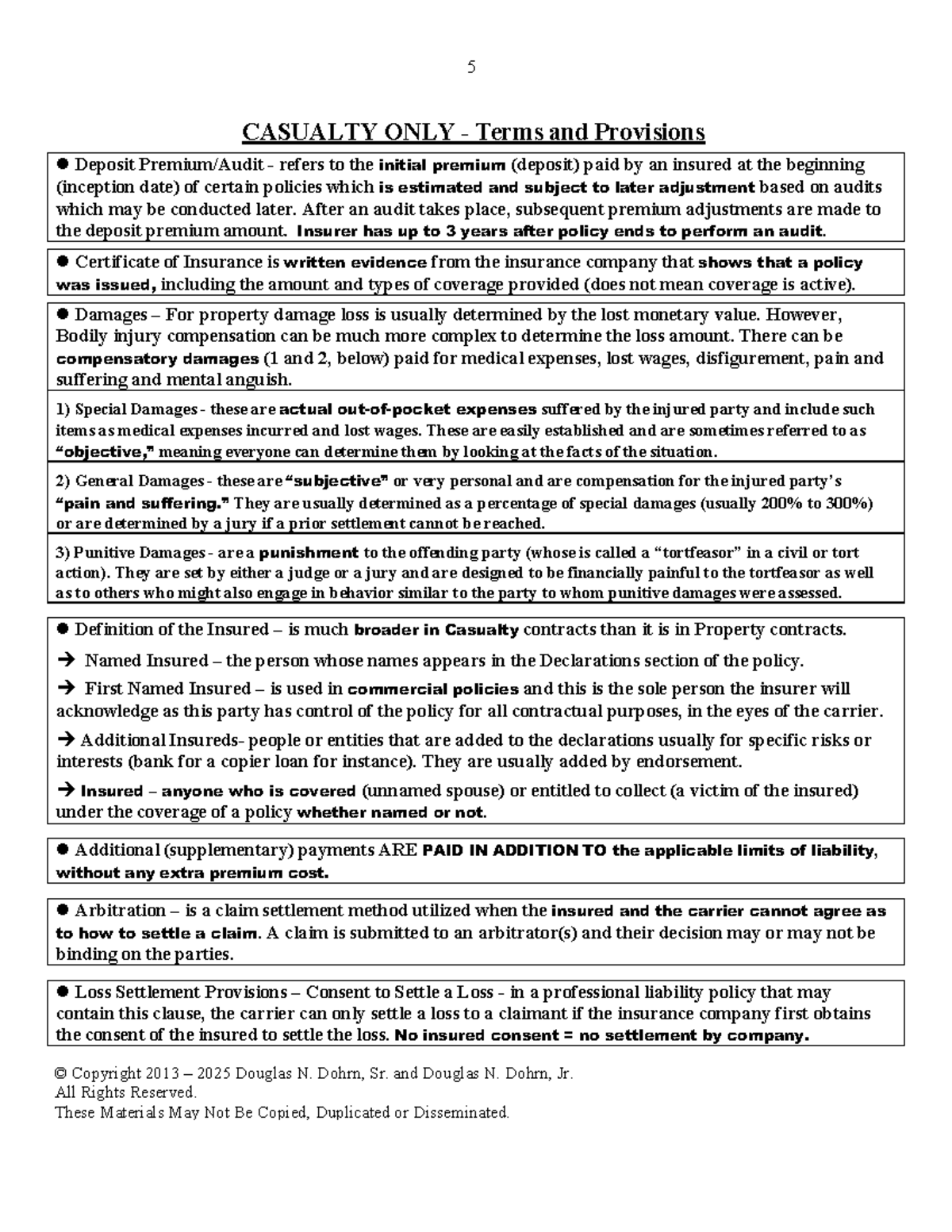
At the conclusion of each policy term, Attenta will typically conduct a premium audit. This process is often a point of confusion for small business owners. An audit is not an investigation into wrongdoing but a reconciliation of the estimated payroll used to set the initial premium against the actual payroll processed during the policy year.
If a company grows rapidly, the actual payroll will exceed the estimate, resulting in an additional premium due. Conversely, if a business reduces its headcount, it may be entitled to a premium refund. Maintaining meticulous payroll records, including detailed documentation for independent contractors (who may be reclassified as employees if they do not meet strict independent status criteria), is the best way to ensure a smooth audit process. Failing to provide accurate documentation during an audit can result in the application of the maximum possible premium rate by the carrier.
Common Operational Challenges and Troubleshooting
Even with robust coverage, employers often encounter friction points. Recognizing these issues early can prevent minor administrative errors from ballooning into significant financial liabilities.
Misclassification of Employees
Misclassification remains the most common error in workers compensation. If a business classifies an office worker at a high-risk construction rate, it will overpay premiums. If it classifies a high-risk worker at a low-risk rate, it faces significant premium adjustments during an audit and potential non-compliance penalties. Periodically reviewing class codes with an insurance professional is essential.
The "Independent Contractor" Trap
Employers often assume that signing a contract labeled "Independent Contractor" exempts them from providing workers compensation. However, state regulators frequently use "Control and Direction" tests to determine the true relationship. If the company controls when, where, and how the work is performed, the worker is likely an employee, and the carrier will charge a premium for their payroll regardless of the contract status.
Underestimating Experience Modifications
An organization’s Experience Modification Factor (Ex-Mod) is a historical performance metric. If a company has high turnover and frequent small claims, its Ex-Mod will rise above 1.0, making it more expensive to insure. Improving internal safety and implementing a "light-duty" program—where injured workers perform tasks within their medical restrictions—can drastically reduce the costs of individual claims and improve the long-term Ex-Mod.
Regulatory Deadlines and Compliance Monitoring
In 2026, compliance requirements continue to be strictly enforced by state boards. Employers must ensure that the "Workers Compensation Notice" poster is displayed in a prominent area accessible to all employees. This notice informs workers of their rights and provides the contact information for the insurance carrier.
Furthermore, digital record-keeping is now the standard. Maintaining a secure portal for digital copies of all certificates of insurance (COIs) from subcontractors is vital. Relying on an outdated paper trail can leave a business vulnerable during a state investigation or a major claim event. Ensure that all digital systems are backed up and that access to sensitive employee medical information is restricted to authorized personnel only, in accordance with privacy laws.
Expert Guidance for Sustainable Coverage
To manage workers compensation effectively, view the policy not as a static annual expense, but as a dynamic tool for risk management. Establish a formal relationship with a broker or account manager at Attenta who can provide semi-annual reviews of your payroll and claims history.
Proactive communication is the best defense against escalating premiums. If your business model changes—for instance, if you pivot from manufacturing to distribution—notify your carrier immediately. Adjusting your policy mid-term is significantly less disruptive and less expensive than dealing with a massive retroactive premium adjustment after an audit. Always keep the contact information for your carrier’s claims department readily available in your safety manual to ensure that any workplace incident is reported immediately, facilitating faster recovery for the employee and lower costs for the company.
Frequently Asked Questions
Does workers compensation cover stress-related claims? Coverage for mental health or stress-related claims depends heavily on the jurisdiction. Some states allow it if the stress was caused by a sudden, extraordinary event, while others exclude it entirely. You should consult your specific policy documents or your Attenta representative to determine the scope of coverage in your state.
What happens if I fail to carry workers compensation insurance? Operating without mandatory workers compensation insurance is a severe violation in almost every jurisdiction. Consequences range from heavy daily fines and "stop-work" orders to criminal liability for business owners. In the event of an injury, the employer becomes personally liable for the full cost of medical care and lost wages.
Can I deduct the cost of workers compensation premiums? Yes, workers compensation premiums are generally considered a standard business expense and are fully tax-deductible for federal and state income tax purposes. Consult with your tax advisor to ensure your accounting practices align with current IRS guidelines for the 2026 tax year.
How often should I review my employee job classifications? You should conduct a review at least once a year, preferably two months before your policy renewal date. Additionally, you should review classifications whenever you introduce a new business line or significantly change the daily duties of your staff to ensure you are not paying excessive premiums for lower-risk roles.
Does a "light-duty" program actually lower my costs? Yes, it is highly effective. By bringing an injured employee back to the workplace for modified duties as soon as their physician permits, you shorten the duration of the "indemnity" portion of the claim. This keeps your claim costs lower, which directly helps in keeping your Experience Modification Factor (Ex-Mod) from rising, ultimately stabilizing your future premiums.