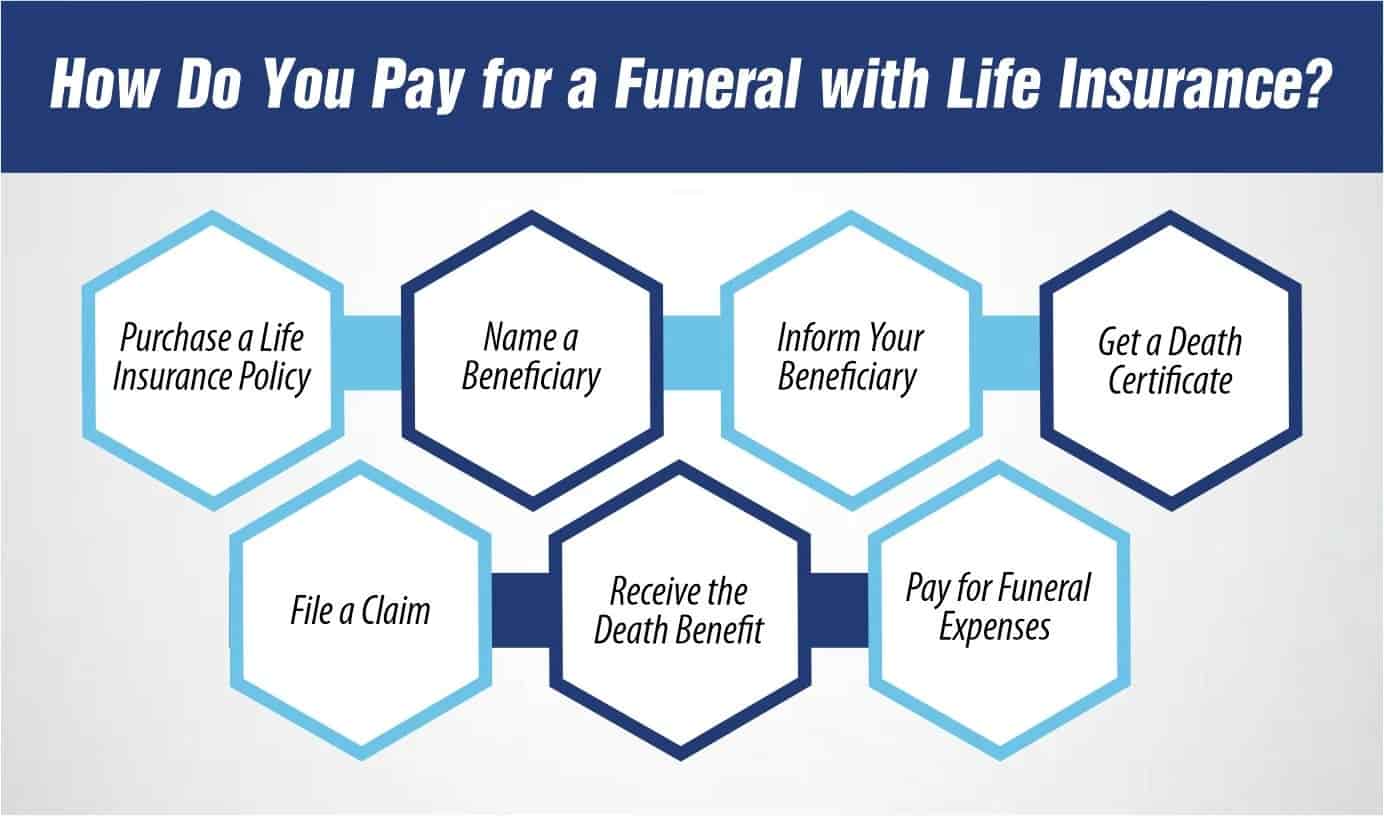
Assigning a life insurance policy to a funeral home is a financial arrangement that allows an individual to transfer the death benefit—or a designated portion of it—directly to a mortuary or funeral service provider to cover end-of-life expenses. This legal transaction acts as a funding mechanism for pre-planned or immediate funerals, guaranteeing that the chosen provider receives payment directly from the insurance company once the insured passes away, thereby bypassing the often lengthy traditional probate estate administration process.
Understanding the Assignment of Life Insurance Policies
The assignment of a life insurance policy is a formal contract adjustment where the policyowner transfers specific rights of their insurance policy to a third party, in this case, a licensed funeral establishment. This is distinct from simply naming a funeral home as a beneficiary. While a beneficiary designation gives someone the right to receive claim proceeds, an assignment is typically structured as an irrevocable or collateral agreement tied to a specific financial obligation for goods and services rendered.
When a consumer enters into a pre-need funeral contract, they must decide how to fund the arrangements. If they choose to use an existing or newly purchased whole life or universal life insurance policy, assigning the policy provides financial assurance to the funeral director. In return, the funeral home agrees to deliver the specific merchandise and services outlined in the contract at the prices agreed upon, subject to state consumer protection laws governing pre-need funeral arrangements.
Navigating this process requires a clear understanding of the legal distinctions between different types of assignments, the mechanics of insurance policy ownership, and the regulatory framework that protects consumers during vulnerable times. Because these financial decisions intersect with estate planning, family dynamics, and insurance law, careful evaluation is necessary before executing any transfer of policy rights.
Types of Insurance Policy Assignments
When transferring rights to a funeral home, insurers typically recognize two primary forms of assignments. Understanding which type is being utilized is critical, as it dictates who retains control over the policy's cash value and whether the assignment can be reversed.
Absolute Assignment
An absolute, or total, assignment permanently transfers all ownership rights, privileges, and control of the life insurance policy to the funeral home or a designated third-party trust. Once an absolute assignment is executed, the original policyowner loses all rights to change beneficiaries, take out policy loans, surrender the policy for cash, or alter the terms. This method is less common for standard funeral arrangements because it completely strips the consumer of any remaining policy equity if the funeral costs are less than the total death benefit.
Collateral Assignment
A collateral assignment is far more common in the funeral industry. Under this arrangement, the policyowner retains overall ownership of the life insurance policy, but assigns a specific, limited security interest to the funeral home up to the exact dollar amount of the funeral contract.
- Any death benefit remaining after the funeral home's invoice is fully paid is distributed to the secondary beneficiaries named on the policy.
- If the policy lapses or is canceled, the collateral interest may become void, though the consumer remains personally liable for the funeral debt unless a guaranteed pre-need contract is in place.
- The policyowner retains the right to redeem the collateral assignment once the financial obligation to the funeral home is satisfied or if another funding source is substituted.
The Step-by-Step Assignment Process
Executing an assignment of a life insurance policy to a funeral home involves coordination between the policyowner, the funeral director, and the insurance carrier. Rushing through these steps can lead to processing delays or administrative rejections by the insurance company.
- Selection of Funeral Goods and Services: The consumer meets with a licensed funeral director to itemize desired services, casket selections, cemetery fees, and ancillary costs, resulting in a signed Statement of Goods and Services Selected.
- Evaluation of Existing Coverage: The policyowner provides the insurance policy document to the funeral home to verify that the policy is active, ascertain the current death benefit, and check for any outstanding policy loans or liens.
- Execution of Assignment Forms: The insurance carrier’s specific assignment form—or a standardized collateral assignment form—must be completed and signed by the policyowner, the insured (if different), and witnesses or a notary public as required by the insurer.
- Submission to the Insurance Company: The completed assignment paperwork is submitted to the life insurance company for formal recording. The insurer will review the document to ensure it complies with company bylaws and state insurance regulations.
- Acknowledgment and Policy Update: The insurance company issues an acknowledgment letter confirming that the assignment has been officially recorded on its books, securing the funeral home's financial interest in the policy.
| Assignment Type | Control Retained by Owner | Primary Risk to Consumer | Common Use Case |
|---|---|---|---|
| Collateral Assignment | Yes (partial interest assigned) | Potential over-allocation of death benefit | Funding specific, itemized funeral contracts |
| Absolute Assignment | No (complete transfer of rights) | Loss of access to remaining cash value or equity | Irrevocable pre-funded funeral trust setups |
Legal, Financial, and Consumer Protection Considerations
Federal and state regulations strictly govern how pre-need funeral arrangements and insurance assignments operate. State insurance departments and attorney general offices monitor these transactions to prevent fraud and financial exploitation of seniors.
Irrevocable Versus Revocable Assignments
Depending on Medicaid planning goals, an assignment may be structured as revocable or irrevocable. A revocable assignment allows the policyowner to change their mind and cancel the assignment, but it does not shield the asset from Medicaid asset-spend-down rules if the individual applies for long-term care assistance. Conversely, an irrevocable assignment cannot be undone; the policy is permanently locked into funding the funeral. This irrevocable status is frequently utilized to shelter assets legally for Medicaid spend-down eligibility, as the funds are strictly dedicated to exempt burial expenses.
Potential Financial Pitfalls
Policyowners must be cautious regarding the face value of the policy relative to the actual cost of the funeral. If a $20,000 life insurance policy is assigned to a funeral home for a $10,000 funeral, the mechanics of the assignment must ensure that the excess $10,000 is safely directed back to the contingent beneficiaries rather than retained by the funeral establishment. Clear contractual language in both the funeral agreement and the assignment form is mandatory to prevent disputes.
Common Mistakes to Avoid
When dealing with life insurance assignments for end-of-life planning, minor oversights can lead to severe administrative delays during an emotionally charged time. Avoiding these pitfalls ensures a smooth transfer of funds.
- Failure to Verify Policy Status: Assigning a lapsed, term life insurance policy that is about to expire, or a policy burdened by maximum cash-value loans, can leave the funeral home completely unfunded upon death.
- Using Incorrect Insurer Forms: Each insurance company has proprietary assignment forms. Using a generic legal form obtained online often results in rejection by the insurance company's legal compliance department.
- Neglecting Beneficiary Alignment: Failing to update primary and secondary beneficiaries on the life insurance policy can create legal conflicts between the funeral home's collateral claim and the surviving family members' expectations.
- Ignoring Inflation and Guaranteed Pricing: A standard assignment without a guaranteed price contract may leave family members responsible for unexpected price increases between the time of planning and the time of death.
Alternatives to Assigning a Policy Directly
While assigning a policy to a funeral home is a direct solution, consumers have several alternative pathways to fund funeral and burial expenses without surrendering policy control.
- Designating a Trusted Beneficiary: Naming a trustworthy relative or executor as the direct beneficiary with the verbal or written understanding that they will use the funds to pay for the funeral. This avoids complex insurance assignments, though it relies entirely on the integrity of the beneficiary.
- Pre-Need Funeral Trust: Establishing a dedicated pre-need trust where cash payments are deposited into a regulated trust account or a specialized pre-need insurance product managed independently of the consumer's personal life insurance.
- Final Expense Insurance: Purchasing a small, standalone whole life insurance policy specifically designed for burial expenses, where the funeral home is named as a standard beneficiary rather than executing a formal collateral assignment.
- Transfer-on-Death (TOD) Bank Accounts: Setting up a payable-on-death account specifically designated for funeral expenses, giving a designated individual immediate access to liquid funds upon presentation of a death certificate.
Frequently Asked Questions
Can any type of life insurance policy be assigned to a funeral home?
Generally, whole life and universal life policies with cash value or guaranteed death benefits are eligible for assignment. Term life insurance policies are typically not accepted for permanent funeral assignments because they expire after a set period and do not build cash value, creating a high risk that the policy will terminate before the insured passes away.
What happens to the money if the funeral costs less than the policy payout?
If the transaction is executed via a collateral assignment, the funeral home receives only the exact amount owed for the contracted goods and services. Any remaining balance of the life insurance death benefit is automatically distributed to the secondary or primary beneficiaries designated on the policy.
Can an assignment of a life insurance policy be canceled?
Yes, if the assignment is structured as a collateral assignment and the funeral contract is canceled or paid for through an alternate source, the policyowner can request a release of assignment from the funeral home and submit it to the insurance carrier to restore full control of the policy. Irrevocable assignments, however, cannot be canceled.
Do funeral homes charge a fee for accepting a life insurance assignment?
Many funeral homes accept insurance assignments as a standard service, but some third-party processing companies used by mortuaries charge a verification or administrative fee—often ranging from 3% to 5% of the policy value—to handle the processing and wait for the insurance claim to clear. Consumers should always request an itemized disclosure of any administrative fees.
How long does it take for a funeral home to receive funds from an assigned policy?
The payout timeline depends entirely on the insurance company's claims department. Once the insured passes away, the funeral home submits the death certificate along with the assignment documentation. Processing typically takes anywhere from a few business days to several weeks, which is why funeral homes often require an assignment or guarantee before proceeding with services.
Conclusion
Assigning a life insurance policy to a funeral home is a practical mechanism to ensure end-of-life expenses are fully funded without requiring immediate out-of-pocket cash from grieving family members. By carefully evaluating whether a collateral or absolute assignment is appropriate, verifying policy terms, and ensuring that excess funds revert to designated beneficiaries, consumers can secure reliable funeral arrangements while maintaining financial clarity. Always consult with a licensed insurance professional or estate planning attorney to align these arrangements with broader financial and legal goals.