Finding the right support for a loved one facing a life-limiting illness involves balancing compassionate end-of-life care with the clinical expertise required to manage complex symptoms. In Thousand Oaks, California, families often encounter terms like "assisted hospice," which bridges the gap between traditional residential living, assisted living facilities, and Medicare-certified hospice care. Understanding how these services intersect in Ventura County can help families make informed, proactive decisions during deeply emotional times.
Understanding Hospice Care and Assisted Living in Thousand Oaks
To navigate end-of-life options effectively, it is essential to define what hospice care is and how it integrates into various residential settings throughout Thousand Oaks. Hospice is not a physical place, but a specialized philosophy of care focused on comfort, dignity, and quality of life for individuals with a terminal prognosis of six months or less, assuming the disease follows its normal course.
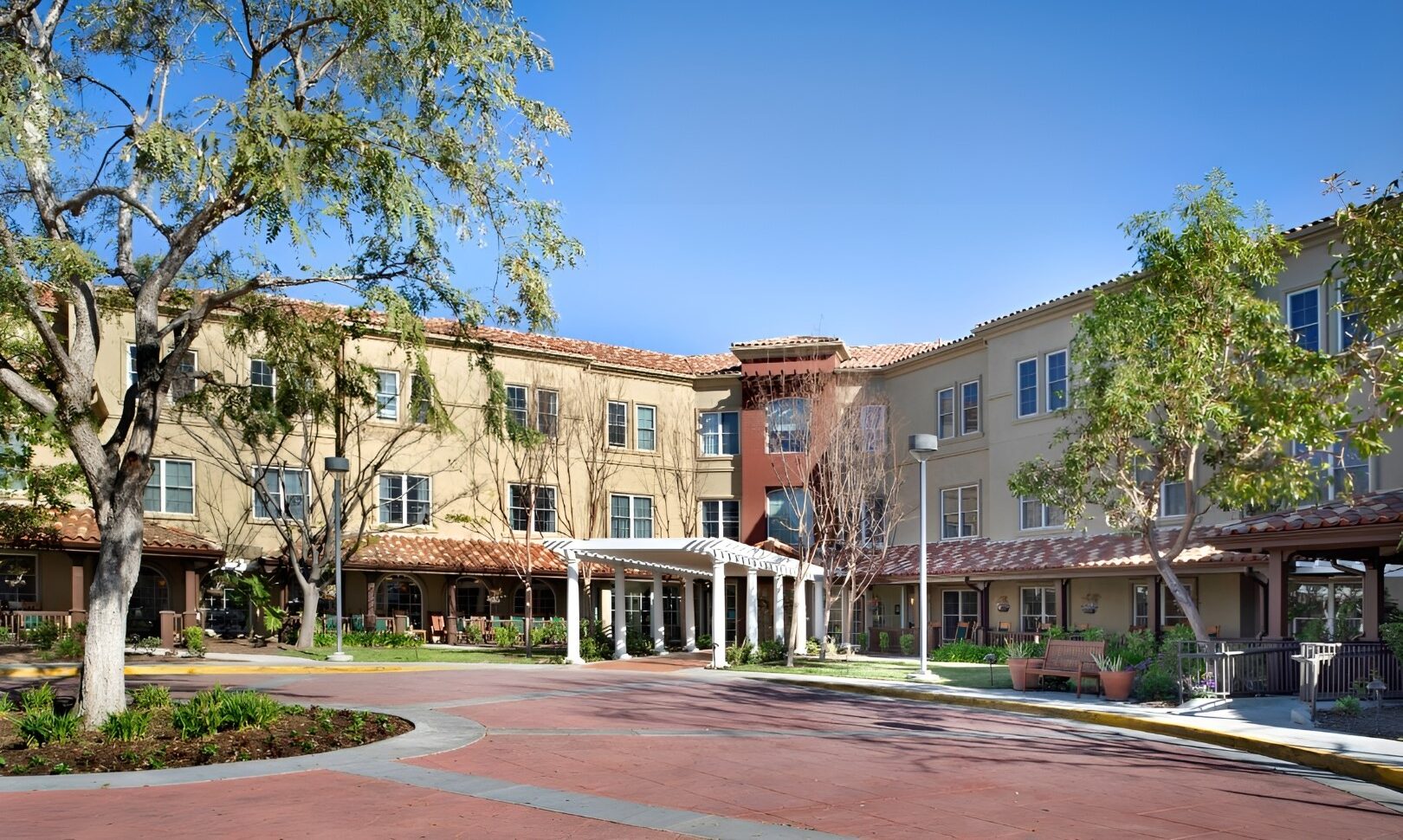
In Thousand Oaks, patients can receive hospice care wherever they call home. For many seniors, "home" might be a private residence, but for others, it is an Assisted Living Facility (ALF) or a Residential Care Facility for the Elderly (RCFE). When hospice clinicians visit an assisted living facility to provide specialized comfort care, the arrangement is often colloquially referred to as "assisted hospice."
Crucially, under California Department of Social Services (CDSS) Community Care Licensing regulations, assisted living facilities provide non-medical personal care (such as help with bathing, dressing, and medication management). They are not licensed to provide skilled nursing care around the clock. Therefore, when a resident in a Thousand Oaks assisted living facility requires hospice, a separate, Medicare-certified hospice agency is brought in. This creates a dual-support system: the assisted living staff manages daily care and room-and-board, while the hospice team—consisting of nurses, social workers, chaplains, and home health aides—manages the clinical, emotional, and spiritual aspects of the terminal illness.
The Landscape of Care Options in Ventura County
Families searching for assisted hospice support in Thousand Oaks generally choose between three primary environments. Each setting offers distinct benefits and operational limitations depending on the patient's acuity and family involvement.
1. In-Home Hospice Care
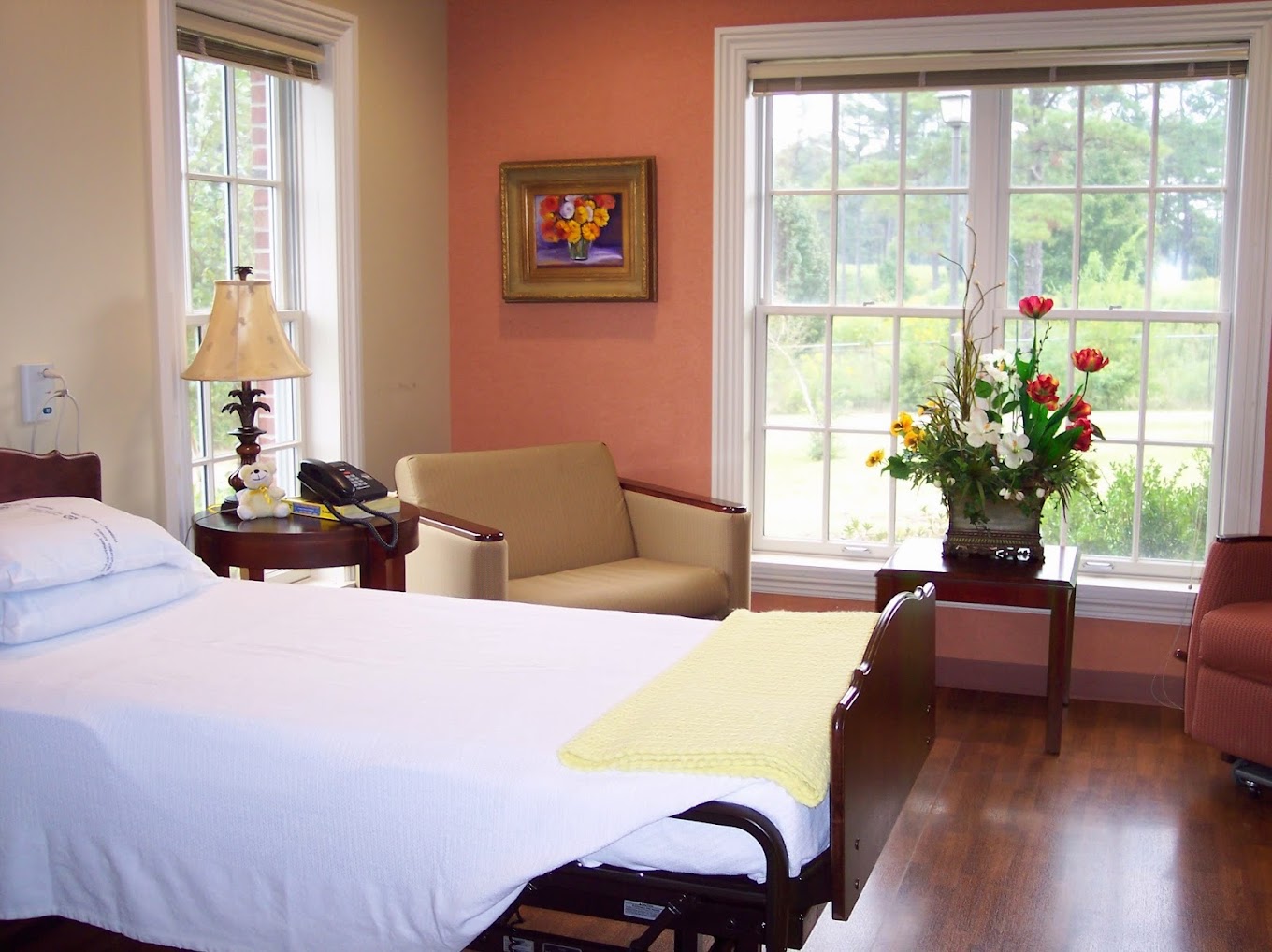
For patients remaining in a private Thousand Oaks residence, an interdisciplinary hospice team visits on a scheduled and as-needed basis. Family members typically act as the primary caregivers between visits.
- Pros: Maximum independence, familiar surroundings, personalized schedule.
- Cons: Can place a heavy physical and emotional burden on family caregivers; may require retrofitting the home with hospital beds and medical equipment.
2. Hospice Care within Assisted Living Facilities (ALFs)
Many assisted living and board-and-care homes in the Conejo Valley welcome outside hospice agencies. This allows residents to age in place rather than moving to a skilled nursing facility as their needs increase.
- Pros: 24/7 staff presence for personal care and safety supervision; socialization opportunities; meals and housekeeping provided.
- Cons: ALFs charge separate monthly room-and-board fees that are generally not covered by Medicare; facilities have specific waivers regarding what medical tasks staff can perform independently of the hospice nurse.
3. Dedicated Inpatient Hospice Facilities
When symptom management cannot be safely achieved at home or in an assisted living environment, patients may be transferred to a dedicated inpatient hospice facility or acute hospice unit. These facilities provide 24-hour round-the-clock licensed nursing care. While Thousand Oaks proper relies heavily on home-based and residential facility hospice care, regional options exist nearby in Ventura County and Greater Los Angeles for short-term crisis care or respite care.
Comparing Care Settings for End-of-Life Support
Evaluating where to establish care requires comparing the financial, clinical, and lifestyle factors of each environment. The matrix below outlines how these options differ for families in Thousand Oaks.
| Care Setting | Primary Provider | Medicare Coverage | Room & Board Coverage | Best Suited For |
|---|---|---|---|---|
| Private Home + Hospice Agency | Family + Visiting Hospice Team | Covered 100% for hospice services | N/A (Private residence) | Patients with strong family caregiver support at home. |
| Assisted Living Facility + Hospice | ALF Staff + Visiting Hospice Team | Hospice services covered; ALF costs out-of-pocket | Private pay / Long-term care insurance | Residents already in ALFs who wish to age in place. |
| Skilled Nursing / Inpatient Unit | 24/7 Facility Nursing Staff | Covered for short-term symptom crisis/respite | Covered under specific Medicare criteria | Patients requiring round-the-clock clinical intervention. |
Eligibility and Admission Requirements
Accessing Medicare-certified hospice care requires meeting specific clinical criteria established by the Centers for Medicare & Medicaid Services (CMS). Geographic location—such as residing in Thousand Oaks or the surrounding Conejo Valley—does not alter these federal guidelines, but local agency availability and bed capacities can vary.
Clinical Eligibility Criteria
- Medical Prognosis: Two physicians (the hospice medical director and the patient's attending physician) must certify that the patient has a life-limiting illness with a prognosis of six months or less if the disease runs its normal course.
- Shift in Treatment Goals: The patient and/or their legal surrogate must elect a palliative focus rather than a curative focus. This means stopping treatments aimed at curing the underlying disease, though comfort-directed therapies remain fully covered.
- Consent: The patient or legally authorized representative must sign an election statement choosing hospice benefits over standard Medicare benefits for the terminal condition.
Facility Admission Requirements (For Assisted Living Integration)
If the patient resides in or is moving into a Thousand Oaks assisted living facility while under hospice care, additional administrative steps apply:
- RCFE Assessment: The facility must conduct a pre-admission appraisal to ensure they can legally and practically meet the resident's non-medical needs under California Title 22 regulations.
- Hospice Waiver: The facility must hold the appropriate waivers from the California Department of Social Services to retain residents who are bedbound, require specialized care, or are approaching end-of-life.
- Interdisciplinary Care Plan: The hospice agency and the assisted living facility must coordinate a written agreement defining who is responsible for specific tasks (e.g., medication administration, turning the resident, wound care).
Financial Considerations and Insurance Coverage
Understanding the financial structure of assisted hospice care prevents unexpected out-of-pocket expenses.
What Medicare Covers
Under the Medicare Hospice Benefit (Part A), virtually all care related to the terminal diagnosis is covered at 100% with little to no out-of-pocket cost to the patient. This includes:
- Physician and nurse practitioner visits
- Medical social services
- Spiritual counseling and chaplain services
- Home health aide and homemaker services
- Medical equipment (hospital beds, wheelchairs, oxygen)
- Medical supplies (incontinence supplies, bandages)
- Prescription medications related to symptom control and pain relief
What Medicare Does Not Cover
- Room and Board in Assisted Living: Medicare does not pay for the rent, meals, or personal care services provided by an assisted living facility or residential care home in Thousand Oaks. Families must cover these costs privately using personal savings, pensions, veterans' benefits (such as the VA Aid and Attendance benefit), or long-term care insurance policies.
- Room and Board in Private Homes: Standard household expenses remain the responsibility of the family.
- Unrelated Medical Care: Treatments for conditions entirely unrelated to the terminal diagnosis remain under standard Medicare rules (Part A/B or Medicare Advantage).
Choosing a Provider in the Thousand Oaks Area
Selecting a hospice agency or evaluating an assisted living facility in Thousand Oaks requires careful research. Families should look for organizations that demonstrate high clinical standards, transparent communication, and strong local roots in Ventura County.
Questions to Ask Hospice Agencies
- Are you Medicare-certified and state-licensed?
- What is your average response time for emergency nurse visits in Thousand Oaks?
- How many nursing staff members are on call during nights and weekends?
- Do you have experience coordinating care with specific assisted living facilities in the Conejo Valley?
- What specific bereavement support services do you offer surviving family members for the standard 13-month post-loss period?
Questions to Ask Assisted Living Facilities
- Are you licensed by the California Department of Social Services to accept residents receiving hospice care?
- What is your staff-to-resident ratio during day and night shifts?
- Are outside hospice agencies allowed unrestricted access to visit residents at any hour?
- How do your staff members communicate changes in a resident’s condition to the hospice team?
Common Misconceptions About Hospice Care
Misinformation often prevents families from seeking timely support. Clearing up these myths ensures patients receive maximum benefit from comfort care services.
- Myth: Choosing hospice means giving up hope. Reality: Hospice shifts the definition of hope from curing a disease to achieving pain-free, meaningful days surrounded by loved ones. Early enrollment often improves quality of life and, in some documented cases, can even stabilize patients due to intensive symptom management.
- Myth: Hospice is only for the final days of life. Reality: While many patients enroll in their final weeks, the Medicare benefit covers six months or more. Utilizing care early allows the interdisciplinary team to build deep trust, manage symptoms proactively, and provide comprehensive family support.
- Myth: You cannot leave hospice if you improve. Reality: If a patient's condition stabilizes or goes into remission, they can be discharged from hospice care and return to traditional medical treatment. Patients can also re-enroll in hospice later if their illness progresses.
- Myth: Hospice means moving out of your home or assisted living facility. Reality: Hospice comes to wherever the patient lives. In Thousand Oaks, this is predominantly private homes and local residential care facilities.
Practical Next Steps for Families
Navigating end-of-life care can feel overwhelming, but breaking the process down into sequential steps provides clarity and control.
- Consult Primary Physicians: Speak directly with the patient's primary care physician or specialist in Thousand Oaks to discuss prognosis and whether a hospice referral is appropriate.
- Request Evaluations: Contact one or more Medicare-certified hospice agencies serving Ventura County to request an in-home or facility-based clinical evaluation.
- Review Living Arrangements: Assess whether the current home or assisted living environment can safely accommodate medical equipment like hospital beds and wheelchair access.
- Verify Financials: Gather insurance cards, power of attorney documents, and financial records to determine how room-and-board or private care costs will be managed.
- Establish the Care Plan: Once an agency and facility are chosen, coordinate the initial intake meeting to establish clear communication protocols between family members, facility staff, and hospice clinicians.
By approaching assisted hospice options in Thousand Oaks with clear information and realistic expectations, families can ensure their loved ones experience dignity, comfort, and compassionate support during life's final chapter.