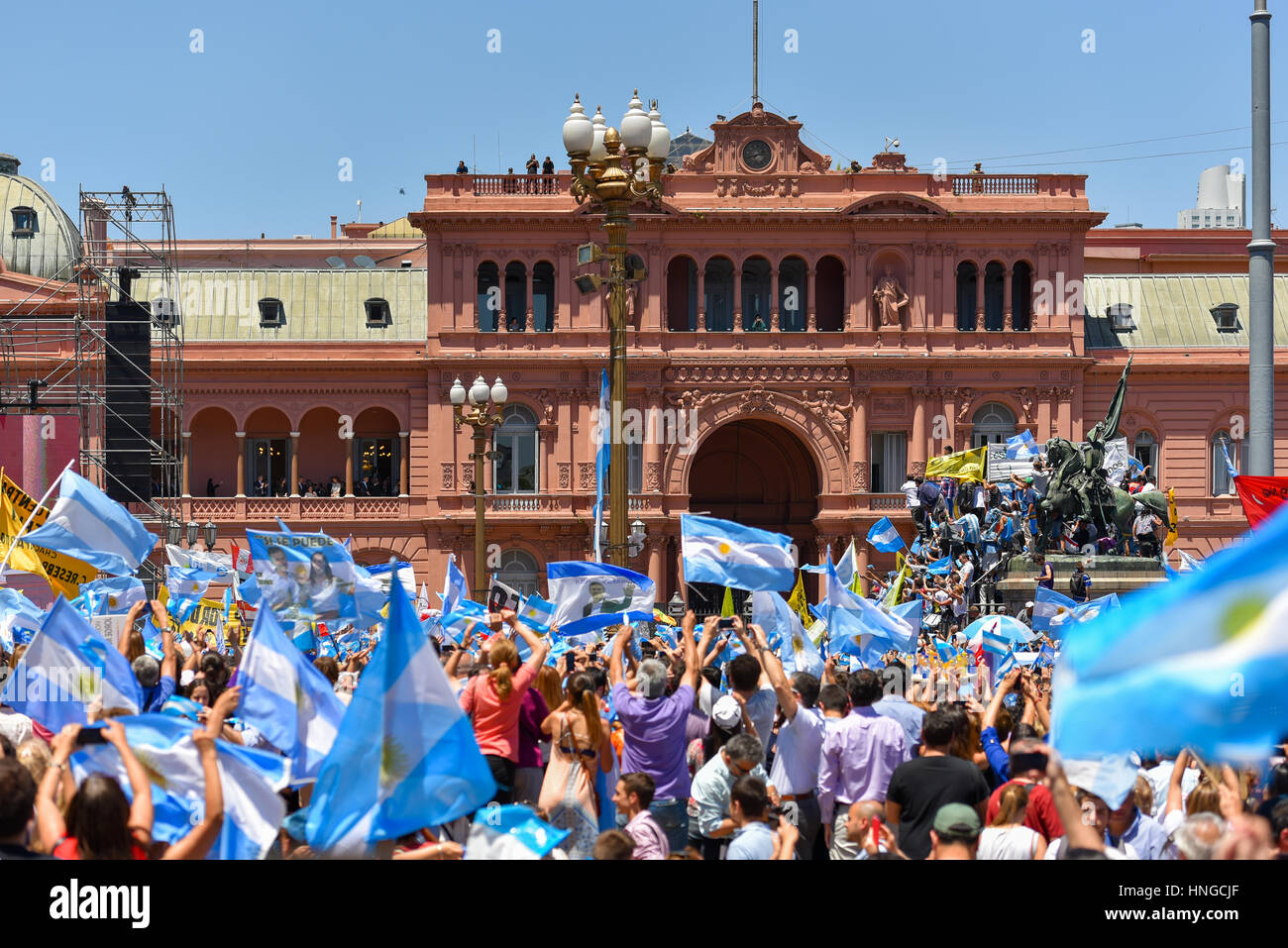
Argentina celebrates Independence Day every July 9th to commemorate the formal signing of the Declaration of Independence in 1816. Unlike the May Revolution of 1810, which established a local government, July 9th represents the definitive break from Spanish colonial rule and the birth of the sovereign Argentine Republic.
The celebration of Independence Day in Argentina is a profound display of national identity, combining solemn civic ceremonies with vibrant cultural festivities and a deeply rooted culinary tradition. In 2026, as the nation observes the 210th anniversary of this historic event, the significance of the "9 de Julio" remains a cornerstone of the Argentine spirit, reflecting a complex journey from a colonial territory to a modern independent state.
The Historical Path to Independence
To understand why Argentina celebrates Independence Day on July 9th, one must look back at the tumultuous decade leading up to 1816. The process was not an overnight occurrence but a grueling six-year struggle that began with the May Revolution in 1810.
The May Revolution vs. July 9th
A common point of confusion for those outside the region is the existence of two "independence" related holidays. On May 25, 1810, the citizens of Buenos Aires ousted the Spanish Viceroy and established the Primera Junta (First Junta). However, this government technically still claimed loyalty to the captive King Ferdinand VII of Spain, who had been deposed by Napoleon.
By 1816, the political landscape had shifted. Napoleon had been defeated, and Ferdinand VII had returned to the throne, determined to reclaim his American colonies by force. The patriots in the United Provinces of the Río de la Plata realized that half-measures were no longer sustainable. They needed a formal, legal, and international declaration of total independence to gain recognition and military support.
The Congress of Tucumán
The decision to declare independence was finalized in San Miguel de Tucumán, a city in the north of the country. Tucumán was chosen as the meeting point for several strategic reasons. Firstly, it was centrally located for the provincial delegates traveling by horse and carriage. Secondly, it was far enough from Buenos Aires to appease provincial leaders who were wary of the capital's centralized power. Lastly, it provided a defensive position against royalist forces moving south from Upper Peru (modern-day Bolivia).
On July 9, 1816, 29 delegates gathered at a modest colonial house—now famously known as the Casa de Tucumán—to sign the "Act of Independence of the United Provinces of South America." This document declared the provinces free from "the violent chain that linked them to the kings of Spain" and from any other foreign power.
How Argentina Celebrates Independence Day in 2026
In 2026, July 9th falls on a Thursday. Following standard labor and tourism practices in Argentina, the government often designates a "bridge holiday" (feriado puente) on Friday, July 10th, to create a four-day weekend. This allows citizens to travel, visit family, and engage more deeply in national festivities.
Civic Parades and Official Ceremonies
The primary official events take place in two major locations: San Miguel de Tucumán and the Autonomous City of Buenos Aires.
- Tucumán: As the "Cradle of Independence," Tucumán becomes the honorary capital of the country for the day. The President of Argentina and high-ranking officials usually travel to the Casa Histórica to pay homage to the delegates of 1816. The ceremony includes a traditional flag-raising, a Te Deum service at the local cathedral, and a massive military and gaucho parade along the main avenues.
- Buenos Aires: In the national capital, the celebrations are focused on the Avenida de Mayo and the 9 de Julio Avenue (the widest avenue in the world, named after the holiday). Military bands, historical regiments like the Granaderos a Caballo (Grenadiers on Horseback), and various security forces march in a display of national pride.
The Cultural Atmosphere: Peñas and Gaucho Traditions
Beyond the formal parades, Independence Day is a time for Peñas—folkloric music and dance festivals. These events celebrate the rural roots of the nation. In the "interior" provinces, gauchos (Argentine cowboys) dress in their finest traditional attire, including bombachas de campo (baggy trousers), rastras (ornate belts), and ponchos. They perform equestrian displays and compete in traditional games like la sortija.
Music is an essential part of the day. The sounds of the bombo legüero (drum) and the guitar fill the air as people dance the Chacarera, Zamba, and Gato. These folk dances, particularly the Zamba with its graceful handkerchief movements, serve as a living tribute to the country’s heritage.
The Gastronomy of July 9th: A Winter Feast
Because July 9th falls in the middle of the Southern Hemisphere’s winter, the culinary traditions associated with Independence Day are hearty, warm, and communal. The act of sharing a meal is central to the celebration, often involving large gatherings of family and friends.
Locro: The National Dish
The undisputed star of the Independence Day table is Locro. This is a thick, succulent stew of pre-Columbian origin, primarily made with white corn (hominy), beans, and various meats.
- Ingredients: Authentic locro includes pieces of beef, pork (often including trotters or ears for texture), chorizo colorado (spiced sausage), and bacon. The vegetables consist of squash or pumpkin, which melts into the broth to create a creamy, orange base.
- The Sarsa Frita: No locro is complete without a side of quiquirimichi or sarsa frita—a spicy sauce made from scallions, paprika, and chili flakes sautéed in animal fat or oil.
- Symbolism: Locro is more than just food; it is a symbol of social equality and national unity, as it was traditionally a dish shared by all strata of society during the revolutionary era.
Empanadas and Sweets
While empanadas are eaten year-round in Argentina, they hold a special place on patriotic holidays. On July 9th, they are typically fried (rather than baked) and filled with hand-cut beef, green onions, and egg. Each province has its own variation; for example, the Tucumana version is famous for being incredibly juicy and often includes a squeeze of lemon.
For dessert, two items are mandatory:
- Pastelitos: These are star-shaped, flaky puff pastries filled with either quince paste (membrillo) or sweet potato paste (batata). They are deep-fried and glazed with sugar. Historically, it is said that women sold these in the streets during the revolutionary days of May and July.
- Churros with Hot Chocolate: In the late afternoon, as the winter cold sets in, it is customary to consume thick Spanish-style hot chocolate paired with crispy churros, often filled with dulce de leche.
Comparison: May 25 vs. July 9
To clarify the distinction between the two major national holidays, the following table outlines their key characteristics:
| Feature | May 25 (Revolution Day) | July 9 (Independence Day) |
|---|---|---|
| Year | 1810 | 1816 |
| Primary Event | Creation of the first local government. | Formal Declaration of Independence. |
| Key Location | Cabildo of Buenos Aires. | Casa de Tucumán. |
| Status of the King | Masked loyalty to Ferdinand VII. | Total break from the Spanish Crown. |
| Atmosphere | Political upheaval and revolution. | Nation-building and legal sovereignty. |
| Common Foods | Locro, Empanadas, Pastelitos. | Locro, Empanadas, Pastelitos. |
Symbolism: The Sun of May and the Cockade
During Independence Day celebrations, the streets of Argentina are awash in light blue and white (celeste y blanca). The national flag is displayed prominently from balconies, businesses, and public buildings.
The Sun of May (Sol de Mayo), featuring a human face with 32 rays, is the central emblem on the flag. It represents Inti, the Incan god of the sun, and symbolizes the rising of a new nation.
Another important symbol is the Escarapela (cockade). This is a small ribbon or pin in the national colors worn on the chest over the heart. While its use is encouraged during the "Patriotic Week" leading up to May 25th, it is also a staple accessory for students, teachers, and public officials during the July 9th festivities. The cockade serves as a badge of citizenship and a reminder of the civilian efforts that supported the military struggle for freedom.
Practical Information for Travelers in 2026
If you are planning to visit Argentina during the Independence Day celebrations in 2026, there are several logistical factors to consider.
- Closures: July 9th is a "feriado inamovible" (non-movable holiday). Most banks, government offices, and schools will be closed. In 2026, the likely bridge holiday on July 10th means a significant portion of the workforce will be off for four days.
- Public Transport: Services usually run on a Sunday or holiday schedule, meaning reduced frequency. However, in Buenos Aires, the subway (Subte) and buses are often crowded around the parade routes.
- Dining: Many restaurants offer special "Patriotic Menus" featuring locro and empanadas. It is highly recommended to book a table in advance, as these venues fill up quickly with local families.
- Weather: July is one of the coldest months in Argentina. In Buenos Aires, temperatures often hover between 8°C and 15°C (46°F to 59°F), while in Tucumán, the days can be sunny but the nights are quite chilly. Pack warm layers.
Frequently Asked Questions
Why is Argentina’s Independence Day celebrated in Tucumán instead of Buenos Aires?
The Congress was held in Tucumán to demonstrate unity among the provinces and to avoid the perception that Buenos Aires was the sole ruler of the territory. Additionally, Tucumán was safer from Spanish naval attacks and provided a strategic inland base for the liberation armies.
What is the "Casa de Tucumán"?
The Casa Histórica de la Independencia is the colonial house where the Declaration of Independence was signed. While much of the original structure was demolished in the late 19th century, the "Salón de la Jura" (the room where the oath was taken) was preserved. The house was later reconstructed and is now a national museum and the center of July 9th activities.
Is Argentina’s Independence Day the same as its National Day?
Argentina has several "National Days," but July 9th is considered the most significant alongside May 25th. July 9th specifically marks the legal birth of the republic as an independent entity on the world stage.
What is the significance of the "Granaderos"?
The Regimiento de Granaderos a Caballo was created by José de San Martín, the nation’s greatest hero. They are the elite guard of the President and play a central role in all July 9th parades, wearing their iconic historical uniforms from the 19th-century wars of independence.
Is everything closed on July 9th?
Most retail stores in large shopping malls remain open, but smaller neighborhood shops and all administrative/financial institutions close. Tourist attractions, museums (like the Casa de Tucumán), and restaurants usually remain open to accommodate the holiday crowds.
Next Steps for Experiencing July 9th
To fully appreciate the spirit of Argentina’s Independence Day, one should look beyond the official ceremonies. If you are in Argentina, seek out a local club de barrio (neighborhood club) or a feria de mataderos (traditional market) to witness the most authentic celebrations. Engage with the locals, try a steaming bowl of locro, and listen to the strains of traditional folk music. For those studying the history, a visit to the National Historical Museum in Buenos Aires provides essential context on the artifacts and individuals who shaped the 1816 declaration.