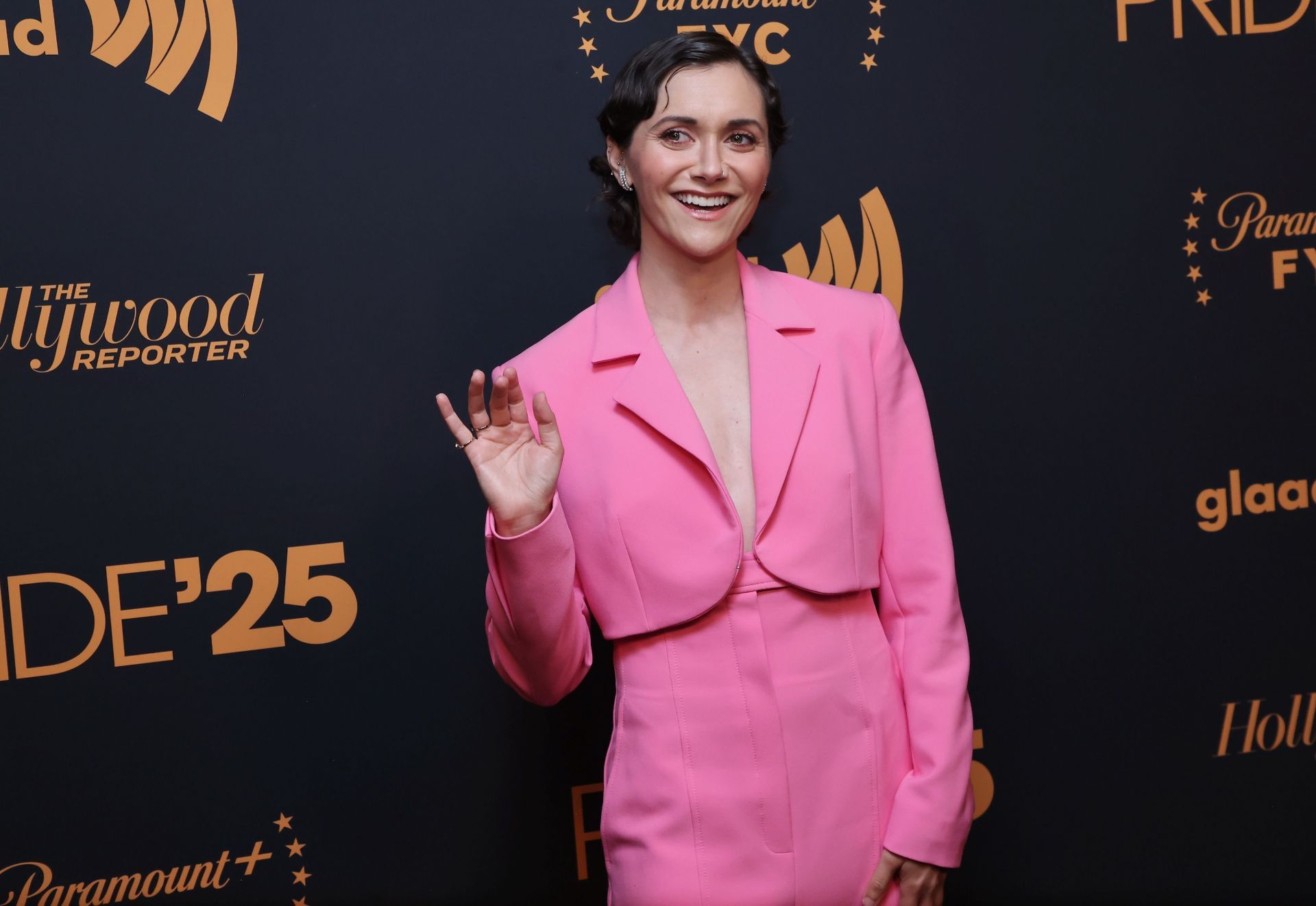
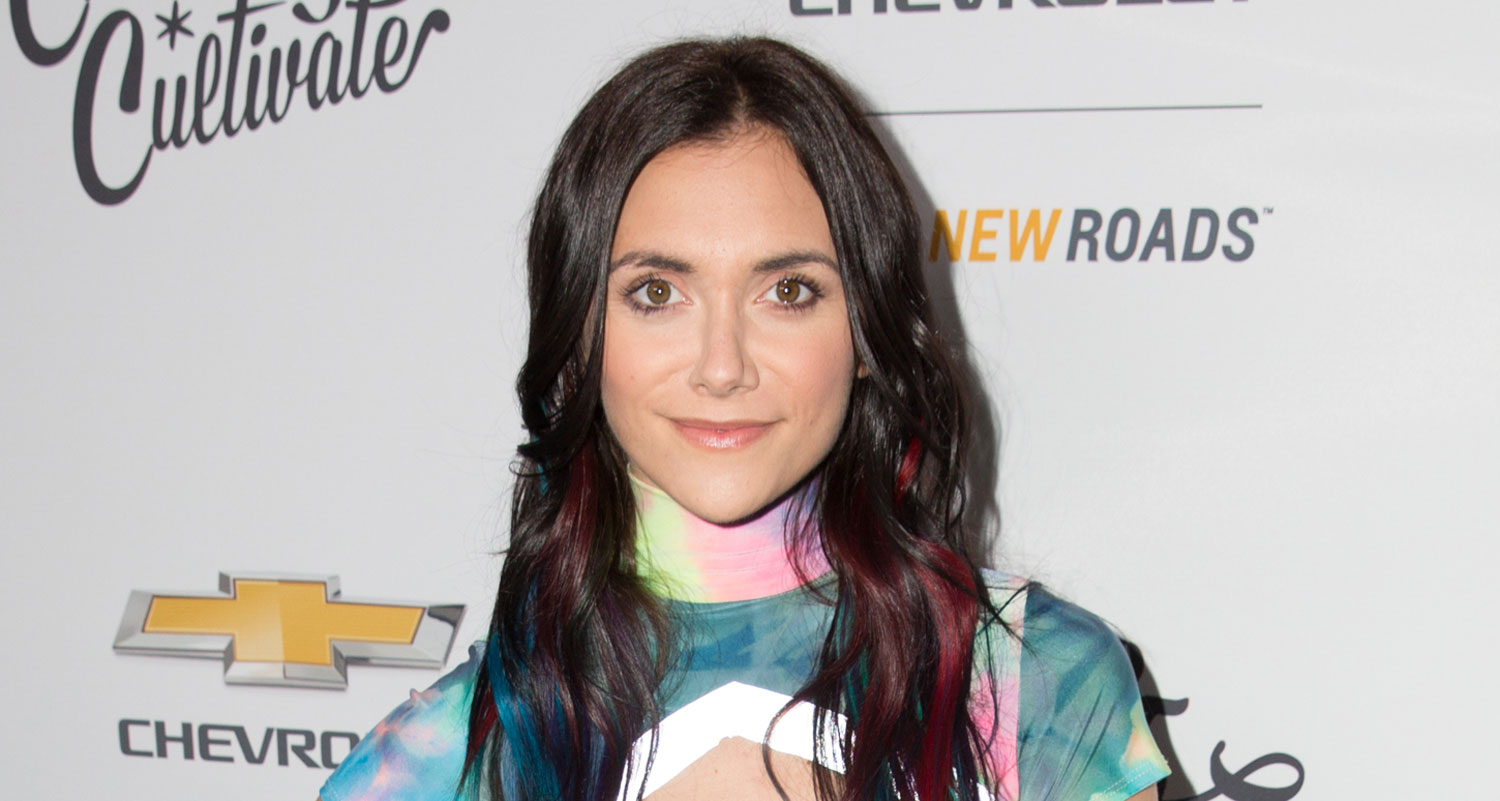
In March 2018, Alyson Stoner published a deeply personal essay in Teen Vogue, officially coming out and detailing their journey with sexual orientation. This milestone marked a significant shift from their "wholesome" child-star image to an authentic life as a queer, non-binary advocate, eventually leading to their 2021 announcement regarding they/them pronouns and pansexuality.
As of 2026, Alyson Stoner stands as one of the most prominent voices for mental health and ethical reform in the entertainment industry. Their journey of coming out was not a single moment but a multi-layered evolution that challenged the traditional Hollywood narrative for child stars. To understand the significance of Stoner’s disclosure, one must look at the intersection of their career, their conservative upbringing, and the broader cultural shifts regarding LGBTQ+ visibility in the 2010s and 2020s.
The 2018 Teen Vogue Essay: A Watershed Moment
The primary catalyst for Alyson Stoner’s public coming out was an essay titled "Alyson Stoner: Awakening," published on March 20, 2018. Unlike many celebrity "coming out" stories that rely on social media captions or brief interviews, Stoner chose a long-form narrative to explain the complexity of their feelings.
In the essay, Stoner described falling in love with a woman—a dance instructor—and the profound internal shift that followed. They wrote about the experience of realizing that their attraction was not limited by gender, stating, "I, Alyson, am attracted to men, women, and people who identify in other ways." This phrasing was a precursor to their later identification as pansexual.
The essay was revolutionary because it bypassed the typical sensationalism of celebrity gossip. Stoner focused on the "human-ness" of the experience, describing the physical and emotional sensations of falling in love. This approach provided a roadmap for other former child stars who felt pigeonholed by their past "Disney" or "Nickelodeon" personas. By reclaiming their narrative through a reputable publication like Teen Vogue, Stoner set a standard for intellectual and emotional depth in public disclosures.
Navigating Faith, Conversion Therapy, and Self-Acceptance
One of the most harrowing aspects of Stoner’s journey involves the conflict between their identity and their religious background. Stoner grew up in a conservative Christian environment where being LGBTQ+ was often framed as a moral failing or a condition to be "fixed."
In subsequent interviews following the 2018 essay, Stoner revealed that they had voluntarily sought out "outpatient" conversion therapy (sometimes referred to as sexual orientation change efforts or SOCE) during their early twenties. This decision was born out of a desperate desire to align their internal feelings with the religious doctrines they were raised with. Stoner has been vocal about the psychological toll this took, describing it as a period of intense self-shaming and mental health struggles.
The bravery required to discuss conversion therapy cannot be overstated. By sharing this part of their story, Stoner shed light on the dangers of these practices, even when they are "voluntary." As of 2026, Stoner continues to use their platform to advocate against conversion therapy, emphasizing that the trauma of such "treatments" can last for decades. Their story serves as a critical case study in the intersection of LGBTQ+ identity and religious deconstruction.
The Evolution of Identity: From Queer to Non-Binary
While the 2018 essay was the initial public step, Stoner’s identity continued to evolve as they gained more language to describe their experience. In 2021, Stoner officially announced that they identify as non-binary and use they/them pronouns.
Understanding Pansexuality and Non-Binary Identity
In Stoner's context, identifying as pansexual means that their attraction is based on the person rather than their gender identity. This is distinct from bisexuality (though the terms can overlap), as it specifically highlights the irrelevance of gender in the attraction process.
Identifying as non-binary means that Stoner does not identify exclusively as male or female. This revelation was particularly poignant given Stoner’s history as a performer. In Hollywood, child stars are often forced into highly gendered roles—the "tomboy" or the "pretty girl." For Stoner, who was often cast in "tomboy" roles in films like Cheaper by the Dozen and Step Up, the non-binary identity was a way to break free from the industry’s binary casting constraints.
Impact on the "Disney Channel Alum" Narrative
Alyson Stoner belongs to a specific generation of Disney Channel stars—including Demi Lovato, Miley Cyrus, and Raven-Symoné—who have come out as members of the LGBTQ+ community. Stoner’s path, however, was uniquely focused on the psychological and systemic issues within the industry.
| Year | Milestone | Disclosure/Action |
|---|---|---|
| 2018 | Teen Vogue Essay | Publicly disclosed attraction to women; first "coming out." |
| 2018 | "When It's Right" | Released a single/music video celebrating their journey. |
| 2021 | Non-Binary Announcement | Officially adopted they/them pronouns and the pansexual label. |
| 2023 | "Dear Hollywood" Series | Launched a podcast/video series exploring the ethics of child stardom. |
| 2024-26 | Ongoing Advocacy | Focus on mental health, movement therapy, and industry reform. |
The "Disney to Queer" pipeline is a phenomenon often discussed by cultural critics. For performers like Stoner, the transition from a "wholesome" brand to an authentic adult identity is fraught with legal and professional risks. Stoner has spoken about the fear of losing work or being blacklisted after coming out, a reality that many LGBTQ+ actors still face in the mid-2020s.
Professional Evolution: The "Dear Hollywood" Era
Following their coming out, Stoner’s career trajectory shifted away from traditional acting roles toward advocacy and educational content. This culminated in the "Dear Hollywood" series, where Stoner dissected the "pedagogical and psychological" failures of the entertainment industry regarding child performers.
This advocacy is inextricably linked to their coming-out journey. Stoner argues that the "compartmentalization" required to be a child star—hiding one's true self to maintain a brand—is a form of developmental trauma. By coming out, Stoner didn't just share their sexual orientation; they dismantled the "persona" that had been built by corporate interests.
In 2026, Stoner’s work with "Movement Genius" (their wellness platform) continues to emphasize the connection between the body and identity. They teach that "reclaiming the body" is a vital step for LGBTQ+ individuals who have experienced trauma or societal rejection. This holistic approach has made Stoner a leader in the field of "somatic healing" for the queer community.
Navigating the Industry as a Non-Binary Performer
The practicalities of being a non-binary performer in 2026 involve navigating a world that is still largely built on gender binaries. From awards categories (Best Actor vs. Best Actress) to casting calls, Stoner has been a vocal critic of the limitations placed on non-binary artists.
They have chosen to focus on voice acting and independent projects where their identity is respected rather than "managed." Their role as Isabella in Phineas and Ferb remains a fan favorite, and Stoner has used that legacy to connect with younger generations of LGBTQ+ fans who see themselves in the evolution of the actors they grew up watching.
FAQs: Common Questions About Alyson Stoner's Journey
When did Alyson Stoner first come out?
Alyson Stoner first came out publicly on March 20, 2018, through an essay in Teen Vogue. In the piece, they described their first romantic relationship with a woman and their realization that their attraction was not limited by gender.
What are Alyson Stoner's pronouns?
As of 2021, Alyson Stoner uses they/them pronouns. They identify as non-binary, meaning they do not identify exclusively as a man or a woman.
Is Alyson Stoner pansexual?
Yes, Stoner has embraced the label of pansexual. This means they are attracted to people regardless of their gender identity. Stoner has explained that they fall in love with the person’s "soul" and "vibe" rather than their physical or gendered attributes.
What has Alyson Stoner said about conversion therapy?
Stoner has been very transparent about their experience with "outpatient" conversion therapy in their 20s. They have described it as a damaging process driven by religious shame and have since become a staunch advocate for banning such practices globally, citing the severe mental health risks involved.
How has coming out affected Alyson Stoner’s career?
While Stoner initially feared professional repercussions, coming out allowed them to transition into a career focused on authenticity and advocacy. They launched the "Dear Hollywood" project and "Movement Genius," shifting from a traditional child-star path to becoming a respected voice in industry reform and mental health.
Who was the woman mentioned in Stoner's coming-out essay?
In the Teen Vogue essay, Stoner describes meeting a dance instructor who changed their perspective on love and identity. While the woman's name was not the focus of the piece, the relationship was the catalyst for Stoner's journey toward self-discovery.
Recommended Next Steps for Readers
For those looking to support the causes championed by Alyson Stoner or to explore their own identity, consider the following actions:
- Educate on Conversion Therapy: Learn about the legislative efforts to ban conversion therapy in various jurisdictions through organizations like The Trevor Project or GLAAD.
- Explore Movement Therapy: Check out Stoner’s "Movement Genius" platform, which offers trauma-informed wellness and movement practices designed to help individuals reconnect with their bodies.
- Support Ethical Entertainment: Watch Stoner’s "Dear Hollywood" series to better understand the challenges faced by child performers and how to advocate for more ethical industry standards.
- Use Correct Pronouns: Practice using they/them pronouns for Stoner and other non-binary individuals in your life. Respectful language is a foundational element of allyship.
Alyson Stoner’s journey is a testament to the power of reclaiming one's voice. In a world that often demands conformity, especially from those in the public eye, their commitment to authenticity has provided hope and clarity for millions of fans navigating their own paths toward self-acceptance.