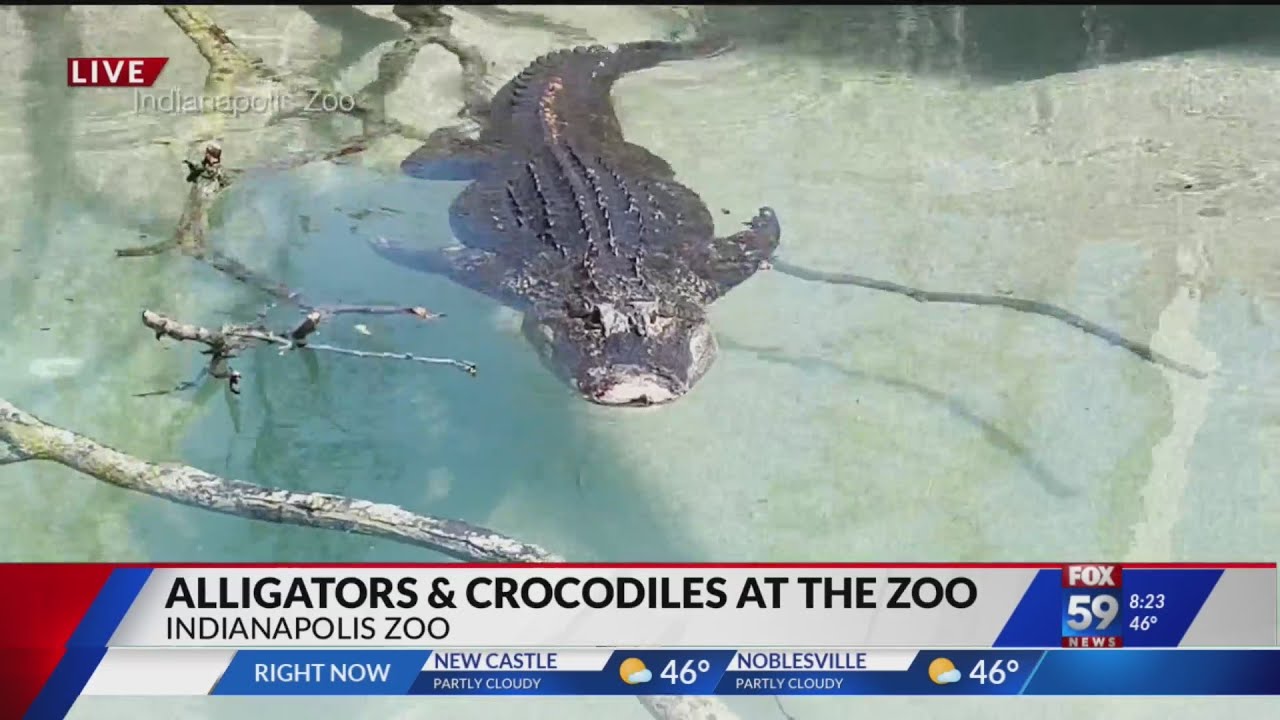
In Indiana, it is legal to own an alligator only if you possess a valid Wild Animal Possession Permit (WAPP) issued by the Indiana Department of Natural Resources (DNR). These reptiles are classified as Class III wild animals due to their potential size and danger. Unauthorized possession or the illegal release of an alligator into the wild is a criminal offense that results in animal seizure, fines, and potential jail time.
The Legal Framework: Indiana’s Wild Animal Possession Permit (WAPP)
As of 2026, the regulation of exotic and dangerous reptiles in Indiana remains governed primarily by the Indiana Administrative Code (specifically 312 IAC 9-11). The state does not implement a flat ban on crocodilians, but it maintains a rigorous regulatory gatekeeping system. The primary mechanism for legal ownership is the Wild Animal Possession Permit (WAPP).
The Indiana Department of Natural Resources (DNR) categorizes wild animals into three distinct classes based on the level of risk they pose to the public and the environment. Alligators (Alligator mississippiensis) and other members of the Order Crocodilia are designated as Class III animals. This is the most restrictive category, reserved for species that are "inherently dangerous" or require specialized care and high-security containment.
Understanding Class III Designations
A Class III designation means that the state views the animal as a significant liability. Unlike a Class I animal (such as certain squirrels or rabbits), a Class III permit involves a deeper background check, more frequent inspections, and stringent financial requirements. The state’s goal is not necessarily to encourage ownership, but to ensure that anyone who does own an alligator is professionally equipped to prevent escapes and provide a humane environment.
The permit must be renewed annually. For the 2026 cycle, the application process requires the submission of a detailed facility plan, proof of insurance, and a fee. It is important to note that a state permit does not override local municipal ordinances. If a specific city or county in Indiana has banned exotic reptiles, the DNR permit will not protect the owner from local law enforcement action.
Mandatory Requirements for Ownership in 2026
To qualify for a Class III WAPP in Indiana, an applicant must meet several rigorous standards. These are designed to protect the animal from neglect and the public from the risk of predatory attacks.
1. Facility and Enclosure Specifications
The enclosure is the most scrutinized part of the permit application. For an alligator, the enclosure must be "escape-proof" and "unauthorized-entry-proof." This means the cage must be constructed of materials strong enough to withstand the brute force of a growing crocodilian (such as heavy-gauge chain link or reinforced glass) and must include a secure locking mechanism.
- Size Requirements: The enclosure must provide enough space for the animal to move freely, turn around, and fully submerge in water. As the alligator grows—potentially reaching lengths of 10 to 14 feet—the owner is legally required to expand the facility to match the animal's size.
- Environmental Control: Because Indiana’s climate is not conducive to cold-blooded reptiles, owners must provide a climate-controlled environment. This includes high-output basking lamps, water heaters to maintain temperatures between 80°F and 90°F, and adequate ventilation.
- Sanitation: Owners must have a documented plan for waste management and water filtration. Stagnant water in an alligator enclosure can lead to bacterial infections for the animal and health risks for the human handler.
2. Liability Insurance
One of the most significant barriers to entry for prospective owners is the insurance requirement. Indiana law requires Class III permit holders to maintain a minimum of $300,000 in liability insurance. This policy must specifically cover "damages for personal injury or property damage caused by the wild animal."
Finding an insurance provider willing to underwrite a policy for an alligator can be difficult and expensive. If the insurance policy lapses, the permit is automatically voided, and the state has the authority to seize the animal immediately.
3. Application Timeline and Background Check
The application for a WAPP must be submitted at least 30 days before the animal is acquired. During this time, a Conservation Officer will visit the property to perform an initial inspection. The applicant must also demonstrate "prior experience" or "educational background" in handling large reptiles. If the applicant has a history of animal cruelty or wildlife violations, the permit will likely be denied.
What Happens When an Alligator is Found in the Wild?
Every year, Indiana residents report alligator sightings in local ponds, rivers, or drainage ditches. Because alligators are not native to Indiana, these animals are almost exclusively former pets that were either released by owners who could no longer care for them or escaped from unpermitted enclosures.
The DNR Response Protocol
When a sighting is reported, the Indiana DNR Division of Law Enforcement is the primary responding agency. Conservation Officers are trained to handle "nuisance" wildlife, though large crocodilians often require the assistance of specialized herpetologists or biologists.
- Verification: Officers first confirm the sighting. Many "alligator" reports turn out to be large carp, beavers, or floating logs.
- Capture: Once verified, the goal is live capture. Officers use snares, nets, or specialized traps.
- Identification: If the animal is captured, the DNR checks for microchips or markings to see if it belongs to a permitted owner in the area.
- Relocation or Disposition: This is the most critical stage. If the animal is healthy, the DNR attempts to place it with a licensed zoological park or a specialized reptile sanctuary. However, if the animal is diseased, severely injured, or if no facility has the space to take it, the state may be forced to euthanize the animal.
Penalties for the Owner
If the DNR can trace the alligator back to an owner who released it, the legal consequences are severe. Under Indiana law, the "illegal release of a non-native species" is a criminal offense.
- Criminal Charges: The owner may face Class B or Class C misdemeanor charges.
- Restitution: The state may sue the owner for the "cost of capture." This includes the hourly wages of officers, equipment use, and the costs of transporting and housing the animal.
- Permit Revocation: The owner will be permanently barred from obtaining any future wildlife permits in the state.
Ecological Realities: The "Winter Death" Factor
A common question among Indiana residents is whether alligators could eventually establish a breeding population in the state. From a biological standpoint, the answer is a definitive no.
Alligators are ectothermic (cold-blooded) and rely on external heat sources to maintain their metabolism. While they are capable of a process called brumation—where they enter a dormant state during cold snaps by keeping their snouts above the ice—they cannot survive prolonged Midwestern winters. Indiana's sub-freezing temperatures last for weeks or months, which leads to fatal tissue damage and the cessation of metabolic functions in crocodilians.
An alligator released into an Indiana creek in July may thrive during the humid summer months, feeding on local fish and turtles. However, by late November, the animal will become lethargic. By January, if it has not been captured and moved to a heated facility, the animal will almost certainly die. This "biological wall" prevents alligators from becoming an invasive species in the Midwest, but it also means that releasing a pet alligator is effectively a death sentence for the animal.
Indiana Wild Animal Permit Classification Table
The following table outlines the differences between the three classes of permits in Indiana to provide context on where alligators sit in the regulatory hierarchy.
| Feature | Class I (Minor Risk) | Class II (Moderate Risk) | Class III (Inherently Dangerous) |
|---|---|---|---|
| Typical Species | Eastern Cottontail, Grey Squirrel | Beavers, Coyotes, Red Foxes | Alligators, Bears, Venomous Snakes |
| Liability Insurance | Not required by state law | Not required by state law | $300,000 Minimum |
| Inspection | Upon complaint/Random | Initial and Periodic | Mandatory Initial & Annual |
| Enclosure Security | Standard humane caging | Secure perimeter required | Reinforced, Escape-Proof, Locked |
| Application Fee | $10 - $20 (approximate) | $10 - $20 (approximate) | $20 - $50 (approximate) |
| Prerequisites | Minimal | Basic knowledge of species | Professional experience required |
Common Mistakes and Misconceptions
Many residents believe that "baby" alligators are exempt from these rules because they are sold legally in some neighboring states or online. This is a dangerous misconception.
- Size Doesn't Matter: The WAPP requirement applies to the species, not the size. A six-inch hatchling alligator requires the same Class III permit as a ten-foot adult.
- "Caiman" Confusion: Some people buy Caimans (a smaller relative of the alligator) thinking they are "legal" alternatives. In Indiana, Caimans are also Class III wild animals and require the same permits and insurance.
- Agricultural Exemptions: There is no "farming" exemption for alligators in Indiana that bypasses the WAPP unless you are a registered scientific or educational institution, and even then, the oversight is rigorous.
Frequently Asked Questions
Can I keep an alligator in a residential apartment in Indiana?
No. To obtain a Class III permit, you must demonstrate that the facility meets specific space and security requirements. Most apartment complexes do not have the space for a proper enclosure, and almost all standard residential leases prohibit the possession of "inherently dangerous" animals. Additionally, the $300,000 liability insurance requirement is nearly impossible to satisfy in a multi-family dwelling.
What should I do if I see an alligator in a local pond?
Do not attempt to capture or feed the animal. Keep a safe distance (at least 50 feet) and immediately contact the Indiana DNR Division of Law Enforcement or your local animal control. Feeding a wild alligator is dangerous as it teaches the animal to associate humans with food, which increases the likelihood of a future attack.
How much does it cost to legally keep an alligator per year?
Beyond the $20–$50 permit fee, the annual costs are substantial. You can expect to pay between $1,000 and $3,000 per year for specialized insurance. Electricity costs for high-wattage heating and water filtration can add another $100–$200 per month. Additionally, a diet of whole-prey items (fish, rodents, birds) for a large alligator is a significant recurring expense.
Does Indiana allow "service" or "emotional support" alligators?
Under the Americans with Disabilities Act (ADA), only dogs and miniature horses qualify as service animals. Indiana state law does not recognize alligators as service animals or emotional support animals in a way that waives the Wild Animal Possession Permit requirements. Even with a doctor’s note, you must still meet all Class III safety and insurance mandates.
Can the DNR seize my alligator if I have a permit?
Yes. If a Conservation Officer determines that the enclosure has become unsafe, the animal is being mistreated, the insurance has lapsed, or the animal has grown too large for its permitted space, the DNR can suspend or revoke the permit and seize the animal.
Final Recommendation for Residents
If you are considering owning an alligator in Indiana, the most practical path is to first contact the Indiana DNR Division of Fish & Wildlife to request the most current application packet for a Class III Wild Animal Possession Permit.
However, for 99% of residents, the financial burden of liability insurance and the logistical challenge of building a professional-grade crocodilian facility make legal ownership unrealistic. If you have an alligator you can no longer care for, do not release it. Instead, contact a reputable reptile rescue or the DNR to arrange for a safe "surrender." This protects you from criminal prosecution and ensures the animal does not suffer a slow death during the Indiana winter.