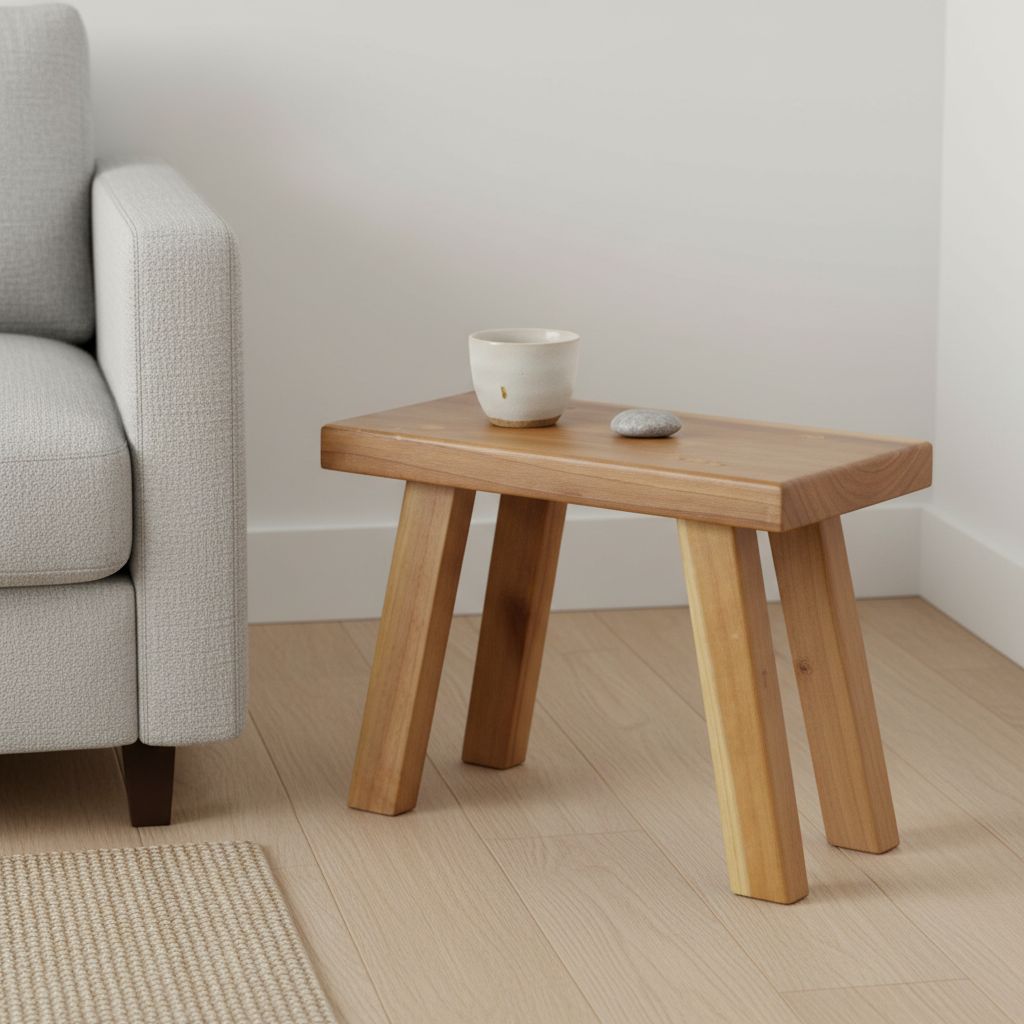
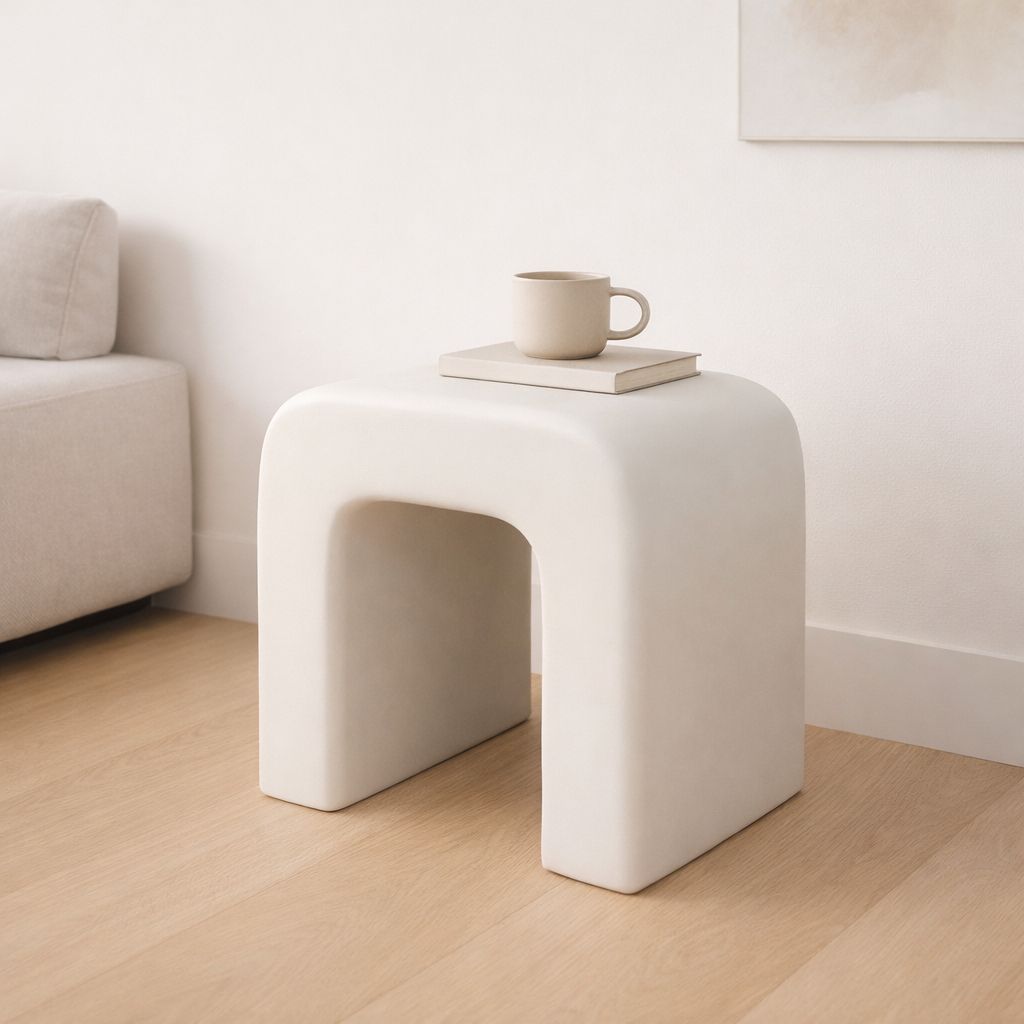
An accent stool for an entryway provides a compact, functional seating solution for putting on shoes while serving as a decorative focal point. Unlike bulky benches, these stools fit smaller footprints, offer versatile styling opportunities, and can be easily moved to other rooms for additional guest seating during gatherings.
The Evolution of the Foyer: Why Stools are the 2026 Trend
The entryway is the handshake of the home. As residential architecture in 2026 continues to trend toward efficient, multi-use spaces and urban dwellings with tighter footprints, the massive foyer bench of the past has largely been replaced by the more agile accent stool. This shift reflects a broader movement toward "flexible furniture"—pieces that perform a specific duty but are light enough to be repurposed at a moment's notice.
An accent stool is distinguished from a standard stool by its design intent. While a utility stool might be hidden in a closet, an accent stool is meant to be seen. It introduces texture, color, and sculptural interest to a space that is often neglected. In 2026, designers are focusing on the "micro-moment" of entering a home, ensuring that the transition from the outside world to the private sanctuary is both organized and aesthetically pleasing.
Functional Requirements: More Than Just a Pretty Seat
Before selecting a stool based on its visual appeal, you must consider the mechanical and ergonomic requirements of the piece. An entryway stool is a high-traffic item. It isn't just a pedestal for a plant; it is a tool that assists you and your guests every time someone enters or leaves the house.
Weight Capacity and Stability
A primary concern for any seating in the entryway is static vs. dynamic weight capacity. Because people often "plop" down onto a stool while balancing on one foot to remove a boot, the stool must be exceptionally stable. For a standard adult household, look for a stool with a certified weight capacity of at least 250 pounds (113 kg). Stools with a wider base-to-top ratio (tapered legs or a solid drum shape) offer better stability than those with high, spindly legs.
Height and Ergonomics
The standard height for an entryway stool should align with dining chair height, which is typically between 17 and 19 inches. This height is optimal for the average adult to sit comfortably while bending over to tie laces. Stools that are too low (14–15 inches) can be difficult for guests with limited mobility to rise from, while bar-height stools (24–30 inches) are entirely impractical for shoe-related tasks and create a visual imbalance in most foyers.
Depth and Footprint
In narrow hallways, every inch of clearance matters. Building codes and general design safety suggest maintaining at least 36 inches of clear walking path. If your hallway is 48 inches wide, your stool should ideally not exceed 12 to 14 inches in depth. Round or organic shapes are often preferred in high-traffic zones because they lack sharp corners, reducing the risk of painful bumps in the dark.
Material Integrity: Selecting for Durability and Aesthetics
The materials used in your accent stool determine its lifespan and how well it handles the "wet zone" of a home’s entrance. In 2026, there is a strong emphasis on materials that are both sustainable and chemically resilient.
Solid Woods and Hardness
Wooden stools remain a perennial favorite. However, not all wood is created equal. For an entryway, you should reference the Janka Hardness Scale. Hardwoods like White Oak, Walnut, and Maple are preferred because they resist dings from shoe heels and falling keys. Softwoods like Pine or Fir may develop a "distressed" look very quickly. In 2026, many manufacturers are using thermally modified wood, which is treated with heat to increase its resistance to the moisture brought in by umbrellas and wet coats.
Upholstery and Performance Fabrics
If you choose an upholstered stool (such as a velvet ottoman or a cushioned perch), the fabric choice is critical. Look for "Performance Fabrics" that have high Martindale rub counts—a measure of a fabric's durability. For a residential entryway, a count of 20,000 or higher is recommended. Fabrics treated with PFC-free moisture barriers are the gold standard in 2026, allowing you to wipe off mud or water without staining the core foam.
Ceramic and Stone
Ceramic garden stools have migrated from the patio to the foyer for good reason. They are impervious to water, easy to sanitize, and provide a heavy, grounded feel. Similarly, natural stone stools (marble, travertine, or basalt) offer a timeless, sculptural quality. The downside of these materials is their lack of "give," making them less comfortable for long periods, though comfort is usually a secondary concern in a quick-transition area like an entryway.
Aesthetic Categories: From Minimalist to Maximalist
Choosing the style of your accent stool depends on the existing architectural language of your home. As of 2026, several dominant design movements define the market:
- Biophilic Minimalist: These stools often feature raw, live-edge wood or woven seagrass. They aim to bring the outdoors in, using organic shapes and neutral palettes.
- Neo-Industrial: Characterized by powder-coated steel or recycled aluminum. These are often stackable and feature "utilitarian chic" details like exposed rivets or perforated seats.
- Post-Modern Sculptural: These stools function as art pieces. They may be made of cast resin or 3D-printed polymers in bold colors (think Electric Cobalt or Burnt Terracotta). They often feature "blobby" or asymmetrical silhouettes.
- Luxury Classic: Upholstered in rich mohair or top-grain leather with brass accents. These stools are designed to complement traditional homes with crown molding and formal foyers.
Technical Comparison of Entryway Stool Materials
| Material | Durability | Moisture Resistance | Comfort Level | Best For |
|---|---|---|---|---|
| Solid White Oak | High | Medium (requires sealant) | Medium | Traditional & Scandi styles |
| Powder-Coated Steel | Very High | High | Low | High-traffic/Industrial foyers |
| Glazed Ceramic | High | Excellent | Low | Adding color and pattern |
| Performance Velvet | Medium | Medium-High | Very High | Glamour and comfort |
| Recycled Plastic/Resin | High | Excellent | Medium | Eco-conscious/Modern homes |
| Woven Rattan | Low-Medium | Low | Medium-High | Coastal/Bohemian aesthetics |
Styling Your Entryway Stool
An accent stool rarely sits alone. To make it look intentional rather than like an afterthought, consider these three popular styling arrangements:
The Under-Console Tuck
If you have a console table in your entryway, a pair of matching stools tucked underneath is a classic 2026 design move. This utilizes the "dead space" under the table and keeps the walkway clear when the stools aren't in use. Ensure there is at least 2–3 inches of clearance between the top of the stool and the bottom of the table apron to prevent scraping.
The Corner Vignette
In larger foyers, an accent stool can be used to anchor a corner. Place a tall floor lamp behind the stool and a piece of vertical art above it. This creates a "moment" of rest and helps define the boundaries of the room. A small sheepskin rug draped over a wooden stool can add a layer of texture that softens the hard lines of the entryway.
The Mirror Match
Placing a stool directly beneath a large wall-mounted mirror is both practical and visually balanced. The mirror reflects the top of the stool, so choose a stool with an interesting seat texture—perhaps a carved wood pattern or a vibrant upholstery print—to take full advantage of the reflection.
Maintenance and Long-Term Care
To ensure your accent stool remains a centerpiece of your home through 2026 and beyond, follow these maintenance protocols:
- Leg Levelers: Check the bottom of the stool legs every six months. Inexpensive felt pads or rubber grippers protect your flooring (especially hardwood or LVP) and prevent the stool from wobbling, which can stress the joints of the furniture.
- Hardware Tightening: For stools with bolted legs (common in flat-pack or mid-century styles), seasonal temperature changes can cause the wood to expand and contract, loosening the bolts. Give them a quick turn with an Allen wrench twice a year.
- UV Protection: If your entryway has a glass door or large sidelights, your stool may be subject to UV fading. Use a UV-protectant spray on fabrics or choose a stool with a UV-stable finish to prevent the "sun-bleached" look on one side of the piece.
Frequently Asked Questions
Can I use a bathroom stool in the entryway?
Yes, you can use a bathroom stool in the entryway, provided it meets the height and weight requirements. In fact, teak stools designed for showers are excellent for entryways because they are naturally resistant to moisture from wet shoes and coats. However, ensure the aesthetic isn't too "clinical" or purely functional, as the primary goal of an accent stool is to enhance the decor.
What is the ideal size for a stool in a small apartment entryway?
For small apartments, look for a "perch" stool with a diameter of 12 to 14 inches. Opting for a stool with a "leggy" design rather than a solid drum shape will allow more of the floor to be seen, which creates the illusion of more space in a cramped hallway.
Are backless stools better than stools with backs for an entryway?
In almost all cases, backless stools are better for the entryway. They provide a cleaner sightline and don't interfere with wall-mounted items like coat hooks or mirrors. Furthermore, because you are usually only sitting for a minute or two to change shoes, the ergonomic support of a backrest is unnecessary.
How do I stop my stool from sliding on tile floors?
The best solution is to use high-friction silicone leg caps or heavy-duty adhesive rubber pads. Avoid cheap foam pads, as they tend to compress and slide off over time. For ceramic or stone stools that are very heavy, a small non-slip rug placed underneath the stool can also provide the necessary grip.
Is it okay to have two different stools in the same entryway?
Mixing stools can work if there is a unifying element, such as material or color. For example, two different shapes of black metal stools can look curated and eclectic. However, if the stools are vastly different in height or style, it may make the entryway look cluttered rather than designed.
Final Recommendation
When choosing an accent stool for your entryway in 2026, prioritize a balance between structural stability and visual impact. Measure your clearance carefully to ensure a 36-inch walking path remains open. For the best longevity in a busy household, select a stool made of a high-density hardwood like White Oak or a high-performance ceramic. By treating the stool as a piece of functional art, you create an inviting first impression that serves the practical needs of your home every day.