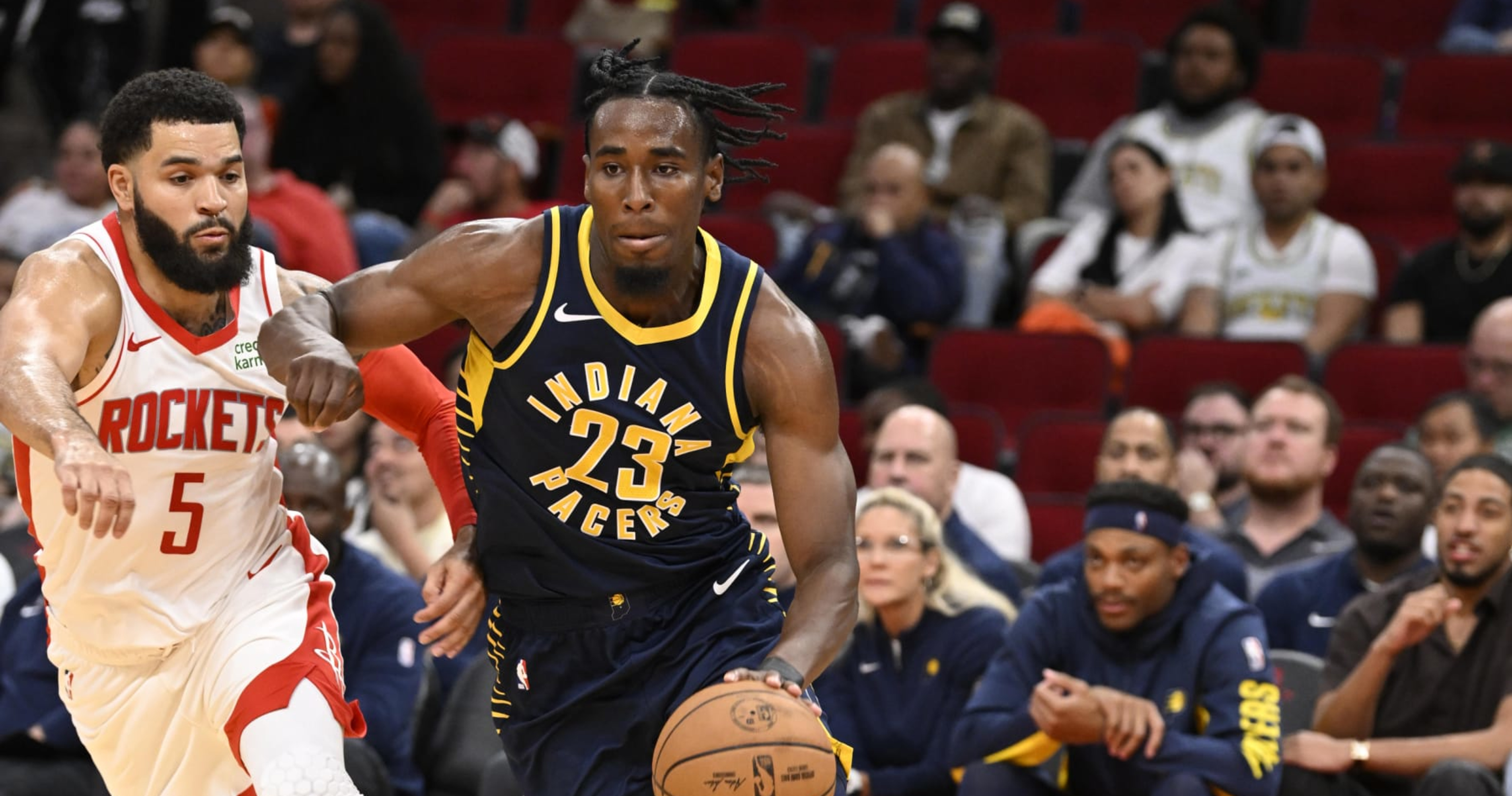
As of 2026, Aaron Nesmith’s estimated net worth is primarily derived from his professional basketball career, characterized by his multi-year NBA rookie-scale contract and subsequent extension. While precise personal financial holdings remain private, his wealth is built upon his earnings as a starter and rotational asset in the National Basketball Association, supplemented by endorsement deals and long-term professional contracts.
The Foundation of NBA Earnings
The primary engine behind Aaron Nesmith’s financial standing is his career in the NBA. After being drafted 14th overall in the 2020 NBA Draft by the Boston Celtics, Nesmith entered the league on a standardized rookie-scale contract. This contract structure is dictated by the NBA’s Collective Bargaining Agreement (CBA), which assigns specific salary slots based on draft position.
Nesmith’s initial four-year deal provided the financial baseline for his entry into professional sports. As a lottery pick, his early earnings were significant, though they represented only the beginning of his earning potential. The transition from the Boston Celtics to the Indiana Pacers in 2022 marked a pivotal shift in his career trajectory and financial outlook. Upon joining the Pacers, Nesmith transitioned from a role player to a consistent starter, which significantly enhanced his market value.
In 2023, Nesmith solidified his financial future by signing a three-year contract extension with the Indiana Pacers worth approximately $33 million. This agreement ensured guaranteed income through the 2026-2027 season, reflecting his development as a high-level 3-and-D wing—a archetype highly valued in the modern NBA landscape.
Contract Structure and Salary Distribution
To understand how professional athletes accrue wealth, it is necessary to differentiate between "gross earnings" and "net worth." Gross earnings represent the total contract value before taxes, agent fees, league escrow, and living expenses.
Key Financial Components for NBA Players
- Base Salary: The annual guaranteed pay defined by the player’s contract.
- Performance Incentives: Bonuses tied to specific milestones, such as team success or individual awards, though these are secondary in standard contracts.
- The Escrow System: A portion of player salaries (typically 10%) is held in escrow by the league to ensure the players' share of Basketball Related Income (BRI) does not exceed 50%.
- Professional Expenses: Players must account for substantial deductions, including agent fees (typically 3–4%), state and federal taxes, and financial advisor costs.
The following table illustrates the conceptual growth of a player’s contract value as they transition from a rookie-scale deal to a veteran extension.
| Contract Phase | Primary Driver | Financial Impact |
|---|---|---|
| Rookie Scale | Draft Position | Fixed, tiered entry-level salary |
| Restricted Free Agency | Market Value | Competitive salary matching |
| Veteran Extension | Performance Metrics | Market-rate compensation for starters |
| Endorsements | Brand Identity | External, performance-independent revenue |
The Role of Endorsements and Off-Court Income
Beyond his salary, professional athletes often cultivate wealth through brand partnerships and endorsements. In the modern sports economy, an athlete’s marketability is closely tied to their on-court performance and team success. Nesmith, having played for high-visibility franchises, maintains a presence that aligns with athletic apparel brands and lifestyle companies.
While public disclosure of these specific agreements is limited, professional athletes of Nesmith’s stature typically engage in footwear deals and local endorsements within their team’s home market. These deals serve as a diversified revenue stream, mitigating the risks associated with the short-lived nature of professional sports careers. Unlike salary, which is subject to strict league-wide negotiations, endorsement income is highly variable and depends on the athlete’s personal brand growth.
Financial Management for Professional Athletes
Managing the wealth generated during a professional basketball career requires a structured approach. Most NBA players utilize a team of professionals, including financial advisors, tax attorneys, and wealth managers. This is critical for several reasons:
- High Earning Velocity: Professional athletes reach their peak earning capacity at a young age. Managing this cash flow requires a transition from salary-based income to long-term wealth preservation.
- Tax Complexity: NBA players are subject to the "jock tax," where athletes pay income taxes in every state where they play games. This complex landscape requires specialized accounting to ensure compliance across various jurisdictions.
- Career Longevity Risks: Because injury or shifts in team personnel can lead to sudden changes in income, the strategy for many players involves conservative investment profiles aimed at long-term capital preservation rather than high-risk, speculative gains.
Distinguishing Net Worth from Income
When assessing the financial status of individuals like Aaron Nesmith, it is common for the public to confuse total career earnings with current net worth. If a player earns $40 million over five years, their net worth is not $40 million.
A realistic estimate of net worth requires the subtraction of:
- Tax Obligations: Federal and state taxes can consume 40% to 50% of an athlete's gross income.
- Living Expenses: Lifestyle costs, travel, and personal staff maintenance.
- Investment Performance: The impact of market fluctuations on the assets the athlete has acquired.
Because specific investment portfolios and private assets are not public record, estimations of "net worth" should be viewed as broad approximations based on total contract value and expected tax burdens rather than audited accounting of assets.
Frequently Asked Questions
Is Aaron Nesmith’s salary public knowledge?
Yes, NBA player salaries are governed by collective bargaining and are published by the league and independent databases like Spotrac or Basketball-Reference. His extension with the Indiana Pacers is a matter of public record.
How much do agents take from NBA player salaries?
By NBA union rules, agents are allowed to charge up to 4% of a player’s contract, though many charge closer to 3%. This is a standard deduction from the gross salary an athlete receives.
Does endorsement income count toward the salary cap?
No, endorsement income is independent of the NBA’s salary cap. Teams only deal with the salaries paid directly by the organization; personal brand deals are negotiated by the player and their representation team directly with third-party brands.
Why do some athletes go bankrupt despite high earnings?
Financial issues often arise from a combination of sudden high-income influx, lack of financial literacy, high-cost lifestyles, and poor investment advice. Most modern NBA teams offer financial literacy programs to help young players manage these risks.
Can a player’s contract be voided?
Contracts are generally guaranteed in the NBA, meaning a team must pay the salary even if a player is cut or injured, provided the contract was structured as fully guaranteed. Nesmith’s current extension provides this level of security.
Moving Forward: The Importance of Sustained Value
As Aaron Nesmith continues his career through 2026 and beyond, his financial growth will be tethered to his ability to remain a reliable contributor on the court. In the NBA, the transition from a rookie to a veteran "prime" is the most critical period for wealth accumulation. Players who sustain high-level performance into their late 20s and early 30s are often eligible for second or third contracts that significantly outpace their initial rookie-scale agreements.
The most effective next step for any athlete in this position is the continued diversification of assets and the professional management of their existing capital. Fans or observers looking to understand the financial mechanics of modern sports should focus on the structure of CBA-regulated contracts and the role of performance-based longevity in building long-term wealth.