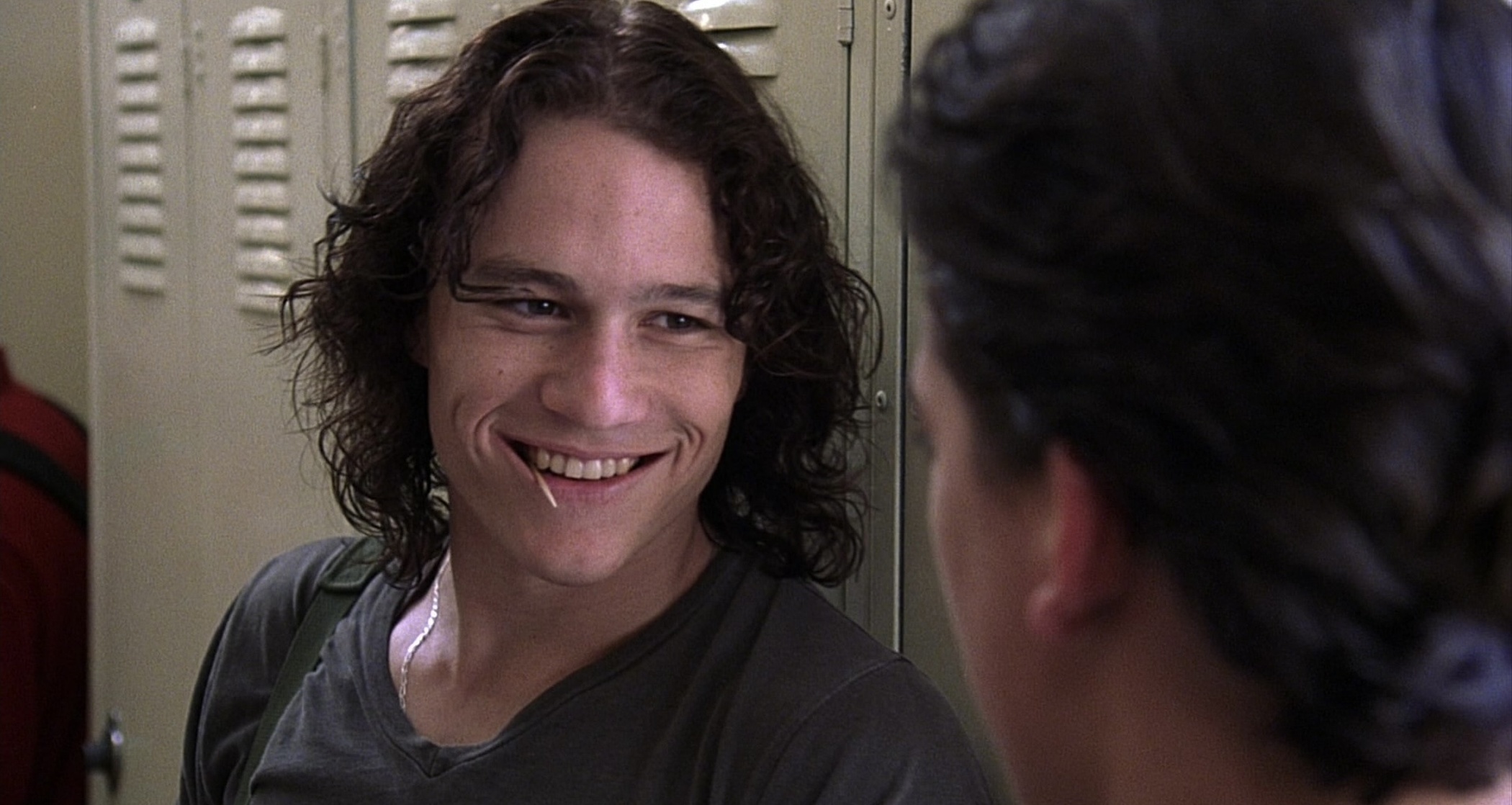
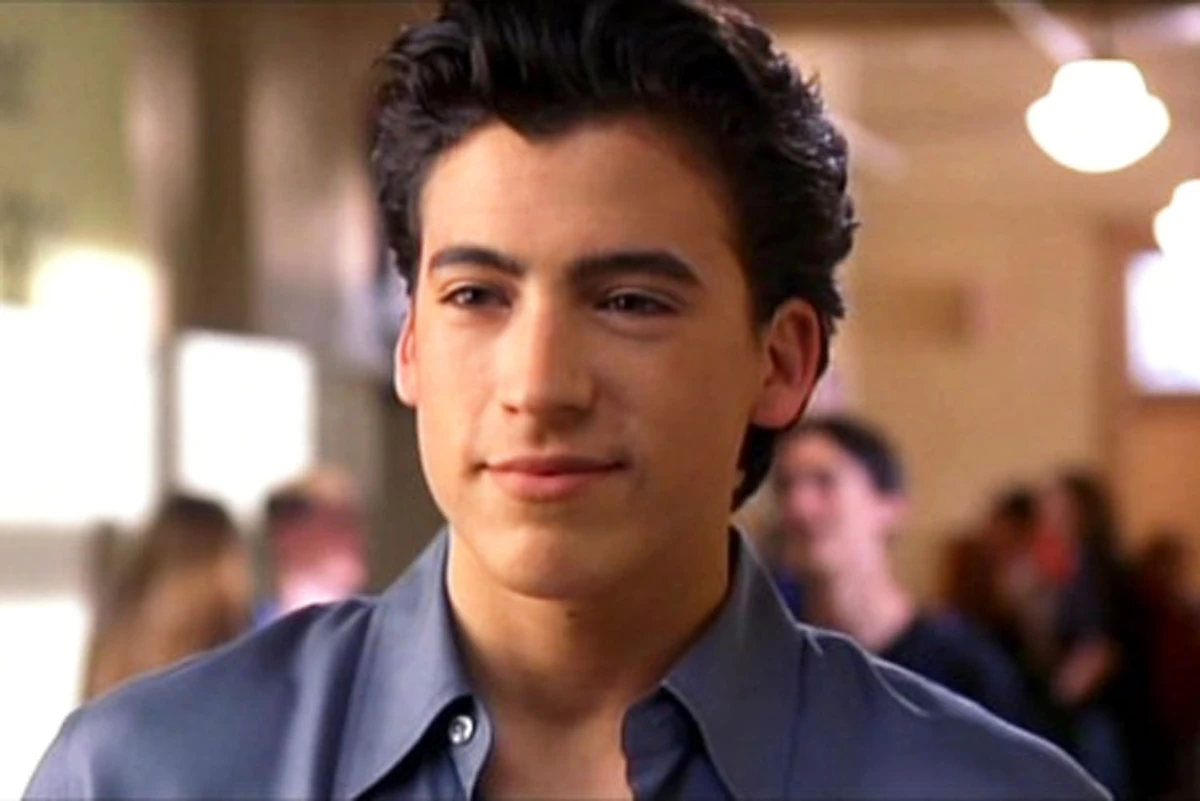
Joey Donner serves as the primary antagonist of the 1996-inspired, 1999-released teen romantic comedy 10 Things I Hate About You, functioning as the classic high school model-turned-trophy-seeker whose superficiality and calculated manipulation catalyze the film's central plot. Played by Andrew Keegan, Joey is the quintessential narcissistic jock and aspiring model whose vanity and arrogance make him an easy foil for the fiercely independent Kat Stratford and the earnest newcomer Cameron James.
Understanding Joey Donner requires examining his role within the narrative, his character traits, his interactions with other characters like Bianca Stratford and Patrick Verona, and the cultural impact of his portrayal. While films of the late 1990s often relied on archetypal high school villains, Joey Donner embodies a specific brand of toxic masculinity and self-absorption that remains a benchmark for cinematic teen antagonists. This analysis explores his character arc, motivations, interactions, and cultural significance within the enduring framework of this Shakespearean adaptation.
Narrative Function and Character Overview
In Gil Junger’s 10 Things I Hate About You—a loose modern adaptation of William Shakespeare’s The Taming of the Shrew—Joey Donner represents the obstacle standing in the way of true connection and emotional growth. The film's plot kicks off because Walter Stratford, the overprotective father of Kat and Bianca, institutes a strict rule: younger sister Bianca cannot date until her fiercely anti-social older sister Kat does.
Enter Joey Donner, a shallow, self-obsessed model with a penchant for admiring his own reflection and flexing his physical attributes. Joey has his sights set on Bianca, not out of genuine affection or intellectual appreciation, but because she is popular, desirable, and represents a high-status accessory. When Joey learns of the Stratford household rule, he teams up with the awkward, smitten Cameron James. Cameron finances a plot by paying the brooding, mysterious school rebel Patrick Verona to take Kat out on a date, thereby unlocking Bianca's dating eligibility for Joey.
Throughout this transactional scheme, Joey treats human relationships as extensions of his vanity. His character highlights the stark contrast between superficial infatuation and authentic affection. While Cameron genuinely cares for Bianca and learns to value her beyond her social standing, Joey views Bianca as a prize to be won and flaunted. This dynamic establishes Joey as an unrepentant antagonist whose eventual downfall satisfies the audience's desire for poetic justice.
Key Character Traits and Personality Analysis
Joey Donner’s personality is defined by an inflated sense of self-importance, a lack of empathy, and an obsession with physical appearance and status. These traits manifest in several distinct ways throughout the narrative:
- Narcissism and Vanity: Joey’s introduction and recurring visual gags center on his obsession with his own image. Whether he is checking his hair, flexing his muscles, or boasting about his minor modeling gigs—such as appearing in a Skinny Cow commercial—Joey views himself as the center of the universe.
- Materialism and Transactional Relationships: To Joey, everything has a price and a utility. He finances Patrick's pursuit of Kat through Cameron as a business investment. He assumes that status symbols, money, and superficial charm are enough to win anyone over, entirely lacking the emotional depth required to understand Kat or truly connect with Bianca.
- Misogyny and Entitlement: Joey exhibits a deeply entitled attitude toward women. He speaks condescendingly about Kat, labels her a "heinous bitch," and assumes Bianca should be instantly grateful for his attention. When things do not go his way, his fragile ego turns to hostility and aggression.
Character Traits Comparison
| Attribute | Joey Donner | Cameron James | Patrick Verona |
|---|---|---|---|
| Primary Motivation | Status, vanity, and ego gratification | Genuine romantic connection with Bianca | Financial compensation evolving into real affection for Kat |
| View of Women | Trophies and social accessories | Individuals to be respected and understood | Equals who challenge and intrigue him |
| Handling of Conflict | Manipulation, financial coercion, and tantrums | Honesty, persistence, and emotional vulnerability | Directness, wit, and protective loyalty |
| Resolution | Public humiliation and emotional exposure | Success in winning Bianca's authentic affection | Earning Kat's love and mutual respect |
The Mechanics of the Scheme
The central conflict of the film hinges on Joey's financial backing of Patrick Verona. Because Patrick has a dangerous reputation at Padua High School, Cameron enlists Joey's financial support to hire Patrick. Joey, eager to bypass Walter Stratford's rules without putting in any emotional labor himself, readily agrees to fund the operation.
This plot device exposes Joey's cowardice and laziness. Rather than attempting to understand Kat—an intellectually superior, politically active feminist who sees right through his facade—Joey outsources the difficult work to an outsider. His willingness to use financial leverage over Patrick demonstrates a predatory approach to social dynamics.
However, Joey's plan ultimately backfires. As Patrick genuinely falls for Kat, and as Cameron builds a sincere rapport with Bianca, Joey remains isolated in his self-absorption. The financial transaction that was supposed to secure him a date with Bianca becomes the very evidence that exposes his manipulative nature to the entire school.
Climax, Defeat, and Public Humiliation
The narrative culmination of Joey Donner's arc arrives during the iconic prom sequence and the immediate aftermath at Padua High School. Joey believes his plan has succeeded and that he is poised to claim Bianca as his girlfriend. However, the truth about the paid dating scheme comes to light, shattering Joey's illusions of control.
When Kat discovers that Patrick was initially paid to take her out, she is heartbroken, and the scheme is exposed to Bianca. Bianca, having already grown tired of Joey's vapid conversation and arrogant demeanor, rejects him outright. In a satisfying moment of physical and verbal retribution, Bianca punches Joey in the face, signaling her complete independence and rejection of his superficial advances.
Furthermore, Joey's financial investment yields a bitter harvest when Patrick, having genuinely fallen for Kat, refuses to let Joey bully him further. Joey's attempt to intimidate Patrick results in a physical altercation on the school grounds where Joey is easily outmatched, stripping away whatever tough-guy facade he attempted to maintain. His humiliation is absolute: he loses the girl, loses his money, and loses his social standing as his peers witness his shallow nature exposed.
Cultural Impact and Legacy of Andrew Keegan's Portrayal
Andrew Keegan’s portrayal of Joey Donner cemented the actor as one of the definitive teen movie antagonists of the late 1990s. Coming off roles in popular television and film, Keegan leaned into the comedic and pathetic aspects of Joey’s narcissism, preventing the character from becoming a one-note villain.
By making Joey aggressively vain yet surprisingly fragile, the performance allows the audience to laugh at his absurdities. His famous lines, delivery, and reactions—such as his shock when things do not go according to plan—have lived on in pop culture memory. Joey Donner represents a specific era of teen cinema where the antagonist was often a wealthy, attractive, but deeply vacant jock or model who served as a contrast to the evolving emotional maturity of the protagonists.
The character also serves as a critical commentary on high school social hierarchies. Joey sits comfortably at the top of the pyramid purely due to superficial metrics, yet his position is shown to be hollow and fragile. His ultimate irrelevance at the end of the film reinforces the movie's thematic core: authenticity, mutual respect, and intellectual compatibility triumph over superficial status and wealth.
Frequently Asked Questions
Who plays Joey Donner in 10 Things I Hate About You?
Joey Donner is played by American actor Andrew Keegan. Keegan is well-known for his work in late 1990s and early 2000s teen television and film, including roles in Party of Five and Seventh Heaven. His performance as the vain, narcissistic aspiring model in 10 Things I Hate About You remains one of his most recognizable and enduring roles.
Why does Joey pay Patrick in the movie?
Joey pays Patrick Verona through Cameron James because Walter Stratford's strict household rules prevent younger sister Bianca from dating unless her older sister Kat dates first. Because Kat is notoriously hostile and dismissive of high school boys, Joey cannot secure a date with Bianca on his own merits. He finances Patrick to court Kat, thereby clearing the way for him to pursue Bianca without doing any of the emotional work himself.
How does Joey Donner's character connect to Shakespeare's The Taming of the Shrew?
In William Shakespeare’s The Taming of the Shrew, Bianca is courted by multiple suitors, including Hortensio and Gremio, who compete for her affection while struggling against the requirement that her older sister, Katherina, must marry first. Joey Donner serves as a composite adaptation of these suitors, specifically representing the superficial, wealth-driven, or status-obsessed men who desire Bianca for her social standing rather than genuine love, contrasting sharply with the genuine connection developed by Lucentio (adapted as Cameron James).
What happens to Joey Donner at the end of the movie?
At the end of the film, Joey's manipulative scheme is exposed to Bianca and the rest of the school. Bianca rejects his advances and punches him in the face for his arrogance and dishonesty. Additionally, his financial investment in the plot fails completely, and he is publicly humiliated, stripped of his social dominance as the characters move forward with authentic relationships.
Conclusion and Next Actions
Examining Joey Donner reveals much about the structural mechanics of 10 Things I Hate About You, proving that a strong, unlikable antagonist is essential for highlighting the emotional growth of the protagonists. To fully appreciate the film's screenplay and its clever adaptation of Shakespearean tropes, viewers can rewatch the movie with a focus on how character motivations drive the narrative structure. Analyzing the stark contrasts between Joey's transactional worldview and Cameron or Patrick's genuine affection offers deeper insight into the romantic comedy genre of the late twentieth century.