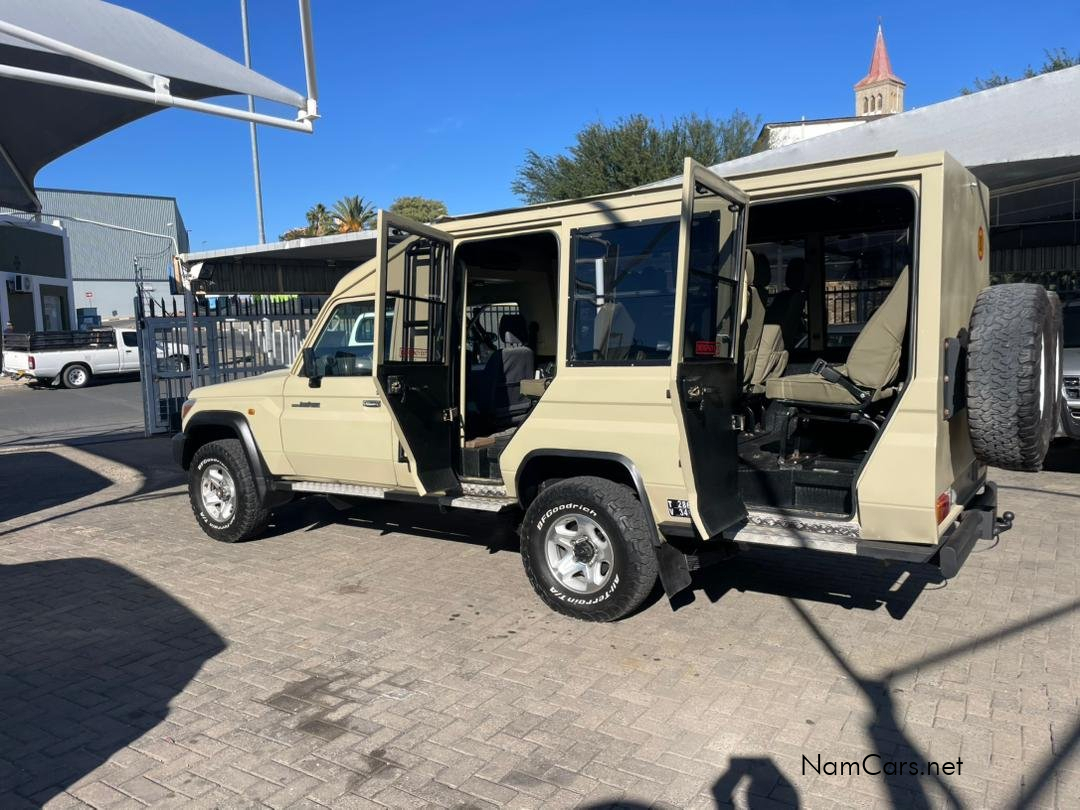
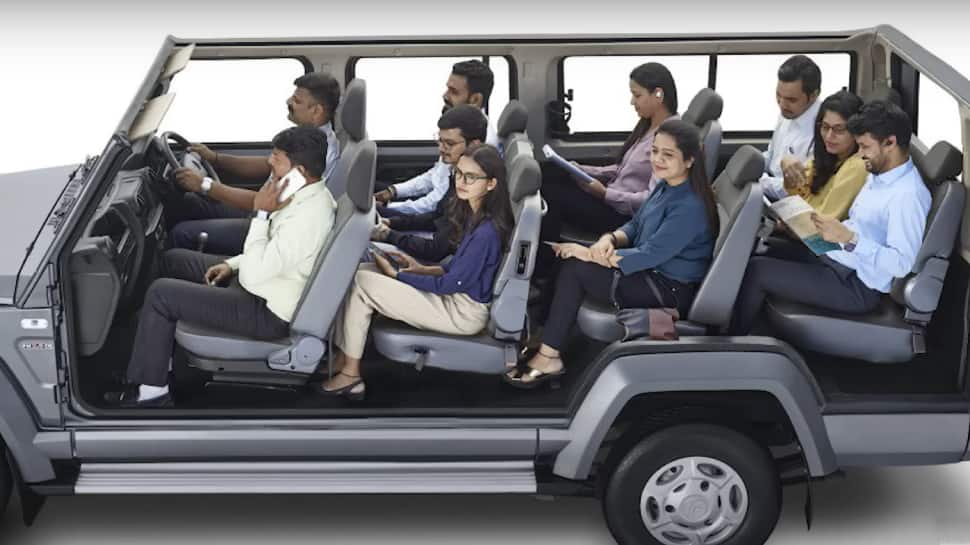
A 10-seater car is typically a passenger van or a large Multi-Purpose Vehicle (MPV) designed to bridge the gap between standard family minivans and small buses. These vehicles are primarily used by large families, shuttle services, and tourism operators to transport ten occupants, including the driver, comfortably and safely.
While the automotive market is dominated by five-seat sedans and seven-seat SUVs, the 10-seater occupies a specialized niche. In most regions, a vehicle with ten seats is the entry point into the "passenger van" category. This distinction is critical because it often changes how the vehicle is taxed, insured, and which driving license is required to operate it. As of 2026, the market for these vehicles has bifurcated into high-tech electric models for urban transit and rugged internal combustion engine (ICE) models for long-distance travel and rural applications.
Defining the 10-Seater Vehicle Category
A 10-seater is rarely a "car" in the traditional sense, such as a sedan or a station wagon. Instead, it is almost exclusively a van-based MPV. Unlike a standard eight-seat minivan (like a Honda Odyssey or Toyota Sienna), a 10-seater requires a longer wheelbase and a high-roof or mid-roof configuration to accommodate an extra row of seating.
The layout usually consists of a driver and a front passenger, followed by three rows of seating. Depending on the manufacturer, the configuration might be 2-3-2-3 or 2-2-3-3. The choice of layout significantly impacts the "walk-through" capability—the ability for passengers to move from the front to the back without exiting the vehicle—which is a primary consideration for shuttle operators.
Leading 10-Seater Models in 2026
By 2026, several manufacturers have refined their offerings to include better safety tech and more efficient powertrains. The following models represent the most common choices for those seeking a 10-seat configuration.
Toyota Hiace (Commuter/GL Grandia)
The Toyota Hiace remains a global benchmark for reliability in the multi-passenger segment. While many regions see the Hiace in 12 or 15-seat configurations, the 10-seat version is highly sought after because it allows for significantly more luggage space. The 2026 models feature Toyota’s latest Safety Sense suite, providing lane-departure alerts and pre-collision systems that were once reserved for luxury SUVs. Its body-on-frame construction makes it durable for high-mileage commercial use.
Ford Transit and E-Transit
The Ford Transit is perhaps the most versatile platform in the world. For 2026, the E-Transit (electric) has become a favorite for urban hotels and school runs. The 10-seater configuration in a Transit often utilizes the "Regular" or "Long" wheelbase. The advantage of the Transit is its "Smart" features, including 5G connectivity and fleet management software that tracks driver behavior and battery health in real-time.
Mercedes-Benz Sprinter
For those requiring a premium experience, the Sprinter is the gold standard. In 10-seat trim, it offers "Captain’s Chairs" in the rear rows, turning the vehicle into a mobile boardroom or a luxury tourer. The 2026 Sprinter focuses heavily on refinement, with MBUX infotainment systems and air suspension options that provide a car-like ride quality despite the vehicle's massive footprint.
Hyundai Staria
The Hyundai Staria disrupted the market with its futuristic "space-age" design and massive glass panels. In many markets, the Staria is offered in a 9-seat or 11-seat version, but the 10-seat customization is common for VIP transport. It feels more like a passenger car than a van, utilizing a unibody chassis that improves handling and reduces the "booming" noise often found in large, empty vans.
Comparison of Popular 10-Seater Platforms
The following table compares the key specifications for the most common 10-seater vehicles available in 2026. Note that "Max Payload" and "Range" vary based on specific battery or engine configurations.
| Model | Primary Fuel/Power | Seating Configuration (Typical) | Key Advantage |
|---|---|---|---|
| Toyota Hiace | Diesel / Hybrid | 2-3-2-3 | Resale value and mechanical durability. |
| Ford E-Transit | Electric (78kWh - 98kWh) | 2-2-3-3 | Low operating costs for urban routes. |
| Mercedes Sprinter | Diesel / Electric | 2-2-2-4 | High customization and luxury finishes. |
| Hyundai Staria | Diesel / V6 Petrol | 2-3-2-3 | Modern safety tech and ride comfort. |
| Volkswagen Crafter | Diesel | 2-2-3-3 | Ergonomic driver cabin and cargo space. |
Licensing and Legal Requirements
One of the most common mistakes buyers make when purchasing a 10-seater is failing to check their local driving license restrictions. Because a 10-seater carries more than eight passengers, it often falls into a different legal category than a standard car.
The UK and Europe (Category D1)
In the United Kingdom and many EU countries, a standard Category B license allows you to drive a vehicle with up to eight passenger seats (nine seats total including the driver). To drive a 10-seater (which has nine passenger seats plus the driver), you generally need a Category D1 license.
- Grandfather Rights: Drivers who passed their test before January 1, 1997, usually have D1 entitlement automatically.
- Modern Licenses: Those who passed after this date must take an additional theory and practical test to legally drive a 10-seater for any purpose.
United States (Class D vs. CDL)
In the US, regulations vary by state, but generally, a standard Class D license is sufficient for personal use of a vehicle designed to carry 10 to 15 passengers. However, if the vehicle is used for commercial purposes (transporting people for hire), a Commercial Driver’s License (CDL) with a Passenger (P) endorsement may be required if the vehicle is designed to transport 16 or more people. For a 10-seater, you are usually safe with a standard license, but you must check the Gross Vehicle Weight Rating (GVWR) to ensure it doesn't exceed 26,000 lbs.
Australia and Other Regions
In Australia, a standard C-Class license covers vehicles with up to 12 seats (including the driver). This makes the 10-seater an ideal "large family" choice because it doesn't require specialized training, unlike the larger 22-seat Coaster-style buses.
Interior Configurations and Passenger Comfort
The "Why" behind choosing a 10-seater often comes down to the balance between passenger volume and "breathing room." In an eight-seat SUV, the third row is often cramped and difficult to access. In a 10-seat van, the ceiling is higher, the aisles are wider, and the air conditioning systems are significantly more robust.
Climate Control and Ventilation
In a vehicle of this size, a single front-mounted AC unit is insufficient. 10-seaters in 2026 come equipped with dual or triple-zone climate control. This includes roof-mounted vents for every row. When evaluating a 10-seater, it is essential to check if the rear passengers can control their own fan speed and temperature, as the temperature gradient between the windshield and the rear window can be as much as 5 degrees Celsius.
Luggage Space vs. Passenger Count
A major limitation of 10-seaters is the "trunk" space. If you utilize all ten seats, the space behind the last row is often minimal—sometimes less than 300 liters. For airport transfers or long-distance touring, buyers often opt for the Long Wheelbase (LWB) or Extended versions of these vans. This adds roughly 50cm to 100cm of length behind the rear seats, allowing for a full stack of suitcases without compromising legroom.
Cost of Ownership and Insurance
Operating a 10-seater is more expensive than a standard car, but the per-passenger cost is significantly lower.
Fuel and Energy Efficiency
As of 2026, fuel prices and emission zones (like ULEZ in London or ZEZs in European cities) have made the choice of powertrain critical.
- Diesel: Still the king of long-distance hauling due to high torque and highway efficiency.
- Electric: Ideal for "last-mile" shuttles. The 2026 E-Transit and Mercedes eSprinter offer ranges exceeding 250 miles (400 km), which is more than enough for a full day of urban shuttle service.
- Insurance: Insurance for a 10-seater is typically categorized under "Van" or "Minibus" policies. These are more expensive than car policies because they assume higher passenger liability risks. If the vehicle is used commercially, the premiums increase further to cover "Hire and Reward."
Maintenance Requirements
Because these vehicles are built on commercial chassis, they are designed for high duty cycles. Components like brakes, tires, and suspension bushings are beefier than those on an SUV. However, tires for these vehicles (often marked with a "C" for Commercial) are more expensive and must be rated for the higher Gross Vehicle Weight.
Safety Systems for Multi-Passenger Vehicles
Safety is a paramount concern for 10-seaters due to their higher center of gravity, which makes them more susceptible to rollovers compared to sedans.
- Electronic Stability Control (ESC): This is mandatory on all 2026 models. It monitors if the vehicle is sliding or tilting and applies individual brakes to keep it upright.
- Crosswind Assist: Large vans act like sails in high winds. Systems like those found in the Mercedes Sprinter automatically brake the wheels on one side to counteract the push from a side wind.
- Blind Spot Monitoring: Given the length of these vehicles, blind spots are significant. 2026 models often feature digital rearview mirrors (using cameras) because the view through the physical mirror is often blocked by passengers' heads.
- ISOFIX Points: For families, it is important to note that not every seat in a 10-seater will have ISOFIX anchors for child seats. Usually, only 2 or 4 seats are equipped with these, typically in the second and third rows.
Common Mistakes to Avoid
- Ignoring the Height Clearance: Many 10-seaters are over 2 meters tall. This prevents them from entering standard multi-story parking garages. Always check the "H1" (low roof) vs. "H2" (high roof) specifications.
- Overloading: Just because there are 10 seats doesn't mean you can carry 10 heavy adults and 10 heavy suitcases. Check the Payload Capacity on the door jamb to ensure you aren't exceeding the mechanical limits of the tires and axles.
- Skipping the Test Drive: Driving a 10-seater is more like driving a small truck than a car. The turning circle is much wider, and the braking distance is longer. Ensure the primary driver is comfortable with the vehicle's dimensions.
Frequently Asked Questions
Can I drive a 10-seater car on a standard driver's license?
In the US and Australia, a standard license is generally sufficient for 10 seats. However, in the UK and EU, you usually need a Category D1 license because the vehicle exceeds the 8-passenger-seat limit of a standard Category B license. Always verify your specific local regulations and the date your license was issued.
Is a 10-seater SUV better than a 10-seater van?
Very few SUVs offer 10 seats; most "large" SUVs like the Chevy Suburban or Ford Expedition max out at 8 or 9 seats. If you find a 10-seat SUV, it is likely a custom conversion. Vans are generally superior for 10 people because they offer a higher ceiling, easier entry/exit through sliding doors, and better air distribution.
Are there hybrid 10-seater cars available?
Yes, as of 2026, manufacturers like Toyota and Ford offer hybrid or plug-in hybrid (PHEV) versions of their large vans. These are particularly popular in regions where full electric range isn't yet sufficient for long-distance rural travel but where owners want to reduce urban fuel consumption.
How much more does insurance cost for a 10-seater?
Insurance for a 10-seater can be 30% to 60% higher than a standard 7-seat SUV. This is due to the higher "passenger liability" (the cost of medical coverage for ten people instead of five or seven) and the vehicle's classification as a commercial-grade van.
Do 10-seater vans have 4WD or AWD?
While most are rear-wheel drive (RWD) for better towing and weight distribution, models like the Ford Transit and Mercedes Sprinter offer All-Wheel Drive (AWD) variants. These are highly recommended for mountain resorts or regions with frequent snow, as a large, empty van can struggle for traction on slippery inclines.
Practical Recommendation
If you are looking for a 10-seater in 2026, your first step should be to verify your licensing eligibility. If you are in the UK or EU and do not have a D1 license, you will likely need to limit your search to 9-seaters or undergo additional testing. For those in the US or Australia, the Ford Transit (for versatility) or the Toyota Hiace (for reliability) remain the top recommendations. If the vehicle is primarily for urban use, prioritize an electric model like the E-Transit to future-proof yourself against rising fuel costs and urban emission taxes. Before purchasing, always measure your driveway or garage to ensure the vehicle's height and length are compatible with your home or place of business.