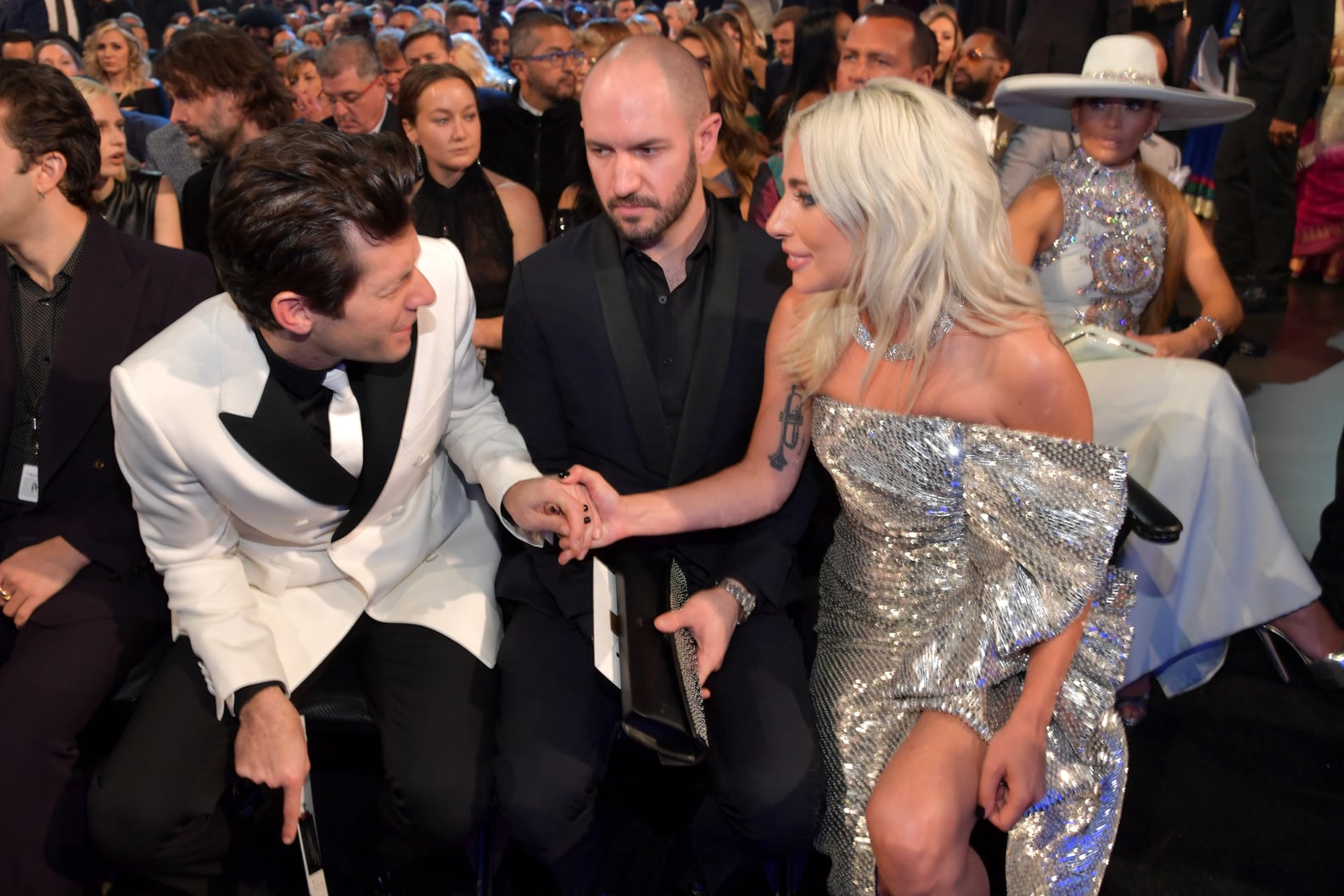
The primary shift in Lady Gaga’s recognition for "Shallow" at the 2019 Grammy Awards represented a definitive transition from pop-icon status to critical institutional validation as a songwriter and musical auteur. While Gaga was already a decorated artist, the specific Grammy recognition for this track signaled a pivot where the industry prioritized her composition and vocal performance over her established avant-garde persona, cementing her status as a peer to legacy singer-songwriters.
Redefining the Artist: The "Shallow" Phenomenon
When Lady Gaga, alongside Bradley Cooper, performed "Shallow" at the 61st Annual Grammy Awards in 2019, the atmosphere surrounding her career had shifted significantly. For the better part of a decade, Gaga was categorized by the recording industry as a visual-first pop experimentalist. Her previous Grammy wins—though numerous—often leaned into the categories of Best Pop Vocal Album or Best Dance Recording. "Shallow," the breakout anthem from the film A Star Is Born, forced the Recording Academy to evaluate her through a different lens: that of a traditional, powerhouse songwriter.
The "1 key shift" that defined this era was the alignment of critical acclaim with mainstream commercial success, bridging the gap between her theatrical roots and the "serious" singer-songwriter echelon. This was not merely about winning an award; it was about the categorization of her work. By winning Best Pop Duo/Group Performance and Best Song Written for Visual Media, the industry signaled that Gaga’s legitimacy was no longer tied to her costumes or elaborate stage production, but to the fundamental construction of her music.
The Anatomy of the 2019 Recognition
The 2019 Grammy recognition was the culmination of a deliberate strategy in the A Star Is Born campaign. Unlike her previous projects, which were often solo-driven or focused on electronic production, "Shallow" was a collaborative effort that emphasized raw, stripped-back instrumentation—primarily an acoustic guitar and two vocalists.
The shift is best understood by looking at how the Recording Academy categorized the track. Nominations and wins in categories that honored the craft of songwriting (such as Song of the Year and Best Song Written for Visual Media) shifted the narrative from "Lady Gaga the Performer" to "Lady Gaga the Composer." This distinction is critical because it allowed the music industry to reframe her career trajectory. Critics who had once focused on her persona were now forced to discuss the structural integrity of her melodies and the emotive nuance of her vocal arrangement.
Institutional Validation and Historical Context
The Grammy Awards have historically struggled to place artists who defy traditional genre boundaries. Lady Gaga spent the early 2010s challenging the definition of "pop star." By 2019, however, the industry climate had moved toward a more appreciative stance on "authenticity." The success of A Star Is Born provided the perfect vessel for this, as the film’s narrative mirrored a real-life reclamation of artistry.
The 2019 ceremony functioned as a validation of this arc. When she accepted the award for Best Pop Duo/Group Performance, her speech was notably focused on mental health and the importance of supporting those who struggle—a theme deeply embedded in the lyrics of "Shallow." This moment solidified the shift: the recognition was not just for a "hit" song, but for the perceived depth and vulnerability that the industry now associated with her name.
Comparative Analysis: Pre-2019 vs. Post-2019
To understand the weight of this shift, one must look at the criteria for her previous accolades compared to the 2019 win.
| Attribute | Pre-2019 Recognition | 2019 "Shallow" Recognition |
|---|---|---|
| Focus Area | Visuals, Dance, Electronic Pop | Songwriting, Vocal Purity, Acoustic |
| Industry Perception | Avant-garde Performance Artist | Respected Musical Composer |
| Award Category | Best Dance, Best Pop Vocal | Best Song, Best Duo, Record of the Year (Nom) |
| Public Narrative | High-Concept Spectacle | Raw Emotional Vulnerability |
| Collaborative Tone | Producer-Led | Peer-to-Peer Songwriting |
This table illustrates the transition from an artist rewarded for external sensory experiences to one rewarded for internal, foundational musical components. The "shift" was essentially the industry’s acceptance that Gaga’s core songwriting was as sophisticated as her aesthetic presentation.
The Role of Songwriting in the Narrative Shift
Songwriting is the highest currency in the recording industry. By participating as a primary writer on "Shallow," Gaga entered a rarefied space in the Grammys’ voting block. The Recording Academy’s voting body, consisting of peers—producers, engineers, and songwriters—often holds songwriting awards in higher regard than general performance categories.
The shift in 2019 was facilitated by the composition’s structural simplicity. "Shallow" follows a classic folk-rock build, a stark departure from the synth-heavy production that characterized her earlier discography. For the Grammy voters, this wasn't just a pop hit; it was a composition that could stand the test of time, regardless of the era or the artist’s current marketing cycle. This recognition effectively "future-proofed" her career, providing her with the industry credibility that allows artists to transition into a "legacy" phase of their career while still remaining relevant to younger audiences.
Why the Recognition Was Significant for Her Career
The 2019 Grammys were not the first time Gaga had been nominated for major awards, but they represented the first time her "seriousness" was the primary focus of the discussion. For many years, her talent was debated against the backdrop of her polarizing visual identity. The "Shallow" recognition effectively quieted the discourse regarding whether she was a "real" musician, as the song became a global standard, covered by countless artists across various genres.
This shift also provided her with the agency to pivot toward other projects, such as her work in jazz with Tony Bennett or her subsequent acting roles. The validation received at the 2019 Grammys served as a protective buffer, ensuring that her artistic reputation would be anchored in her musical output rather than her public image.
Frequently Asked Questions
1. Was the 2019 Grammy recognition for "Shallow" the first time Lady Gaga was nominated for songwriting? No, Gaga had been recognized for her songwriting skills throughout her career; however, the 2019 wins for "Shallow" were significant because they occurred in categories that historically favor more traditional singer-songwriters, signaling a change in how the industry classified her creative depth.
2. How did Bradley Cooper’s involvement influence the recognition? Bradley Cooper’s role as both co-performer and director of A Star Is Born provided a bridge between Hollywood and the music industry. This intersectional appeal is highly valued by the Recording Academy, as it highlights the song's role in a narrative context, often leading to increased support from voters who prioritize storytelling in music.
3. Did "Shallow" change the way critics evaluate Gaga's previous work? Yes, the success of "Shallow" led to a retroactive appreciation of her earlier, quieter works. Critics and fans began re-evaluating her early discography through the lens of her confirmed songwriting ability, finding depth in tracks that were previously overshadowed by her visual aesthetic.
4. What does "Best Song Written for Visual Media" signify in this context? This award is specifically designed to recognize songs that function as the emotional backbone of a film. Winning this helped re-establish Gaga as a versatile songwriter capable of writing for the screen, rather than just writing for her own radio-friendly pop performances.
5. How has this shift influenced her musical output since 2019? Since 2019, Gaga has increasingly gravitated toward projects that highlight her vocal range and technical musicality, such as her collaborative jazz albums and cinematic soundtracks, moving away from the high-concept electronic pop that defined her debut era.
Practical Next Actions for Understanding Artistic Shifts
If you are interested in analyzing how artists evolve within the recording industry, consider the following approach:
- Track Collaborative Credits: Look at the songwriting credits of an artist over a decade. A shift from solo-writing to collaborative writing with established legends often marks a change in artistic maturity.
- Evaluate Category Movement: Observe which Grammy categories an artist moves into over time. A move from "Pop" or "Dance" to "Song of the Year" or "Traditional Pop" categories often indicates a deliberate effort to be perceived as a classic songwriter.
- Monitor Narrative Control: Note how an artist speaks about their work in interviews post-major-award-wins. Often, they will emphasize the "craft" or "process" to align their public image with the newfound critical respect.
The shift in Lady Gaga’s 2019 Grammy recognition for "Shallow" remains a masterclass in how an artist can successfully reshape their legacy by aligning their public output with the specific criteria valued by industry gatekeepers. By leaning into the raw, emotive, and technical aspects of songwriting, she secured a position in the musical canon that transcends pop trends, ensuring her influence remains consistent through 2026 and beyond.