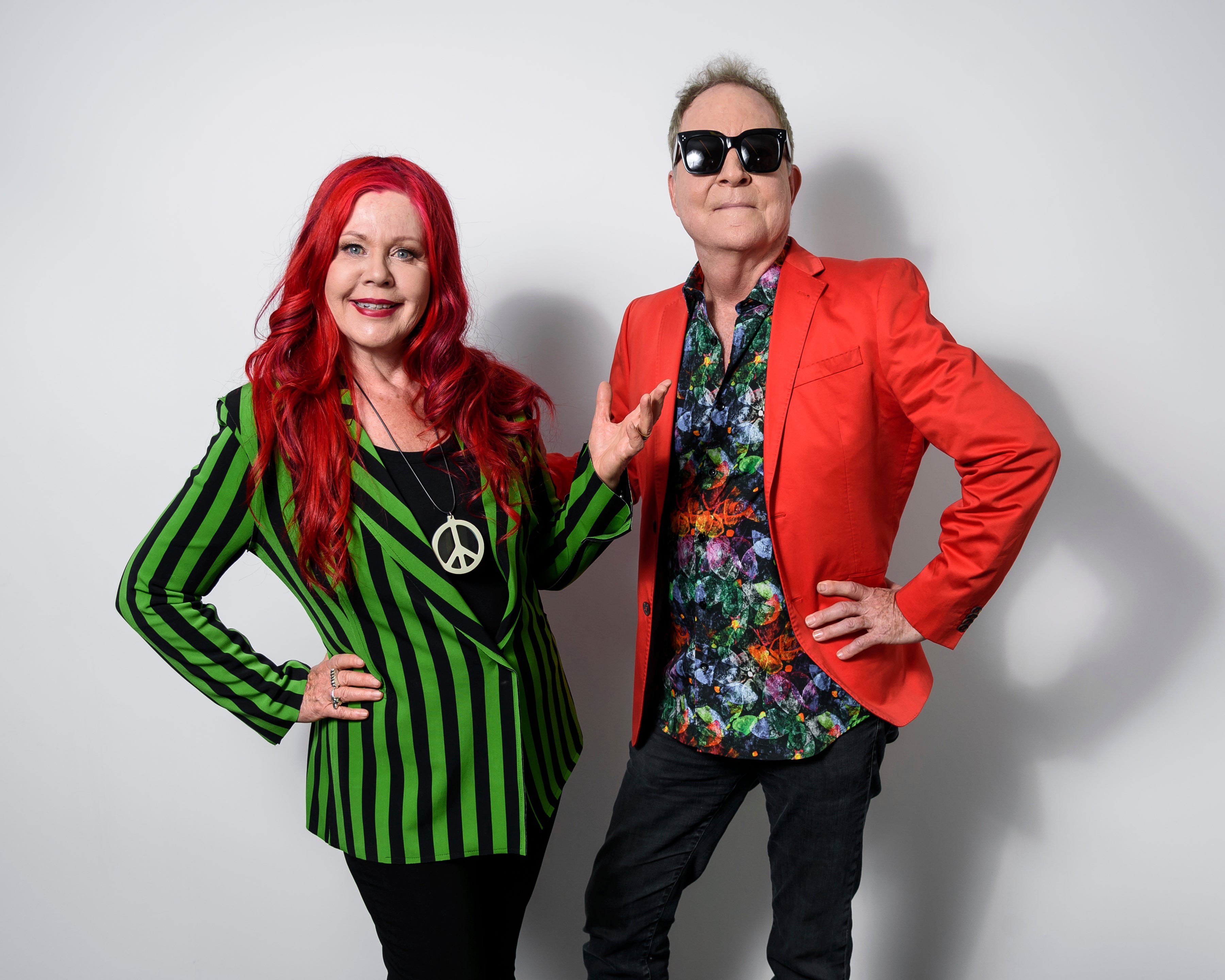
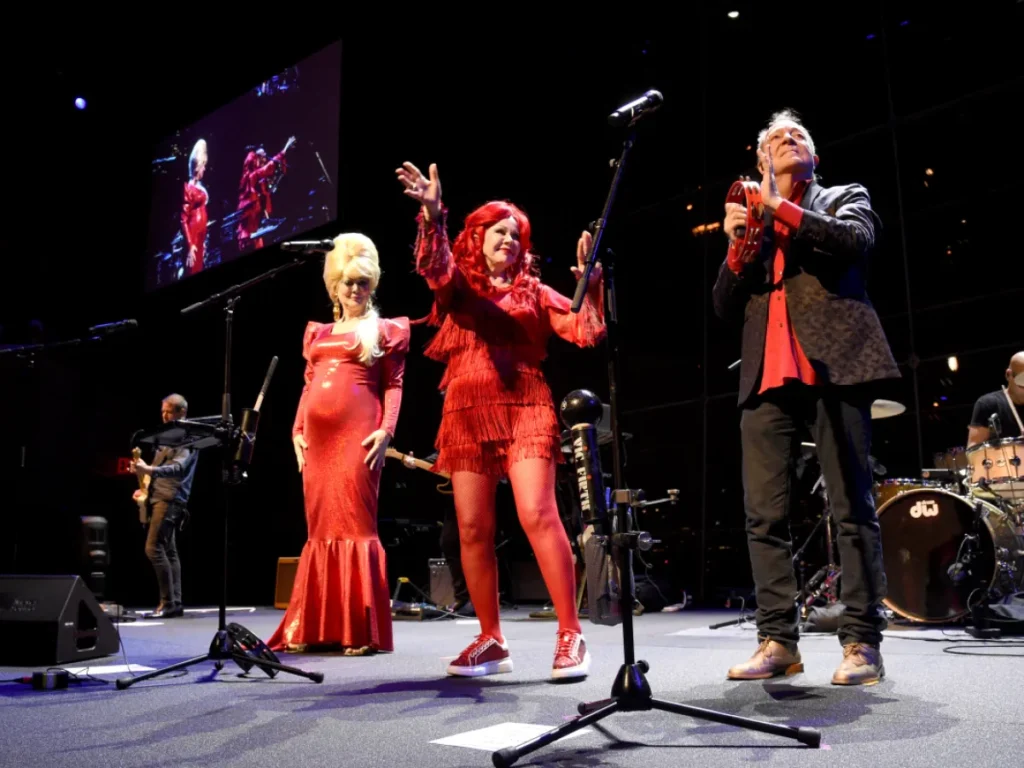
The B-52s, formed in Athens, Georgia, in 1976, built their enduring musical legacy on a unique blend of new wave, dance rock, and post-punk, powered by the distinctive vocal interplay and eccentric styling of their founding and touring members. From iconic hits like "Rock Lobster" and "Love Shack" to decades of influential recording and touring, the group's lineup has evolved while maintaining its core creative identity.
Understanding the membership of The B-52s requires a look back at how the band came together in the late 1970s, the tragic loss of key instrumentalists, and the enduring lineup that carried the group through their final major touring eras. This overview examines the founding members, crucial contributors, touring personnel, and the historical timeline of the group.
Origins and Founding Lineup in Athens, Georgia
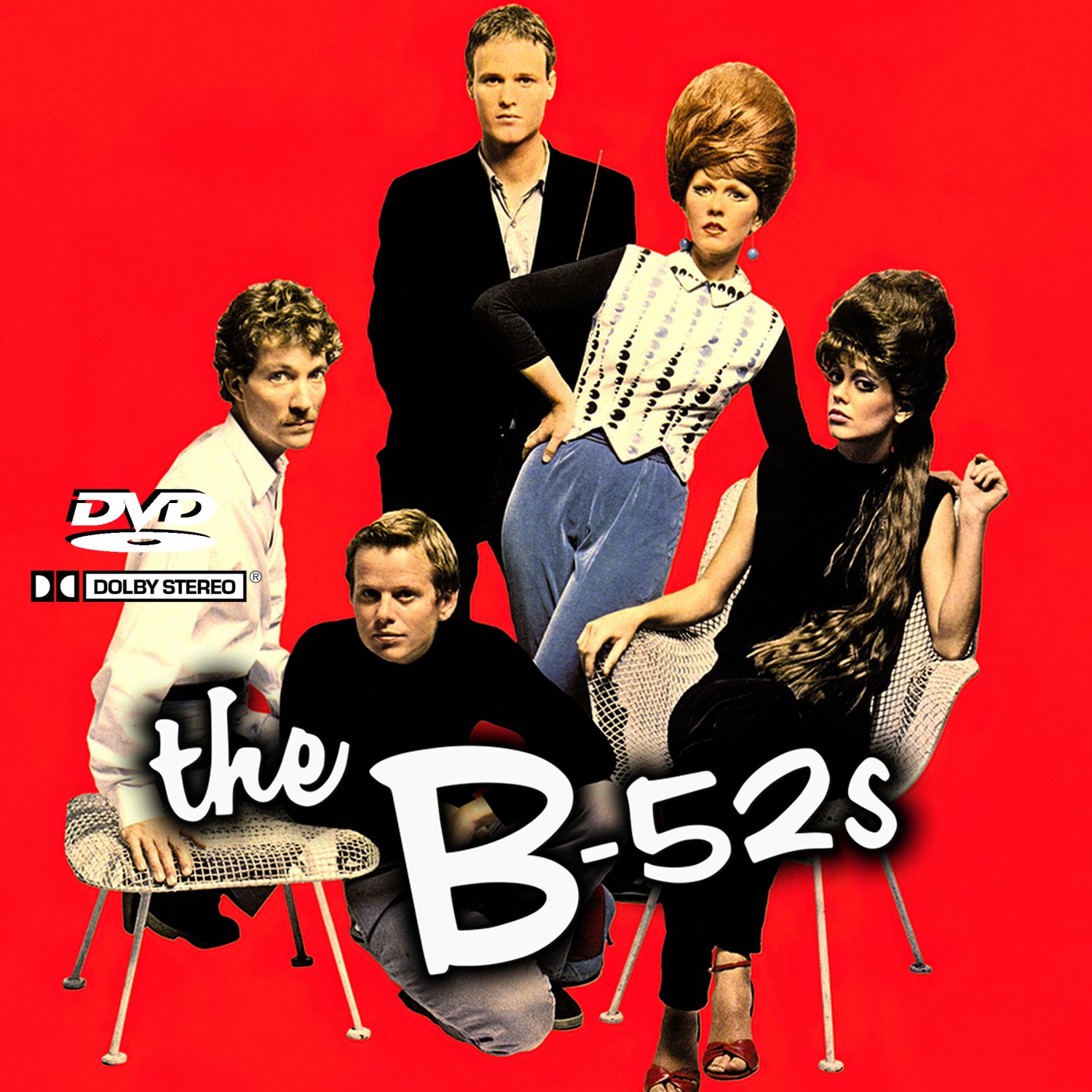
The B-52s formed after a Chinese food-and-drink session at the Downtown Athens restaurant in late 1976. The original lineup consisted of five eccentric musicians who shared a love of thrift-store fashion, retro surf rock, and avant-garde art:
- Fred Schneider: Co-founder, co-lead vocalist, and primary lyricist known for his deadpan speak-singing style, cowbells, and toy instruments.
- Kate Pierson: Co-founder, co-lead vocalist, and keyboardist recognized for her soaring harmonies, distinctive beehive wigs, and organ playing.
- Cindy Wilson: Co-founder, co-lead vocalist, and percussionist known for her powerful vocal belts and harmonic counterpoints.
- Ricky Wilson: Co-founder and lead guitarist whose unconventional, open-tuned guitar playing defined the band's early sonic texture.
- Keith Strickland: Co-founder, originally the drummer, who later transitioned to rhythm guitar and multi-instrumentalist duties following the band's early tragedies.
This core quintet recorded the band's self-titled debut album in 1979, establishing a campy, high-energy aesthetic that heavily influenced the development of American alternative rock and new wave music.
The Loss of Ricky Wilson and the Transition of Keith Strickland
The trajectory of The B-52s changed fundamentally in the mid-1980s due to health crises within the band. Ricky Wilson contracted HIV and passed away from AIDS-related illness on October 12, 1985, at the age of 32.
The loss of Ricky Wilson devastated the remaining band members, causing them to step back from recording and touring for a significant period. When the group reconvened to record their critically acclaimed and commercially triumphant 1989 album Cosmic Thing, Keith Strickland made a crucial musical shift. Moving away from the drum kit, Strickland took over primary guitar duties, writing much of the music for Cosmic Thing and subsequent albums.
To fill out the live rhythm section and support their touring schedules, the band began utilizing touring musicians. Notable among them was drummer and percussionist Sterling Campbell, who performed extensively with the group during the late 1980s and 1990s, and bassist Tracy Wormworth, who became a long-standing touring and recording collaborator.
Key Members and Their Roles in the Band
To understand the sound and performance dynamic of The B-52s, it helps to examine the individual contributions of the primary vocalists and musicians who shaped their catalog across decades.
| Member Name | Primary Role | Active Years |
|---|---|---|
| Fred Schneider | Vocals, Percussion | 1976–Present |
| Kate Pierson | Vocals, Keyboards | 1976–Present |
| Cindy Wilson | Vocals, Percussion | 1976–1983, 1986–Present |
| Keith Strickland | Guitar, Drums, Keyboards | 1976–Present (Retired from tour) |
| Ricky Wilson | Lead Guitar | 1976–1985 (Deceased) |
Fred Schneider
Fred Schneider's vocal style serves as one of the most recognizable signatures of The B-52s. Utilizing a spoken-word, half-sung delivery filled with campy exclamations and deadpan observations, Schneider anchors comedic yet danceable tracks like "Planet Claire," "Private Idaho," and "Deadbeat Club." Beyond vocals, he frequently incorporates cowbells, whistles, and toy pianos into live performances.
Kate Pierson
Kate Pierson provides vital melodic counterweight and harmonic punch to the band's vocal arrangements. Her powerhouse vocals drive the choruses of signature anthems like "Roam" and "Love Shack." In addition to her vocal contributions, Pierson plays organs, synthesizers, and bass pedals, providing the electronic and harmonic foundation for many of the band's studio recordings.
Cindy Wilson
Cindy Wilson is celebrated for her dramatic vocal belts and intricate harmonies with Pierson. Her eerie, operatic delivery on "Rock Lobster" and her emotional vocal performance on "Wig" helped define the group's early post-punk atmosphere. Wilson took a hiatus from the band in the mid-1980s following the death of her brother Ricky Wilson, but returned in time for the Cosmic Thing era and has remained an active member ever since.
Keith Strickland
As the musical architect behind much of the post-Ricky Wilson material, Keith Strickland's transition from drummer to guitarist preserved the band's jangly, unorthodox guitar style while allowing them to modernize their production. While Strickland officially retired from rigorous touring obligations in the 2010s, he remains an integral part of the group's recorded history and creative legacy.
Touring Personnel and Extended Collaborations
Because The B-52s built their reputation on high-energy, elaborate live shows, they consistently relied on top-tier touring musicians to replicate their dense studio arrangements on stage.
- Tracy Wormworth: Bassist who joined the touring lineup in 1989 and provided the pulsing groove for live performances of hits like "Love Shack" and "Roam."
- Paul Gordon: Keyboardist and guitarist who toured extensively with the band for many years until his passing in 2016.
- Sterling Campbell: Session and touring drummer who played with David Bowie and Soul Asylum before anchoring the B-52s' rhythm section through their 1990s output.
- Greg Suran: Guitarist who frequently filled live guitar roles to support the band's complex sonic layers on stage.
These musicians allowed the core vocalists—Schneider, Pierson, and Wilson—to focus on front-of-stage performance, choreography, and audience engagement during their extensive concert tours.
Hiatuses, Solo Work, and Later Years
Throughout their career, individual members of The B-52s pursued independent creative projects without permanently dissolving the band. Kate Pierson released solo material and collaborated with high-profile artists, including Iggy Pop (on the 1990 hit "Candy") and R.E.M. (on "Shiny Happy People"). Fred Schneider released solo albums with his side project, Fred Schneider and the Shake Society. Cindy Wilson released solo music and toured under her own name, exploring dream pop and electronic textures.
Despite these side ventures, the core trio of Schneider, Pierson, and Wilson continued to perform together under the B-52s banner well into the twenty-first century. In 2008, the band released Funplex, their first studio album of original material in sixteen years, proving that their distinctive blend of party rock and retro-futurism remained viable.
Though the group announced a farewell tour in 2022, citing a desire to step away from the physical demands of long-term touring, they have periodically made special concert appearances and residencies, solidifying their status as one of the most enduring and influential alternative acts of the rock era.
Frequently Asked Questions
Who are the original members of The B-52s?
The original line-up of The B-52s consisted of Fred Schneider, Kate Pierson, Cindy Wilson, Ricky Wilson, and Keith Strickland. They formed the band in Athens, Georgia, in 1976.
What happened to Ricky Wilson?
Ricky Wilson, the band's original lead guitarist and brother of singer Cindy Wilson, passed away from AIDS-related complications on October 12, 1985. His death profoundly impacted the band and led to a temporary recording hiatus.
Who plays guitar for The B-52s after Ricky Wilson's death?
Following Ricky Wilson's passing, original drummer Keith Strickland transitioned to playing rhythm and lead guitar. Strickland wrote and performed the guitar parts for the band's later commercial successes, including the Cosmic Thing album.
Are all original B-52s members still touring?
While Fred Schneider, Kate Pierson, and Cindy Wilson remained active performers through the band's major touring years, Keith Strickland retired from touring in the 2010s while remaining an official member. The band retired from full-scale active touring following their farewell runs, though occasional special appearances occur.
Did any B-52s members pursue solo careers?
Yes. Kate Pierson, Fred Schneider, and Cindy Wilson have all released solo albums and collaborated with other prominent musicians and alternative rock acts while maintaining their membership in The B-52s.