Bitly links are generally safe for the end user, provided you exercise standard online caution. As a URL shortening service, Bitly operates by redirecting a short, randomized string of characters to a longer, destination URL. While the link itself is not inherently malicious, the destination it points to may be, as Bitly does not pre-vet the content of every URL submitted to its platform.
Understanding the Mechanics of URL Shorteners
At their core, URL shorteners like Bitly serve a functional purpose: transforming long, cumbersome web addresses into concise, manageable versions. This process is particularly useful for social media sharing, marketing tracking, and clean interface design. When you click a Bitly link, your browser sends a request to Bitly’s servers. The server identifies the destination URL associated with that specific short code and then instructs your browser to perform an "HTTP 301 redirect" to the final destination.
The security of this interaction depends on two separate factors: the integrity of the Bitly redirection service itself and the safety of the content hosted at the destination URL. Bitly has implemented various security measures, such as real-time scanning for malware and phishing signatures, to block known malicious links. However, because new malicious URLs are generated by attackers every second, there is always a temporal gap between the creation of a threat and the platform’s ability to detect and blacklist it.
The Anatomy of a Potential Link-Based Threat
To understand why users might question the safety of these links, it is necessary to examine how attackers leverage redirection services. The primary risk is not the shortening service itself, but "malicious redirection."
Attackers often use URL shorteners to mask the true destination of a website. If a link directs you to a credential-harvesting page—a site designed to look like a legitimate login portal—the shortened URL prevents you from seeing the suspicious domain name in the address bar until after the page has already loaded. This obfuscation is a classic tactic used in phishing campaigns.
Furthermore, some attackers use "chained" redirects. This involves a link that bounces through multiple URL shorteners before reaching its final destination. Each bounce is designed to evade security filters that might flag the initial link but fail to crawl through the entire chain of redirection to analyze the final payload.
Evaluating Risk Levels: Who Are You?
Your personal risk profile depends heavily on how you interact with links. The following table categorizes typical user behaviors and their associated security outcomes when dealing with shortened URLs.
| User Category | Primary Risk Factor | Recommended Safety Practice |
|---|---|---|
| Casual Browser | Unsolicited links in email or SMS | Use caution with unknown senders; hover to preview. |
| Social Media User | Click-bait in comments or DMs | Verify the account authenticity before clicking. |
| IT Professional | Phishing and domain spoofing | Use sandbox environments or link-expansion tools. |
| Security Analyst | Tracking and malicious payloads | Use command-line tools to trace redirect headers. |
Tools and Techniques for Link Verification
You do not have to click a link blindly. There are several ways to verify where a Bitly link is headed before you commit to visiting the site. These methods allow you to see the "long URL" without triggering the redirect in your primary browser.
1. The Plus Sign Preview
Bitly has a built-in feature for viewing metadata about a link. By simply adding a plus sign (+) to the end of any Bitly URL (e.g., bit.ly/example+), you are taken to a landing page provided by Bitly that shows the destination URL, the date it was created, and its click history. This is the most reliable way to verify a link without navigating away.
2. Link Expansion Services
Several third-party websites offer "unshortening" services. You paste the shortened URL into their search bar, and they provide the destination. While convenient, be aware that some of these third-party checkers may log the URLs you query. For highly sensitive links, use caution and prioritize services that do not store user search history.
3. Browser Hover Previews
Most modern desktop browsers display the target URL in the bottom-left corner of the window when you hover your cursor over a hyperlink. While this does not always show the final destination of a redirect chain, it can often reveal if the link is directing to an unexpected domain before you click.
Common Misconceptions About Bitly Safety
One of the most persistent myths is that "shortened links are always scams." This is statistically incorrect. Millions of legitimate businesses, news organizations, and government agencies use Bitly to track engagement and keep their communications organized. The technology is platform-neutral; it is as often used for legitimate marketing as it is for malicious activity.
Another misconception is that the "bit.ly" domain is inherently safer than other custom domains. While Bitly has a strong reputation for maintaining its infrastructure, attackers can buy their own domain names and use shortening software to create links that look like they belong to a reputable brand. Never trust a link solely because of the shortening service used; trust the context in which the link was provided.
Best Practices for Digital Hygiene
Maintaining high security standards requires a proactive approach to link management. Even if you are adept at identifying malicious links, human error remains the most common entry point for cyber threats.
- Verify the Source: If a link arrives via an unsolicited email, SMS, or direct message, treat it with skepticism. Even if it appears to come from a friend or colleague, confirm with them through a secondary channel if the message seems out of character.
- Keep Software Updated: Ensure your browser is always up to date. Modern browsers (Chrome, Firefox, Safari, Edge) maintain internal lists of dangerous websites. If you click a link that points to a known phishing site, your browser’s "Safe Browsing" technology will often intervene and block the page from loading.
- Employ Endpoint Protection: Use a reliable antivirus or endpoint detection and response (EDR) solution. These tools scan incoming network traffic and can often intercept a malicious redirect before it successfully executes a script on your machine.
- Use Password Managers: If you are redirected to a fake login page, a password manager will fail to auto-fill your credentials because it does not recognize the domain. This is one of the most effective ways to prevent credential theft.
What to Do If You Clicked a Suspicious Link
If you accidentally click a shortened link that seems suspicious, do not panic. Your first priority is to prevent further interaction. Close the tab immediately. If the site requested you to download a file, delete the file without opening or running it.
If you entered any credentials or sensitive information on a page you reached via a link, navigate directly to the official service (e.g., type "bankofamerica.com" into your browser rather than clicking a link) and update your password immediately. If you have been compromised, enable multi-factor authentication (MFA) on all your accounts if you haven't already.
Navigating the Future of Link Safety
As we look toward 2026, the reliance on shortened links continues to be a staple of digital communication. While the tools for obfuscation remain effective, the defensive tools—AI-driven threat detection, browser-level protections, and standardized authentication protocols—have become significantly more sophisticated.
The fundamental rule remains: the technology is not the threat; the intent of the link creator is. By treating every shortened link as a "black box" that requires verification before interaction, you can utilize the convenience of these tools while significantly reducing your exposure to online risks.
Frequently Asked Questions
Are all Bitly links scanned for viruses? Bitly employs automated systems to scan for malicious content, including malware and phishing. However, this is not an absolute guarantee of safety. New, zero-day threats can bypass these filters, meaning users should still exercise individual judgment.
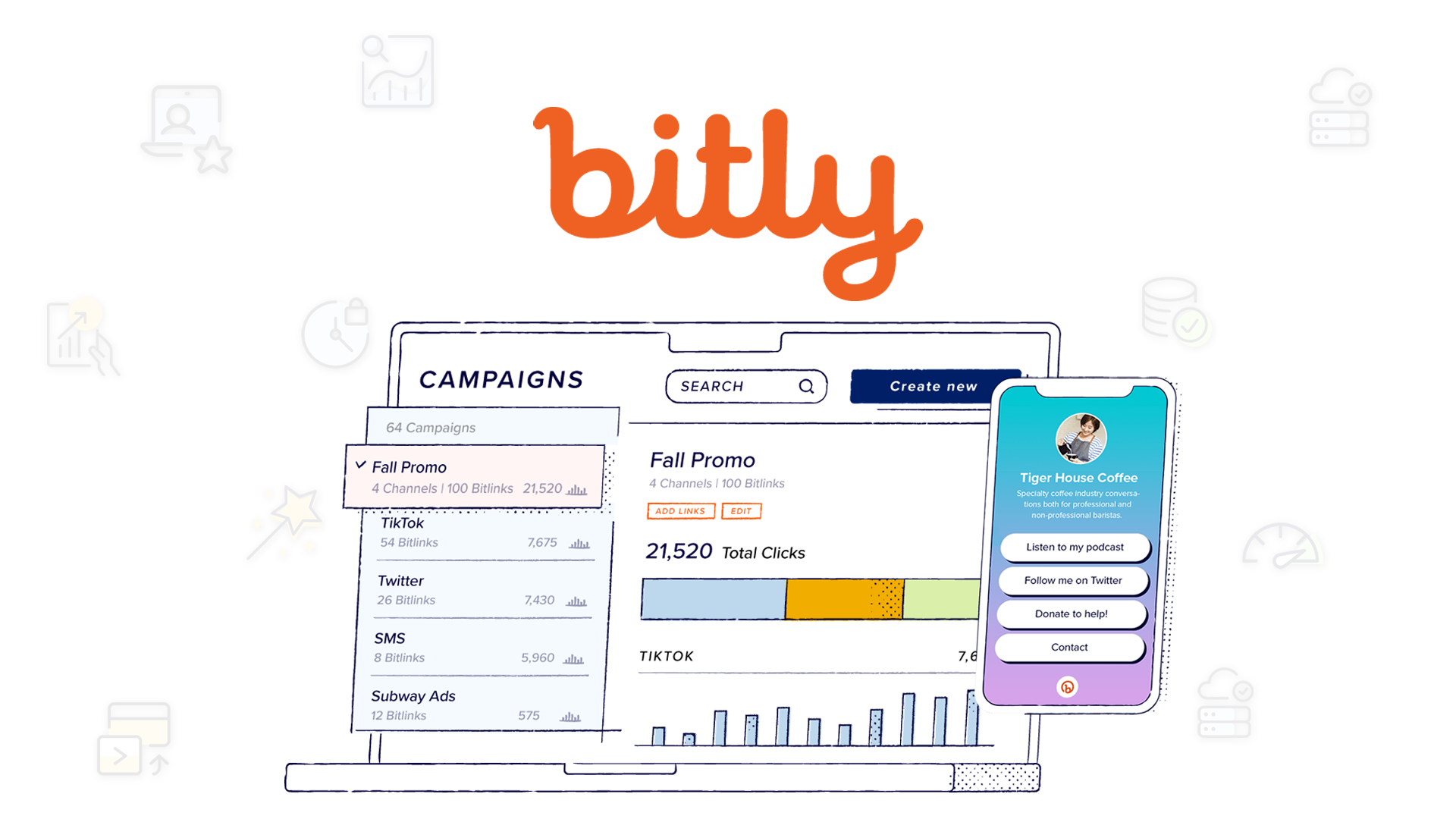
Why do companies use Bitly instead of full URLs? Beyond aesthetics, companies use Bitly for link analytics. It allows them to track how many people clicked a link, the geographic location of those users, and the referring platform. This data is essential for measuring the effectiveness of digital marketing campaigns.
Can a Bitly link be changed after it is created? Bitly allows paid users to redirect an existing link to a new destination. This means a link that was safe yesterday could technically be updated to point to a malicious site today. This is another reason to remain cautious when encountering older, reused links.
Is it safer to click a full URL than a shortened one? Generally, yes. A full URL provides transparency, allowing you to see the domain and path before you click. Shortened links remove this transparency, which is why they are favored by both marketers and threat actors alike.
Does Bitly provide a way to report malicious links? Yes, Bitly maintains a dedicated abuse reporting mechanism. If you encounter a link you believe is malicious, you can report it through their official support channels to help them blacklist the destination and protect other users.
Next Steps for Users
If you frequently interact with shortened links for work or personal research, start by making the plus sign preview a habit. By appending + to any Bitly URL before you click, you remove the element of surprise and gain immediate visibility into the destination. Combine this with a robust password manager and a browser that features active, real-time security updates to maintain a comprehensive defense against link-based threats.