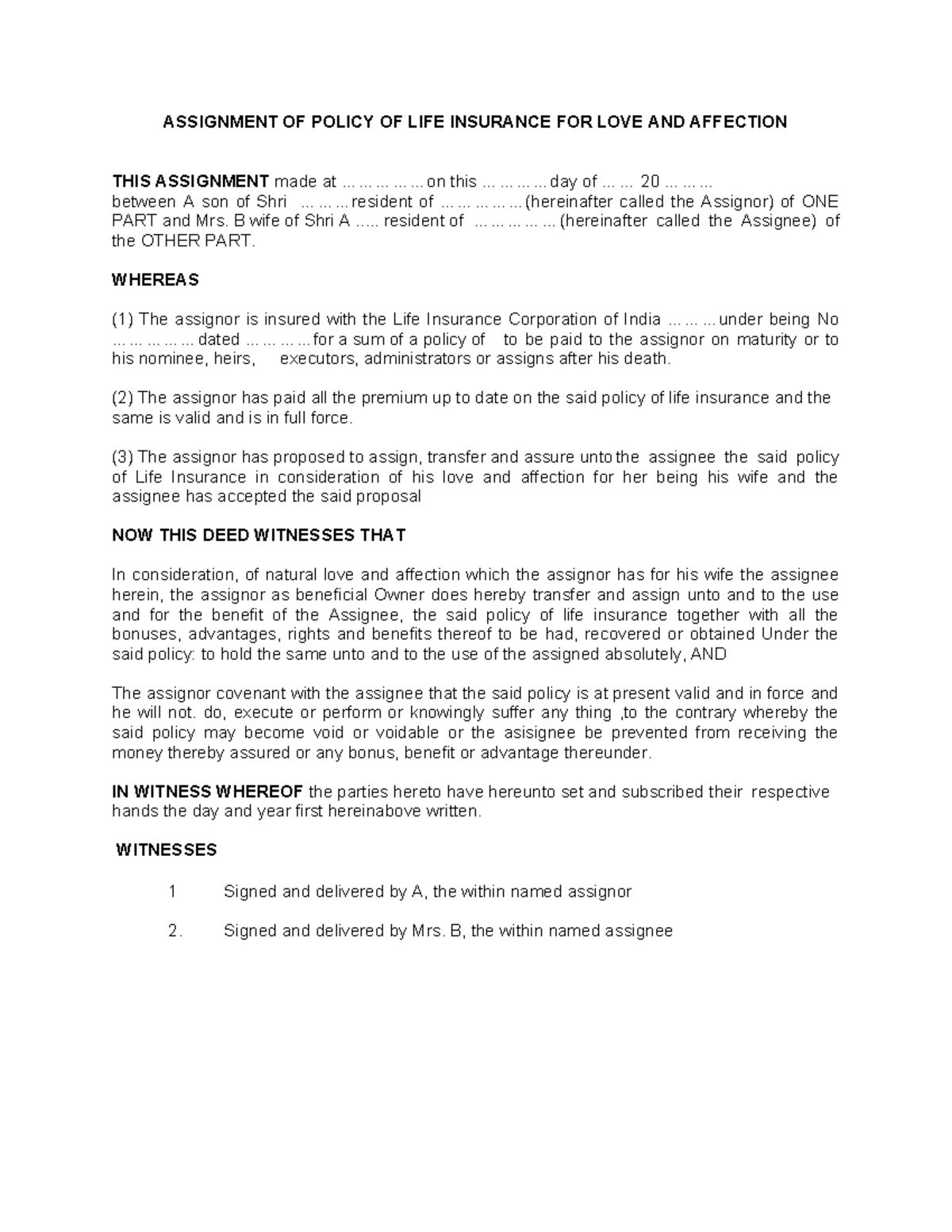
An assignment amount on a life insurance policy refers to the specific portion of the death benefit or cash value that a policyholder legally transfers to a third party, such as a lender or creditor, as collateral for a loan or financial obligation. This transaction effectively establishes a security interest in the policy, ensuring that the assignee receives their owed funds before any remaining proceeds reach the policy’s primary beneficiaries.
Navigating the financial architecture of life insurance requires an understanding of how policies function beyond their primary role as a safety net for loved ones. While individuals typically purchase life insurance to provide income replacement or estate liquidity, these contracts also hold tangible economic value. Under specific financial circumstances, policyholders can leverage this value by assigning a portion or all of their policy's rights to an outside entity.
Understanding the assignment amount, the mechanics of how it operates, and the distinct types of assignments available is vital for anyone considering using a life insurance policy for collateral or estate planning. This guide examines the definition of an assignment amount, the operational mechanics behind policy transfers, the legal frameworks governing them, and the practical implications for both policyholders and beneficiaries.
What Is an Assignment Amount on Life Insurance?
An assignment amount on a life insurance policy is the designated monetary value or percentage of a policy’s proceeds that a policyowner legally transfers to an assignee. When a policyowner takes out a loan or enters into a binding financial agreement, the lender often requires security. By executing a policy assignment, the policyowner grants the lender a legal claim against the policy's cash surrender value or eventual death benefit up to the specified amount.
To understand this concept clearly, it helps to separate the roles involved in the transaction:
- The Policyowner: The individual who owns the contract, pays the premiums, and retains the right to change beneficiaries or exercise policy options, subject to any existing assignment restrictions.
- The Insurer: The life insurance company that issued the contract and must record and acknowledge the assignment to make it legally binding.
- The Assignee: The third party—frequently a commercial bank, credit union, or financial institution—that receives the rights to the specified assignment amount.
- The Beneficiary: The designated individual or entity slated to receive the remaining policy proceeds after the assignee’s financial claim has been fully satisfied.
The assignment amount is not an arbitrary figure; it is strictly tied to the outstanding balance of the underlying debt or the specific terms outlined in the assignment contract. Once the assignment is properly executed, the insurer cannot disburse the full policy proceeds to the primary beneficiaries until the assignee’s financial interest is settled.
How Life Insurance Policy Assignments Work
The mechanics of assigning a life insurance policy involve a formal legal and administrative process between the policyowner, the insurer, and the financial institution providing the funds. Policies do not automatically become collateral; the policyowner must intentionally trigger the process.
1. The Initiation of Financial Need
The process typically begins when a policyowner seeks a commercial loan, business financing, or a specialized line of credit and offers their life insurance policy as collateral. Instead of liquidating investments or putting up physical real estate, the policyowner utilizes the equity within a permanent life insurance policy (such as whole life or universal life) or the guaranteed payout of a term policy.
2. Drafting the Assignment Agreement
The lender provides a formal assignment document. This document specifies the precise assignment amount, the terms of the debt it secures, and the legal rights being transferred. The policyowner and any irrevocable beneficiaries must review, sign, and date this document.
3. Submission and Insurer Acknowledgment
Once executed, the document is submitted to the life insurance company's home office. Insurers maintain strict administrative guidelines for processing assignments. They verify the policy's current status, confirm that the premiums are paid up to date, and record the assignment in their official corporate ledgers. Most insurance companies operate under a "no liability for validity" clause, meaning they record the assignment administratively without guaranteeing the underlying legality or fairness of the private debt contract between the policyowner and the lender.
4. Claim Settlement at Maturity
When the insured individual passes away, or when the policy is surrendered or matures, the claims department calculates the total payout. If an assignment is active, the insurer pays the assignee an amount equal to the verified assignment amount (plus any accrued interest or fees specified in the agreement). Any remaining balance from the death benefit or cash value is then distributed to the policy's named beneficiaries.
Types of Life Insurance Assignments
Insurance regulations and standard industry practices generally recognize two distinct categories of policy assignments. Choosing the correct type is critical because it dictates the legal reach and limitations of the assignee’s claim.
| Feature / Attribute | Collateral Assignment | Absolute Assignment |
|---|---|---|
| Primary Purpose | Securing a loan or financial debt | Permanent transfer of ownership and all rights |
| Ownership Status | Policyowner retains residual ownership and control | Ownership permanently shifts to the assignee |
| Beneficiary Rights | Beneficiaries remain intact, but subordinated to the assignee | Previous beneficiaries are removed; new owner controls designations |
| Reversibility | Fully reversible once the underlying debt is paid off | Irreversible once legally executed and recorded |
| Tax Implications | Generally none, as ownership does not change | May trigger complex income or gift tax consequences |
Collateral Assignment
A collateral assignment is a temporary, conditional transfer of policy rights used primarily to secure a debt. Under this arrangement, the lender receives a security interest limited to the assignment amount necessary to cover the outstanding loan balance.
If the insured passes away with an active collateral assignment, the lender files a claim with the insurer for the exact assignment amount, and the remaining death benefit goes to the family or other beneficiaries. If the policyowner pays off the loan during their lifetime, the collateral assignment is formally released, restoring full, unencumbered control of the policy to the owner.
Absolute Assignment
An absolute assignment—sometimes referred to as a collateral-free or permanent assignment—involves the complete and permanent transfer of all ownership rights, privileges, and benefits to the assignee. The original policyowner surrenders all control, meaning they can no longer change beneficiaries, borrow against the policy, or surrender it for cash.
Absolute assignments are rarely used for standard bank loans. Instead, they are common in business succession planning, divorce settlements, or when transferring a policy to an irrevocable life insurance trust (ILIT) or a charitable organization. Because the transfer is permanent, it carries significant tax and legal implications that require professional guidance.
Key Considerations and Requirements for Policyowners
Before initiating an assignment, policyowners must evaluate several legal, financial, and operational factors to prevent unintended consequences.
Policy Eligibility and Permanent vs. Term Insurance
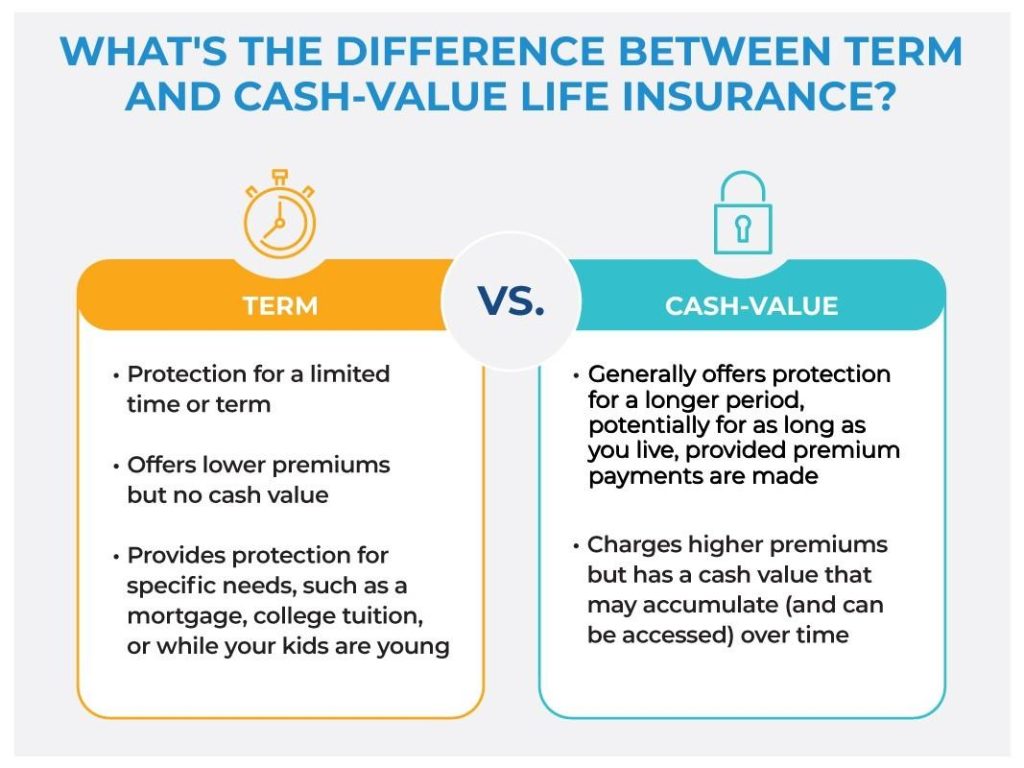
While permanent life insurance policies—which accumulate cash value—are the most common vehicles for assignments due to their long-term stability, term life insurance policies can also be assigned in certain scenarios. However, lenders are generally more reluctant to accept term policies as collateral because the coverage can expire, premiums may increase dramatically, and the policy lacks a cash surrender value to serve as an immediate secondary backup.
Impact on Named Beneficiaries
A collateral assignment directly supersedes the rights of revocable beneficiaries. If a policyowner assigns $250,000 of a $500,000 policy to a bank, the primary beneficiaries will only receive the remaining $250,000 upon the insured's death, regardless of what the policy documentation originally stated. Policyowners should communicate these financial arrangements to their beneficiaries to manage expectations regarding the final payout.
Premium Payment Obligations
Executing an assignment does not relieve the policyowner of their responsibility to pay ongoing insurance premiums. If the policy lapses due to non-payment, the insurance contract terminates, which can trigger default clauses in the underlying loan agreement and prompt the lender to demand immediate repayment or pursue additional legal remedies.
Common Mistakes to Avoid
Navigating life insurance assignments involves strict legal adherence. Avoiding frequent administrative and structural errors protects both the policyowner’s financial interests and the security of the loan.
- Failing to Notify the Insurance Company: An unrecorded assignment is legally fragile. If an assignment form is signed and kept in a home safe without being filed and acknowledged by the insurer’s home office, the insurance company may pay the death benefit directly to the primary beneficiaries upon the insured's death, leaving the lender with costly litigation to recover the funds.
- Over-Assigning Policy Values: Assigning an amount that exceeds the actual financial need or the policy’s face value restricts unnecessary liquidity. Policyowners should ensure the assignment amount matches the precise balance of the secured obligation.
- Neglecting to Release the Assignment: Once a collateral-secured loan is paid in full, failing to submit a formal release of assignment form leaves the restriction active on the insurer’s records, complicating future policy transactions or eventual death benefit distributions.
- Ignoring Tax Ramifications: While collateral assignments generally do not create taxable events, absolute assignments can be classified as taxable gifts or transfers for value under specific Internal Revenue Service (IRS) guidelines, potentially exposing the transaction to unexpected tax liabilities.
Frequently Asked Questions
Can an assignment amount be changed after it is submitted to the insurer?
Yes, a collateral assignment amount can typically be modified, provided both the policyowner and the assignee agree to the change. The lender must submit an updated amendment or a formal revised assignment document to the life insurance company so that the new terms can be officially recorded.
What happens if the insured dies while a collateral assignment is active?
When the insured passes away, the insurer investigates the claim and verifies the active collateral assignment. The insurer pays the assignee an amount equal to the verified assignment sum or the remaining loan balance, whichever is less. The remainder of the death benefit is then disbursed to the policy's primary beneficiaries.
Do irrevocable beneficiaries have to sign off on an assignment?
Yes. If a policy has an irrevocable beneficiary designation, that beneficiary holds a vested legal interest in the policy. Any collateral or absolute assignment requires the explicit written consent and signature of the irrevocable beneficiary, as the assignment diminishes their guaranteed share of the policy proceeds.
Does a collateral assignment affect the policy's cash value growth?
No. A collateral assignment places a lien on the policy's proceeds and cash value as security, but it does not stop the underlying cash value from earning interest, dividends, or market-linked gains according to the policy's terms. However, the owner's ability to take policy loans against that cash value may be restricted while the assignment is active.
How is an assignment released once a loan is paid off?
Once the underlying debt is fully satisfied, the assignee must sign a formal "Release of Assignment" document. This document is submitted to the life insurance company. Upon verification, the insurer removes the encumbrance from the file, restoring full, unrestricted rights and death benefit allocations to the policyowner.
Next Actions and Professional Guidance
Using a life insurance policy to secure financing through a structured assignment is a powerful financial tool, but it introduces legal complexities that require careful execution. Policyowners should begin by requesting a formal in-force illustration from their insurance carrier to verify the current death benefit, cash value, and any existing loans or liens. Next, consult directly with the lending institution to ensure their specific assignment documentation meets both legal standards and the insurer’s administrative requirements. Because policy assignments alter estate plans, beneficiary rights, and tax liabilities, consulting a qualified financial advisor, estate planning attorney, or tax professional before signing any assignment agreement is strongly recommended.