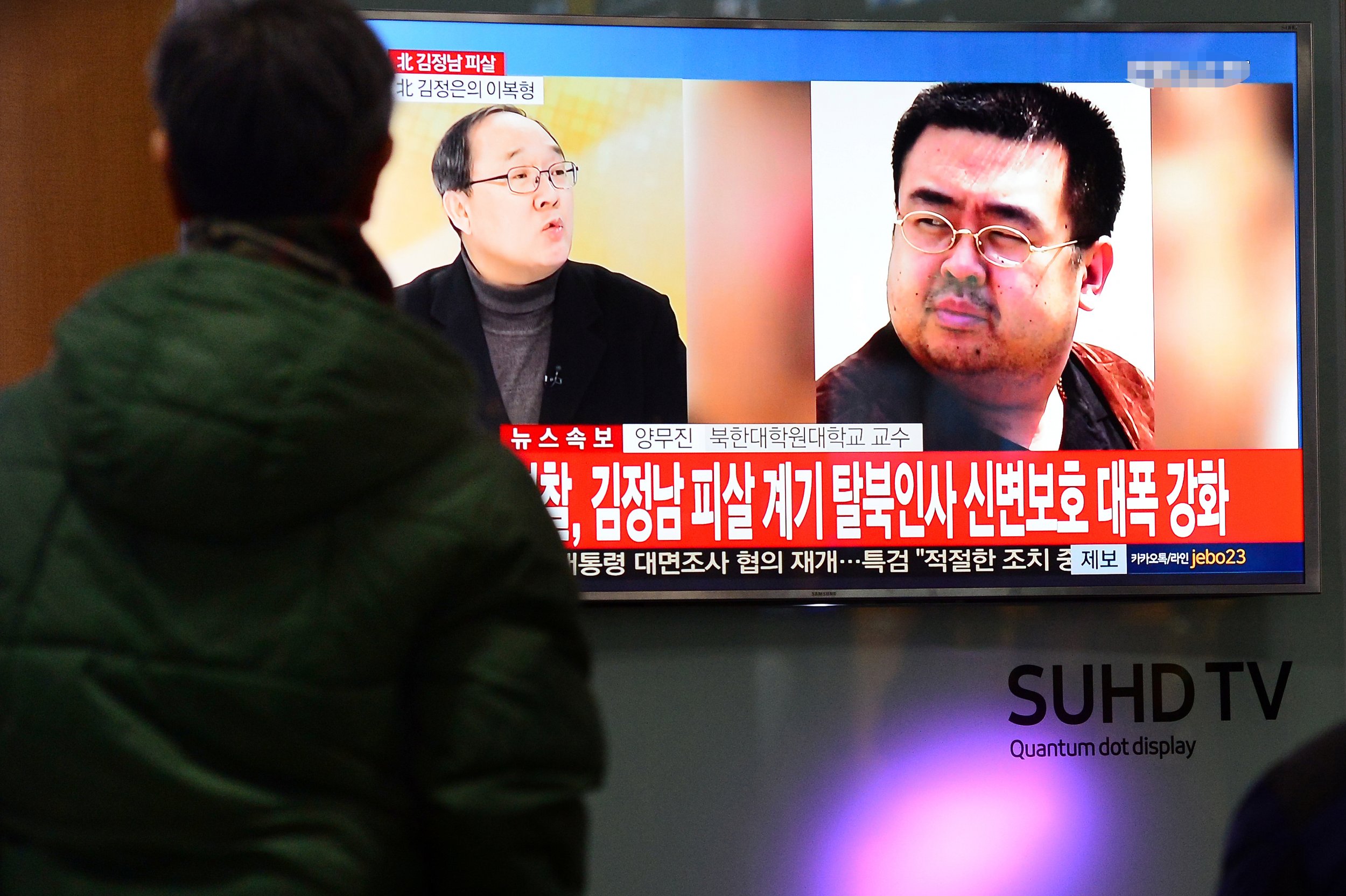
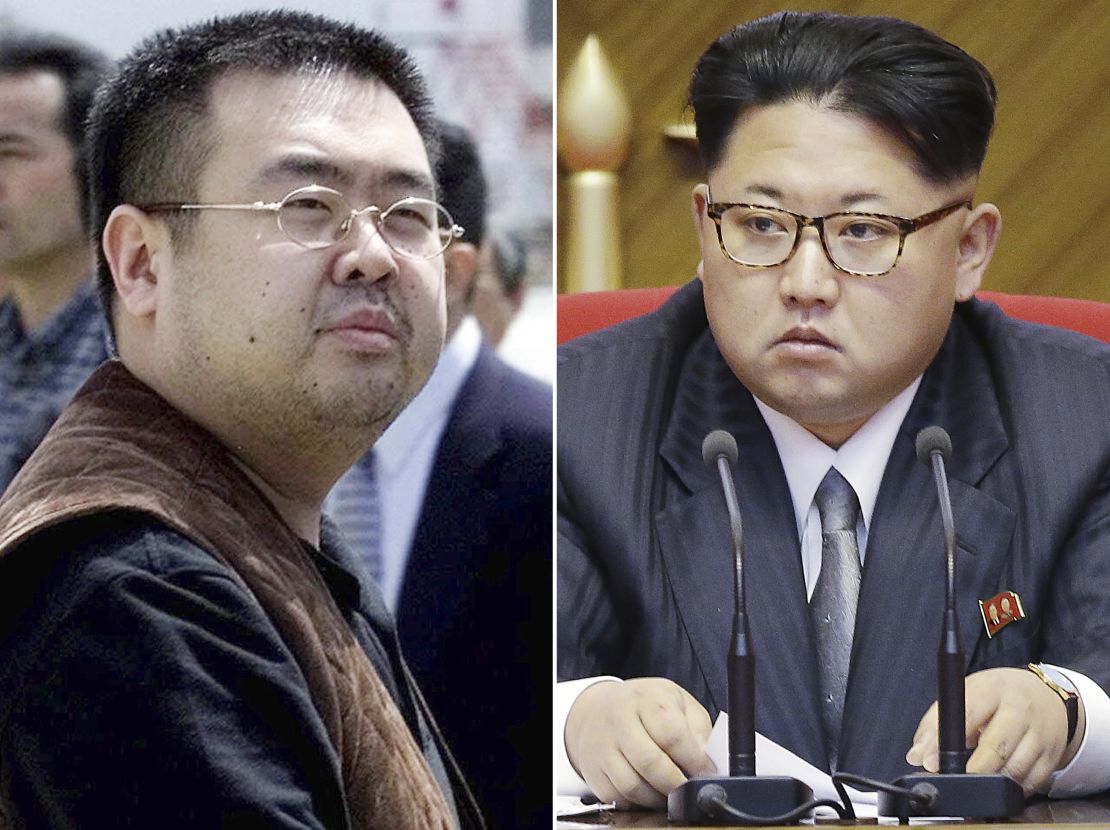
The assassination of Kim Jong Nam occurred on February 13, 2017, at Kuala Lumpur International Airport in Malaysia. Carried out using the prohibited VX nerve agent, the operation targeted the estranged half-brother of North Korean leader Kim Jong Un, sparking a global diplomatic crisis and highlighting the lethal reach of state-sponsored espionage.
The Context: Who Was Kim Jong Nam?
To understand the gravity of the assassination, one must first look at the identity of the victim. Kim Jong Nam was the eldest son of the late North Korean leader Kim Jong Il. For many years, he was considered the "heir apparent" to the leadership of the Democratic People's Republic of Korea (DPRK). However, his standing within the regime collapsed in 2001 following a high-profile incident in which he was caught attempting to enter Japan on a forged Dominican passport to visit Tokyo Disneyland.
Following this disgrace, Kim Jong Nam lived in a state of self-imposed exile, primarily in Macau, with frequent travels to Malaysia, Singapore, and Europe. Unlike his younger half-brother, Kim Jong Un, who eventually took power in 2011, Kim Jong Nam was vocal in his criticism of the North Korean regime’s dynastic succession. He reportedly advocated for Chinese-style economic reforms and maintained a close relationship with the Chinese government, leading many analysts to believe Beijing viewed him as a potential replacement for Kim Jong Un should the regime collapse.
By 2017, Kim Jong Nam had become a perceived threat to the stability of Kim Jong Un’s rule. While he lacked a domestic power base, his bloodline and his visibility on the international stage made him a symbolic rival. Intelligence reports from 2026 and earlier confirm that North Korea had a standing order for his assassination for years prior to the successful operation in Kuala Lumpur.
Timeline of the Attack: February 13, 2017
The operation was executed with clinical precision in a highly public setting: the departures hall of Kuala Lumpur International Airport 2 (KLIA2). Kim Jong Nam was traveling under the pseudonym "Kim Chol" and was preparing to board a flight back to Macau.
At approximately 9:00 AM, two women approached him from different directions. The first woman, later identified as Doan Thi Huong from Vietnam, lunged from behind and covered his eyes with a cloth or gloved hand. Simultaneously, the second woman, Siti Aisyah from Indonesia, applied a liquid substance to his face. The entire encounter lasted less than five seconds.
The women immediately fled in different directions, heading to the restrooms to wash their hands before exiting the terminal. Kim Jong Nam, visibly distressed and stumbling, approached airport information clerks and police officers. He explained that someone had "swiped his face" with a liquid that made him feel dizzy. While being transported to Putrajaya Hospital, he suffered a series of seizures and died in the ambulance.
The audacity of the attack—using a chemical weapon of mass destruction in a crowded international travel hub—sent shockwaves through the global community. It was not merely a murder; it was a demonstration of power and a blatant violation of international norms regarding chemical warfare.
The Weapon of Choice: VX Nerve Agent
The most horrifying aspect of the assassination was the choice of toxin. Forensic toxicologists identified the substance as VX (Venomous Agent X), an organophosphate nerve agent. VX is classified as a weapon of mass destruction by the United Nations under Resolution 687 and is strictly prohibited by the Chemical Weapons Convention.
How VX Works
VX is the most potent of all synthetic chemical warfare agents. It is a clear, amber-colored, oily liquid that is tasteless and odorless. Unlike many other nerve agents that are volatile and dissipate quickly, VX is persistent; it remains on surfaces for long periods and is difficult to wash away.
The agent works by inhibiting the enzyme acetylcholinesterase. In a healthy nervous system, this enzyme breaks down the neurotransmitter acetylcholine, which tells muscles to relax after a contraction. When VX enters the body—either through skin contact, inhalation, or ingestion—it prevents the enzyme from working. This leads to a "cholinergic crisis," where the muscles of the body, including the diaphragm, remain in a constant state of contraction.
Victims typically experience:
- Miosis (pinpoint pupils)
- Sudden convulsions
- Loss of consciousness
- Total respiratory failure
Kim Jong Nam likely died because his diaphragm became paralyzed, making it impossible for him to breathe. The use of a "binary" application method was suspected, where two relatively harmless precursors are applied separately and react on the victim's skin to form the lethal agent, though later evidence suggested the women might have applied the full agent using specialized techniques to avoid self-poisoning.
The Assassins: Pawns or Professionals?
The arrest of Siti Aisyah and Doan Thi Huong shortly after the murder turned the case into a media sensation. Their defense was as bizarre as the crime itself: both women claimed they believed they were participating in a "prank show" for a YouTube channel or a television series.
Recruitment and Manipulation
Investigations revealed a complex web of manipulation. The women were recruited by North Korean agents posing as producers. For weeks prior to the assassination, the women were paid to perform "pranks" in malls and airports across Southeast Asia. These pranks involved sneaking up on strangers and smearing them with baby oil or lotion.
By the time they were tasked with the "Kim Chol" target, the women had been desensitized to the act. They were told that this final prank was for a "big movie" and would involve a special liquid. This defense was supported by CCTV footage showing the women behaving casually after the attack, rather than with the frantic caution typical of trained assassins.
Legal Outcomes and Release
The trial of Siti Aisyah and Doan Thi Huong lasted for over a year. However, the legal proceedings took a dramatic turn when the Malaysian prosecution withdrew charges against Siti Aisyah in March 2019, following intense diplomatic lobbying by the Indonesian government. She was released and returned home immediately.
Doan Thi Huong was offered a plea bargain shortly after. Her charge was reduced from murder to "causing hurt by dangerous weapons." She pleaded guilty and was released in May 2019, taking into account time served and standard sentence remissions. As of 2026, both women have largely faded from the public eye, though their story remains a cautionary tale of how ordinary people can be weaponized by state actors.
The North Korean Handlers: The "Masterminds"
While the two women faced the court, the individuals who orchestrated the attack—the North Korean "handlers"—escaped justice. Malaysian authorities identified four North Korean men who were present at the airport on the day of the murder:
- Ri Ji-hyon (33)
- Hong Song-hac (34)
- O Jong-gil (55)
- Ri Jae-nam (57)
CCTV footage showed these men watching the attack from a nearby eatery and then quickly moving through immigration to catch flights out of the country. They traveled back to Pyongyang via Jakarta, Dubai, and Vladivostok, ensuring they were beyond the reach of Malaysian law before the victim was even declared dead.
Additionally, several North Korean officials within the embassy in Kuala Lumpur were implicated. This included Hyon Kwang-song, a second secretary at the embassy, and Kim Uk-il, an employee of the North Korean airline Air Koryo. These individuals took refuge inside the North Korean embassy, leading to a tense diplomatic standoff.
Diplomatic and Geopolitical Impact
The assassination decimated the once-friendly relationship between Malaysia and North Korea. Prior to 2017, Malaysia was one of the few countries in the world that allowed North Koreans visa-free entry. In the wake of the attack, this privilege was revoked.
Hostage Diplomacy
The situation escalated when Malaysia declared the North Korean ambassador, Kang Chol, persona non grata after he accused the Malaysian government of conspiring with "hostile forces" (South Korea and the US) to frame Pyongyang. In retaliation, North Korea barred all Malaysian citizens from leaving the country, effectively holding them hostage. Malaysia responded in kind, cordoning off the North Korean embassy in Kuala Lumpur.
The standoff ended only when Malaysia agreed to return Kim Jong Nam’s body to North Korea and allow the suspects hiding in the embassy to return to Pyongyang in exchange for the release of the nine Malaysians held in North Korea.
International Sanctions
The use of VX led the United States to formally determine in 2018 that the North Korean government was responsible for the assassination. This triggered a new wave of sanctions under the Chemical and Biological Weapons Control and Warfare Elimination Act of 1991. The incident reinforced the global perception of North Korea as a "rogue state" willing to use prohibited weapons on foreign soil.
Summary of Key Figures and Their Status
| Name | Role | Status (as of 2026) |
|---|---|---|
| Kim Jong Nam | Victim / Half-brother of Kim Jong Un | Deceased; cremated in North Korea. |
| Siti Aisyah | Accused (Indonesia) | Released in 2019; living in Indonesia. |
| Doan Thi Huong | Accused (Vietnam) | Released in 2019; living in Vietnam. |
| Ri Ji-hyon et al. | North Korean Handlers | Fugitives; believed to be in Pyongyang. |
| Kang Chol | NK Ambassador to Malaysia | Expelled from Malaysia; returned to DPRK. |
| VX Nerve Agent | Murder Weapon | Classified as WMD; strictly prohibited. |
Frequently Asked Questions
Why didn't the VX kill the two women who handled it?
The women were instructed to wash their hands immediately after the "prank." VX is absorbed through the skin, but the absorption rate can be slowed if the skin is washed with soap and water within minutes. There is also speculation that the women may have been given a topical "pre-treatment" or that the agent was applied using a specific technique (such as a gloved hand or a "binary" application) that minimized their exposure.
Did North Korea ever admit to the assassination?
No. North Korea has consistently denied any involvement, refusing to even acknowledge that the deceased was Kim Jong Nam. They referred to him only as "Kim Chol," as stated on his passport, and claimed he died of a heart attack. They accused the Malaysian investigation of being biased and politically motivated.
What happened to Kim Jong Nam's family?
Following the assassination, Kim Jong Nam’s son, Kim Han-sol, and other family members went into hiding. A group known as Free Joseon (formerly Cheollima Civil Defense) reportedly helped extract them from Macau. Their current location remains classified for their safety, though they are widely believed to be under the protection of a Western government.
Is VX still a threat in international travel?
While the 2017 attack was a specific targeted assassination, it prompted airports worldwide to upgrade their chemical detection protocols. However, because VX is non-volatile and difficult to detect in liquid form without specialized equipment, it remains a significant concern for security agencies monitoring state-sponsored threats.
What is the lasting legacy of this event?
The assassination serves as a chilling example of the intersection between high-stakes geopolitics and modern chemical warfare. It remains a primary case study in how a state actor can use asymmetric methods—such as the manipulation of innocent civilians—to conduct a lethal operation while maintaining plausible deniability.
Practical Recommendations for Further Study
For those interested in the deeper legal and social implications of the case, the 2020 documentary Assassins, directed by Ryan White, provides an exhaustive look at the trial and the recruitment of Siti Aisyah and Doan Thi Huong. Additionally, academic journals on international law frequently cite this event when discussing the challenges of prosecuting state-sponsored chemical crimes when the masterminds reside in non-extradition jurisdictions.
Researchers should focus on the Chemical Weapons Convention (CWC) frameworks to understand how international law attempts to prevent the recurrence of such incidents. The event remains a cornerstone of 21st-century intelligence history, illustrating that even in a world of digital surveillance, physical "wetwork" remains a tool for authoritarian regimes.