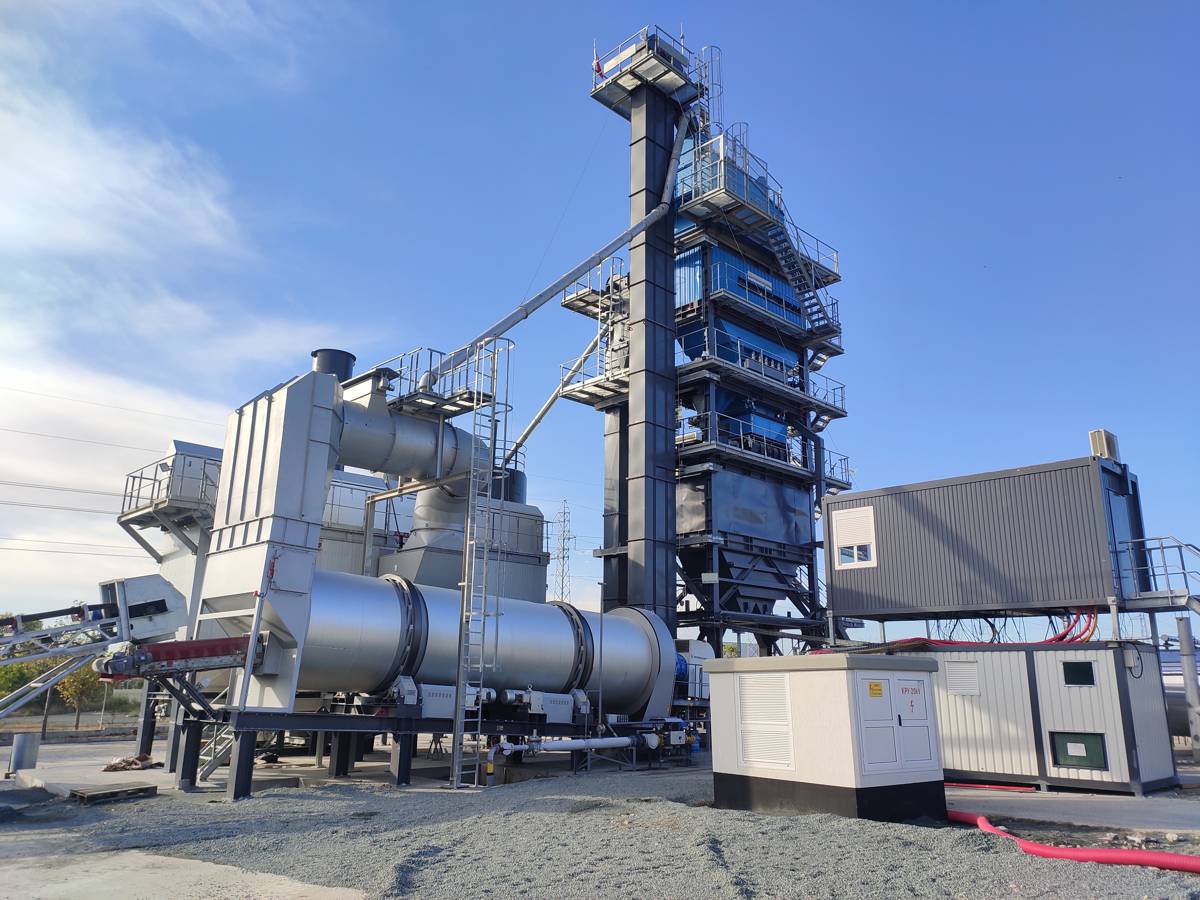
Asphalt plant explosions are high-consequence industrial accidents caused by the ignition of combustible dust, flammable bitumen vapors, or mechanical failures within the heating system. These incidents are prevented through rigorous adherence to NFPA standards, automated temperature monitoring, regular baghouse maintenance, and comprehensive operator training to manage the volatile interaction between high-heat burners and hydrocarbons.
Operating an asphalt mixing plant involves a complex interplay of extreme heat, heavy machinery, and combustible materials. As of 2026, the technology used to produce Hot Mix Asphalt (HMA) and Warm Mix Asphalt (WMA) has become significantly more advanced, yet the fundamental risks of fire and explosion remain a primary concern for plant owners, safety officers, and local municipalities.
An explosion at an asphalt facility is rarely the result of a single failure. Instead, it is typically a "perfect storm" where several safety layers fail simultaneously. To maintain a safe operating environment, it is essential to understand the chemistry of asphalt production, the mechanics of the plant components, and the specific triggers that can lead to a catastrophic pressure release or fire.
The Mechanics of Asphalt Production and Inherent Risks
To understand how an explosion occurs, one must first understand what happens inside the plant. Asphalt plants generally fall into two categories: Batch Plants and Drum Mix Plants. Both use a combination of aggregate (stone, sand, and gravel) and liquid asphalt cement (bitumen) to create the final paving product.
The process requires heating the aggregate to temperatures often exceeding 300°F (149°C) to remove moisture and ensure the bitumen can coat the stone evenly. This heating is achieved using large industrial burners fueled by natural gas, waste oil, or propane. The presence of high-intensity flames in close proximity to petroleum-based bitumen and fine mineral dust creates a trifecta of explosive potential.
The Role of Bitumen and Flash Points
Bitumen is the binder in asphalt. While it is a heavy, viscous material at room temperature, it must be heated significantly for transport and mixing. Every grade of bitumen has a flash point—the lowest temperature at which it gives off enough vapor to form an ignitable mixture with air.
If the heating system in a storage tank or the mixing drum malfunctions and exceeds the flash point, the headspace of the tank fills with explosive vapors. A single spark from a static discharge, a failing motor, or the burner itself can trigger a massive vapor cloud explosion. In 2026, many plants utilize synthetic binders and additives that may alter these flash points, requiring precise calibration of thermal sensors.
Primary Causes of Asphalt Plant Explosions
Analysis of industrial accidents reveals several recurring themes in asphalt plant failures. These can be categorized into chemical, mechanical, and operational triggers.
1. Combustible Dust Explosions in the Baghouse
The baghouse is the plant’s filtration system, designed to capture fine "fines" or dust particles created during the aggregate drying process. This dust is a potent fuel. When fine particles are suspended in the air in a confined space (like a baghouse or a duct) at the right concentration, they create a combustible atmosphere.
If a spark enters the baghouse—perhaps from the burner or from metal-on-metal friction—a primary explosion occurs. This initial blast often shakes loose more dust accumulated on ledges and beams, leading to a much larger secondary explosion that can level the entire structure.
2. Moisture and the "Boil-Over" Phenomenon
Water is one of the most dangerous contaminants in an asphalt plant. When liquid water comes into contact with hot bitumen (which is well above the boiling point of water), it undergoes a phase change into steam almost instantaneously.
Because steam occupies approximately 1,600 times the volume of liquid water, this rapid expansion creates a massive pressure surge. If this happens inside a storage tank or a mixing drum, it can rupture the vessel or cause a "boil-over," where a geyser of burning asphalt is ejected into the air, potentially landing on workers or igniting nearby structures.
3. Burner Management System (BMS) Failure
The burner is the "heart" of the plant, but it is also the most volatile component. A failure in the Burner Management System can lead to "flame out" incidents where fuel continues to pump into the combustion chamber without being ignited. If the fuel accumulates and is then suddenly ignited by a hot surface or a late spark, a massive "backfire" or explosion within the drum occurs.
4. Storage Tank Failures
Asphalt cement is kept in large vertical or horizontal tanks heated by internal coils containing hot oil (thermal fluid). If these coils leak, the thermal fluid can mix with the asphalt, potentially lowering the flash point. Additionally, if the venting system on a tank becomes clogged with hardened asphalt residue, pressure cannot escape, leading to a mechanical over-pressurization and eventual tank rupture.
Comparative Risk Assessment of Asphalt Plant Components
The following table outlines the specific hazards associated with different areas of an asphalt plant and the standard 2026 mitigation strategies.
| Plant Component | Primary Hazard | Trigger Mechanism | Mitigation Strategy |
|---|---|---|---|
| Baghouse | Dust Explosion | Spark + Fine Dust suspension | Spark detection, explosion vents, grounding |
| Storage Tanks | Vapor Explosion | Overheating past flash point | Automated high-temp shut-offs, inerting |
| Mixing Drum | Boil-over / Steam blast | Moisture contamination | Pre-drying aggregate, tank lids, drainage |
| Burner Unit | Fuel Explosion | Unburned fuel accumulation | Flame scanners, purge cycles, BMS logic |
| Hot Elevators | Mechanical Fire | Friction / Bearing failure | Vibration sensors, thermal imaging |
Advanced Prevention and Safety Protocols
In 2026, the industry has moved toward "Smart Plants" that utilize the Internet of Things (IoT) to provide real-time data to operators. However, technology is only as good as the maintenance and procedures behind it.
Thermal Imaging and AI Monitoring
Modern plants now frequently use fixed thermal cameras pointed at critical points like the burner transition zone and the baghouse inlet. AI-driven software can detect "hot spots" that are invisible to the naked eye, alerting the operator to a potential fire or explosion risk minutes before it occurs.
Rigorous Preventative Maintenance (PM)
Mechanical integrity is the first line of defense. A strict PM schedule must include:
- Daily: Checking burner flame patterns and clearing dust from sensors.
- Weekly: Inspecting baghouse bags for tears and checking the integrity of explosion relief panels.
- Monthly: Testing "emergency stop" circuits and calibrating temperature probes.
- Annually: Performing a full "stop-to-bottom" structural and electrical audit.
Explosion Venting and Suppression
Since some risks cannot be entirely eliminated, plants are engineered to "fail safely." Explosion vents (or rupture disks) are designed to blow out at a specific pressure, directing the force of an internal blast upward and away from personnel rather than allowing the entire vessel to shatter. In high-risk areas, chemical suppression systems can detect a pressure wave and inject an extinguishing agent in milliseconds to "quench" the flame before it develops into a full explosion.
Environmental and Legal Impacts
An explosion at an asphalt plant is not merely a site-specific tragedy; it has far-reaching consequences.
- Environmental Fallout: The smoke from an asphalt fire contains polycyclic aromatic hydrocarbons (PAHs) and other toxic VOCs (Volatile Organic Compounds). Cleanup often involves the Environmental Protection Agency (EPA) and local environmental boards to manage soil and air contamination.
- Regulatory Fines: Following an incident, the Occupational Safety and Health Administration (OSHA) will conduct an investigation. Violations of the "General Duty Clause" or specific standards like OSHA 1910.119 (Process Safety Management) can result in six-figure fines.
- Insurance and Liability: Insurance premiums for asphalt plants have risen sharply. Demonstrating a "Safety First" culture through NFPA 652 (Standard on the Fundamentals of Combustible Dust) compliance is often a prerequisite for coverage.
Emergency Response Procedures
When an explosion occurs, the first 60 seconds are critical. Every plant should have a site-specific Emergency Action Plan (EAP).
- Immediate Shutdown: The operator must hit the "Master E-Stop" to cut fuel flow and power to all conveyors.
- Evacuation: Personnel must move to a pre-designated assembly point upwind of the plant.
- Isolation: If safe, valves on liquid asphalt tanks should be closed to prevent the fire from spreading to the main fuel and bitumen reserves.
- Coordination: Local fire departments must be informed specifically that it is an industrial asphalt fire. Standard water-based firefighting can actually worsen a bitumen fire (due to the steam expansion risk mentioned earlier). Specialized foam or dry chemical agents are usually required.
Frequently Asked Questions
What is the most common cause of a baghouse explosion?
The most common cause is a combination of a "dust cloud" (created during cleaning cycles or system startup) and an ignition source. Ignition often comes from a "stray spark" produced by the burner or a piece of metal debris that has entered the aggregate dryer and struck a steel surface, creating a friction spark.
Can warm-mix asphalt (WMA) reduce explosion risks?
Yes, to some extent. WMA is produced at temperatures 30°F to 100°F lower than traditional hot-mix asphalt. Lower temperatures mean the bitumen is further away from its flash point, and there is less thermal stress on the equipment. However, the risk of combustible dust explosions remains identical regardless of the mix temperature.
How do I know if my asphalt tank is at risk of a boil-over?
A boil-over is usually preceded by a rapid increase in tank pressure and a "rumbling" sound. If you suspect water has entered a hot tank, you should never attempt to vent it manually or look inside the hatch. Immediate evacuation of the area is necessary. Utilizing a "water-finding paste" on a gauge stick can help detect water at the bottom of a cold tank before heating begins.
What are the NFPA standards for asphalt plants?
The primary standards are NFPA 652 (Combustible Dust) and NFPA 654 (Prevention of Fire and Dust Explosions). Additionally, NFPA 86 (Standards for Ovens and Furnaces) applies to the burner and dryer systems. Compliance involves performing a Dust Hazard Analysis (DHA) to identify where explosive atmospheres could form.
Is the smoke from an asphalt plant explosion toxic?
Yes. Asphalt is a petroleum product. When it burns or explodes, it releases thick black smoke containing carbon monoxide, sulfur dioxide, and various carcinogenic compounds. Nearby residents are typically advised to "shelter in place" and turn off HVAC systems until the plume dissipates.
Final Recommendations for Plant Operators
To ensure the safety of your facility in 2026, prioritize a culture of proactive safety over reactive repair. Ensure that all operators are certified not just in plant operation, but in hazard recognition. Invest in automated monitoring systems that provide a fail-safe against human error, and never bypass a safety interlock to meet a production quota. Regular consultation with industrial safety experts and adherence to the latest NFPA guidelines are the most effective ways to prevent the devastating consequences of an asphalt plant explosion.
Note: This article is intended for informational purposes and does not replace professional engineering advice or federal safety compliance audits.