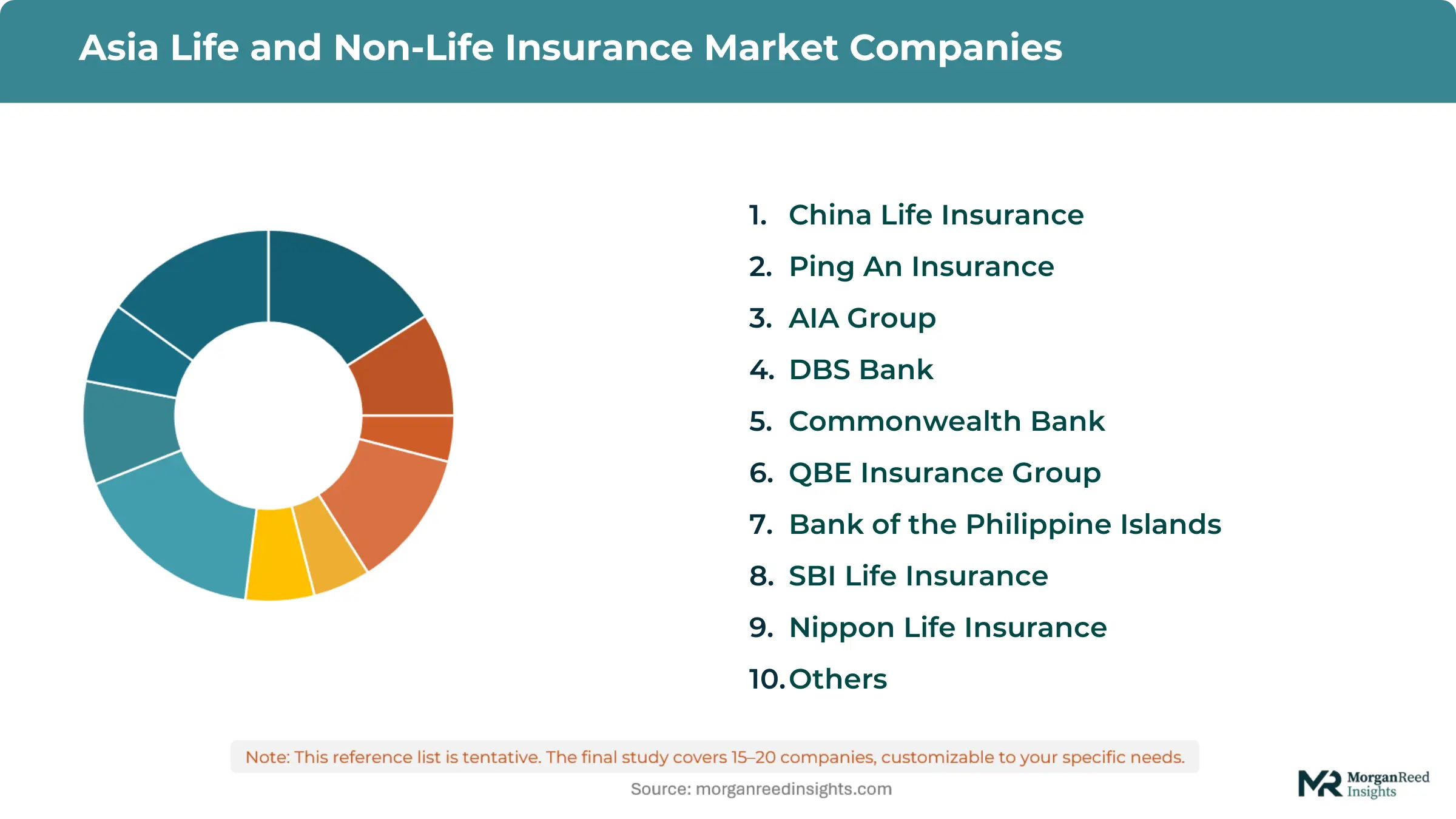
Asia Life Insurance in Singapore functions as a pivotal component of the nation’s robust financial protection landscape, providing a suite of life, health, and wealth accumulation products designed to meet the rigorous demands of a sophisticated urban economy. Navigating this marketplace requires an understanding of how these policies interact with the Central Provident Fund (CPF) framework, private healthcare needs, and long-term legacy planning requirements in the 2026 economic climate.
Understanding the Role of Life Insurance in the Singapore Market
Life insurance in Singapore is more than a simple death benefit; it is a fundamental pillar of personal financial stability. In an environment where the cost of living is high and the healthcare system is highly advanced yet private-cost intensive, residents utilize insurance to mitigate risks associated with sudden income loss, critical illness, and the need for medical treatment.
The industry operates under the strict regulatory supervision of the Monetary Authority of Singapore (MAS). This regulatory framework ensures that insurers maintain adequate capital buffers, adhere to standardized business conduct, and provide clear product disclosures. When evaluating a life insurance provider or a specific policy in Singapore, consumers are looking for a blend of historical solvency, service responsiveness, and policy flexibility.
Core Categories of Life Insurance Products
The Singapore insurance market generally divides life coverage into three primary categories. Each serves a distinct financial objective, and many policyholders hold a combination of these to create a layered protection strategy.
1. Term Life Insurance
Term insurance is the most straightforward form of coverage. It provides a death benefit or a payout in the event of total and permanent disability (TPD) for a specified period, such as 20 or 30 years, or until a specific age (e.g., age 65).
- Purpose: Ideal for individuals who need high coverage during their peak earning years, such as those with young children or mortgage obligations.
- Characteristics: It has no cash value; the premiums are used strictly for protection. Once the term expires, coverage ceases unless renewed.
2. Whole Life Insurance
Whole life insurance provides lifetime coverage. These policies usually include a savings or investment component, known as cash value, which grows over time.
- Purpose: Suitable for those seeking permanent protection and a vehicle for long-term wealth accumulation.
- Characteristics: Premiums are significantly higher than term insurance due to the permanent nature and the investment element. Many policies offer "participating" features, where the insurer shares profits via bonuses.
3. Investment-Linked Policies (ILPs)
ILPs are hybrid products that combine life insurance coverage with sub-funds that invest in equities, bonds, or other assets.
- Purpose: Designed for individuals comfortable with market volatility who want to potentially achieve higher returns than traditional guaranteed plans.
- Characteristics: The death benefit and cash value are tied to the performance of the chosen sub-funds. The policyholder bears the investment risk.
Key Considerations Before Purchasing a Policy
Before committing to a premium payment plan, prospective policyholders must conduct a thorough personal audit. The "Asia life insurance" search intent often highlights a desire for reliability and localized expertise.
Assessing Financial Readiness
One of the most common mistakes in the Singaporean insurance market is over-committing to premium payments. Financial advisors typically suggest that insurance premiums should not exceed 10–15% of an individual's monthly income. If an ILP is chosen, one must account for the volatility of the underlying funds and the possibility that the cash value may not meet projections.
Understanding Riders
Riders are add-ons to a base policy that expand coverage. Common riders in Singapore include:
- Critical Illness (CI) Riders: Provide a lump sum payout upon the diagnosis of specific illnesses such as cancer, heart attack, or stroke. This is crucial for covering recovery costs and loss of income.
- Waiver of Premium Riders: Ensures that if the policyholder becomes disabled or is diagnosed with a critical illness, the insurer continues to pay the premiums on their behalf.
- Hospital and Surgical Riders: Often used to offset the co-payment and deductible portions of private integrated shield plans.
Comparison Table: Choosing the Right Protection Model
| Feature | Term Life | Whole Life | Investment-Linked (ILP) |
|---|---|---|---|
| Duration | Fixed Term | Lifetime | Lifetime / Until Maturity |
| Cash Value | None | Yes | Linked to Investment |
| Premium Cost | Low | High | Variable |
| Risk Profile | Low (Insurance risk only) | Low/Moderate | High (Market risk) |
| Primary Goal | Pure Protection | Protection + Savings | Protection + Investment |
The Integration of CPF and Private Insurance
A unique aspect of the Singaporean insurance landscape is the relationship between private insurance and the Central Provident Fund (CPF). Singaporeans can use their CPF Ordinary Account (OA) or Special Account (SA) savings to purchase specific insurance products, such as the Dependants' Protection Scheme (DPS) or Home Protection Scheme (HPS).
Understanding the limits of these government-mandated schemes is essential. While the DPS provides basic coverage, it is rarely sufficient to maintain a middle-class lifestyle in the event of a breadwinner's passing. Therefore, private life insurance is frequently used to "top up" these government-provided baselines.
Evaluating Insurer Reliability
When researching "Asia life insurance," consumers often investigate the financial strength of the insurer. In Singapore, solvency ratios are reported annually. A healthy solvency ratio indicates that the insurer has more than enough assets to meet its liabilities to policyholders.
Furthermore, the Life Insurance Association (LIA) of Singapore publishes industry-wide information regarding claims and policy standards. Checking an insurer’s complaint history via the Financial Industry Disputes Resolution Centre (FIDReC) can also provide insight into how a company handles contested claims.
Common Pitfalls and Troubleshooting
Under-insurance
Many individuals calculate their life insurance needs based on their current salary. However, a proper assessment should include all liabilities: outstanding mortgages, education funds for children, elderly parent support, and inflation-adjusted living expenses for at least 5 to 10 years after a death.
Lapse of Policy
If a policyholder fails to pay premiums due to financial hardship, the policy may lapse, leading to a total loss of coverage and potential loss of accumulated cash value. Some insurers provide a "grace period" or a "non-forfeiture clause" that allows for a premium loan against the cash value to keep the policy active. Always contact the insurer immediately if payment becomes difficult.
Difficulty with Claims
The most common cause of claim rejection is non-disclosure of pre-existing medical conditions during the application process. When completing an application, ensure that all medical history is declared accurately. Insurers utilize medical underwriting to assess risk; failing to disclose a condition can render a policy void years later when a claim is submitted.
Frequently Asked Questions (FAQ)
1. Is it necessary to have both Term and Whole Life insurance? Not necessarily, but many opt for a hybrid strategy. You might use Term insurance to cover high-liability years (e.g., while paying off a mortgage and raising children) and hold a smaller Whole Life policy to cover final expenses and provide a legacy for dependents.
2. Can I change my mind after buying a life insurance policy? Yes, all life insurance policies in Singapore come with a "free-look period," typically 14 days from the date of receipt of the policy document. During this time, you can cancel the policy and receive a refund of your premiums, minus any medical underwriting expenses.
3. Does life insurance cover deaths caused by any reason? Most policies cover death by any cause, including illness and accidents. However, there is usually a "suicide clause," where the insurer will not pay the death benefit if the policyholder dies by suicide within the first year of the policy.
4. How does inflation affect my life insurance payout? Inflation reduces the purchasing power of your payout over time. When selecting a sum assured, it is prudent to factor in projected inflation rates so that the death benefit remains meaningful for your beneficiaries 20 years into the future.
5. Should I buy life insurance if I am single and have no dependents? Even if you are single, life insurance can be beneficial for covering funeral costs, settling outstanding debts (such as student loans), and providing a cushion for elderly parents. Furthermore, buying insurance while you are young and healthy locks in lower premiums.
Next Steps for Prospective Policyholders
If you are beginning your journey into life insurance in Singapore, the most effective next action is to conduct a professional "Financial Health Check." Gather your current savings, investment statements, and debt obligations. Schedule a meeting with a licensed financial representative or a fee-based advisor who is not tied to a single insurance company. Request a "Needs Analysis" report. This document will mathematically demonstrate the gap between your current assets and your required protection level. Armed with this objective data, you can make an informed decision regarding the products that align with your specific financial goals and risk tolerance.