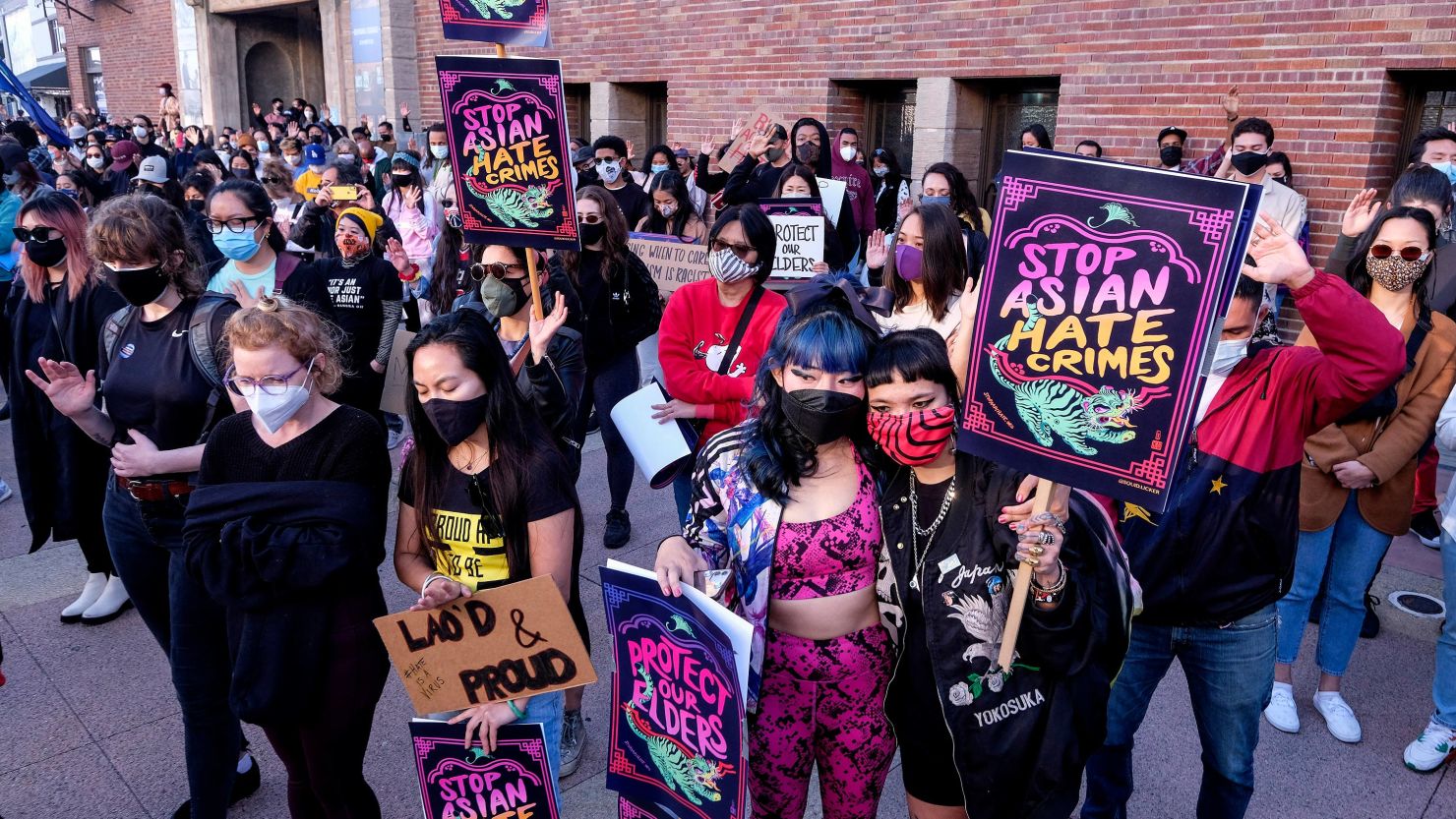
An Asian hate protest is a public demonstration organized to condemn racial discrimination, violence, and harassment directed at Asian, Asian American, and Pacific Islander (AAPI) communities. These events serve as platforms for raising awareness, demanding legislative accountability, and fostering solidarity. Successful participation requires a focus on community safety, legal compliance, clear messaging, and logistical coordination to ensure the cause remains the primary focus.
The Purpose and Evolution of Advocacy
Protests addressing anti-Asian sentiment gained significant global attention in early 2021 following a surge in hate crimes and high-profile incidents of violence. While the initial wave was reactive, current advocacy efforts have evolved to address systemic issues, including the lack of language access in public services, the need for inclusive education, and the implementation of robust hate crime reporting mechanisms.
The primary intent of these protests is rarely just to gather; it is to shift the narrative from passive observation to active allyship. Participants seek to influence policy, encourage media accountability, and provide a visible support system for victims who may otherwise feel isolated.
Legal Prerequisites and Safety Requirements
Organizing or participating in a protest involves understanding the legal boundaries of public assembly. In most jurisdictions, while the right to assemble is protected, this right is subject to "time, place, and manner" restrictions.
Permitting and Public Spaces
Before announcing a protest, organizers must determine if a permit is required. Generally, if an event involves blocking streets, using sound amplification, or setting up structures (such as stages or tents), a permit from local municipal authorities is mandatory.
- Public Parks: Often require a reservation if the expected attendance exceeds a certain number.
- Sidewalks: Usually considered public forums where small groups can assemble without a permit, provided they do not obstruct pedestrian flow or building entrances.
- Government Buildings: Often have specific designated zones for protests, and access may be restricted to certain hours.
Safety Planning
Protests addressing sensitive topics like racial violence can attract counter-protesters or cause elevated community tension. A comprehensive safety plan is essential.
- De-escalation Teams: Designate individuals responsible for monitoring the periphery and keeping participants calm if tensions rise.
- Medical Support: Ensure there is a basic first-aid kit on-site and clear identification for volunteers who have medical training.
- Legal Observers: Partner with organizations that provide legal observers—neutral third parties who record interactions between police and protesters to ensure civil rights are respected.
- Communication Channels: Establish a secure group chat or radio protocol for organizers to share updates rapidly.
Comparison of Advocacy Methods
When addressing anti-Asian hate, different strategies serve different goals. Understanding these can help organizers choose the right approach.
| Method | Focus | Primary Objective | Pros | Cons |
|---|---|---|---|---|
| Mass Protest | Visibility | Public awareness and solidarity | High impact, media coverage | High logistics, potential for conflict |
| Vigil | Mourning | Community healing and memory | Respectful, non-confrontational | Less focus on policy change |
| Community Forum | Dialogue | Education and local strategy | Deep engagement, collaborative | Lower attendance numbers |
| Direct Advocacy | Legislation | Targeted policy reform | Direct access to officials | Slow, bureaucratic process |
Logistical Execution: Step-by-Step
To move from an idea to an impactful event, focus on structured preparation.
1. Defining the Message
Avoid vague slogans. A specific call to action, such as "Support the AAPI Education Act" or "Demand Funding for Victim Services," is more effective than a general expression of frustration. Keep placards and messaging consistent to ensure the public understands the specific issue being protested.
2. Identifying Locations
Choose a location that aligns with the message. City halls, state capitols, or local police headquarters are common choices when the protest aims to influence government policy or demand accountability. Avoid locations that are difficult to reach via public transit, as accessibility is vital for ensuring high attendance.
3. Media Relations
If media presence is desired, provide a clear press release 48 hours in advance. Include:
- The who, what, when, and where.
- The primary spokesperson or point of contact.
- A brief, neutral summary of the protest's objectives.
- High-resolution imagery or graphics if available.
4. Post-Event Accountability
The effectiveness of a protest is measured by what happens afterward. Document the event, gather contact information from attendees to build a newsletter or advocacy network, and follow up with local representatives regarding any demands issued during the event.
Common Pitfalls and Troubleshooting
Even with meticulous planning, unexpected challenges occur. Addressing these proactively preserves the integrity of the protest.
- Counter-Protesters: The best practice is to engage in a policy of non-engagement. Instruct participants to ignore hecklers to prevent physical altercations. If the situation becomes unsafe, move the group to a pre-planned secondary location.
- Lack of Diversity: An Asian hate protest is most effective when it includes a broad coalition of allies. If the attendance is monolithic, it may limit the perceived scale of the movement. Outreach to other minority advocacy groups is vital for building institutional power.
- Inclement Weather: Always have a "rain date" or a backup plan, such as moving to a community center or shifting to a virtual town hall if the event cannot proceed safely outdoors.
- Inadequate Signage: Ensure your message is legible from at least 30 feet away. Complex text on signs often fails to translate in media coverage or to passing motorists. Use high-contrast colors and large, bold fonts.
FAQ: Frequently Asked Questions
What should I do if I am harassed during a protest?
Do not attempt to confront the harasser physically. Report the incident immediately to your designated safety team or, if necessary, the nearest police officer. Document the incident by writing down the time, location, and description of the individuals involved, provided it is safe to do so.
Can I protest in front of private property?
Generally, you cannot protest on private property without the owner’s consent. You may be permitted to protest on the sidewalk adjacent to the property, but you must ensure that you are not obstructing the ingress or egress of the building.
How do I ensure my protest remains non-violent?
Set clear expectations for all participants during the opening of the event. Emphasize that the purpose of the gathering is peaceful advocacy. By creating a culture of discipline, the group is less likely to be provoked by external actors.
Are digital protests effective?
Digital protests, such as coordinated social media campaigns or virtual petitions, can be effective at gathering large numbers of signatures for policy change. While they lack the physical presence of a street protest, they have a lower barrier to entry and can be highly effective for nationwide or international advocacy.
How do I find legal observers for my protest?
Contact local chapters of the National Lawyers Guild or the American Civil Liberties Union (ACLU). Many of these organizations provide training and resources for protesters and may be willing to send observers to events that meet their criteria for civil rights advocacy.
What is the difference between a hate incident and a hate crime?
A hate incident involves behavior motivated by bias, such as slurs or verbal harassment, which may not be criminal but is still harmful. A hate crime is a criminal act, such as assault or property destruction, where the perpetrator is motivated by bias against the victim's race, religion, or other protected characteristics. Protests often address the systemic failure to properly investigate both.
Conclusion and Next Actions
Organizing or participating in an Asian hate protest is an exercise in civic responsibility. By focusing on meticulous planning—from permit acquisition to safety protocols—you ensure the message of your cause is delivered effectively and safely.
For your next action, identify your specific local goal. If you are seeking legislative change, find your local representative's office hours and schedule a meeting in tandem with your protest. If you are focused on community awareness, create a clear, accessible digital flyer to begin building your coalition today. Advocacy is a sustained effort, and every protest is merely one step in a larger process of building a safer, more equitable society.