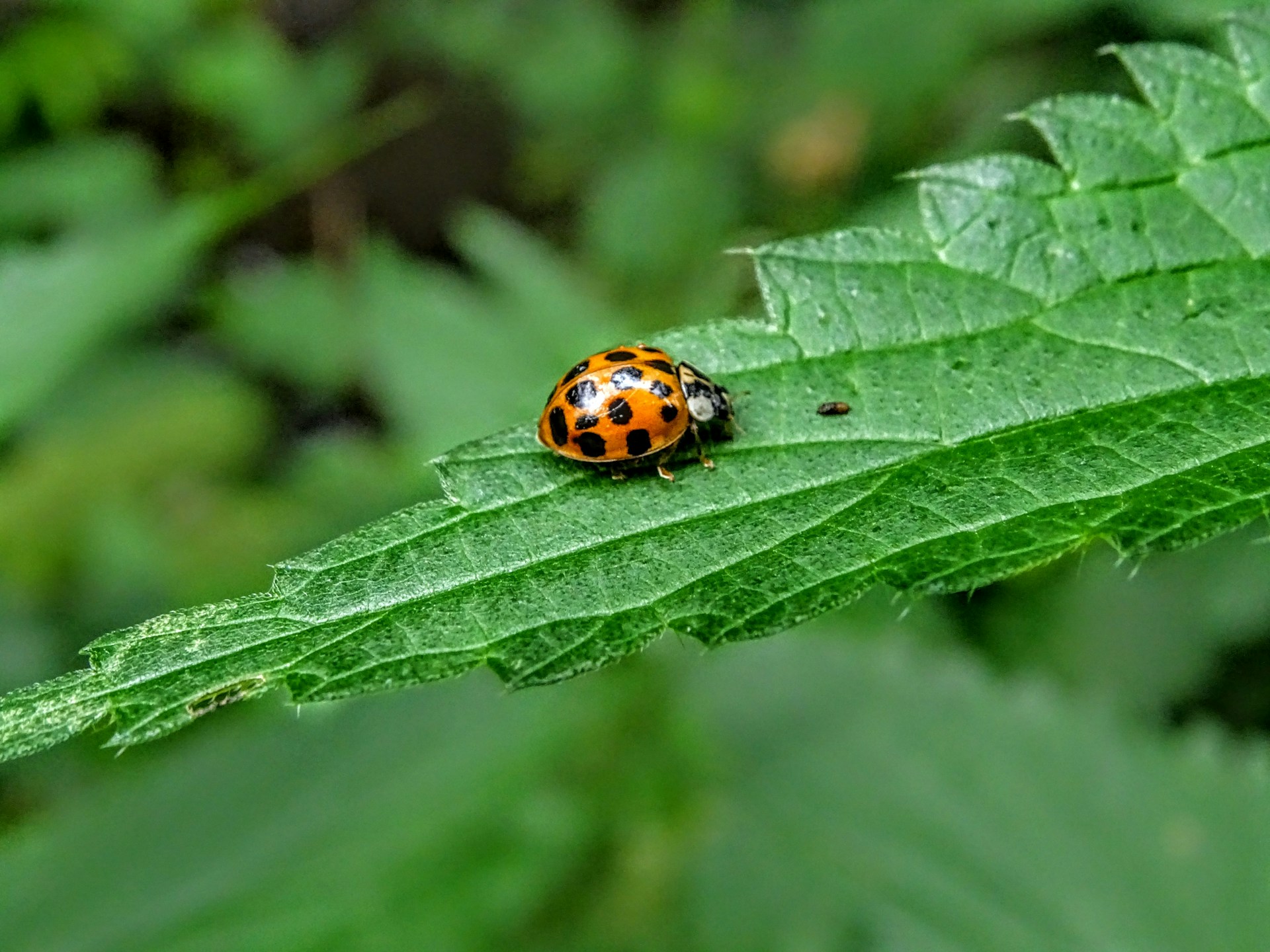
The Multicolored Asian Lady Beetle (Harmonia axyridis) is a non-native insect in North America known for its tendency to swarm buildings in autumn. While they are beneficial in agricultural settings, they can bite humans when agitated. These bites typically result in minor localized irritation, redness, and slight swelling, rarely requiring more than standard antiseptic care.
Identifying the Asian Lady Beetle
To determine if an insect encounter is related to this species, it is essential to distinguish the Multicolored Asian Lady Beetle from native ladybugs. Often referred to as "Halloween beetles" due to their seasonal migration into homes during October, these insects vary significantly in color. While native ladybugs are usually a consistent red with seven spots, Asian lady beetles range from bright yellow to deep orange and red.
Crucially, they possess a distinct "M" or "W" shaped marking on the pronotum—the section directly behind the head. This visual marker is the most reliable way to identify them. They are generally larger than native species and produce a yellowish fluid when threatened, a process known as reflex bleeding, which contains chemicals that can cause staining and, in rare instances, mild allergic contact dermatitis.
Understanding the Bite Mechanism
Unlike mosquitoes or bed bugs, which feed on human blood as part of their life cycle, the Asian lady beetle is not a parasite. It does not seek out human skin for sustenance. When a human experiences a "bite," it is typically a defensive reaction. If an insect becomes trapped against the skin—such as under clothing or when an individual accidentally crushes one against their arm—the beetle may bite to escape.
Their mouthparts are designed for consuming aphids and other soft-bodied insects, not for piercing human skin deeply. Consequently, a bite is often little more than a "nip." Because they are not blood feeders, they do not inject anticoagulants or anesthetic compounds, which explains why the sensation is often described as a sharp, sudden pinprick followed by localized soreness.
Common Symptoms of a Bite
For the vast majority of individuals, the physical reaction to an Asian lady beetle bite is mild and localized. If you suspect you have been bitten, watch for the following symptoms:
- Localized Redness: The site of the bite may develop a small red bump or a patch of erythema (reddening of the skin).
- Sharp Pinprick Sensation: At the moment of the bite, you may feel a sudden, brief stinging sensation, similar to a static electricity shock or a small needle prick.
- Minor Swelling: Some individuals experience slight puffiness around the immediate area.
- Itching or Irritation: As the body responds to the minor trauma, the area may become itchy, though this usually subsides within a few hours.
- Absence of Persistent Symptoms: Unlike spider or tick bites, which may cause systemic issues or long-lasting lesions, these bites generally resolve quickly with basic hygiene.
Differentiating Bites from Allergic Reactions
It is important to distinguish between a mechanical bite and an allergic response to the insect's presence. Some people living in homes heavily infested with Harmonia axyridis report respiratory distress, such as sneezing, wheezing, or asthma-like symptoms. This is not caused by biting; it is an allergic reaction to the proteins found in the beetle's shed exoskeleton and the defensive fluid they release.
If you observe the following, it is likely an allergic reaction rather than a bite:
- Persistent coughing or wheezing when entering a room.
- Red, watery, or itchy eyes.
- Skin rashes (contact dermatitis) that appear in areas where the beetle's fluid may have touched the skin, rather than a single puncture point.
Comparative Symptom Overview
| Feature | Asian Lady Beetle Bite | Typical Insect Sting (e.g., Bee) | Bed Bug Bite |
|---|---|---|---|
| Sensation | Sharp, brief pinprick | Burning, intense pain | Usually painless initially |
| Primary Symptom | Small red spot | Swelling, heat, throbbing | Itchy welts in a row |
| Cause | Defensive response | Venom injection | Feeding |
| Resolution | Hours (if kept clean) | Days | Days to weeks |
| Risk | Very low | Allergic/Anaphylactic | Secondary infection |
Immediate Care and Treatment
If you are bitten by an Asian lady beetle, the treatment goal is to prevent secondary skin infections, which can occur from any break in the skin barrier.
- Clean the Area: Wash the bite site thoroughly with mild soap and warm water. This removes any lingering defensive fluids or debris from the insect.
- Disinfect: Apply a basic antiseptic or rubbing alcohol to the site to sanitize the small puncture.
- Reduce Irritation: If the site is itchy or slightly swollen, a cold compress or an over-the-counter hydrocortisone cream can help soothe the tissue.
- Monitor: Keep the area clean and dry. Most bites will fade significantly within 24 hours.
If the redness spreads, the area becomes hot to the touch, or you develop a fever, consult a healthcare provider. These are indicators of a potential secondary bacterial infection, such as cellulitis, rather than the bite itself.
Managing Home Infestations
The most effective way to avoid bites is to prevent the beetles from entering your living space. These insects congregate on the sunny sides of homes in late autumn, seeking warmth and shelter from the coming winter.
- Seal Entry Points: Inspect window screens, door sweeps, and vents. Use caulk to seal cracks around window frames and utility pipes where insects might gain entry.
- Mechanical Removal: Do not crush the beetles if you find them inside, as this releases the foul-smelling, staining yellow fluid. Instead, use a vacuum cleaner with a hose attachment to gently remove them from surfaces. Empty the vacuum bag or canister outdoors immediately.
- Avoid Chemical Pesticides: Broad-spectrum spraying inside the home is often ineffective and can lead to dead insects in wall voids, which may attract other pests like carpet beetles. Focus instead on physical exclusion.
Frequently Asked Questions
Are Asian lady beetle bites dangerous? Generally, no. Their bites are considered a nuisance rather than a medical emergency. They do not transmit human diseases, and the bite does not contain venom intended to harm humans.
Can these beetles cause long-term skin problems? While the bite itself is minor, some individuals may develop contact dermatitis if they handle many of these beetles, as the defensive chemical reflex blood can irritate sensitive skin. Washing hands after handling the insects is recommended.
Why are they biting me now? If you are being bitten, it is likely because they have entered your home in large numbers. Because they are not actively hunting you, you are only likely to be bitten if they become trapped in your bedding, clothing, or if you accidentally press against one while resting.
Do I need a doctor for a bite? Rarely. If you have an extreme reaction, such as difficulty breathing, swelling of the face or throat, or if the bite site shows signs of spreading infection (streaking, extreme heat, or pus), you should seek professional medical evaluation. These symptoms are more commonly associated with an allergic reaction to the beetle's proteins rather than the mechanical bite itself.
Next Steps
If you are experiencing frequent bites, prioritize the exclusion methods mentioned above. Sealing cracks and ensuring screens are intact will eliminate the conditions that lead to accidental contact. For persistent skin reactions, consider using an over-the-counter antihistamine if the irritation is widespread, and consult an allergist if you suspect you are reacting to the airborne particulates of the beetles rather than the physical bites.