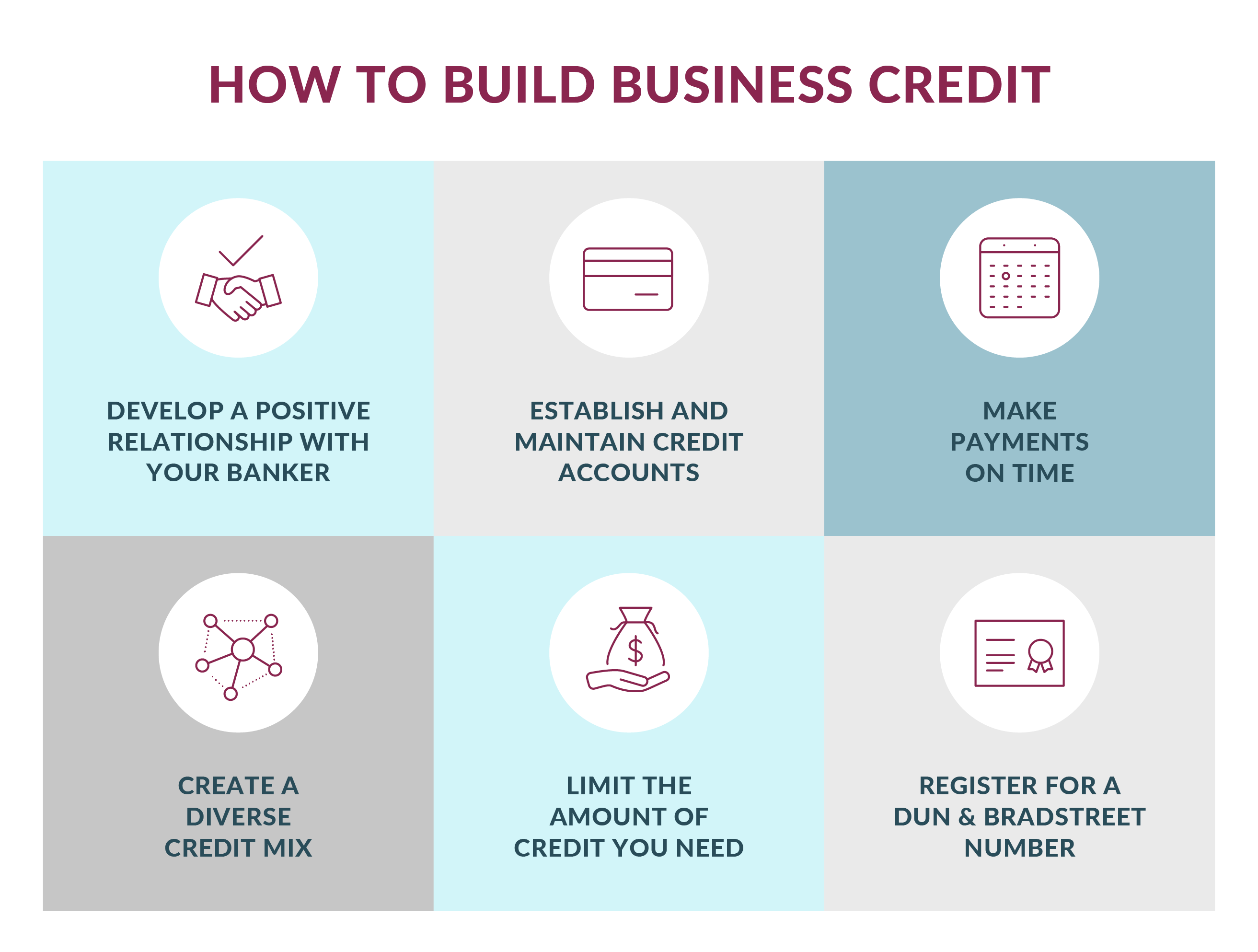
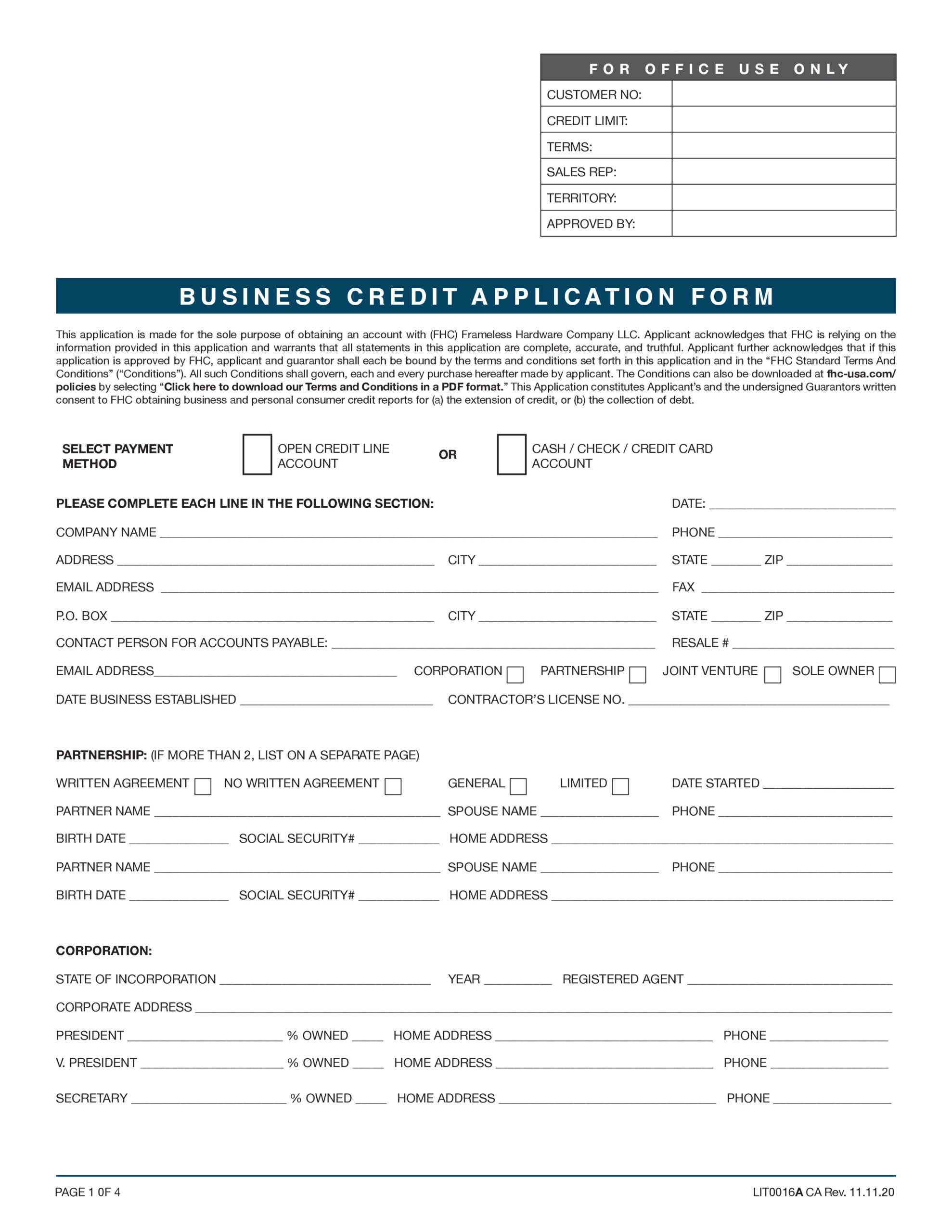
To apply for business credit, you must first establish a legal business entity, obtain a federal Employer Identification Number (EIN), and register for a DUNS number through Dun & Bradstreet. Once established, you apply for credit through vendors, specialized business credit card issuers, or traditional banks, using your business’s unique tax identity rather than your personal Social Security number to build a separate credit profile.
The Foundation of Business Credit in 2026
Applying for business credit is a multi-stage process that separates your personal financial identity from your commercial operations. In the financial landscape of 2026, lenders rely heavily on automated data verification and real-time financial reporting. Unlike personal credit, which is tied to your individual spending habits and debt-to-income ratio, business credit is an assessment of a company’s ability to honor its obligations based on its own revenue, payment history, and industry risk.
Establishing this separation is not merely a convenience; it is a strategic necessity for scaling operations and protecting personal assets. When a business applies for credit, it is essentially asking a lender to trust an abstract entity—a corporation or an LLC. To earn this trust, the business must "exist" in a way that credit bureaus and financial institutions can verify through standardized digital records.
Establishing Legal and Financial Identity
Before submitting a single credit application, your business must meet the "foundational requirements" of a legitimate borrower. Lenders in 2026 use sophisticated algorithms to cross-reference application data with public records. Any discrepancy can lead to an automatic rejection.
- Legal Structure: Your business should be registered as an LLC, S-Corp, or C-Corp. While sole proprietorships can access credit, they often find it impossible to decouple the business credit score from the owner’s personal credit score.
- Federal Tax ID (EIN): The IRS issues the Employer Identification Number, which acts as the social security number for your business. This is the primary identifier used on credit applications.
- Business Bank Account: A dedicated business checking account is the "source of truth" for your company's cash flow. Most modern lenders require you to link your bank account via secure protocols like Plaid to verify revenue in real-time during the application process.
- Professional Presence: Having a physical business address (not a P.O. Box), a dedicated business phone number listed in 411 directories, and a professional website is still a prerequisite for many traditional and "Tier 2" lenders.
Navigating the Business Credit Bureau Ecosystem
Understanding where your data goes is as important as the application itself. Unlike personal credit, which is dominated by the "Big Three" (Equifax, Experian, and TransUnion), business credit involves a different set of players and scoring models.
Dun & Bradstreet (D&B)
The most influential bureau for business credit is Dun & Bradstreet. To begin building credit, you must apply for a DUNS Number. This nine-digit identifier is used by the federal government and most major corporations to track your business's creditworthiness. D&B’s primary score is the PAYDEX, which ranges from 1 to 100. A score of 80 or higher indicates that your business pays its bills on time or even early.
Experian Business and Equifax Business
These bureaus track your business’s financial health similarly to personal credit but focus on commercial data. Experian uses the Intelliscore Plus, which predicts the likelihood of a business becoming seriously delinquent. Equifax Small Business provides several scores, including a Credit Risk Score and a Business Failure Score. When applying for credit, you should assume the lender will pull data from at least one of these sources.
The FICO Small Business Scoring Service (SBSS)
The FICO SBSS is a hybrid score that many banks use, particularly for SBA (Small Business Administration) loans. It aggregates data from both your personal credit report and your business credit report to create a score between 0 and 300. In 2026, a score above 160 is typically required for favorable loan terms.
Types of Business Credit and Where to Start
If your business is new, you cannot jump straight to a $100,000 unsecured line of credit. You must climb the "Credit Ladder" by applying for specific types of credit in a strategic order.
Tier 1: Trade Credit (Net-30 Accounts)
The easiest way to start is with "Vendor Credit" or Net-30 accounts. These are suppliers that allow you to buy goods or services and pay the invoice in full within 30 days.
- Application Strategy: Look for vendors like Uline, Grainger, or Quill that are known to report payment history to D&B or Experian Business.
- Why it Matters: These accounts create the first "tradelines" on your business credit report. Even small purchases, when paid early, build the foundation for your PAYDEX score.
Tier 2: Business Credit Cards
Once you have 3 to 5 reporting tradelines from vendors, you can apply for business credit cards.
- Personal Guarantee (PG): Most business cards in 2026 still require a personal guarantee, meaning you are personally liable if the business fails to pay. However, the credit limit and activity generally only appear on your business credit report, not your personal one, unless you default.
- Corporate Cards: For businesses with significant revenue (typically $1M+ annually) or venture backing, corporate cards like Brex or Ramp offer credit lines based on bank balances without a personal guarantee.
Tier 3: Revolving Lines of Credit and Term Loans
With a solid business credit score and at least a year of bank statements showing consistent revenue, you can apply for larger capital infusions.
- Lines of Credit: Best for managing cash flow gaps. You only pay interest on the amount you draw.
- Term Loans: Best for specific investments, such as purchasing equipment or real estate.
| Credit Type | Typical APR (2026) | Approval Speed | Credit Bureau Impact |
|---|---|---|---|
| Vendor Net-30 | 0% (if paid on time) | 1-3 Days | High (Initial building) |
| Business Credit Card | 14% - 28% | Instant - 24 Hours | Moderate (Utilization) |
| SBA 7(a) Loan | Prime + 2.25% - 4.75% | 30 - 90 Days | High (Long-term depth) |
| Line of Credit | 8% - 18% | 1 - 7 Days | High (Cash flow health) |
| Equipment Lease | 6% - 15% | 2 - 5 Days | Low to Moderate |
The Step-by-Step Application Process
When you are ready to submit an application, follow this rigorous workflow to maximize your chances of approval.
1. Conduct a Pre-Application Audit
Verify that your business information is identical across all platforms. Check your EIN confirmation letter from the IRS and ensure the name and address match exactly what you have on your business bank account, your Secretary of State filing, and your website. Discrepancies like "Street" vs. "St." can sometimes trigger fraud alerts in automated 2026 underwriting systems.
2. Monitor Your Current Scores
Before applying, check your reports at Dun & Bradstreet, Experian, and Equifax. If you have "thin" files (meaning no data is reported), you should focus on Tier 1 vendors before applying for a major bank loan. You can use services like Nav to view your business scores in one place.
3. Gather Required Documentation
Even in a digital-first era, traditional lenders will require a "loan package." This typically includes:
- Two years of federal business tax returns.
- Year-to-date Profit and Loss (P&L) statement.
- Balance sheet.
- Six months of business bank statements (often provided via digital link).
- Articles of Incorporation or Operating Agreement.
4. Choose the Right Lender
Do not "shotgun" applications. Every hard inquiry on your business or personal credit can slightly lower your score. Start with the bank where you hold your business checking account; they have the most data on your cash flow and are often more lenient. If you need speed, explore fintech lenders, but be prepared for higher interest rates.
5. Submit the Application and Follow Up
Most applications are submitted online. If you are not given an instant decision, do not hesitate to call the underwriting department. In 2026, manual reviews are often triggered by minor "red flags" that can be cleared up with a simple explanation or a missing document.
Avoiding Common Pitfalls and Rejections
The path to business credit is fraught with common mistakes that can delay your progress by years.
Commingling Funds
Using your personal bank account for business expenses is the fastest way to get a credit application denied. Lenders view this as a lack of professional discipline and a risk to the "corporate veil." Ensure every dollar of business revenue goes into a business account, and every business expense is paid from that same account.
High Credit Utilization
Just like personal credit, using more than 30% of your available business credit limit can negatively impact your score. If you have a $10,000 limit on a business card, try to keep the reported balance under $3,000. If you need to spend more, make multiple payments throughout the month so the "statement balance" remains low.
The Danger of UCC Filings
When you take out a secured business loan, the lender will file a Uniform Commercial Code (UCC-1) financing statement. This public notice states that the lender has a lien on your business assets. Having too many UCC filings can make you look over-leveraged to other lenders, making it harder to apply for additional credit.
Specialized Credit: SBA Loans and Government Backing
In 2026, the Small Business Administration (SBA) remains a cornerstone for long-term business financing. Applying for an SBA loan is essentially applying for a bank loan that is partially guaranteed by the federal government.
- SBA 7(a) Loans: The most common program for working capital, debt refinancing, and equipment.
- SBA 504 Loans: Specifically for major fixed assets like real estate or long-term machinery.
- SBA Microloans: Smaller loans up to $50,000 for startups or businesses in underserved communities.
The application for an SBA loan is the most rigorous of all. It requires a detailed business plan, a clear "use of proceeds" statement, and often a personal guarantee from anyone owning 20% or more of the company.
Frequently Asked Questions
Can I apply for business credit with no revenue?
Yes, but your options will be limited. Startups typically begin with "starter" vendor accounts (Net-30) and business credit cards that rely on the owner’s personal credit score (a personal guarantee). Once the business begins generating and reporting revenue, you can transition to revenue-based financing or traditional bank loans.
Does applying for business credit hurt my personal credit score?
If the lender requires a personal guarantee, they will perform a "hard pull" on your personal credit report, which may cause a temporary dip of 5 to 10 points. However, the ongoing debt and payment history of the business account usually do not appear on your personal credit report unless you become severely delinquent.
How long does it take to build a business credit score?
It typically takes 60 to 90 days for your first tradelines to appear on your business credit reports. To achieve a "good" score (like a PAYDEX of 80), you generally need at least three reporting tradelines and about six months of consistent on-time payment history.
What is the "Bank Rating" and how do I improve it?
A bank rating is an internal score lenders use based on your average daily balance over the last 90 days. A "Low 5" rating means you maintain a balance between $10,000 and $30,000. Most sophisticated lenders prefer to see at least a "Mid 4" rating (around $5,000) to approve unsecured credit lines.
What should I do if my application is denied?
By law, lenders must provide an "Adverse Action Notice" explaining why you were denied. Common reasons include a "thin file," low personal credit score, or being in a "high-risk" industry (such as cannabis, gambling, or certain types of real estate). Use this feedback to correct errors on your report or wait until your revenue increases before reapplying.
Is a DUNS number still relevant in 2026?
Absolutely. While new bureaus and AI-driven scores have emerged, the Dun & Bradstreet data cloud remains the global standard for corporate identity and risk assessment. Most government contracts and large enterprise partnerships require a DUNS number as part of their "Know Your Business" (KYB) compliance.
Final Recommendation
Building business credit is a marathon, not a sprint. Your first step should be to verify your business's legal consistency across all public records. Once your foundation is solid, open 3 to 5 Net-30 vendor accounts and pay them within 10 days of receiving the invoice. This proactive approach will generate a high PAYDEX score quickly, positioning your company to qualify for the low-interest lines of credit and term loans necessary for long-term expansion.