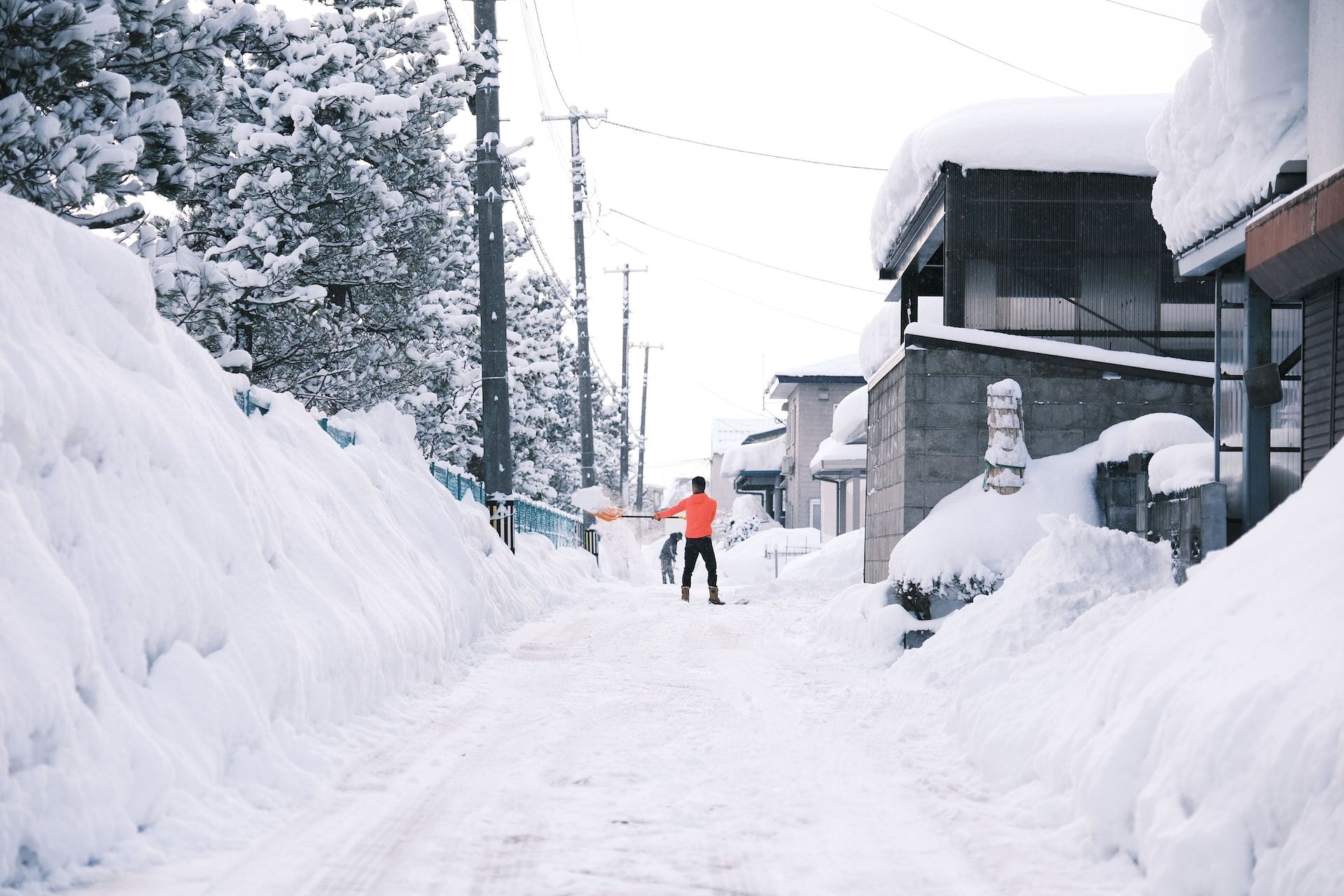
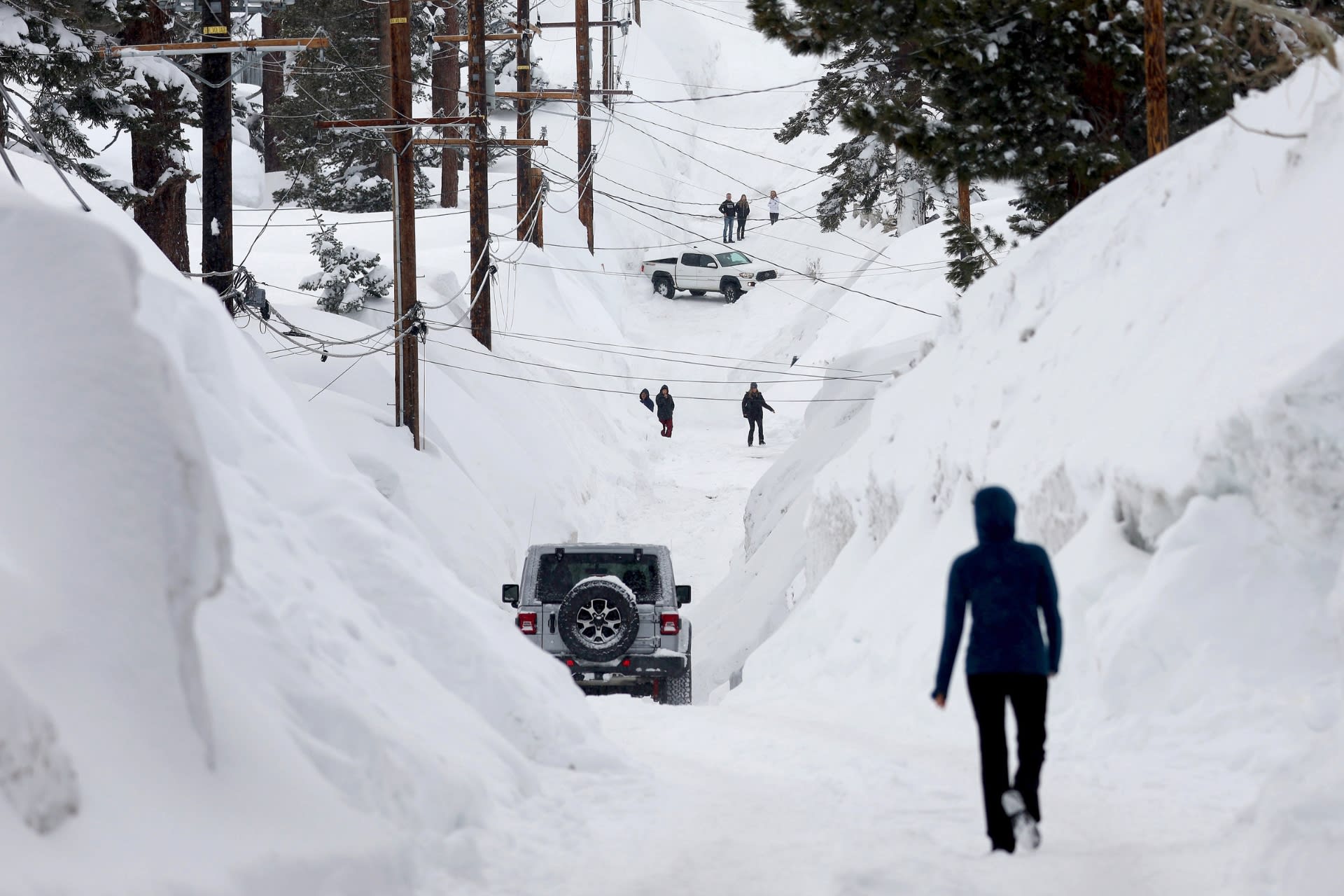
Aomori City, located at the northern tip of Japan’s main island, Honshu, is officially recognized as the snowiest major city in the world. Receiving an average annual snowfall of approximately 26 to 30 feet (7.9 to 9 meters), it significantly outpaces other cold-climate urban centers like Sapporo or Syracuse.
For residents and visitors in 2026, the reality of living in Aomori involves navigating a landscape defined by towering white walls of ice and sophisticated infrastructure designed to keep a modern city functional under the weight of millions of tons of frozen precipitation. The phenomenon is not merely a quirk of weather but a result of a unique "perfect storm" of geography, ocean currents, and atmospheric pressure.
The Meteorological Engine: Why Aomori Is Ground Zero for Snow
To understand why Aomori City gets the most snow in the world, one must look at the specific meteorological conditions of the Tohoku region. The city's location creates a natural trap for moisture and cold air, a process known as the Sea of Japan effect (similar to the lake-effect snow seen in the Great Lakes region of North America).
The Siberian High and Cold Air Mass
The process begins in the vast, frozen expanses of Siberia. During the winter months, a massive high-pressure system develops over Russia, sending frigid, dry air southeast toward the Japanese archipelago. This air mass is significantly colder than the surrounding maritime environments. As this wind travels across the Sea of Japan, it undergoes a dramatic transformation.
Moisture Absorption and Convective Clouds
Unlike the Siberian landmass, the Sea of Japan does not freeze entirely, thanks in part to the Tsushima Current, a warm ocean current that flows northward. As the freezing Siberian winds blow over the relatively warm water, the air picks up immense amounts of moisture. This interaction triggers the formation of convective clouds—large, moisture-laden banks that are primed to release precipitation the moment they encounter a cooler or higher-elevation obstacle.
The Role of the Ou Mountains
Aomori City sits in a precarious position between the Hakkoda Mountains (part of the Ou Range) to the south and the Aomori Bay to the north. As the moisture-rich air reaches the coast, it is forced upward by the rising terrain of the Hakkoda Mountains. This process, known as orographic lift, cools the air further, causing the moisture to condense and fall as heavy, consistent snow. Because Aomori is tucked into the "V" of the bay and the mountains, the wind often swirls, dumping snow directly onto the urban center rather than passing over it.
Comparing Global Snowfall: Aomori vs. The World
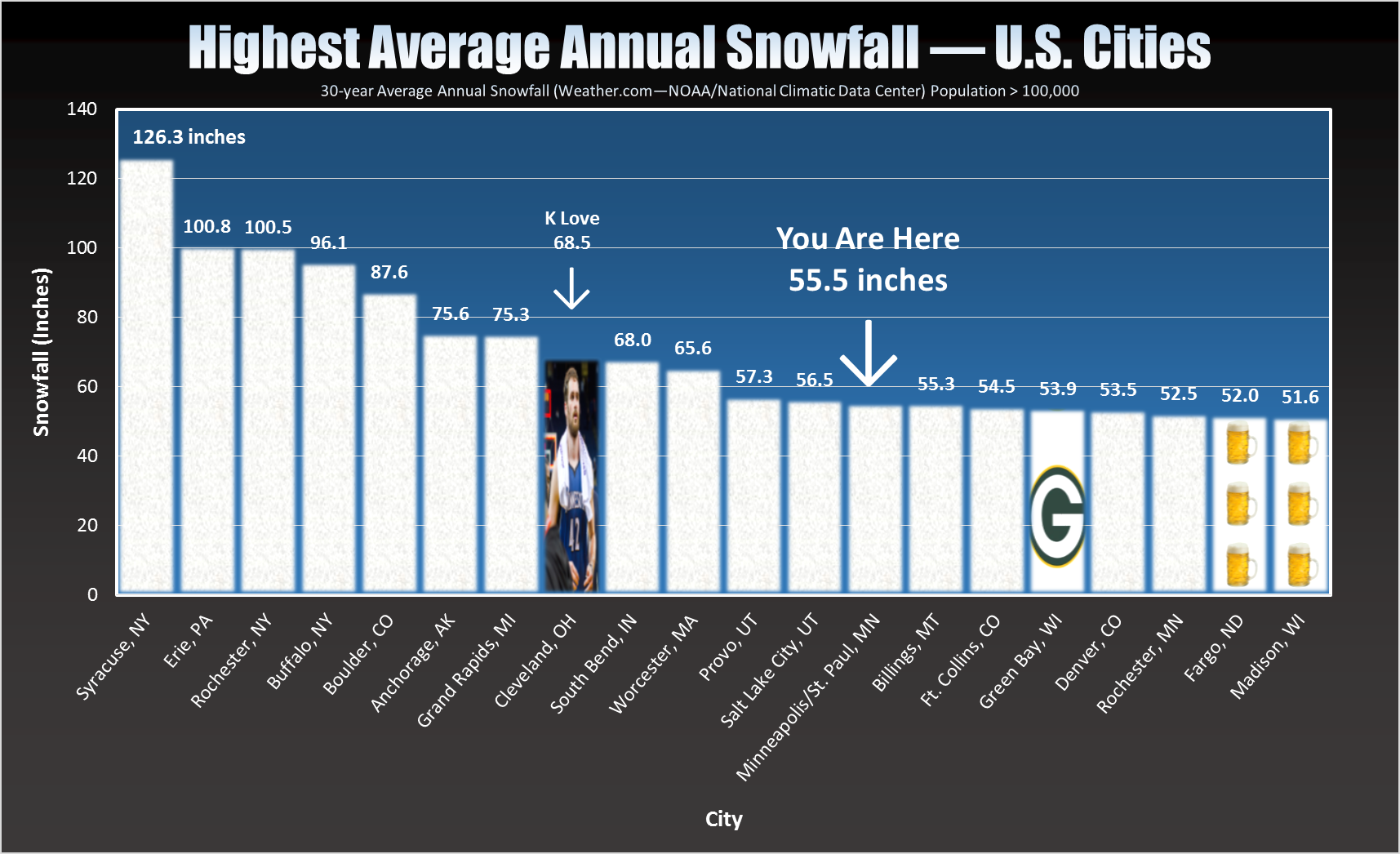
While many cities claim to be "snowy," the scale of Aomori’s winter is often difficult for those outside of Northern Japan to visualize. In a typical year, Aomori receives more than double the snowfall of major North American "snow belts."
| City | Country | Average Annual Snowfall (Inches) | Population (Approx. 2026) |
|---|---|---|---|
| Aomori City | Japan | 312 - 350 | 270,000 |
| Sapporo | Japan | 190 - 210 | 1,950,000 |
| Toyama | Japan | 140 - 160 | 410,000 |
| St. John's | Canada | 131 | 110,000 |
| Syracuse, NY | USA | 115 - 125 | 142,000 |
| Quebec City | Canada | 110 - 120 | 550,000 |
As of 2026, meteorological data from the Japan Meteorological Agency (JMA) confirms that while other high-altitude or polar regions may receive more snow in uninhabited areas, Aomori remains the most snow-congested metropolitan area with a population exceeding 250,000.
Infrastructure and Urban Survival in the Snowiest City
Operating a city under 30 feet of snow requires more than just shovels; it requires a multi-billion yen infrastructure strategy. Aomori’s ability to remain functional throughout the winter is a testament to Japanese engineering and community resilience.
The "Shousetsu" Pipe System
One of the most distinctive features of Aomori’s streets is the shousetsu or snow-melting pipes. Built into the center of many primary roads and sidewalks, these systems spray slightly warm groundwater onto the pavement. This prevents snow from accumulating and prevents the formation of dangerous black ice. In 2026, these systems are increasingly managed by automated sensors that trigger the pumps only when a certain threshold of accumulation is detected, optimizing water usage and energy costs.
Massive Snow Removal Operations
The city employs a fleet of specialized "Blower" trucks and plows that operate primarily during the night. Because there is nowhere to simply "push" the snow in a dense urban environment, it must be hauled away. Thousands of truckloads of snow are transported daily to designated dumping sites, including the port, where the snow is dumped into the sea to melt. According to the Aomori City Official Website, the annual budget for snow removal often exceeds 5 billion yen (approx. $35 million USD), a staggering figure that represents a significant portion of the municipal tax revenue.
Architectural Adaptations
Residential architecture in Aomori is also uniquely adapted. Many older homes feature steep, metal-clad roofs designed to let snow slide off easily. Newer constructions often utilize "flat" roofs with internal heating systems that melt the snow from the bottom up, allowing the water to drain through internal pipes. This prevents the "snow shedding" phenomenon that can be hazardous to pedestrians or parked cars below.
Tourism: Embracing the "Snow Monster" Culture
Despite the logistical challenges, Aomori has turned its record-breaking snowfall into a global tourism draw. For travelers in 2026, the winter season offers experiences found nowhere else on Earth.
The Hakkoda Snow Monsters
Nearby in the Hakkoda Mountains, a unique botanical phenomenon occurs. The indigenous Maries' Fir trees become completely encased in ice and snow, molded by high winds into grotesque, towering shapes known as Juhyo or "Snow Monsters." Visitors take a ropeway to the summit to walk among these frozen giants, a surreal landscape that draws photographers from across the globe.
Sukayu Onsen: The Epicenter of Accumulation
Located about 30 minutes from the city center, Sukayu Onsen is a historic hot spring ryokan that frequently records the highest snow depth in any inhabited area in Japan—sometimes exceeding 18 feet (5.5 meters) on the ground at once. In 2026, it remains a premier destination for "acidic" hot spring baths, providing a stark contrast between the freezing outdoor temperatures and the 1,000-person "Sennin-furo" (mixed-gender bath).
The Hakkoda-Towada Gold Line
In the spring, usually around April, the road connecting Aomori to Lake Towada is cleared. This creates the famous Snow Corridor, where the road is flanked by walls of carved snow reaching heights of 20 to 30 feet. Driving or walking through this canyon of white is a hallmark of the Aomori spring transition.
Challenges and Future Outlook for 2026
While Aomori wears its title with pride, the 2025-2026 winter season highlights ongoing challenges. Climate change has made snowfall patterns more volatile. While the total volume remains high, the city is experiencing more "dump" events—massive amounts of snow in a very short period—followed by unseasonable thaws. This volatility increases the risk of avalanches in the surrounding mountains and puts additional strain on the city’s drainage systems.
Furthermore, an aging population presents a social challenge. "Yuki-kaki" (snow shoveling) is a physically demanding task that many elderly residents can no longer perform. The city has had to expand volunteer programs and "Silver Human Resource Centers" to ensure that senior citizens are not trapped in their homes by accumulating snowdrifts.
Essential Tips for Visiting Aomori in Winter
If you are planning to visit the snowiest city in the world during the 2026 season, preparation is critical.
- Footwear is Priority One: Do not rely on standard sneakers. You need waterproof boots with high-grip soles. Many local shops sell "spike" attachments that can be strapped to the bottom of shoes to navigate icy patches.
- Layering for Humidity: Unlike the "dry cold" of the interior US or Canada, Aomori’s cold is damp. Wear moisture-wicking base layers and a high-quality waterproof outer shell to stay dry from both the snow and the melting slush.
- Transport Buffer: While the Shinkansen (bullet train) is remarkably resilient to snow, local buses and flights at Aomori Airport (AOJ) can experience delays during heavy blizzards. Always build a 2-3 hour buffer into your travel plans.
- Respect the Roofs: When walking through the city, avoid walking directly under the eaves of buildings. Falling "roof-avalanche" snow is a leading cause of winter injuries in the region.
FAQ: Frequently Asked Questions About Aomori's Snow
Why does Aomori get more snow than the North Pole?
The North Pole is a "polar desert," meaning the air is too cold to hold much moisture. Aomori sits in a unique spot where freezing air meets a warm ocean current, creating a massive moisture exchange that the North Pole lacks.
When is the best time to see the peak snow in Aomori?
The heaviest accumulation typically occurs between late January and mid-February. By this time, the "snow walls" in the city have reached their maximum height, and the snow monsters in the Hakkoda Mountains are fully formed.
Is Aomori City safe to visit during a blizzard?
Yes, provided you stay within urban areas. The city is highly prepared. However, "whiteout" conditions can occur, reducing visibility to near zero. Travelers should monitor the Japan National Tourism Organization (JNTO) for weather warnings.
How do people get to work in so much snow?
The city's snow removal teams start work at 3:00 AM to ensure main roads and train lines are clear by rush hour. Public transportation is remarkably consistent; it takes an extreme weather event to stop the trains in Aomori.
Does the snow ever melt completely?
In the city, the snow usually disappears by late April. However, in the high elevations of the Hakkoda Mountains, patches of snow can remain visible well into July.
Recommendation for Travelers and Researchers
For those fascinated by extreme climates, Aomori City offers a masterclass in human adaptation. If you plan to visit, start by booking a stay near Aomori Station to ensure you have access to the heated underground walkways and the main transport hubs. For those researching urban planning, Aomori’s "Snow Management Master Plan" serves as a primary case study for resilient infrastructure in the face of extreme weather. Whether you come for the hot springs, the skiing, or the sheer spectacle of the white landscape, Aomori remains a unique testament to life in the world's most frozen urban environment.