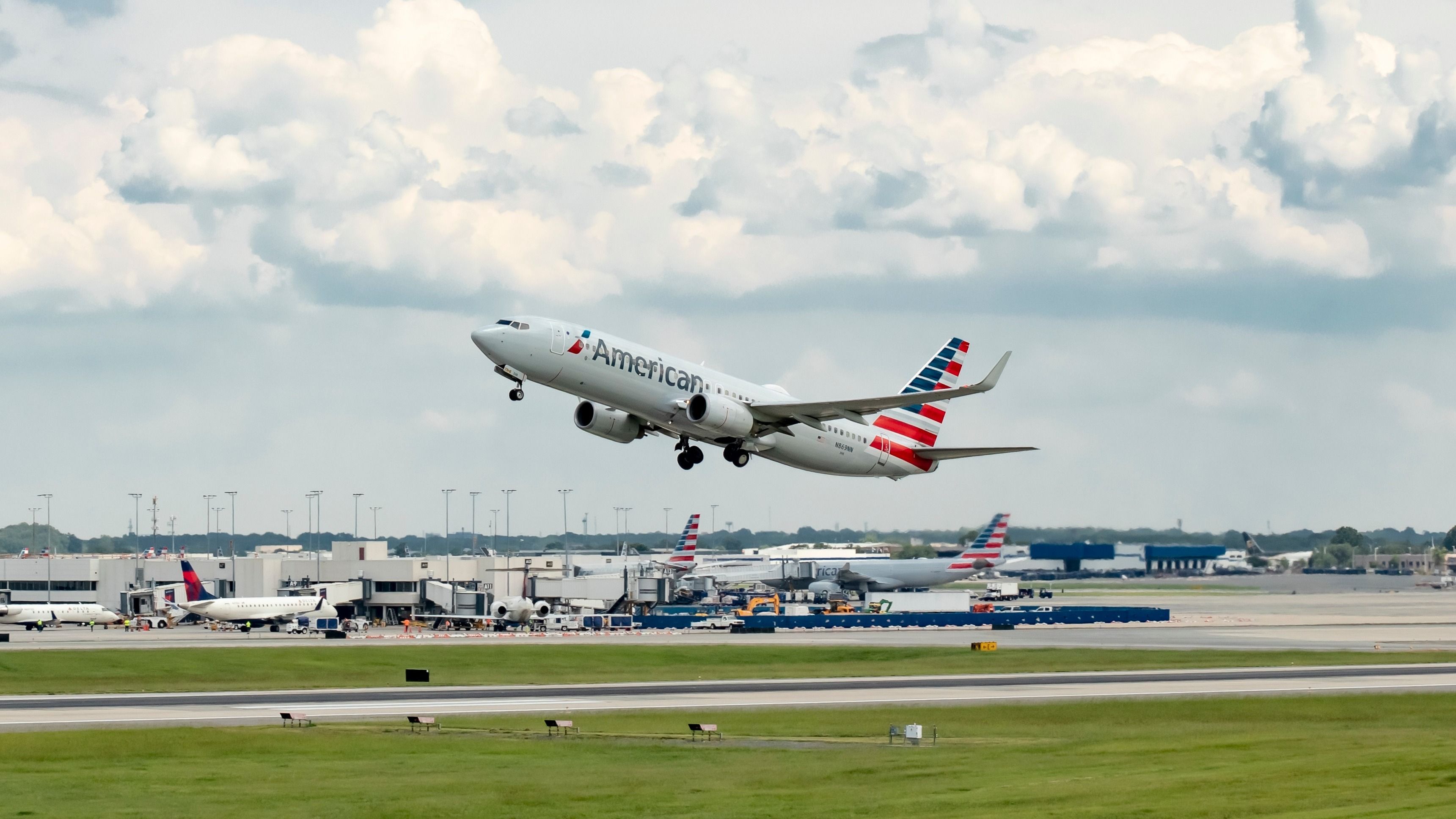
In 2026, American Airlines continues to prioritize rigorous safety protocols following bird strike incidents, which remain a primary operational challenge for the carrier's vast domestic fleet. When an aircraft encounters wildlife, pilots follow standardized Quick Reference Handbook (QRH) procedures to assess engine health, stabilize flight paths, and execute precautionary landings to ensure passenger safety.
The phenomenon of wildlife strikes—specifically bird strikes—remains one of the most frequent yet manageable hazards in modern commercial aviation. For a carrier like American Airlines, which operates thousands of flights daily across diverse ecological zones, the 2026 operational landscape involves a sophisticated blend of cockpit experience, advanced engine engineering, and ground-based mitigation technologies. While the majority of these incidents result in no damage, the technical response required by flight crews and maintenance teams is exhaustive and highly regulated.
The Mechanics of a Bird Strike: Engine Ingestion and Impact Physics
A bird strike occurs when an airborne animal, typically a bird but occasionally a bat, collides with an aircraft in flight. In 2026, the primary concern for American Airlines’ fleet—comprising largely of Boeing 737 MAX and Airbus A321neo aircraft—is the ingestion of birds into the high-bypass turbofan engines.
Kinetic Energy and Impact Force
The severity of a strike is determined by the kinetic energy of the impact, calculated by the formula $KE = 1/2 mv^2$. Because velocity ($v$) is squared, even a small bird hitting an aircraft at takeoff speeds (approximately 150 to 180 knots) or during initial climb (250 knots) exerts massive force. For example, a 4-pound Canada goose struck by an aircraft traveling at 250 knots generates the equivalent of several tons of force.
In modern engines like the CFM LEAP-1B or the Pratt & Whitney GTF, the large fan blades are designed to withstand significant impacts. However, if a bird is "ingested" into the engine core rather than being flung out through the bypass duct, it can cause a compressor stall. This is often characterized by loud bangs, visible flames from the exhaust (due to disrupted airflow), and a sudden drop in thrust.
Structural Resilience
Beyond the engines, other vulnerable areas include the cockpit windshield, the leading edges of the wings, and the radome (the nose cone housing the radar). Modern windshields are constructed from multiple layers of chemically strengthened glass and stretched acrylic, designed to remain bird-proof at cruising speeds. American Airlines’ maintenance schedules in 2026 include specific inspections for "crazing" or micro-fissures that could compromise this structural integrity during a high-speed strike.
Immediate Flight Deck Response: The QRH and ATC Coordination
When a bird strike is confirmed or suspected during an American Airlines flight in 2026, the flight crew immediately transitions into a high-workload phase governed by the "Aviate, Navigate, Communicate" principle.
Phase 1: Aviate and Stabilize
The pilot flying (PF) ensures the aircraft is under control. If a strike occurs during the takeoff roll before "V1" (the decision speed), the standard procedure is usually to reject the takeoff. If the strike occurs after V1 or during the climb, the crew continues the takeoff to reach a safe altitude before addressing the malfunction.
If the engine displays signs of damage—such as high vibration (N1/N2 vibration sensors), fluctuating fuel flow, or an EGT (Exhaust Gas Temperature) rise—the crew refers to the Engine Fire or Severe Damage checklist. In 2026, cockpit automation provides real-time telemetry to American Airlines’ Integrated Operations Center (IOC) in Fort Worth, allowing ground engineers to see exactly what the pilots are seeing.
Phase 2: Navigation and Decision Making
The crew must decide whether to return to the departure airport or divert to a nearby suitable airfield. This decision is influenced by:
- Engine Status: Is the engine still producing usable thrust, or has it been shut down?
- Structural Integrity: Are there indications of hydraulic leaks or flight control issues?
- Weather and Runway Length: Can the chosen airport accommodate the aircraft at its current landing weight?
Phase 3: Communication
The pilot monitoring (PM) declares an "Urgency" (Pan-Pan) or "Emergency" (Mayday) status with Air Traffic Control (ATC). This grants the aircraft priority for landing and ensures that Aircraft Rescue and Firefighting (ARFF) teams are standing by on the runway—a standard precautionary measure for any American Airlines bird strike involving engine issues.
Maintenance and Post-Strike Inspection Procedures
Once an American Airlines aircraft returns to the gate following a strike, it is immediately removed from service for a "Phase 1" or "Phase 2" bird strike inspection, as mandated by the FAA and the airline's General Maintenance Manual (GMM).
| Inspection Level | Criteria | Required Actions |
|---|---|---|
| Level 1: Visual | No apparent damage; strike confirmed by residue. | Detailed visual check of fan blades, inlet cowl, and airframe skin for dents. |
| Level 2: Borescope | Suspected ingestion or visible damage to fan blades. | Insertion of a fiber-optic camera (borescope) into the engine core to check for internal stage damage. |
| Level 3: Comprehensive | Engine surge, high vibration, or visible structural deformation. | Potential engine change; non-destructive testing (NDT) of the airframe; replacement of leading-edge components. |
In 2026, American Airlines utilizes automated drone inspections at major hubs like Dallas/Fort Worth (DFW) and Charlotte (CLT). These drones fly a pre-programmed path around the aircraft, using high-resolution thermography to identify structural stresses or fluid leaks that might not be visible to the naked eye.
Wildlife Hazard Management at American Airlines Hubs
Prevention is the most effective tool in reducing the frequency of bird strikes. American Airlines works closely with airport authorities to implement Wildlife Hazard Management Plans (WHMP).
- Avian Radar Systems: Many airports served by American Airlines in 2026 have installed 3D avian radar. These systems track bird flock movements in real-time, allowing ATC to warn pilots of high-risk activity during the departure or arrival phase.
- Habitat Modification: Airports manage grass length (to discourage nesting), eliminate standing water, and remove food sources that attract hazardous species like gulls, hawks, and vultures.
- Active Deterrents: This includes the use of pyrotechnics, lasers (effective at dawn/dusk), and even trained falconry to clear the airspace before heavy departure banks.
The Economic and Operational Impact of Strikes
While safety is the primary concern, the economic impact of bird strikes on American Airlines is substantial. In 2026, a single major engine ingestion can cost the airline upwards of $2 million when accounting for:
- Engine Repairs: Replacing single fan blades or a full compressor section is a multi-day, high-cost endeavor.
- Cancellations and Delays: Re-accommodating 150+ passengers, providing hotel vouchers, and losing the aircraft's revenue-generating time.
- Fuel Costs: Emergency returns often require "overweight" landings or fuel dumping to reach the Maximum Landing Weight (MLW).
Statistical trends in 2026 show a slight increase in reported strikes. This is attributed not necessarily to an increase in bird populations, but to the quieter operation of modern engines like the LEAP and GTF, which give birds less acoustic warning of an approaching aircraft, and more robust reporting cultures within the airline.
Regulatory and Safety Oversight
The FAA’s National Wildlife Strike Database remains the central repository for these incidents. American Airlines is required to report all strikes, providing data on the bird species (often identified via "Snarge" or DNA testing of remains), altitude, and phase of flight. This data informs the 2026 certification standards for future aircraft, ensuring that engines and airframes evolve to be even more resilient.
Note: This information is provided for educational and informational purposes regarding aviation safety and does not constitute legal or professional pilot training advice. For specific flight regulations, refer to the FAA Aeronautical Information Manual (AIM) or airline-specific flight operation manuals.
Frequently Asked Questions
What should passengers expect during a bird strike?
Passengers may hear a loud "thud" followed by vibrations or a change in engine noise. If a compressor stall occurs, flashes of light or "pops" from the engine are common. American Airlines crews are trained to remain calm and provide updates via the PA system as soon as the aircraft is stabilized and the workload permits.
Are bird strikes common for American Airlines in 2026?
Yes, they are a common occurrence in the industry. Thousands of strikes are reported annually across the United States. However, the vast majority result in no damage to the aircraft and are handled as routine precautionary events.
How does American Airlines identify the type of bird involved?
If remains are found, they are collected by maintenance teams and sent to the Smithsonian Institution’s Feather Identification Lab. Identifying the species helps the FAA and airports understand which birds pose the greatest risk at specific times of the year, leading to better-targeted mitigation strategies.
Can a bird strike cause both engines to fail?
While extremely rare (the most famous case being US Airways Flight 1549 in 2009), it is technically possible if an aircraft flies through a large flock of heavy birds. However, modern 2026 ETOPS-certified aircraft are designed with high redundancy, and pilots practice dual-engine failure scenarios in simulators every six months.
Do birds ever break the cockpit windshield?
Modern commercial windshields are designed to withstand bird impacts without shattering. While the outer layer may crack, the structural inner layers are reinforced to prevent a breach of the pressure vessel, ensuring the pilots remain protected.
Recommended Next Actions for Travelers
If you are a passenger on an American Airlines flight that experiences a bird strike, the most important action is to follow all crew instructions immediately. In the event of a precautionary landing:
- Keep your seatbelt fastened until the aircraft has come to a complete stop and the captain has turned off the sign.
- Review the safety briefing card located in your seat pocket.
- Remain calm; these incidents are a regular part of pilot training, and the aircraft are engineered specifically to handle such impacts safely.
For those interested in the technical data behind these events, the FAA National Wildlife Strike Database offers public access to strike reports by airline and airport, providing transparency into the safety measures that protect the flying public in 2026.