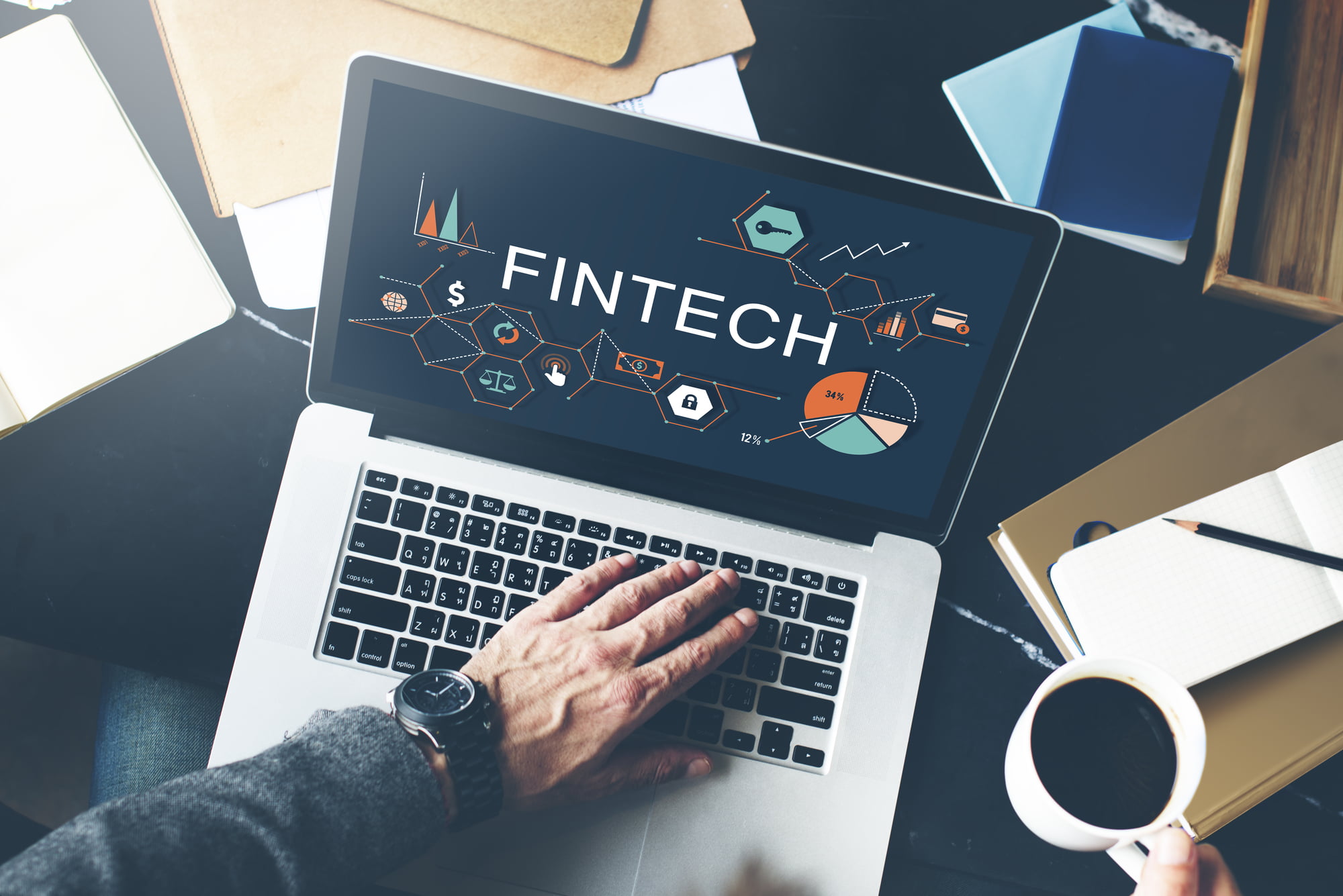
Allison Riker's engagement with financial technology reflects broader industry shifts toward secure infrastructure, scalable software platforms, and rigorous regulatory compliance. While personal profiles or professional footprints under this name may intersect with niche software development, enterprise architecture, or digital banking solutions, understanding this intersection requires examining how modern fintech ecosystems operate, the technical prerequisites for driving platform efficiency, and the structural challenges professionals face in the sector.
The Evolution of Financial Technology Infrastructure
Financial technology, or fintech, has transitioned from a fringe movement of disruptive startups into the foundational backbone of global commerce. Modern financial infrastructure relies on cloud-native architectures, microservices, and Application Programming Interfaces (APIs) to bridge legacy banking systems with agile consumer-facing applications.
Professionals operating within this space must navigate complex technological stacks that prioritize low latency, high throughput, and fault tolerance. When examining specific professional contributions or software deployments associated with names like Allison Riker, context matters. Fintech is not a monolithic industry; it is a fragmented landscape spanning several distinct verticals:
- Payments and Remittances: Facilitating instantaneous domestic and cross-border transactions through blockchain, tokenization, and ISO 20022 messaging standards.
- Lending and Credit Scoring: Leveraging alternative data sets, machine learning models, and automated underwriting pipelines to assess creditworthiness.
- Wealthtech and Robo-Advisory: Providing algorithmic portfolio management, automated rebalancing, and fractional share trading to retail investors.
- Regtech and Compliance: Automating Know Your Customer (KYC), Anti-Money Laundering (AML) monitoring, and transaction tracking to satisfy regulatory frameworks.
Core Technical Competencies in Modern Fintech
Building and scaling financial software requires a rigorous adherence to software engineering best practices, security standards, and data governance. Professionals contributing to fintech environments typically master several technical and operational dimensions.
Security and Cryptographic Standards
Data integrity and confidentiality are non-negotiable in financial services. Engineering teams must implement robust encryption standards, both in transit (using Transport Layer Security 1.3) and at rest (using AES-256). Furthermore, tokenization is widely deployed to mask sensitive primary account numbers (PANs) and personally identifiable information (PII).
Regulatory Frameworks and Compliance
Software deployment in fintech cannot outpace legal mandates. Developers and system architects must design systems that comply with major regulatory frameworks:
- PCI-DSS (Payment Card Industry Data Security Standard): Mandatory for any organization handling credit card data.
- GDPR and CCPA: Stringent data privacy laws governing user consent, data portability, and the "right to be forgotten."
- PSD2 (Payment Services Directive 2): European regulation mandating Strong Customer Authentication (SCA) and open banking protocols via secure APIs.
Operational Challenges and Risk Management
Deploying financial technology at scale introduces significant operational risks. System outages can result in catastrophic financial losses and reputational damage. Consequently, architecture design must incorporate redundancy, disaster recovery protocols, and real-time monitoring.
| Challenge Area | Technical Implication | Mitigation Strategy |
|---|---|---|
| System Latency | Slow transaction processing leads to user abandonment and arbitrage risks. | Edge computing, in-memory data grids, and optimized database indexing. |
| Data Silos | Legacy core banking systems fail to communicate with modern cloud front-ends. | Middleware integration layers and event-driven architecture using Apache Kafka. |
| Cybersecurity Threats | Increased attack surface due to decentralized APIs and cloud migration. | Zero-trust architecture, automated vulnerability scanning, and continuous penetration testing. |
| Regulatory Auditability | Difficulty in tracing automated decisions made by machine learning models. | Explainable AI (XAI) frameworks and immutable audit logs. |
Comparing Legacy Banking Systems Versus Modern Fintech Architecture
To appreciate the structural changes occurring in the industry, it is helpful to contrast traditional financial institutions with modern fintech operations across key dimensions.
- Infrastructure: Legacy banks rely heavily on monolithic mainframes written in older programming languages like COBOL. Fintech firms utilize containerized microservices deployed via Kubernetes on cloud providers like AWS, Azure, or Google Cloud.
- Deployment Velocity: Traditional banks often experience lengthy release cycles taking months due to stringent internal bureaucracy and testing requirements. Fintech organizations practice continuous integration and continuous deployment (CI/CD), pushing code updates multiple times a day.
- Customer Experience: Legacy platforms focus on branch networks and batch-processed account updates. Fintech solutions deliver real-time push notifications, instant account verification, and personalized financial insights via mobile-first applications.
Frequently Asked Questions
What is the primary role of software architecture in fintech development?
Software architecture in fintech ensures that applications can handle high transaction volumes securely without system degradation. It dictates how data flows between user interfaces, databases, and third-party payment gateways while maintaining compliance with financial regulations.
How do fintech platforms ensure compliance with anti-money laundering laws?
Fintech platforms integrate automated transaction monitoring software that screens user activity against global watchlist databases, flags unusual transaction patterns, and generates suspicious activity reports (SARs) for regulatory review.
Why is API security critical in modern financial technology?
APIs allow disparate financial systems to communicate, such as connecting a budgeting app to a user's bank account. Insecure APIs serve as primary vectors for data breaches, making robust authentication mechanisms like OAuth 2.0 and API gateways essential.
What distinguishes wealthtech platforms from traditional brokerages?
Wealthtech platforms lower the barrier to entry for investing by offering fractional shares, automated portfolio rebalancing, and low-cost or fee-free trading through intuitive digital interfaces, contrasting with the human-broker model of traditional institutions.
Practical Next Steps for Fintech Professionals
For individuals seeking to establish or advance their careers in the financial technology sector, focusing on cross-disciplinary skill sets is essential. Professionals should cultivate a strong foundational understanding of software security protocols, regulatory compliance requirements, and cloud infrastructure management. Engaging with open-source financial APIs, participating in industry compliance workshops, and maintaining awareness of emerging decentralized finance protocols provide practical pathways for navigating this rapidly evolving ecosystem.