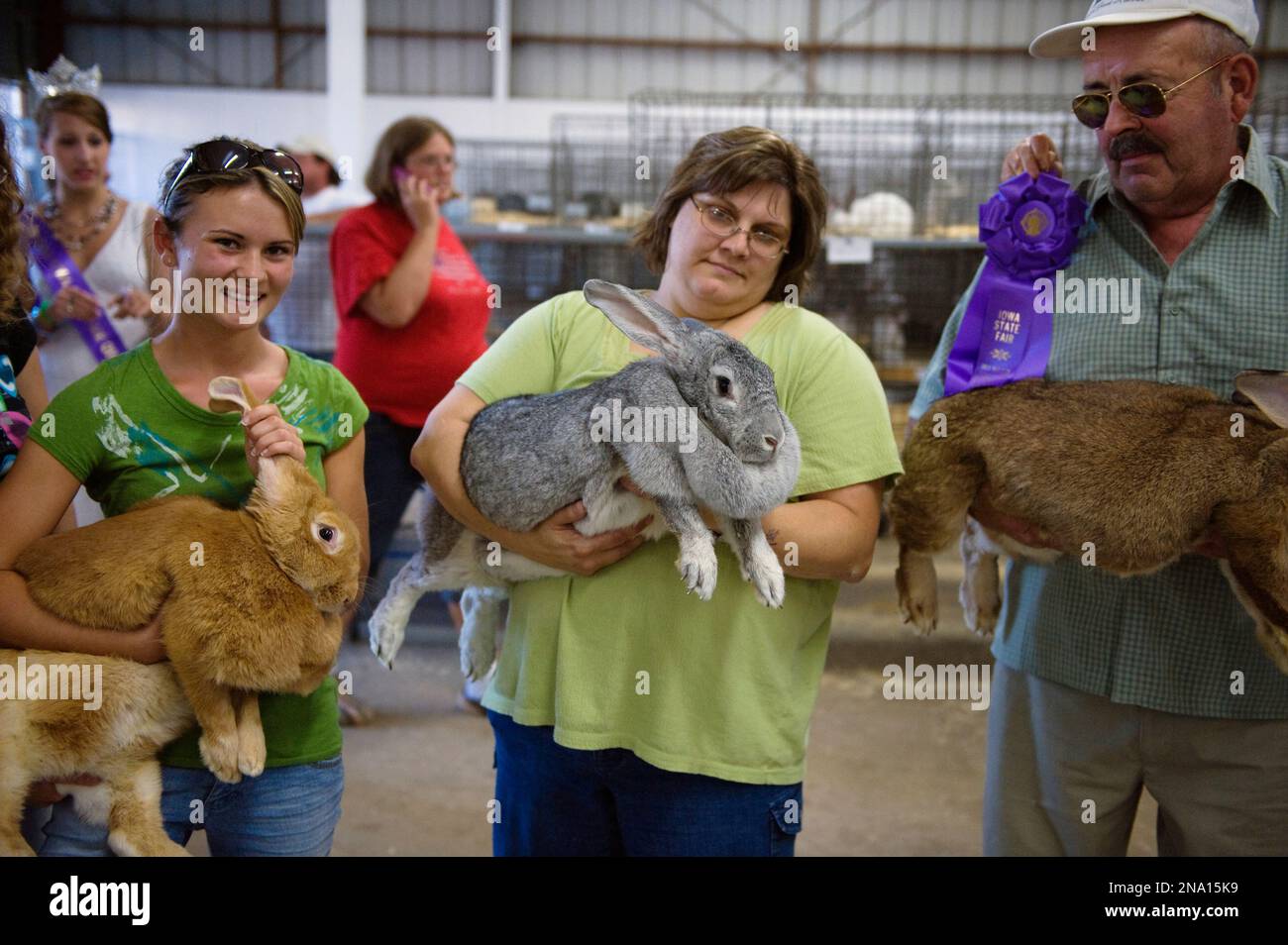
The American rabbit is a multi-purpose heritage breed developed in the United States, recognized primarily for its deep blue and pure white varieties and its distinct "mandolin" body shape. As of 2026, it remains a rare breed prioritized by conservationists due to its historical significance in the American fur and meat industries and its gentle temperament as a show animal and pet.
The Historical Genesis of the American Rabbit
The American rabbit holds a unique position in the annals of American lagomorph history. Developed by Lewis H. Salisbury in Pasadena, California, the breed was first introduced to the public in 1917. Originally, the breed was known as the German Blue Vienna, but the geopolitical climate of World War I necessitated a rebranding. To distance the breed from its perceived Germanic roots and to celebrate its domestic development, it was renamed the American Blue rabbit.
Salisbury’s goal was to create a rabbit that excelled in both fur quality and meat production. While the exact genetic lineage remains a subject of some debate among historians, it is widely believed that the American was developed through the selective breeding of Blue Vienna, Blue Beveren, Blue Imperial, and Blue Flemish Giant rabbits. This combination resulted in a hardy animal with a deep, rich color and a body type that provided a high meat-to-bone ratio.
In 1925, a white variety was added to the breed standard. This was achieved by introducing white individuals (often sports from the blue lines) and potentially crossing them with white Flemish Giants. By the mid-20th century, the American rabbit was a staple of the commercial industry. However, the rise of the New Zealand and Californian breeds—which reached slaughter weight faster—led to a sharp decline in the American rabbit’s commercial popularity. By the turn of the 21st century, the breed had become one of the rarest in North America.
Physical Characteristics and Breed Standards
The American rabbit is classified by the American Rabbit Breeders Association (ARBA) as a "mandolin-shaped" or semi-arch breed. This means that the arch of the back begins just behind the shoulders and rises to a high point over the hips before curving down to the tail. When viewed from above, the body should taper slightly from the hips to the shoulders.
Weight and Size Requirements
The American is a large breed, designed for substance. In the competitive show circuit as of 2026, the weight requirements are strictly enforced to maintain the breed's dual-purpose heritage:
- Senior Bucks (6 months and older): 9 to 11 pounds (4.1 to 5 kg).
- Senior Does (6 months and older): 10 to 12 pounds (4.5 to 5.4 kg).
- Junior Bucks and Does: Minimum 4.5 pounds (2 kg).
Color Varieties
There are only two recognized varieties of the American rabbit:
- Blue: This is the flagship color of the breed. It should be a uniform, dark slate blue, free from white hairs, "salt and pepper" ticking, or brownish tinges (often called "rusting"). The eyes are typically a blue-grey.
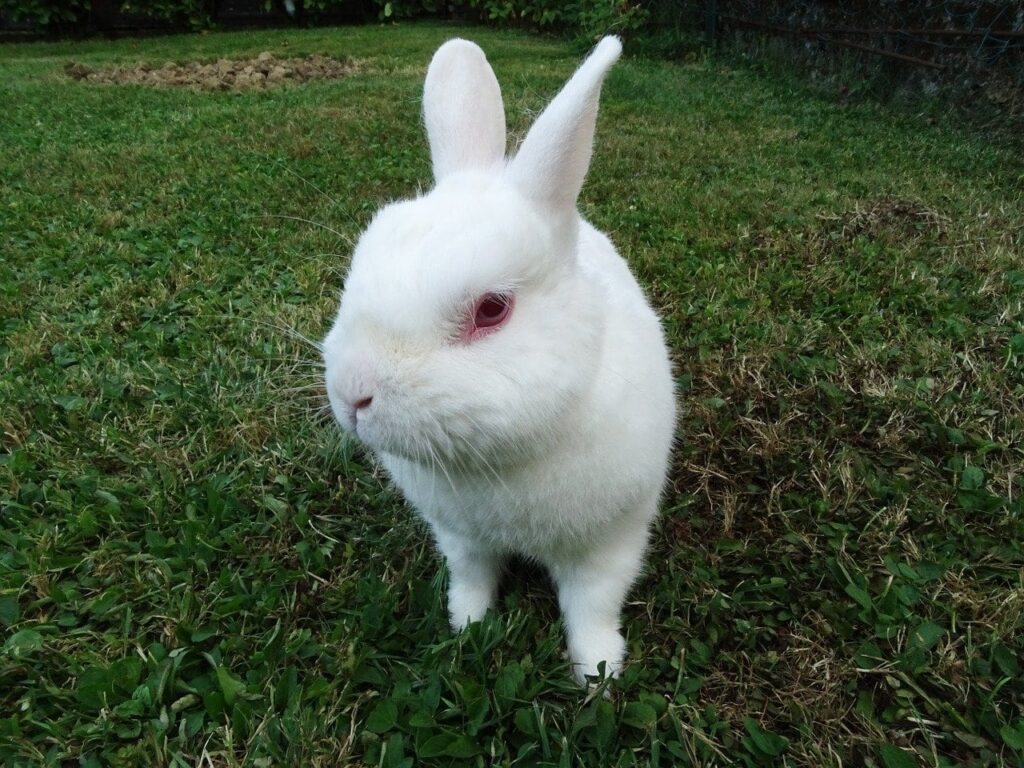
- White: This variety must be a pure, glistening white over the entire body. The eyes are pink (albino), and any presence of colored patches or significant staining is considered a disqualification in a show setting.
Fur Quality
The fur of the American rabbit is "flyback" fur. When stroked from the tail toward the head, the fur should quickly return to its original position. It is prized for its density and silky texture. Historically, the blue variety was highly sought after because the color was uniform throughout the pelt, making it ideal for the garment industry without the need for dyeing.
Current Status in the United States (2026)
As we move through 2026, the American rabbit is categorized as a "heritage breed." Its survival is largely due to the efforts of dedicated hobbyist breeders and organizations like The Livestock Conservancy.
Conservation Priority
The American rabbit is currently listed on the Conservation Priority List. For decades, it hovered in the "Critical" category, meaning there were fewer than 50 annual registrations in the U.S. and an estimated global population of less than 500. Through concerted recovery efforts, it has moved toward the "Threatened" or "Watch" status, but it remains vulnerable. The primary challenge for the breed in 2026 is the relatively small number of "master breeders" who can produce high-quality stock that meets the ARBA Standard of Perfection (SOP).
The Role of the American Rabbit Breeders Association (ARBA)
The ARBA continues to be the primary governing body for the breed's standards. Each year, the American Rabbit Breeders Association holds a national convention where the best examples of the breed are exhibited. These events are crucial for maintaining genetic diversity, as they allow breeders from different regions of the United States to exchange stock and discuss breeding strategies to overcome common issues like "narrow shoulders" or "flat toplines."
Comprehensive Care and Husbandry
Owning an American rabbit requires a commitment to its specific needs as a large, active breed. Whether kept as a show animal, a homesteading resource, or a companion, their care remains consistent.
Housing and Space Requirements
Because the American can weigh up to 12 pounds, standard "pet store" cages are entirely inadequate.
- Indoor Housing: A large exercise pen (x-pen) or a custom-built enclosure is recommended. The floor space should be at least 12 to 15 square feet to allow the rabbit to take several consecutive hops and stretch out fully.
- Outdoor Housing: If kept outdoors, hutch designs must be robust to protect against predators and extreme weather. Proper ventilation is essential, as rabbits are highly susceptible to heatstroke at temperatures above 85°F (29°C).
- Flooring: While many breeders use wire-floored cages for sanitation, the heavy weight of the American rabbit can lead to "sore hocks" (ulcerative pododermatitis). Providing a solid resting board or using solid-bottom flooring with deep bedding is necessary to protect their feet.
Dietary Needs
The digestive system of an American rabbit is sensitive and requires a high-fiber diet to prevent Gastrointestinal Stasis (GI Stasis).
- Hay: At least 80% of the diet must be high-quality grass hay (Timothy, Orchard Grass, or Meadow Hay). This provides the necessary fiber for gut motility and helps wear down their continuously growing teeth.
- Pellets: A high-quality, alfalfa-based or timothy-based pellet should be provided in measured amounts. For an adult American, roughly 1/2 to 3/4 cup per day is usually sufficient, though this varies based on activity level and whether the rabbit is being conditioned for a show.
- Fresh Greens: Daily offerings of leafy greens like romaine lettuce, cilantro, parsley, and kale add essential vitamins and hydration.
- Water: Constant access to clean, fresh water is non-negotiable. Large crocks are often preferred over drip bottles for this breed, as they allow the rabbit to drink more naturally.
Grooming and Handling
Despite their size, American rabbits are known for being docile and somewhat "lazy" compared to high-energy breeds like the Belgian Hare.
- Shedding: They undergo heavy molts twice a year. During these times, daily brushing is required to prevent them from ingesting loose fur, which can lead to hairballs (trichobezoars).
- Nail Trimming: Their nails grow quickly and should be trimmed every 4–6 weeks to prevent snagging and foot injuries.
- Handling: Always support the hindquarters when lifting an American rabbit. Their powerful back legs can kick with enough force to fracture their own spine if they feel insecure while being held.
Comparison of American Rabbits with Similar Large Breeds
To help prospective owners and breeders distinguish the American from other semi-arch or large breeds, the following table outlines key differences as of 2026.
| Feature | American Rabbit | Beveren | Flemish Giant | New Zealand |
|---|---|---|---|---|
| Body Type | Semi-Arch (Mandolin) | Semi-Arch (Mandolin) | Semi-Arch (Mandolin) | Commercial |
| Weight (Senior) | 9–12 lbs | 10–12 lbs | 13+ lbs (No Max) | 9–12 lbs |
| Primary Use | Meat, Fur, Show | Fur, Show | Show, Meat | Commercial Meat |
| Recognized Colors | Blue, White | Blue, Black, White | 7 Varieties | 5 Varieties |
| Temperament | Docile, Calm | Energetic, Curious | Very Docile, "Gentle Giant" | Practical, Active |
| Rarity (2026) | High (Threatened) | Moderate | Low | Very Low |
Breeding for Preservation and Show
Breeding American rabbits is a task for the patient. Because they are a "mandolin" breed, achieving the perfect arch and topline is genetically complex.
Selecting Breeding Stock
Successful preservationists look for "type" over everything else. A rabbit with a beautiful blue color but a flat back does not contribute to the breed's recovery. Breeders must evaluate:
- Depth of Body: The high point of the arch must be over the hips.
- Bone Substance: The legs should be thick and strong.
- Condition: In 2026, judges penalize "flabby" rabbits. The American should feel firm and muscular, reflecting its history as a meat breed.
Challenges in Preservation
The primary obstacle is the "genetic bottleneck." With so few lines available in the United States, breeders must be careful to avoid excessive inbreeding while maintaining the traits that make the American unique. Many breeders utilize "linebreeding"—mating distantly related individuals—to lock in desirable traits while occasionally outcrossing to unrelated lines to maintain vigor.
Common Health Considerations
The American rabbit is generally a hardy breed, but its size and physiology present specific health risks.
- GI Stasis: This is a silent killer where the digestive system slows down or stops. Early signs include smaller droppings or a loss of appetite. Immediate veterinary intervention is required.
- Sore Hocks: Due to their weight, Americans are prone to pressure sores on the bottoms of their feet. Keeping bedding dry and providing soft surfaces is the best prevention.
- Malocclusion: This is a misalignment of the teeth. If the incisors do not meet correctly, they do not wear down and can grow into the rabbit's gums or cheek. This is a hereditary condition, and affected rabbits should not be bred.
- Uterine Cancer: Unspayed female rabbits have a very high risk (up to 80%) of developing uterine cancer by age 4. For those not in a professional breeding program, spaying is highly recommended for longevity.
Frequently Asked Questions
Are American rabbits good pets for children?
American rabbits can make excellent pets due to their generally calm and docile nature. However, because of their size and weight, they are not recommended for very young children who may try to pick them up. A dropped American rabbit can suffer devastating injuries. They are best suited for older children or adults who can interact with them on the floor.
How long do American rabbits live?
With proper care, a balanced diet, and indoor housing, an American rabbit typically lives between 8 and 12 years. Spaying or neutering significantly contributes to reaching the upper end of this lifespan by preventing reproductive cancers and reducing stress.
Why is it called the "American" rabbit?
The breed was renamed in 1917 during World War I. Prior to this, it was the German Blue Vienna. The name change was a patriotic move to emphasize that the breed had been refined and perfected by American breeders in California, distinct from European varieties.
Where can I find an American rabbit in 2026?
Finding an American rabbit can be difficult due to their rarity. The best approach is to contact the The Livestock Conservancy or search the ARBA breeder directory. You will likely need to go on a waiting list or travel across state lines to find a reputable breeder, as they are rarely found in traditional pet stores.
Can American rabbits live with other pets?
Yes, they can often coexist with calm dogs and cats, provided they are introduced slowly and supervised. Because rabbits are prey animals, a high-prey-drive dog (like a Husky or a Terrier) may not be a suitable housemate. Many American rabbits thrive when bonded with another neutered rabbit of similar size.
Practical Recommendations for Prospective Owners
If you are considering the American rabbit, your first step should be to connect with the heritage breeding community. Supporting these breeders is the only way to ensure this historic animal does not go extinct.
Next Actions:
- Verify Space: Ensure you have at least 15 square feet of dedicated space for an enclosure.
- Source Hay: Find a local supplier of high-quality Timothy or Orchard grass hay; buying in bulk is more economical for a large breed.
- Find a Rabbit-Savvy Vet: Before bringing a rabbit home, locate a veterinarian who specializes in "exotics" or lagomorphs, as standard dog/cat vets often lack the training to treat GI stasis or perform safe surgeries on rabbits.
- Join the Heritage Community: Consider joining organizations dedicated to rare breeds to stay informed about the latest health and conservation data.