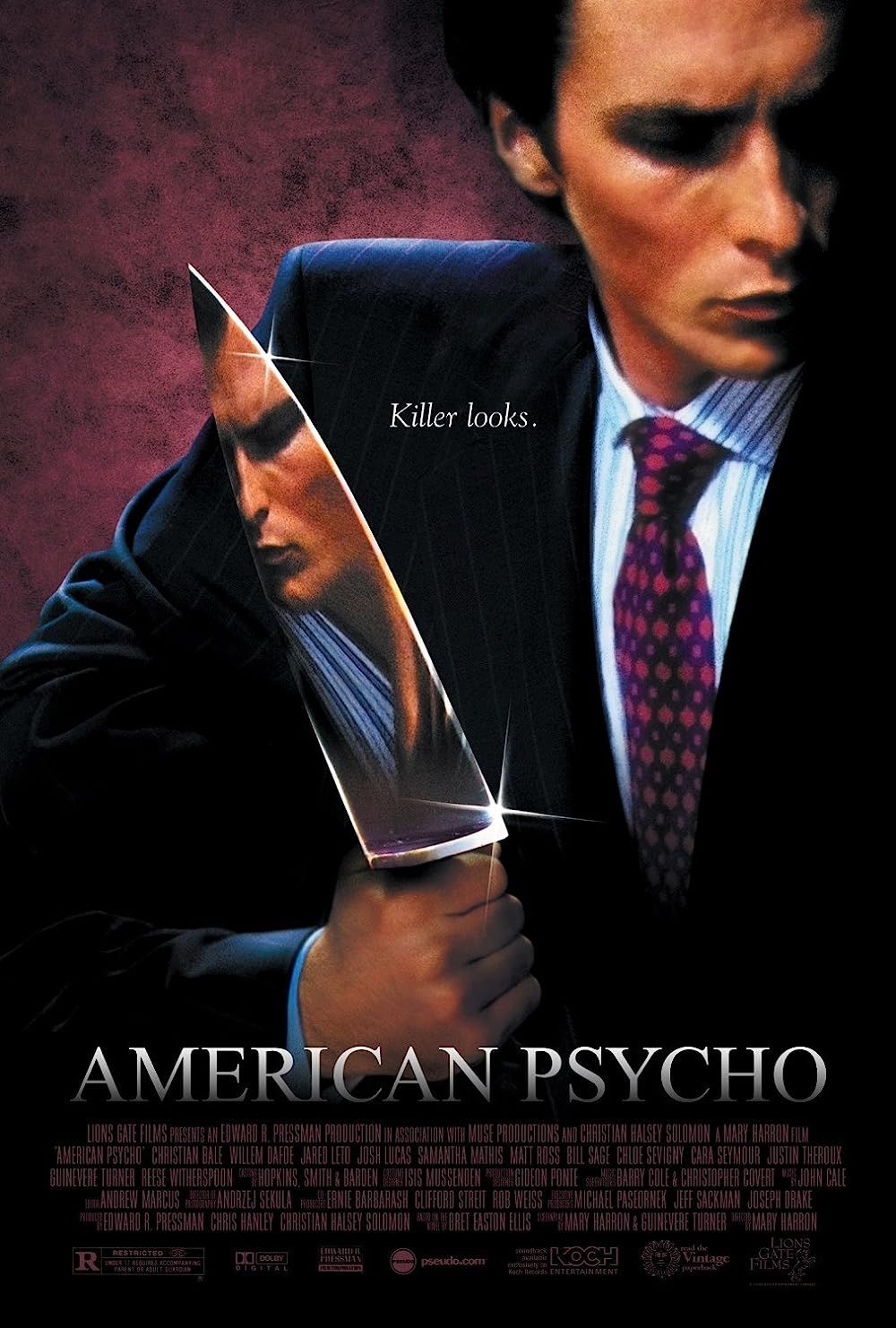
American Psycho is considered a classic because it serves as a definitive satire of 1980s consumerism, toxic masculinity, and the erosion of identity in corporate culture. Through Mary Harron’s direction and Christian Bale’s iconic performance, the work transcended its controversial origins to become a landmark of psychological horror and dark comedy.
In the landscape of modern cinema and literature, few titles evoke as much visceral reaction as American Psycho. Originally a 1991 novel by Bret Easton Ellis and later a 2000 film directed by Mary Harron, the story of Patrick Bateman has transitioned from a reviled piece of "trash" to a staple of academic study and pop-culture reverence. As we look at the work from the perspective of 2026, its themes of superficiality, brand obsession, and the performance of gender are more relevant than they were at the turn of the millennium.
The Evolution from Controversy to Canon
The journey of American Psycho toward "classic" status was neither swift nor easy. When Bret Easton Ellis released the novel in 1991, it was met with unprecedented hostility. Protests from the National Organization for Women (NOW) and scathing reviews from critics like Roger Ebert (who initially dismissed the book’s violence) suggested the work was merely a misogynistic exercise in gore.
However, the 2000 film adaptation shifted the perspective. By placing the narrative in the hands of a female director, Mary Harron, and screenwriter Guinevere Turner, the "female gaze" was applied to the hyper-masculine world of Wall Street. This transition highlighted the absurdity of Bateman’s vanity rather than just the brutality of his crimes. This critical pivot allowed audiences to see the story for what it truly was: a biting, hilarious, and terrifying satire of the Reagan-era "yuppie" (young urban professional).
Historical Context: The 1980s as a Breeding Ground
To understand why American Psycho is a classic, one must understand the era it critiques. The 1980s were defined by deregulation, the rise of the "Greed is Good" mantra, and an explosion of luxury consumer goods.
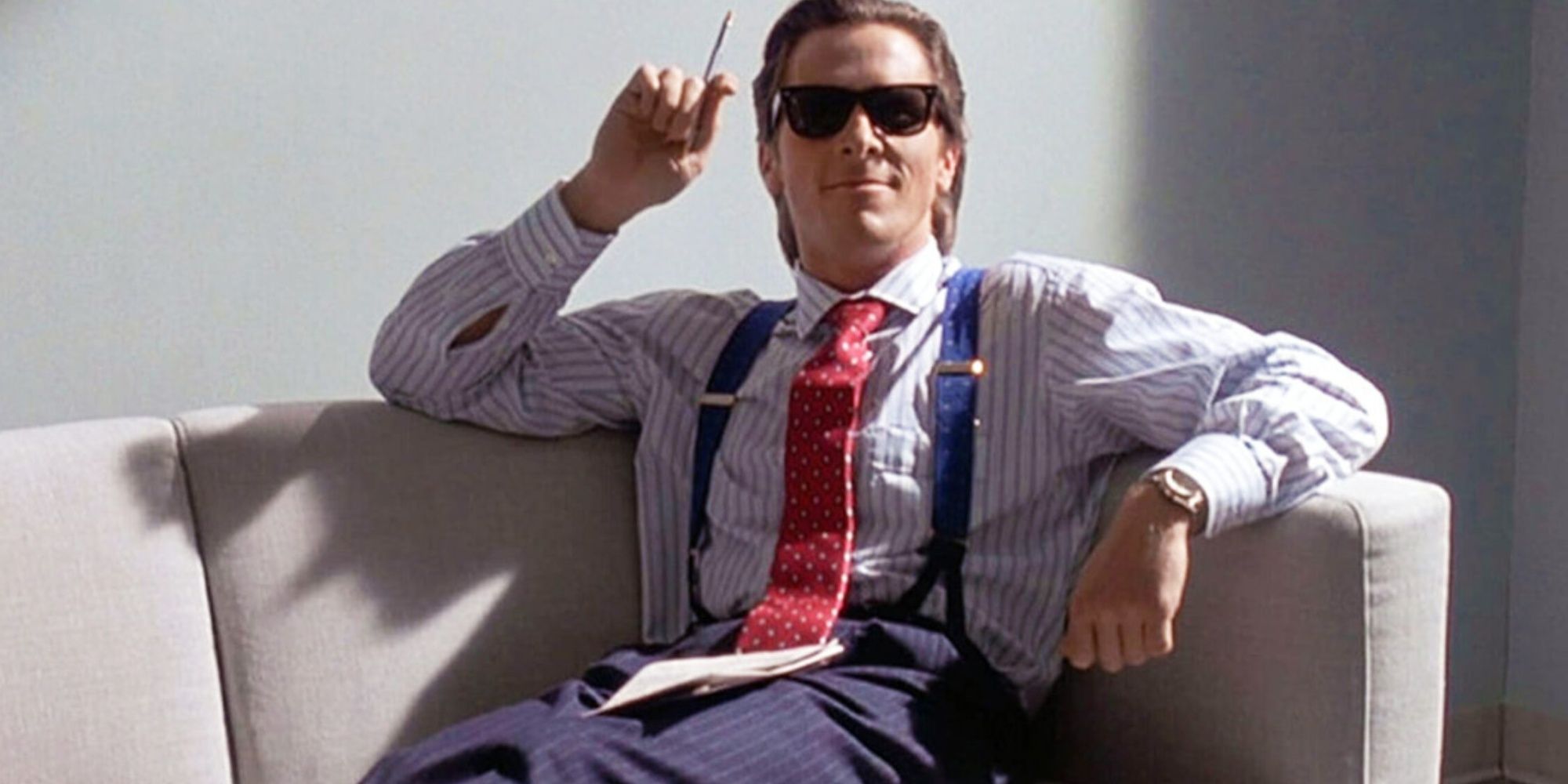
- The Corporate Mask: In Bateman’s world, identity is not found in character or soul, but in the labels one wears (Valentino suits, Oliver Peoples glasses) and the clubs one frequents (Dorsia).
- Interchangeability: One of the film's recurring jokes is that the characters constantly mistake each other for someone else. This highlights a core theme: in a world where everyone strives for the same peak of "perfection," individual identity ceases to exist.
Christian Bale’s Defining Performance
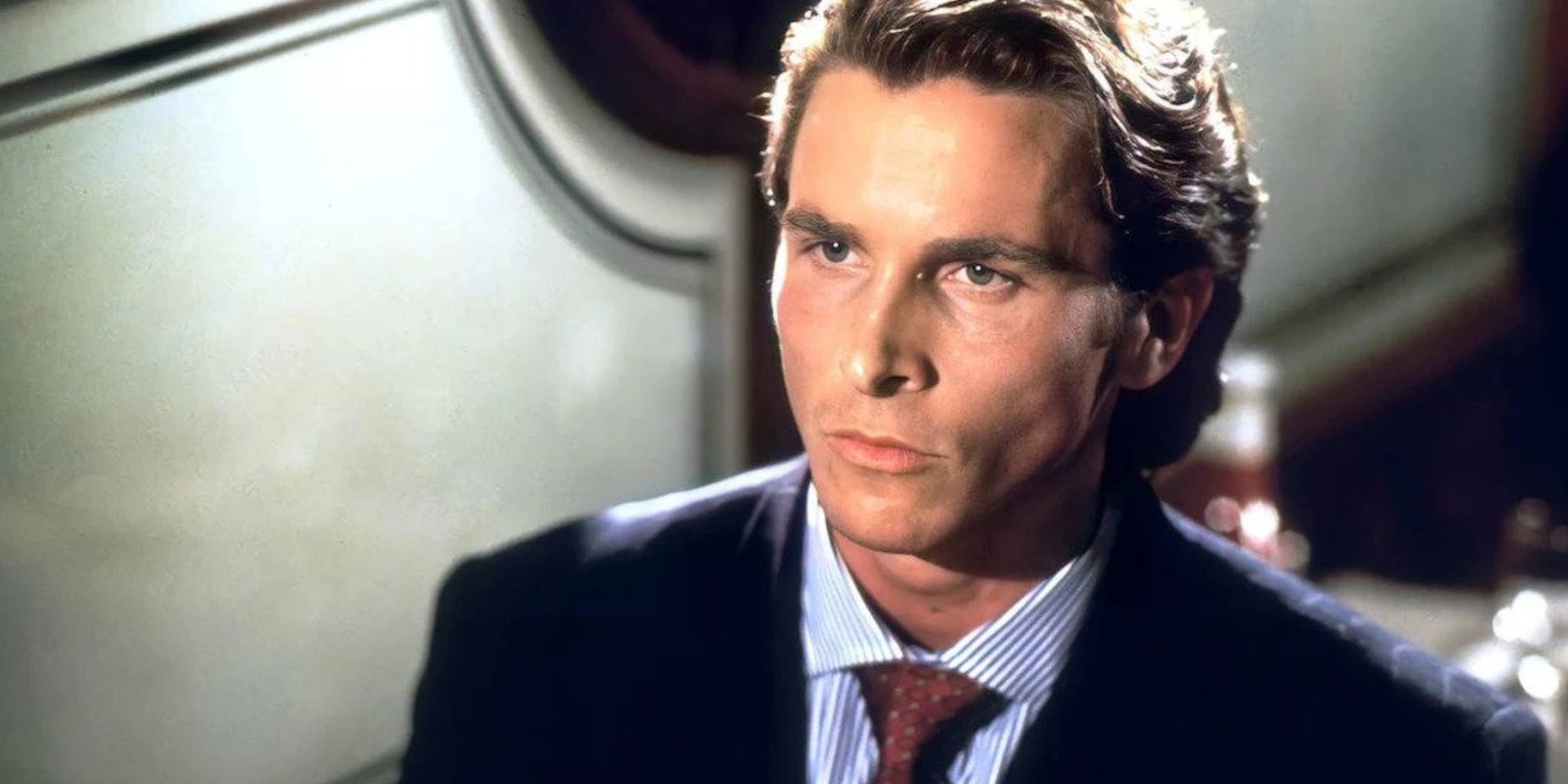
The status of the film as a classic is inseparable from Christian Bale’s portrayal of Patrick Bateman. Before he was Batman or an Oscar winner for The Fighter, Bale took a massive career risk by playing a serial killer who is also a buffoon.
The "Mask of Sanity"
Bale famously based his performance on a televised interview of Tom Cruise, noting a "very intense friendliness with nothing behind the eyes." This captures the essence of the "mask of sanity." Bateman is a character who has meticulously constructed a human exterior—through rigorous exercise, expensive skincare routines, and rehearsed social cues—to hide the "void" within.
Physicality and Discipline
Bale’s physical transformation was legendary. He spent months training to achieve a physique that looked less like an athlete and more like a high-end product. Every movement in the film is calculated; even when Bateman is hacking a victim with an axe, his movements possess a choreographed, almost theatrical quality that underscores the performative nature of his life.
The Masterful Balance of Satire and Horror
A "classic" often succeeds by blending genres in ways that feel fresh even decades later. American Psycho is simultaneously a slasher film and a corporate sitcom.
The Business Card Scene
Perhaps the most famous scene in the film involves a group of men sitting in a boardroom, comparing business cards. There is no violence in this scene, yet the tension is higher than in most action movies. The focus on "bone" coloring, "Silvianian" lettering, and watermarks serves as a masterful critique of how these men channel their aggression and insecurity into trivialities. When Bateman sees Paul Allen’s card, his physical reaction—sweating, trembling—treats the aesthetic superiority of a piece of cardstock as a literal assault on his ego.
The Soundtrack of the Soulless
The use of 1980s pop music is another stroke of genius. Bateman’s clinical, rehearsed monologues about Huey Lewis and the News, Phil Collins, and Whitney Houston provide a chilling contrast to the acts he is about to commit. By analyzing commercial pop with the same intensity one might use for Shakespeare, the film suggests that in Bateman’s world, art has been reduced to a mere commodity—background noise for a life without meaning.
Comparative Analysis: Novel vs. Film
While the film made the story a household name, the novel remains an essential, albeit more difficult, companion piece. The following table illustrates the key differences in how each medium contributes to the "classic" status of the work.
| Feature | The Novel (1991) | The Film (2000) |
|---|---|---|
| Primary Tone | Oppressive, hyper-detailed, nihilistic | Satirical, darkly comedic, stylized |
| Violence | Extreme, pornographic, and unrelenting | Mostly off-screen or stylized/absurdist |
| Protagonist View | Deeply unreliable first-person stream of consciousness | Observed from a distance, highlighting his absurdity |
| Theme Focus | The total collapse of morality in consumerism | The performance of masculinity and vanity |
| Ending Ambiguity | Higher; suggests Bateman is trapped in a hell of his own making | High; questions the reality of the murders vs. corporate apathy |
The Enduring Question: Did He Really Do It?
A hallmark of a classic work is its ability to spark ongoing debate. For over 25 years, audiences have argued whether the murders in American Psycho actually occurred or were merely the hallucinations of a deteriorating mind.
The "hallucination" theory is supported by the increasingly surreal events toward the end of the film: a teller machine (ATM) asking Bateman to "feed me a stray cat," a police chase where a single gunshot causes two patrol cars to explode, and the fact that Paul Allen’s apartment is suddenly pristine and for sale shortly after a supposed murder.
However, the more terrifying interpretation—and the one often favored by the creators—is that it doesn't matter if he did it. The "classic" horror of the story is that even if he did kill all those people and confessed to it, the world is too shallow, too self-absorbed, and too indifferent to care. When Bateman’s lawyer laughs off his confession as a "joke," it signifies the ultimate "no exit" scenario. Bateman is denied the catharsis of punishment because, in a world of masks, no one is real enough to be guilty.
Cultural Impact and the "Sigma" Phenomenon
In the 2020s, American Psycho experienced a strange resurgence through internet meme culture. The character of Patrick Bateman was ironically (and sometimes unironically) adopted as the face of the "Sigma Male" subculture.
While much of this internet trend misses the satirical point of the film—essentially idolizing the very man the movie is mocking—it speaks to the visual power of the work. The imagery of Bateman in his transparent raincoat, his morning routine, and his thousand-yard stare has become shorthand for a specific type of modern isolation and curated identity. This longevity in the digital age confirms its status as a classic; the film’s "look" is so potent that it continues to be repurposed by new generations who may not even have been alive during its original release.
Technical Excellence: Direction and Cinematography
From a technical standpoint, the film’s "classic" status is earned through its precise aesthetic. Mary Harron and cinematographer Andrzej Sekuła (who also shot Pulp Fiction) opted for a clean, clinical look.
- The Color Palette: The film uses high-contrast whites and deep blacks, reflecting Bateman's apartment—a space that looks more like a gallery than a home.
- Framing: Bateman is often framed in the center of the shot, emphasizing his narcissism, or trapped behind glass and reflections, emphasizing his disconnection.
- The Sound Design: The contrast between the squelching sounds of violence and the upbeat, synthesized pop of the 80s creates a "cognitive dissonance" that keeps the audience in a state of unease.
Frequently Asked Questions
Is American Psycho a horror movie or a comedy?
It is both. It is widely categorized as a black comedy and a psychological thriller. The humor comes from the absurdity of the characters' vanity, while the horror stems from Bateman's lack of empathy and the societal indifference to his actions.
Why was the book so controversial compared to the movie?
The book contains graphic, prolonged descriptions of sexual violence and torture that are significantly more extreme than anything depicted in the film. While the film uses these elements to serve a satirical point, many early readers felt the book crossed the line into senseless provocation.
Does Patrick Bateman actually kill anyone?
There is no definitive answer, but the prevailing "satirical" interpretation is that Bateman's crimes are real, but the society around him is so vapid and interchangeable that he is never caught. His confession is ignored because his lawyer thinks he's too "square" to be a killer and mistakes him for someone else.
What is the meaning of the ending?
The ending, featuring the "THIS IS NOT AN EXIT" sign, signifies that Bateman is trapped. He wants to be caught so that he can feel something or have his "inner ghost" recognized, but because he exists in a world of superficiality, his confession provides no catharsis. He remains in a state of perpetual, meaningless suffering.
Why is Christian Bale’s performance considered so good?
Bale manages to make a monster seem pathetic. He captures the "blankness" of Bateman perfectly, showing a man who is constantly "performing" being a human. His ability to switch from terrifying rage to weeping over a business card is a masterclass in tonal control.
Final Recommendation: How to Experience This Classic
If you are approaching American Psycho for the first time in 2026, it is best viewed through the lens of social critique. Do not look at it as a standard slasher film; instead, observe the ways in which the characters interact with their environment and each other.
Next Steps for Enthusiasts:
- Watch the 2000 Film: Focus on the "Business Card" and "Paul Allen" sequences for the best examples of the film's satire.
- Read the Novel: If you have a high tolerance for transgressive fiction, Ellis’s prose offers a much deeper, more disturbing look into Bateman’s fractured psyche.
- Compare to Modern Media: Note the similarities between Bateman’s 1980s brand obsession and modern "influencer" culture.
American Psycho remains a classic because it diagnosed a cultural sickness that hasn't gone away; it has only changed its clothes.