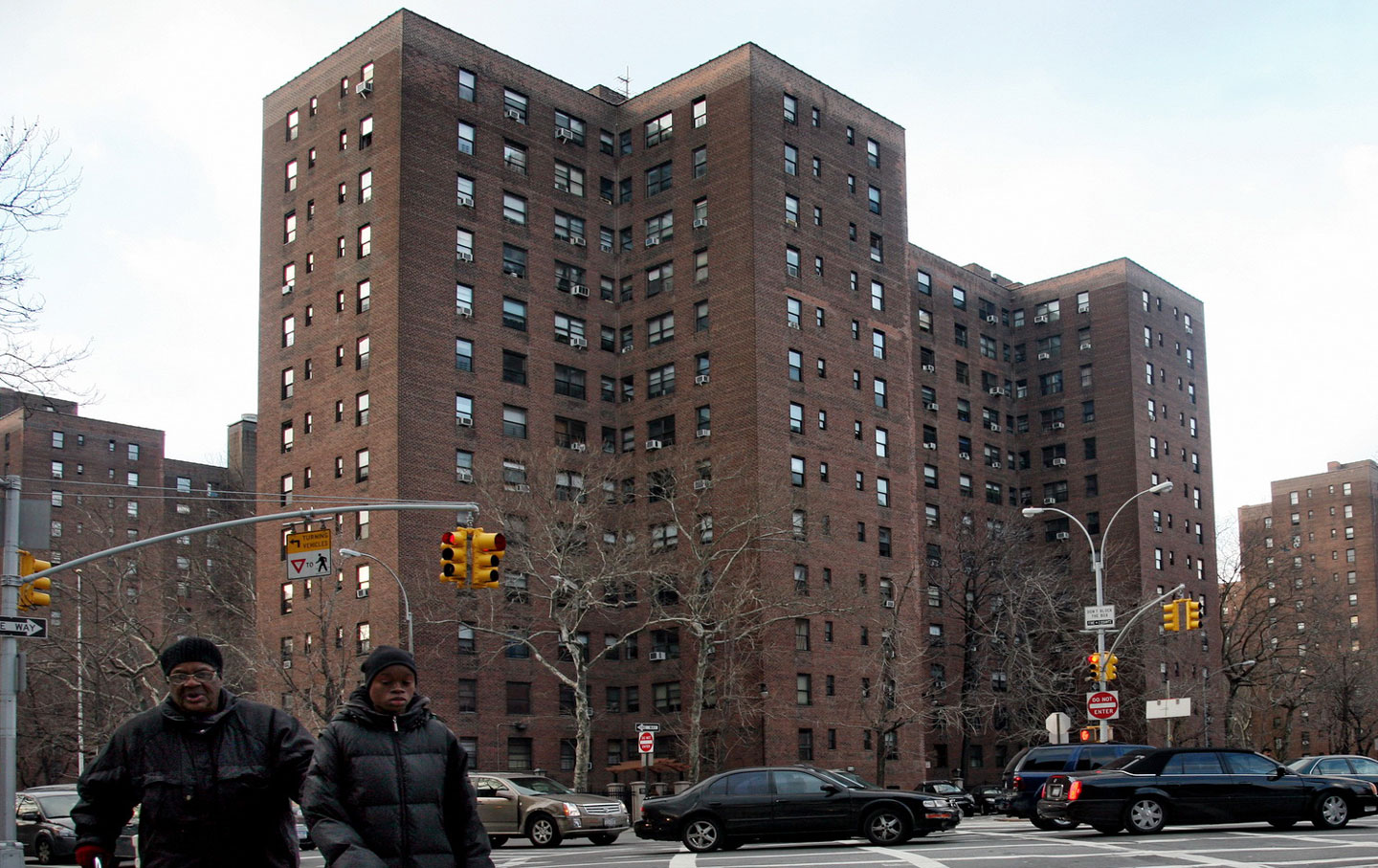
American public housing provides decent and safe rental housing for eligible low-income families, the elderly, and persons with disabilities. Managed by local Public Housing Agencies (PHAs) and funded by the U.S. Department of Housing and Urban Development (HUD), eligibility is primarily based on annual gross income and U.S. citizenship or eligible immigration status.
Public housing was established to provide decent and safe rental housing for eligible low-income families, the elderly, and persons with disabilities. Public housing comes in all sizes and types, from scattered single-family houses to high-rise apartments for elderly families. As of 2026, there are approximately 900,000 public housing units across the United States, managed by some 3,300 PHAs. While often confused with other forms of government assistance, "Public Housing" refers specifically to units owned and operated by a government authority.
Understanding the Structure of American Public Housing
To navigate the system effectively, it is essential to distinguish between the different entities involved. The program is not a single, monolithic federal agency but a partnership between federal oversight and local administration.
The Role of HUD
The U.S. Department of Housing and Urban Development (HUD) provides federal funds to local housing agencies to manage the housing for low-income residents at rents they can afford. HUD also furnishes technical and professional assistance in planning, developing, and managing these developments. However, HUD does not own the buildings or sign the leases with tenants; that responsibility falls to the local level.
The Role of Public Housing Agencies (PHAs)
A PHA is a local entity—often a city or county department—that manages the day-to-day operations of public housing. Their responsibilities include:
- Determining eligibility based on HUD guidelines.
- Managing waiting lists and selecting tenants.
- Maintaining the physical condition of the units.
- Ensuring that residents comply with lease terms.
- Calculating and collecting rent payments.
Because PHAs operate locally, the specific rules, preferences, and availability of units can vary significantly from one city to the next, even within the same state.
Eligibility Requirements for 2026
Gaining access to public housing is a multi-step process that begins with meeting strict eligibility criteria. As of 2026, HUD continues to use three primary factors to determine if an individual or family qualifies for assistance.
1. Income Limits
Eligibility is restricted to low-income families and individuals. HUD sets income limits annually based on the Area Median Income (AMI) for the specific county or metropolitan area where the PHA is located. These limits are categorized into three tiers:
- Low-income: 80% of the AMI.
- Very low-income: 50% of the AMI.
- Extremely low-income: 30% of the AMI.
By law, PHAs must provide a specific percentage of their units (typically 40%) to families at the "extremely low-income" level. You can check the current income limits for your specific area via the HUD User Income Limits Documentation System.
2. Family Status
Public housing is available to "families," but the definition of a family is broad. It includes single persons, the elderly (62 years of age or older), persons with disabilities, or a group of persons living together. PHAs cannot discriminate based on family composition, but they may have specific developments designated solely for the elderly or for people with disabilities.
3. Citizenship and Immigration Status
Assistance is restricted to U.S. citizens and specified categories of non-citizens who have eligible immigration status. During the application process, every member of the household must provide documentation of their status. If a household has "mixed status" (some members are eligible and others are not), the financial assistance may be prorated.
4. Background and Reference Checks
PHAs are required to screen applicants to ensure they will be "good tenants." This involves checking:
- Criminal history: Specifically related to drug-related or violent criminal activity.
- Rental history: Previous evictions or unpaid rent at other PHAs.
- References: Contacting previous landlords to verify behavior and payment reliability.
The Application and Waiting List Process
The demand for public housing significantly outweighs the supply. Consequently, the application process is rarely immediate.
Finding a PHA
The first step is to locate the PHA serving your area. Most major cities have their own agency (e.g., the New York City Housing Authority or the Chicago Housing Authority), while smaller towns may be served by a county-wide agency. You can find contact information through the HUD PHA Contact Information map.
Submitting the Application
The application usually requires written documentation regarding your family size, income, assets, and current living conditions. Many PHAs now use online portals for applications, but paper forms are still available for those with limited internet access.
Waiting Lists and Local Preferences
Most PHAs have waiting lists. Depending on the city, these lists can range from several months to over a decade. To manage these lists, PHAs often use a "preference" system to prioritize certain groups. Common preferences include:
- Families who are currently homeless or living in substandard housing.
- Families paying more than 50% of their income for rent.
- Victims of domestic violence.
- Veterans or families of deceased veterans.
- Working families or those who cannot work due to age or disability.
It is critical to keep your contact information updated with the PHA. If the agency attempts to contact you and the mail is returned or you do not respond, you will likely be removed from the list and forced to re-apply.
Financial Obligations: How Rent is Calculated
Rent in American public housing is designed to be affordable, regardless of how low a family's income might be. This is governed by the Brooke Amendment, which established the standard for housing affordability.
The 30% Rule
In most cases, your rent—called the Total Tenant Payment (TTP)—is based on your family's anticipated gross annual income minus specific deductions. The TTP is typically the highest of the following:
- 30% of the family’s monthly adjusted income.
- 10% of the family’s monthly gross income.
- A "minimum rent" set by the PHA (usually between $25 and $50).
Standard Deductions
To arrive at "adjusted income," PHAs allow for several deductions:
- $480 for each dependent.
- $400 for any elderly family or a person with a disability.
- Unreimbursed medical expenses for elderly or disabled families that exceed 3% of annual income.
- Reasonable childcare expenses necessary to allow a family member to work or attend school.
Utility Allowances
If the PHA does not provide utilities (electricity, gas, water) as part of the rent, they must provide a "utility allowance." This is a credit deducted from your rent to help cover the cost of the bills you pay directly to the utility companies.
Comparing Public Housing and Section 8
A common point of confusion is the difference between "Public Housing" and the "Housing Choice Voucher Program" (commonly known as Section 8). While both are HUD-funded, they operate differently.
| Feature | Public Housing | Section 8 (Housing Choice Vouchers) |
|---|---|---|
| Ownership | Owned and managed by the PHA. | Privately owned; managed by landlords. |
| Location | Specific developments or units. | Any private rental that accepts vouchers. |
| Portability | Generally tied to the specific unit. | "Portable"; can be used nationwide. |
| Rent Payment | Paid directly to the PHA. | Tenant pays part; PHA pays the rest to the landlord. |
| Maintenance | Handled by PHA staff. | Handled by the private landlord. |
| Lease Agreement | Signed with the PHA. | Signed with the private landlord. |
Resident Rights and Responsibilities
Living in public housing grants residents specific legal protections under federal law, but it also carries significant responsibilities.
The Lease Agreement
The lease is a legally binding contract between the tenant and the PHA. It outlines the names of the people allowed to live in the unit, the rent amount, and the rules for behavior. It is important to note that only people listed on the lease are permitted to reside in the unit; unauthorized guests staying long-term can be grounds for eviction.
Maintenance and Repairs
The PHA is legally required to keep the housing in a decent, safe, and sanitary condition. If a repair is needed, the tenant must notify the PHA. If the PHA fails to make repairs that affect health or safety, the tenant may have grounds for a formal grievance.
The Grievance Procedure
Unlike private tenants, public housing residents have a federal right to a grievance hearing. If the PHA takes an action that the tenant disagrees with (such as a rent increase or an eviction notice), the tenant can request a formal hearing before an impartial officer. This provides a layer of due process that is not typically available in the private market.
Modern Challenges and the RAD Program
As of 2026, the landscape of public housing is shifting through the Rental Assistance Demonstration (RAD) program. Because the federal government has historically underfunded the "Capital Fund" needed to repair aging public housing buildings, HUD created RAD to allow PHAs to "convert" public housing units into long-term Section 8 contracts.
This conversion allows PHAs to leverage private financing to perform much-needed renovations. For the resident, the day-to-day experience remains largely the same—the rent is still 30% of income—but the underlying funding structure changes from public ownership to a public-private partnership model.
Frequently Asked Questions
Can I be evicted from public housing?
Yes. Residents can be evicted for "serious or repeated" violations of the lease. Common reasons include non-payment of rent, criminal activity on the premises, or allowing unauthorized people to live in the unit. However, the PHA must provide written notice and the opportunity for a grievance hearing before an eviction can proceed in court.
What happens if my income increases?
If your income increases, you must report it to the PHA. Your rent will likely be adjusted upward (typically at your next annual recertification, though some PHAs require interim reporting). You will not be immediately kicked out for earning more money, but if your income exceeds the "over-income" limit for 24 consecutive months, the PHA may be required to charge a higher rent or terminate your tenancy to make room for lower-income applicants.
Is public housing safe?
Safety varies significantly by development and location. PHAs are required to meet "National Standards for the Physical Inspection of Real Estate" (NSPIRE). Furthermore, many PHAs have their own security personnel or coordinate closely with local law enforcement. Residents are encouraged to form "Resident Councils" to work with management on safety and quality-of-life issues.
Can I move to a different city and keep my public housing?
Generally, no. Public housing is "site-based" assistance. If you want to move to a different city, you usually have to apply to the PHA in that new city and wait on their list. This is a major difference from the Section 8 Voucher program, which is portable.
How long can I stay in public housing?
There is generally no time limit on how long you can stay in public housing, provided you comply with the lease and remain eligible. Some "Family Self-Sufficiency" (FSS) programs are designed to help residents transition to homeownership or the private market, but participation is usually voluntary.
Recommendations for Applicants
If you are seeking public housing in 2026, your first action should be to visit the HUD PHA Contact Map and identify every housing authority within a reasonable commuting distance. Because waiting lists are often closed, you should apply to every open list for which you are eligible to increase your chances of being housed. Ensure you gather all necessary birth certificates, social security cards, and income verification (tax returns or pay stubs) in advance, as missing documentation is the primary cause of application denial.