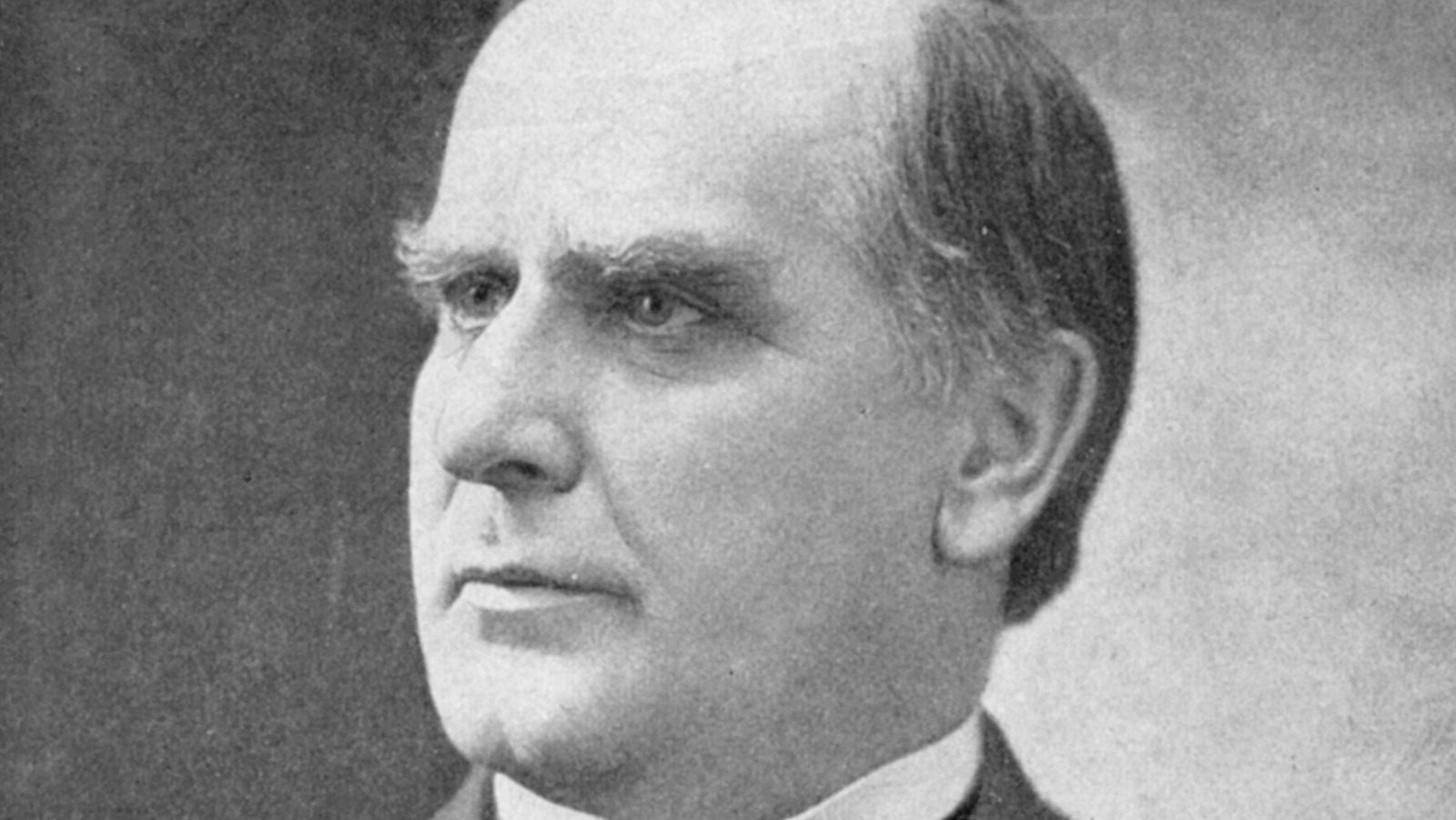
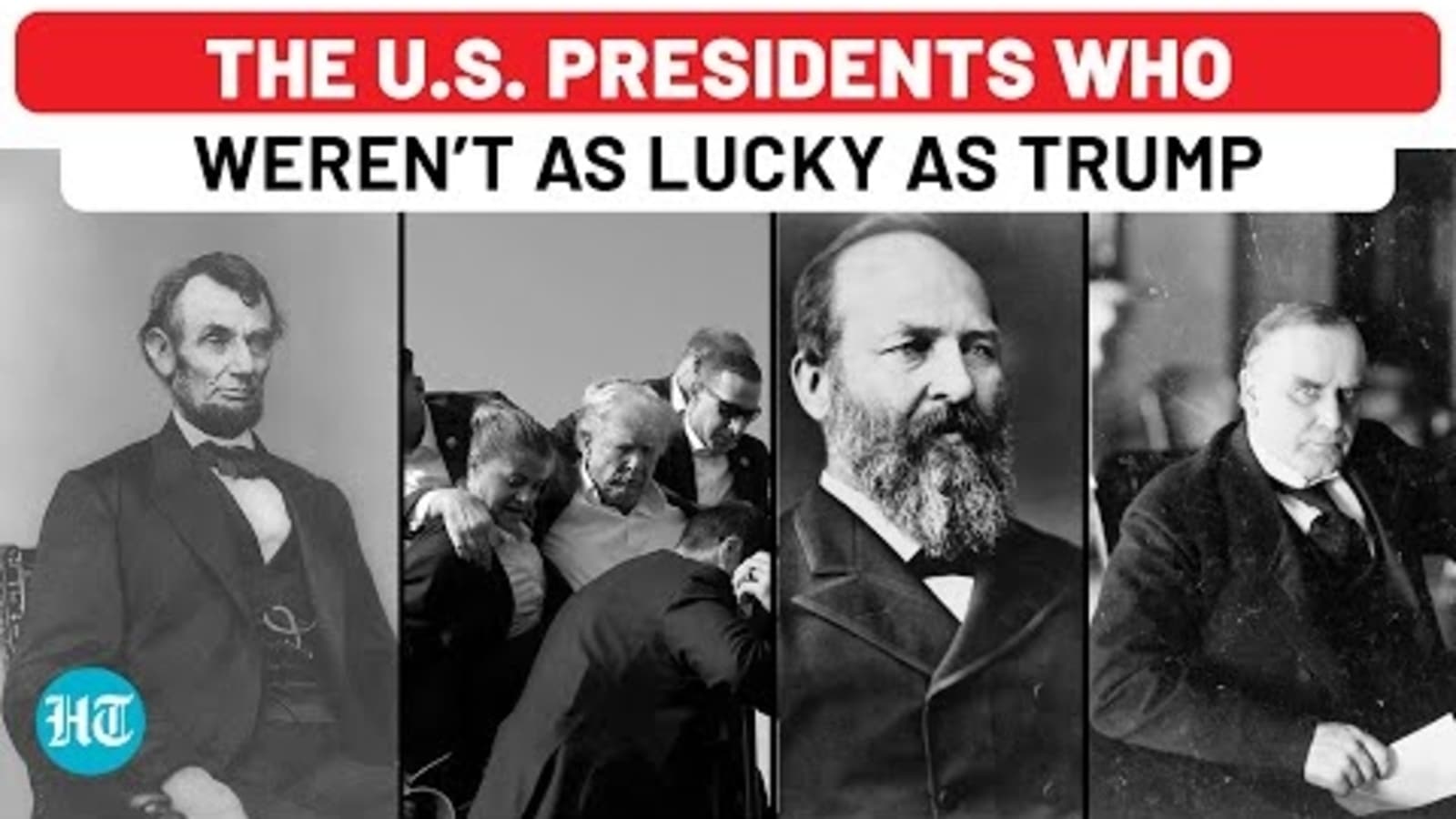
Four United States presidents have been assassinated while in office: Abraham Lincoln (1865), James A. Garfield (1881), William McKinley (1901), and John F. Kennedy (1963). Each event fundamentally altered the course of American political history, leading to significant changes in presidential succession laws, national security protocols, and the evolution of the United States Secret Service.
The history of the American presidency is marked by periods of profound transformation, often catalyzed by tragedy. While many presidents have faced threats or survived attempts on their lives, the four men on the "American presidents assassinated list" represent moments where the transition of power was forced by violence. Understanding these events requires more than just knowing names and dates; it requires an analysis of the political climates that fostered such extremism and the systemic changes that followed.
Abraham Lincoln: The First Presidential Assassination (1865)
Abraham Lincoln, the 16th President of the United States, was the first commander-in-chief to be assassinated. His death occurred just as the American Civil War was drawing to a close, creating a vacuum of leadership during the critical early days of Reconstruction.
The Context of the Crime
On the evening of April 14, 1865—Good Friday—Lincoln attended a performance of the play Our American Cousin at Ford’s Theatre in Washington, D.C. The atmosphere in the capital was celebratory following General Robert E. Lee’s surrender at Appomattox Court House only five days earlier. However, deep-seated resentment remained among Confederate sympathizers who viewed Lincoln as a tyrant.
The Assassin and the Plot
John Wilkes Booth, a well-known actor and Confederate sympathizer, was the mastermind behind a larger conspiracy. Booth’s original plan was to kidnap Lincoln to exchange him for Confederate prisoners of war. When that failed, the plan evolved into a coordinated strike against the heads of the U.S. government. Co-conspirators were tasked with killing Vice President Andrew Johnson and Secretary of State William Seward on the same night.
Booth gained access to the presidential box at Ford’s Theatre because of his fame as an actor. He shot Lincoln in the back of the head with a .44-caliber Derringer pistol. After a struggle with Major Henry Rathbone, Booth leaped from the box to the stage, famously shouting "Sic semper tyrannis" (Thus always to tyrants).
The Aftermath and Medical Reality
Lincoln was carried across the street to the Petersen House, where he remained in a coma for several hours. He passed away at 7:22 a.m. on April 15, 1865. The medical technology of the era was insufficient to treat a traumatic brain injury of that magnitude. The loss of Lincoln left the nation in the hands of Andrew Johnson, whose tumultuous relationship with Congress led to the first presidential impeachment and a fragmented approach to reuniting the North and South.
James A. Garfield: The Martyr of the Spoils System (1881)
The second entry on the American presidents assassinated list is James A. Garfield, the 20th President. His assassination is often remembered not just for the act itself, but for the medical malpractice that arguably caused his death more than the assassin’s bullet.
A Presidency Cut Short
Garfield had been in office for only four months when he was shot on July 2, 1881, at the Baltimore and Potomac Railroad Station in Washington, D.C. He was preparing to travel to his alma mater, Williams College.
The Assassin: Charles J. Guiteau
Charles Guiteau was a mentally unstable man who believed he was largely responsible for Garfield’s election victory. Operating under the "spoils system"—a practice where political supporters were rewarded with government jobs—Guiteau expected a high-level consulship in Paris. When he was repeatedly rejected by the administration, specifically by Secretary of State James G. Blaine, he decided that God had commanded him to "remove the President" to heal a factional rift within the Republican Party.
The Tragedy of 19th-Century Medicine
Garfield was shot twice, once in the arm and once in the back. The back wound was not immediately fatal; the bullet missed all major organs and the spinal cord. However, in an era before the widespread adoption of antiseptic techniques (pioneered by Joseph Lister but ignored by many American doctors), physicians repeatedly probed Garfield’s wound with unwashed fingers and unsterilized instruments.
Garfield suffered for 80 days as his body was ravaged by sepsis and infection. He died on September 19, 1881. His death spurred the passage of the Pendleton Civil Service Reform Act, which aimed to end the spoils system that had motivated Guiteau.
William McKinley: The Rise of Globalism and Anarchism (1901)
William McKinley, the 25th President, was assassinated at the turn of the 20th century, a time when the United States was emerging as a global power following the Spanish-American War.
The Pan-American Exposition
On September 6, 1901, McKinley was attending the Pan-American Exposition in Buffalo, New York. During a public reception at the Temple of Music, McKinley was shaking hands with the public—a common practice for presidents at the time, despite growing security concerns.
The Assassin: Leon Czolgosz
Leon Czolgosz was an anarchist who viewed McKinley as a symbol of oppression and corporate interest. Inspired by the assassination of King Umberto I of Italy the previous year, Czolgosz approached the President with a .32-caliber Iver Johnson revolver concealed by a handkerchief wrapped around his hand, making it look like a bandage. He fired two shots at close range.
Security Failures and the Secret Service
At the time of McKinley’s shooting, the Secret Service—originally created in 1865 to combat counterfeiting—did not have a formal mandate to protect the President, though they had begun doing so informally. Following McKinley’s death on September 14, 1901, Congress officially requested that the Secret Service provide full-time protection for the President.
McKinley’s death also propelled Vice President Theodore Roosevelt into the presidency. Roosevelt’s energetic leadership and "Big Stick" diplomacy fundamentally reshaped American domestic and foreign policy for the new century.
John F. Kennedy: The Modern Tragedy (1963)
The final and most famous name on the American presidents assassinated list is John F. Kennedy, the 35th President. His death remains one of the most analyzed and debated events in American history.
The Dallas Motorcade
On November 22, 1963, President Kennedy was traveling through Dealey Plaza in Dallas, Texas, in an open-top limousine. The trip was intended to smooth over internal frictions in the Democratic Party ahead of the 1964 election.
The Event and the Investigation
At approximately 12:30 p.m., shots were fired from the Texas School Book Depository. Kennedy was struck in the neck and head. He was rushed to Parkland Memorial Hospital but was pronounced dead at 1:00 p.m.
The suspect, Lee Harvey Oswald, a former Marine who had defected to the Soviet Union and later returned, was arrested in a nearby movie theater. Two days later, while being transferred by police, Oswald was shot and killed by nightclub owner Jack Ruby on live national television.
The Warren Commission, established by President Lyndon B. Johnson, concluded in 1964 that Oswald acted alone. However, the 1979 report by the House Select Committee on Assassinations (HSCA) suggested the possibility of a conspiracy, though no specific co-conspirators were named. This ambiguity has fueled decades of public skepticism and conspiracy theories.
Cultural and Legislative Impact
Kennedy’s assassination led to the passage of the 25th Amendment, which clarified the process of presidential succession and how to handle presidential disability. It also resulted in a massive overhaul of Secret Service protocols, ensuring that presidents would never again travel in completely open vehicles in unsecured environments.
Comparison of Presidential Assassinations
The following table summarizes the key details of the four successful assassinations in U.S. history.
| President | Date of Assassination | Location | Assassin | Primary Motive |
|---|---|---|---|---|
| Abraham Lincoln | April 14, 1865 | Washington, D.C. | John Wilkes Booth | Confederate Sympathy |
| James A. Garfield | July 2, 1881 | Washington, D.C. | Charles J. Guiteau | Political Appointment Denied |
| William McKinley | September 6, 1901 | Buffalo, New York | Leon Czolgosz | Anarchist Ideology |
| John F. Kennedy | November 22, 1963 | Dallas, Texas | Lee Harvey Oswald | Disputed/Ideological |
Notable Failed Assassination Attempts
While only four presidents have been killed, many others survived attempts on their lives. These "near misses" also shaped the security landscape of the United States.
- Andrew Jackson (1835): The first attempted assassination of a sitting president. Richard Lawrence approached Jackson with two pistols, both of which misfired. Jackson famously beat the man with his cane.
- Theodore Roosevelt (1912): While campaigning as a third-party candidate (after his presidency), Roosevelt was shot in the chest. His 50-page speech and a metal spectacle case slowed the bullet. He insisted on finishing his 90-minute speech before seeking medical attention.
- Franklin D. Roosevelt (1933): Shortly before his inauguration, Giuseppe Zangara fired shots at FDR in Miami. He missed the President-elect but fatally wounded Chicago Mayor Anton Cermak.
- Harry S. Truman (1950): Two Puerto Rican nationalists attempted to storm Blair House, where Truman was staying during White House renovations. A fierce gunfight ensued, resulting in the death of one assassin and one White House police officer.
- Gerald Ford (1975): Ford survived two separate assassination attempts within three weeks, both in California and both by female attackers (Lynette "Squeaky" Fromme and Sara Jane Moore).
- Ronald Reagan (1981): John Hinckley Jr. shot Reagan outside a Washington hotel. The bullet ricocheted off the presidential limousine and hit Reagan in the chest. He came close to death but recovered, becoming the first sitting president to survive being wounded in an assassination attempt.
The Evolution of the Secret Service
The American presidents assassinated list served as a catalyst for the modernization of federal law enforcement. Prior to 1901, there was no permanent, dedicated force for presidential protection. Public access to the president was remarkably high; Lincoln often walked the streets of D.C. with minimal escort, and Garfield had no guards at the train station.
Today, the Secret Service employs thousands of agents and uses advanced technology, including armored vehicles (like "The Beast"), electronic counter-surveillance, and elaborate advance-team planning for every presidential movement. The Official United States Secret Service History details how these legislative mandates evolved specifically in response to the deaths of Lincoln, Garfield, and McKinley.
The Constitutional Legacy: Succession and Disability
Assassinations created significant constitutional crises regarding who holds power and how they obtain it.
- The 1792 Act: Originally, the President Pro Tempore of the Senate was next in line after the Vice President.
- The 1886 Act: Changed the line of succession to Cabinet members in order of their department's creation.
- The Presidential Succession Act of 1947: Signed by Truman, this moved the Speaker of the House and the President Pro Tempore back into the line of succession before the Cabinet.
- The 25th Amendment (1967): Ratified in the wake of the JFK assassination, this amendment provides the legal framework for filling a vacancy in the office of the Vice President and for dealing with a president who is "unable to discharge the powers and duties of his office."
Conclusion and Recommended Actions
The four men on the American presidents assassinated list—Lincoln, Garfield, McKinley, and Kennedy—were victims of their times and the specific political tensions therein. For those interested in historical research or education, the following actions are recommended:
- Primary Source Research: Visit the National Archives to view digitized documents related to the Warren Commission and the Lincoln conspiracy trials.
- Site Visits: Places like Ford's Theatre National Historic Site and Dealey Plaza provide vital geographic context to these events.
- Medical History Studies: For those interested in the Garfield case, Dr. Howard Markel’s research on 19th-century medicine offers deep insights into how the president's treatment contributed to his demise.
Frequently Asked Questions
Which US president was the first to be assassinated?
Abraham Lincoln was the first U.S. president to be assassinated. He was shot on April 14, 1865, and died the following morning. His death occurred at a pivotal moment at the end of the Civil War.
How many US presidents have been assassinated in total?
As of 2026, four U.S. presidents have been assassinated: Abraham Lincoln, James A. Garfield, William McKinley, and John F. Kennedy.
Why did the Secret Service start protecting the President?
The Secret Service was formally tasked with presidential protection after the assassination of William McKinley in 1901. Before this, they primarily focused on investigating counterfeit currency, though they had provided some informal protection to previous presidents.
Who was the assassin of James A. Garfield?
Charles J. Guiteau assassinated James A. Garfield. Guiteau was a disgruntled office-seeker who felt he was owed a political appointment under the spoils system.
What constitutional change followed the JFK assassination?
The most significant constitutional change was the ratification of the 25th Amendment in 1967. This amendment clarified the rules for presidential succession and established procedures for handling presidential disability or a vacancy in the vice presidency.