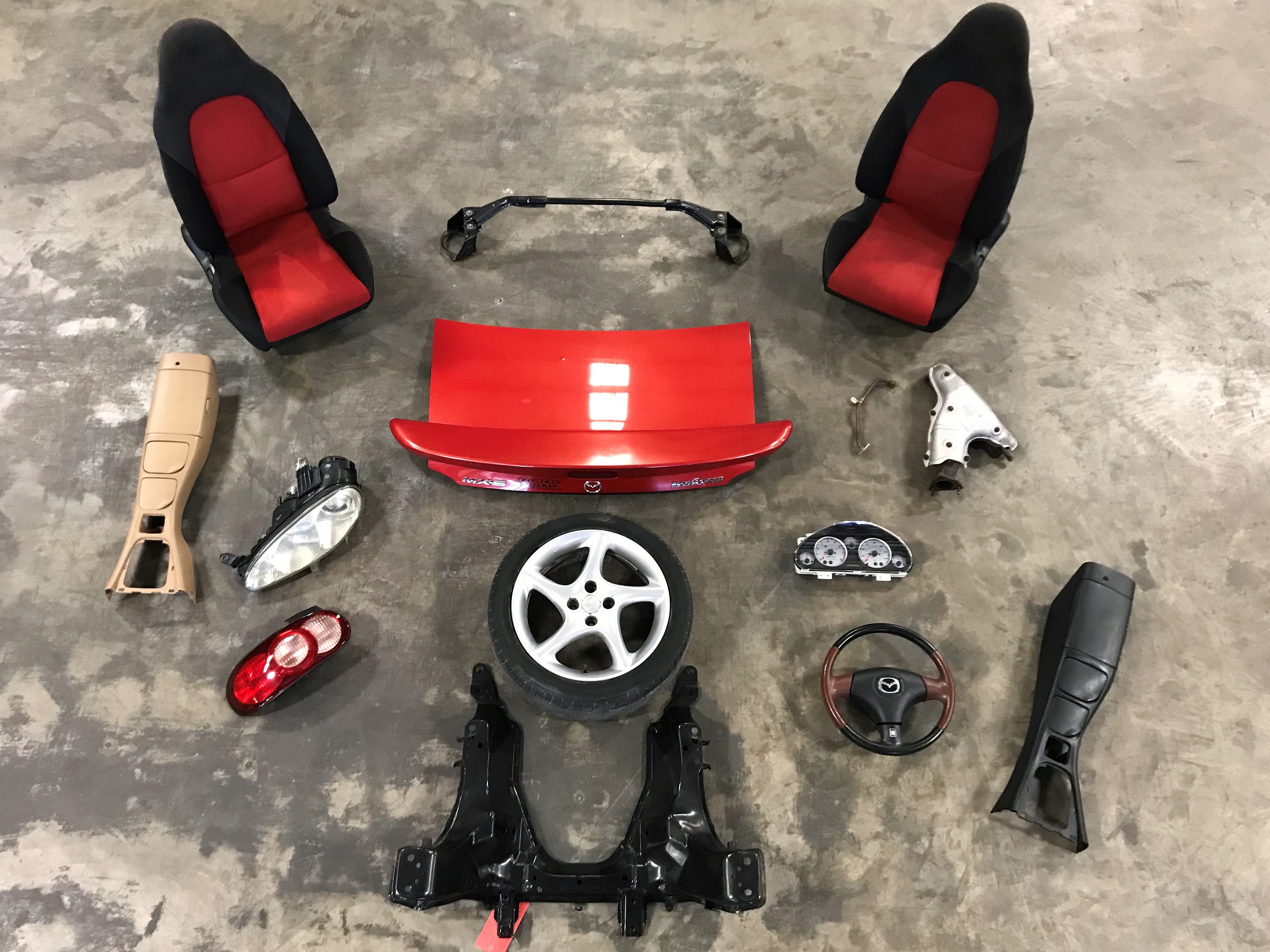
American Redline Auto Parts provides high-quality, recycled OEM components and performance parts for domestic and imported vehicles. As of 2026, they remain a primary destination for enthusiasts and repair shops seeking cost-effective, verified used engines, transmissions, and body panels, with a specialized focus on late-model American brands like Ford, GM, and Chrysler.
In the current automotive landscape of 2026, the demand for sustainable and affordable repair solutions has reached an all-time high. With the rising costs of new original equipment manufacturer (OEM) components and the increasing complexity of modern vehicle systems, professional salvage operations like American Redline Auto Parts have become essential nodes in the global supply chain. This guide explores the operational standards, inventory depth, and procurement strategies necessary to successfully source parts from this specialized sector.
The Evolution of the American Redline Service Model
The traditional image of a "junkyard" has been replaced by sophisticated automotive recycling facilities. American Redline Auto Parts exemplifies this shift by operating as a high-tech inventory hub rather than a simple scrap yard. Based in the Northeast United States, specifically the Fairless Hills region, this entity has built a reputation for specializing in late-model salvage. This means the inventory is primarily focused on vehicles manufactured within the last ten to fifteen years, ensuring that the components are relevant to the cars currently on the road.
As of 2026, the facility has integrated advanced digital tracking. Every part—from a side-mirror assembly to a 6.2L V8 engine—is logged with its original Vehicle Identification Number (VIN), mileage, and condition grade. This level of transparency is critical for modern consumers who need to ensure that electronic components are compatible with their vehicle's existing computer modules.
The Shift Toward "Recycled OEM"
The industry has moved away from the term "used parts" in favor of Recycled OEM. The distinction is important: recycled parts are genuine components built by the manufacturer, offering a level of fit and finish that aftermarket "economy" parts rarely match. American Redline focuses on harvesting these components from insurance-totaled vehicles where the specific part in question was not damaged. This allows a vehicle owner to replace a damaged door or a failed alternator with a part that was designed specifically for their chassis, often at a 50% to 70% discount compared to a dealership's retail price.
Navigating the Specialized Inventory
The inventory at American Redline Auto Parts is categorized to serve both standard commuters and high-performance enthusiasts. While they stock parts for a wide variety of makes, their "Redline" branding naturally leans toward the performance-oriented domestic market.
Powertrain and Drivetrain Components
The core of the inventory consists of heavy mechanical assemblies. In 2026, the focus includes:
- High-Output Engines: Sourcing 5.0L Coyote engines, HEMI variants, and LS-based small blocks. These are tested for compression and oil pressure before being listed.
- Multi-Speed Transmissions: With the prevalence of 8, 9, and 10-speed automatic transmissions, sourcing these units used is often the only financially viable way to repair a vehicle out of warranty.
- EV and Hybrid Batteries: As the 2026 market sees more aging electric vehicles, American Redline has expanded into verified battery modules and electric drive units (EDUs) for platforms like the Ford Mach-E and Chevrolet Silverado EV.
Body Panels and Structural Parts
One of the greatest advantages of sourcing from American Redline is the ability to find paint-matched body panels. For common colors like Ford’s Oxford White or GM’s Silver Ice Metallic, buying a used fender or hood in the same factory color can save thousands of dollars in professional painting and blending costs. The inventory focuses on:
- Front-end assemblies (clips).
- Doors, trunk lids, and liftgates.
- Headlight assemblies (specifically LED and Matrix units which can cost upwards of $2,000 new).
Quality Control and The Verification Process
Sourcing a part from a salvage specialist involves more than just pulling it off a shelf. American Redline employs a multi-stage verification process to ensure the "Redline" standard is met.
The "Run-Test" Protocol
For engines and transmissions, a run-test is the gold standard. Whenever possible, the vehicle is started and run to operating temperature before the powertrain is pulled. Technicians monitor for:
- Abnormal Noises: Checking for rod knock, lifter tick, or timing chain rattle.
- Fluid Integrity: Ensuring there is no "milkshake" (oil and coolant mixing) or metal shavings in the pan.
- Diagnostic Codes: Using professional scanners to check for "Hard Codes" in the Engine Control Module (ECM) that might indicate internal sensor or mechanical failure.
The Hollander Interchange System
American Redline utilizes the Hollander Interchange System, the industry-standard database for part compatibility. This system allows the sales team to tell a customer if a part from a 2022 GMC Sierra will fit a 2024 Chevrolet Silverado, even if the part numbers are slightly different. This reduces the risk of returns and ensures that the mechanical tolerances are identical to the original part.
Logistics: Shipping and Receiving Heavy Components
In 2026, the ability to ship large automotive components across the country is a cornerstone of the American Redline business model.
LTL Freight for Large Items
Items like engines, transmissions, and rear axle assemblies are too heavy for standard parcel carriers. These are shipped via Less-Than-Truckload (LTL) Freight.
- Crating: Parts are secured to heavy-duty wooden pallets and often shrink-wrapped or crated to prevent movement.
- Delivery Requirements: Buyers should be aware that LTL shipments typically require a commercial address with a loading dock or a forklift. Residential delivery is often available but usually incurs a "liftgate fee" if the carrier has to lower the pallet to the ground manually.
Parcel Shipping for Small Parts
Electronic modules, sensors, and interior trim are shipped via standard couriers. American Redline emphasizes high-quality packaging for these items, as modern automotive sensors—such as those used for Adaptive Cruise Control or Blind Spot Monitoring—are extremely sensitive to vibration and shock.
Comparing Costs and Value Propositions
When deciding whether to use American Redline Auto Parts or a traditional auto parts store, it is helpful to look at the cost-to-value ratio across different part categories.
| Part Category | New OEM Cost (Est.) | American Redline (Est.) | Advantage |
|---|---|---|---|
| Engine Assembly | $8,500 - $12,000 | $2,500 - $4,500 | High cost savings; includes accessories. |
| Transmission | $4,000 - $6,000 | $1,200 - $2,200 | Significant savings on late-model units. |
| LED Headlight | $1,500 - $2,500 | $400 - $850 | OEM quality at aftermarket prices. |
| Alloy Wheel | $600 - $900 | $150 - $300 | Perfect for matching a set of four. |
| Infotainment Screen | $1,200 - $2,000 | $350 - $600 | Genuine software compatibility. |
The Sustainability Factor in 2026
The automotive recycling industry is a major player in the circular economy. By purchasing from American Redline Auto Parts, consumers are directly reducing the demand for new raw materials. Manufacturing a new engine block or stamping a new steel hood requires massive amounts of energy and produces significant carbon emissions.
Furthermore, professional recyclers must adhere to strict environmental regulations regarding the disposal of automotive fluids. American Redline ensures that all coolant, oil, refrigerant, and brake fluid are drained and recycled responsibly, preventing these hazardous materials from entering the groundwater—a critical consideration for eco-conscious repair shops in 2026.
Common Pitfalls and How to Avoid Them
While sourcing used parts is highly efficient, there are specific challenges that buyers must navigate, particularly regarding modern vehicle electronics.
The "Component Protection" Barrier
Many vehicles manufactured after 2020 use "Component Protection" or "VIN-Locking" for electronic modules. If you buy a radio or a Body Control Module (BCM) from American Redline, it may not work immediately upon installation. It often requires a re-flash or programming by a technician with access to the manufacturer's proprietary software (such as Ford's IDS or GM's GDS2). Always confirm with a mechanic if the part you are buying requires professional programming.
Understanding Core Charges
In some cases, especially with high-value mechanical parts, American Redline may apply a core charge. This is a deposit that is refunded when you send your old, broken part back to them. This allows the recycler to keep materials in the "remanufacturing" loop. Ensure you clarify if a core charge applies to your purchase to avoid unexpected costs.
Technical Support and Warranties
Reputable salvage operations stand behind their inventory. American Redline typically offers a Standard 90-Day Warranty on most mechanical parts. This covers the part itself but usually does not cover the labor costs associated with installation or removal.
For customers seeking extra peace of mind, extended warranties (6 months to 1 year) are often available for an additional fee. This is highly recommended for complex components like transmissions or hybrid inverters, where the labor to replace the unit is a significant portion of the total repair bill.
Frequently Asked Questions
How do I verify that a part from American Redline will fit my specific vehicle?The most reliable method is to provide your vehicle’s VIN to the sales representative. They use the Hollander Interchange System to cross-reference your VIN with the donor vehicle. This ensures that variations in trim levels, engine sizes, and production dates are accounted for before the part is shipped.
What is the return policy if a part is found to be defective?Most parts come with a standard 90-day replacement warranty. If a part is defective, American Redline will typically offer a replacement from their current inventory. If no replacement is available, a refund is issued. Note that "bought by mistake" returns may be subject to a restocking fee, often ranging from 15% to 25%, to cover the labor of pulling and re-stocking the item.
Does American Redline sell "aftermarket" performance parts?While their primary focus is OEM salvage, they frequently acquire vehicles that were previously modified. This allows them to offer high-end aftermarket components—such as Borla exhausts, Brembo brake kits, or specialized suspension components—at a fraction of their original retail price. These are usually listed under a "Performance" or "Specialty" section of their inventory.
Can I pick up parts in person to save on shipping?Yes, local pickup is generally encouraged for customers in the Pennsylvania/New Jersey area. It is highly recommended to call ahead and ensure the part has been "pulled" from the vehicle and is ready at the loading dock, as many larger components are kept on-site in the vehicle until a sale is finalized.
Are the parts cleaned before they are shipped?While parts are inspected for functionality, they are "salvage" items and may have surface dust, grease, or road grime. Major mechanical components are usually degreased to allow for a proper inspection, but body panels may require a quick detail once received.
Final Recommendation for Buyers
When sourcing from American Redline Auto Parts, the key to success is preparation. Before placing an order, have your VIN ready and confirm the labor requirements with your mechanic. If you are purchasing a high-value item like an engine, ask for the verified mileage and, if possible, a video or documentation of the run-test. By utilizing their high-tech inventory system and specialized knowledge of American vehicle platforms, you can restore your vehicle's performance and appearance in 2026 without the prohibitive costs of new dealership components.