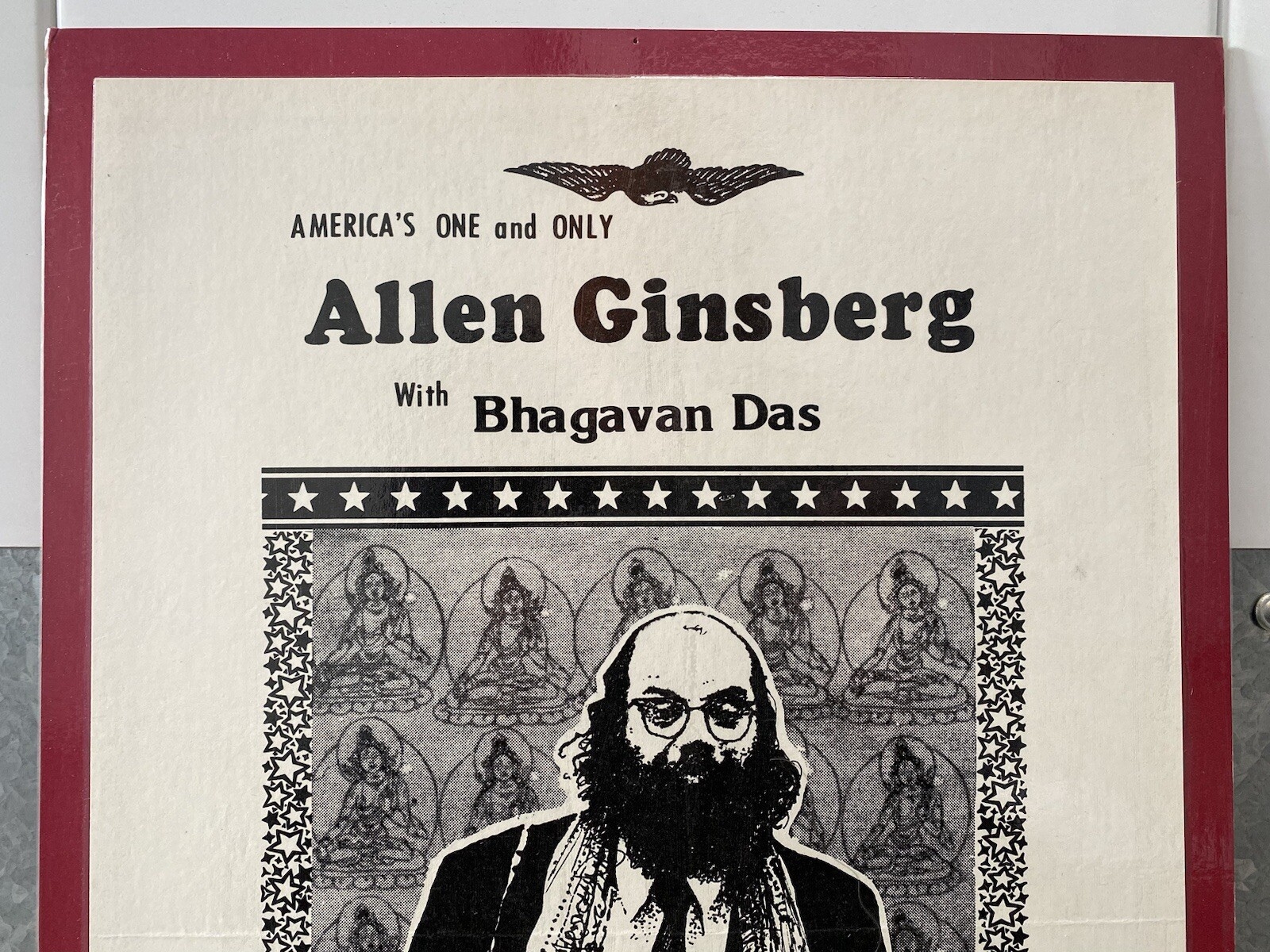
Allen Ginsberg, the seminal poet of the Beat Generation and author of the groundbreaking poem "Howl," is not alive. He passed away on April 5, 1997, at the age of 70. His death occurred in his East Village apartment in New York City, resulting from complications related to liver cancer and hepatitis C.
The Circumstances of Allen Ginsberg’s Death
To understand why the statement "Allen Ginsberg is not alive" remains a point of inquiry for students of literature and history in 2026, one must look at the specific circumstances of his final days. Ginsberg had been suffering from chronic health issues for several years, primarily stemming from a long-term battle with hepatitis C. In the spring of 1997, his health took a definitive turn for the worse.
On April 2, 1997, doctors informed Ginsberg that he had terminal liver cancer (hepatocarcinoma). Faced with the reality of his mortality, Ginsberg did not retreat into silence. Instead, he spent his final 72 hours in a whirlwind of activity that mirrored his energetic life. He made dozens of phone calls to old friends, lovers, and fellow poets—including Lawrence Ferlinghetti and Gregory Corso—to say his final goodbyes.
He died in the early morning hours of April 5, 1997, surrounded by close friends and family. His death was a significant cultural milestone, marking the end of an era for the American avant-garde. While he is not physically present in 2026, his archives, recordings, and the legal precedents set by his work continue to maintain a "living" presence in global discourse.
The Medical Context: Hepatitis C and Liver Cancer
Ginsberg’s death was the result of a progression from chronic illness to terminal disease. He had lived with hepatitis C for decades, a condition that was much more difficult to treat during the late 20th century than it is today. In the years leading up to his death, this chronic inflammation of the liver led to cirrhosis and, eventually, the development of a large tumor.
Medical records from the time indicated that the cancer had reached an advanced stage by the time it was diagnosed as terminal. In addition to the liver malignancy, Ginsberg had suffered a stroke earlier in the 1990s and dealt with congestive heart failure. Despite these physical setbacks, he remained prolific, performing his poetry and participating in political activism until just weeks before his passing.
A Life Defined by "Howl" and the Beat Generation
To address the question of Ginsberg's status is to also address the monumental life he led. As a central figure of the Beat Generation, Ginsberg acted as a bridge between the post-WWII underground and the 1960s counterculture.
The Importance of "Howl" (1956)
"Howl" is arguably the most famous poem of the 20th century. Its publication by City Lights Books led to a landmark obscenity trial in 1957. The poem’s graphic descriptions of drug use and sexuality challenged the conservative social norms of the Eisenhower era. The subsequent ruling by Judge Clayton W. Horn—that the poem had "redeeming social importance"—was a massive victory for the First Amendment and paved the way for the publication of other previously banned works, such as D.H. Lawrence's Lady Chatterley’s Lover.
Key Themes in Ginsberg's Work
- Spiritualism and Buddhism: Ginsberg was a dedicated practitioner of Tibetan Buddhism. His work often sought to synthesize Eastern philosophy with American transcendentalism.
- Political Activism: From the Vietnam War protests to the struggle for gay rights, Ginsberg used his platform to advocate for radical social change.
- Confessional Style: Following the lead of his mentor William Carlos Williams, Ginsberg utilized a "breath-based" poetic line, attempting to capture the natural rhythm of human speech and thought.
Posthumous Influence: Why We Still Talk About Him in 2026
Although Allen Ginsberg is not alive, his influence has only solidified in the decades following 1997. In 2026, his work is more accessible than ever due to the comprehensive digitization of his archives.
The Stanford University Archives
The Allen Ginsberg Papers are housed at Stanford University. This collection includes thousands of letters, journals, photographs, and audio recordings. For researchers in 2026, these archives provide an unparalleled look into the creative process of the Beat Generation. The collection is not merely a static repository; it is a vital resource for new biographies and academic analyses that continue to be published.
The Allen Ginsberg Project
Managed by his estate, the Allen Ginsberg Project serves as a digital hub for his photography and poetry. Ginsberg was a prolific photographer, capturing intimate moments with Jack Kerouac, Neal Cassady, and William S. Burroughs. These images have become the definitive visual record of the Beat movement, ensuring that even though the subjects are no longer alive, their faces and interactions remain part of the public consciousness.
Comparing the Lifespans of Beat Generation Icons
The "Beats" were a close-knit circle, and their lifespans vary significantly. Ginsberg outlived many of his contemporaries, though he passed away before some of the movement's later-surviving members.
| Figure | Birth Year | Death Year | Primary Contribution |
|---|---|---|---|
| Allen Ginsberg | 1926 | 1997 | Howl, Kaddish, Activism |
| Jack Kerouac | 1922 | 1969 | On the Road, Prose |
| William S. Burroughs | 1914 | 1997 | Naked Lunch, Cut-up Technique |
| Gregory Corso | 1930 | 2001 | The Vestal Lady on Brattle |
| Lawrence Ferlinghetti | 1919 | 2021 | A Coney Island of the Mind, City Lights |
| Neal Cassady | 1926 | 1968 | Inspiration for "Dean Moriarty" |
As the table illustrates, 1997 was a particularly somber year for the literary world, as both Ginsberg and Burroughs—the two "grand old men" of the movement—passed away within months of each other.
Cultural Impact and Misconceptions
There is often confusion regarding Ginsberg’s status because his voice continues to be heard in documentaries, film adaptations, and social media clips. In 2026, AI-driven audio restorations have allowed for high-fidelity playbacks of his readings, leading some to mistakenly believe he might still be an active public figure.
However, the historical record is definitive. Ginsberg’s funeral was a traditional Buddhist ceremony held at the Shambhala Center in New York, followed by a public memorial at the Cathedral of St. John the Divine that drew thousands of mourners. His ashes were buried in the family plot at Gomel Chesed Cemetery in Newark, New Jersey, while a portion was also interred at the Shambhala Mountain Center in Colorado.
Managing the Estate and Intellectual Property
The Allen Ginsberg Trust, overseen by his longtime friends and collaborators, manages the rights to his work. This ensures that his poetry is not misused and that his legacy remains tied to the causes he supported, such as freedom of expression and the promotion of independent literature. In 2026, the Trust continues to license his poems for use in educational materials and artistic collaborations, keeping his words relevant for new generations of readers who did not live through the 20th century.
Common Questions About Allen Ginsberg's Status
Was Allen Ginsberg married?
No, Allen Ginsberg never married. He was in a long-term, "open" relationship with his life partner, Peter Orlovsky, whom he met in 1954. Orlovsky was also a poet and appeared in much of Ginsberg’s work. Their partnership lasted until Ginsberg's death in 1997, though they lived in separate residences at various times. Orlovsky passed away in 2010.
Where is Allen Ginsberg buried?
Ginsberg’s remains were cremated. One-third of his ashes were buried in his family's plot at Gomel Chesed Cemetery in Newark, New Jersey. Another portion was interred at the Great Stupa of Dharmakaya at the Shambhala Mountain Center in Red Feather Lakes, Colorado.
Did Allen Ginsberg win a Nobel Prize?
No, Allen Ginsberg never won the Nobel Prize in Literature. However, he won the National Book Award for Poetry in 1974 for The Fall of America: Poems of These States and was a Pulitzer Prize finalist. His lack of a Nobel Prize remains a point of contention among literary critics who argue his global cultural impact surpassed many who did receive the award.
What were Allen Ginsberg's final words?
While there isn't a single recorded "final sentence," those present at his deathbed reported that he was calm and lucid until he fell into a final coma. He spent his last active days writing poetry (including "Things I'll Do (Nostalgia)") and talking to friends about the "vortex" of his life.
How did Allen Ginsberg influence music?
Ginsberg had a profound impact on the music world. He was a close friend of Bob Dylan and appeared in the music video for "Subterranean Homesick Blues." He also collaborated with Paul McCartney, The Clash, and Philip Glass. His influence persists in 2026 through the many songwriters who cite his "spontaneous bop prosody" as an inspiration for their lyrics.
Final Summary of Status
For those seeking to verify the status of the poet: Allen Ginsberg is not alive. He has been deceased since 1997. The enduring nature of his work, the ongoing legal relevance of his obscenity trials, and his constant presence in the study of American literature often make him feel like a contemporary figure, but he remains a historical one.
In 2026, his legacy is preserved through the rigorous management of his estate and the continued relevance of his message regarding personal liberty and the "human harvest." To explore his life further, readers are encouraged to consult his "Collected Poems" or visit the digital archives at Stanford University.