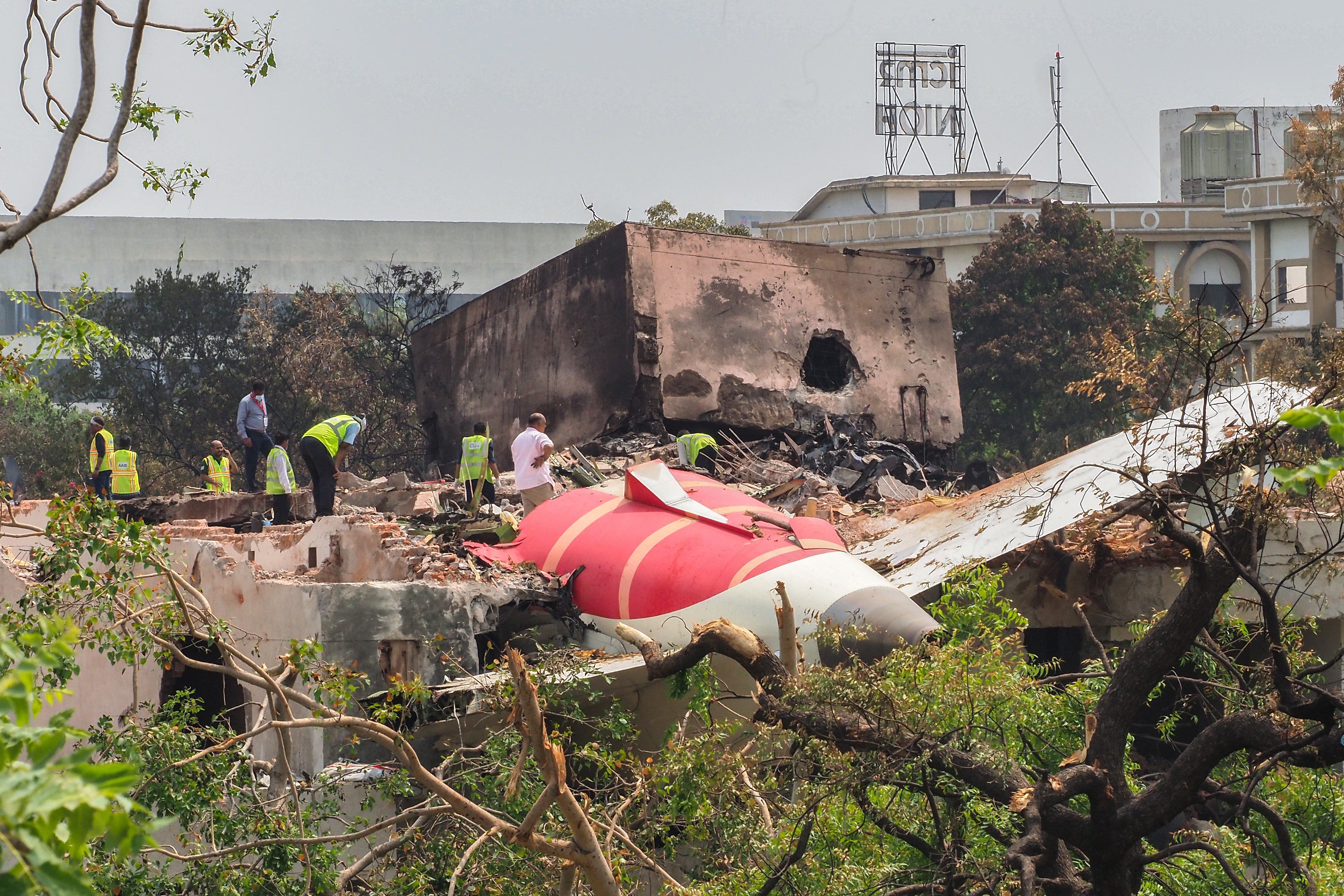
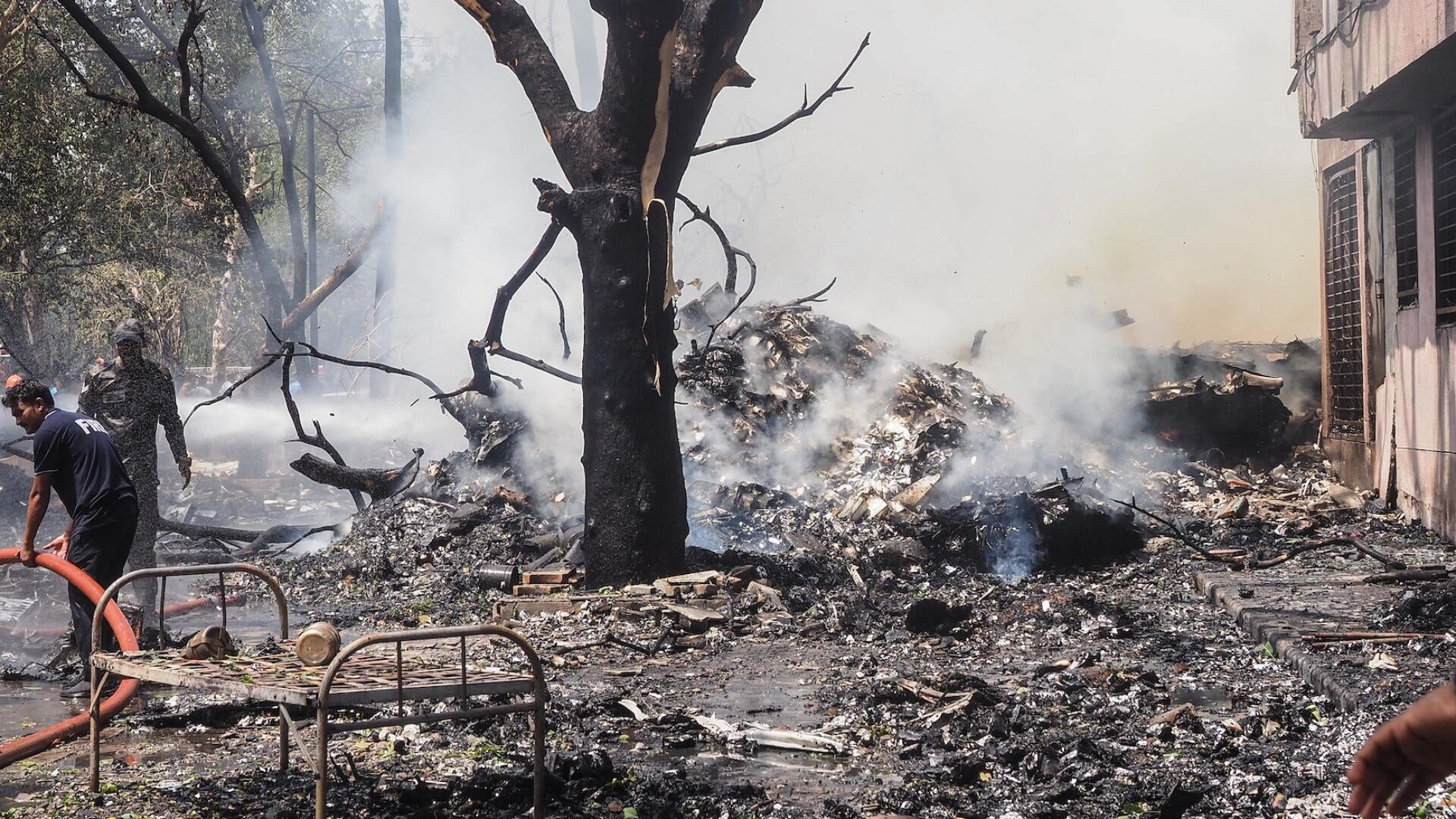
The primary reasons for Air India crashes have historically centered on human factors, particularly pilot error during landing, alongside environmental challenges like tabletop runways and adverse weather. Additionally, acts of terrorism and communication failures have contributed to major incidents, leading to significant overhauls in Indian aviation safety protocols and pilot training requirements.
Safety in commercial aviation is rarely the result of a single failure. Instead, it is the product of what experts call the "Swiss Cheese Model," where multiple independent failures—mechanical, environmental, and human—align perfectly to allow an accident to occur. For Air India and its subsidiary, Air India Express, investigative reports from the Directorate General of Civil Aviation (DGCA) and the Aircraft Accident Investigation Bureau (AAIB) have highlighted recurring themes. While the airline has undergone a massive transformation under the Tata Group as of 2026, the historical record provides critical lessons on the dangers of pilot fatigue, the technical difficulty of specific Indian terrains, and the absolute necessity of adhering to Standard Operating Procedures (SOPs).
Human Factors: The Leading Cause of Air India Accidents
Human factors remain the most significant contributor to aviation accidents globally, and Air India’s history reflects this reality. In several high-profile crashes, the primary cause was not a failure of the aircraft's engines or flight surfaces, but a failure in judgment, communication, or physical readiness by the flight crew.
Pilot Fatigue and Sleep Inertia
One of the most documented cases of human error in Indian aviation history is the crash of Air India Express Flight 812 in Mangalore in 2010. The investigation revealed that the Captain, Zlatko Glusica, had been asleep for a significant portion of the flight. When he woke up, he suffered from "sleep inertia," a state of temporary disorientation that occurs when an individual is suddenly awakened from deep sleep.
This disorientation led to an "unstable approach." Despite several warnings from the First Officer to "go around"—a standard safety maneuver where the pilot aborts the landing to try again—the Captain continued the descent. The aircraft touched down far beyond the required landing zone on a tabletop runway, leaving insufficient space to stop. The resulting overrun and fire claimed 158 lives. This incident forced the industry to reconsider pilot rest requirements and the psychological pressures faced by crew members during "red-eye" or early morning flights.
Deviations from Standard Operating Procedures (SOPs)
A recurring theme in investigative findings is the "normalization of deviance," where flight crews slowly begin to ignore minor safety protocols until a major error occurs. In the 2020 crash of Air India Express Flight 1344 in Kozhikode, the AAIB report explicitly pointed toward the pilot’s failure to follow SOPs during a challenging monsoon landing.
The pilot attempted to land with a tailwind that exceeded the recommended limits and failed to execute a go-around despite the aircraft's high speed and late touchdown. The report suggested that a "get-there-itis" mentality—a psychological desire to complete the mission despite deteriorating conditions—might have influenced the decision-making process. By failing to adhere to the stabilized approach criteria, the crew left themselves no margin for error when the aircraft encountered standing water on the runway, leading to aquaplaning and the subsequent crash.
Environmental and Infrastructural Challenges
The geography of India presents unique challenges to aviators, particularly in the southern and northeastern regions. Air India flights often operate in and out of airports that demand a higher level of precision than standard international hubs.
The Risks of Tabletop Runways
India is home to several "tabletop" runways, including those at Mangalore, Kozhikode, and Lengpui. These runways are located on top of hills or plateaus, with steep drops at one or both ends. While these airports are safe when operations are conducted correctly, they provide zero "safety margin" for aircraft that overshoot or undershoot the runway.
In both the 2010 Mangalore and 2020 Kozhikode crashes, the tabletop nature of the airport turned what might have been a minor runway excursion into a catastrophic accident. In Kozhikode, the Boeing 737 fell 35 feet off the edge of the runway, breaking into pieces upon impact. These events led to significant discussions regarding the installation of Engineered Material Arrestor Systems (EMAS), which are designed to safely decelerate aircraft that overrun the runway.
Adverse Weather and Monsoonal Conditions
The Indian monsoon season creates some of the most difficult flying conditions in the world. Heavy rainfall significantly reduces visibility and affects the friction levels of the runway surface. In the 1966 crash of Air India Flight 101 on Mont Blanc, weather was a complicating factor, though the primary cause was a miscalculation by the pilot regarding the aircraft's position relative to the mountain peaks.
In modern times, the combination of heavy rain and poor drainage can lead to "hydroplaning" or "aquaplaning." This occurs when a layer of water builds up between the aircraft tires and the runway surface, causing the pilot to lose braking and steering control. Investigative findings for the Kozhikode crash highlighted that the runway's "rubber deposits"—which naturally accumulate over time—further reduced friction, making it nearly impossible to stop the aircraft once it landed deep into the runway during a storm.
External Threats and Security Failures
Not all Air India tragedies were the result of operational errors. The airline was the target of one of the deadliest acts of aviation terrorism in history, which fundamentally changed global airport security protocols.
The Kanishka Bombing (Flight 182)
On June 23, 1985, Air India Flight 182, named "Kanishka," exploded mid-air over the Atlantic Ocean while en route from Montreal to London and Delhi. All 329 people on board were killed. The investigation, led by Canadian authorities with Indian cooperation, determined that the crash was caused by a bomb placed in a suitcase in the cargo hold.
The "reasons" for this crash were rooted in a massive security failure. The suitcase containing the bomb had been checked in by a passenger who did not board the flight. At the time, baggage-passenger reconciliation—the process of ensuring every bag on a plane belongs to someone on the plane—was not as strictly enforced as it is in 2026. The Kanishka disaster remains a pivotal moment in aviation history, leading directly to the implementation of the strict baggage screening and reconciliation laws used by ICAO member states today.
Technical and Mechanical Considerations
While less frequent than human error, mechanical failures have played a role in the history of Air India accidents. Modern aviation is highly redundant, meaning that multiple systems must fail simultaneously for a mechanical crash to occur.
In earlier decades, such as the 1950s and 60s, navigational equipment was far less sophisticated than the GPS and satellite-based systems used today. For example, the 1950 crash of the "Kashmir Princess" was caused by a timed explosive, but it highlighted the vulnerability of aircraft systems to external interference. In more recent years, technical investigations have focused on the maintenance of braking systems and the accuracy of the Instrument Landing System (ILS) at various Indian airports to ensure that ground-based signals are not misleading pilots during low-visibility approaches.
Comparative Analysis of Major Air India Crashes
The following table provides a summary of the key findings from major investigations into Air India and Air India Express accidents.
| Flight Number | Date | Location | Primary Reason for Crash | Fatalities |
|---|---|---|---|---|
| AI 101 | Jan 24, 1966 | Mont Blanc, France | Pilot error; miscalculation of position relative to terrain. | 117 |
| AI 182 | June 23, 1985 | Atlantic Ocean | Terrorism; mid-air explosion due to checked baggage bomb. | 329 |
| IX 812 | May 22, 2010 | Mangalore, India | Human error; pilot fatigue, sleep inertia, and unstable approach. | 158 |
| IX 1344 | Aug 7, 2020 | Kozhikode, India | Human error; landing deep in the runway during bad weather/SOP violation. | 21 |
| AI 245 | Nov 3, 1950 | Mont Blanc, France | Navigational error in poor weather conditions. | 48 |
Lessons Learned and Regulatory Changes Post-2020
The 2020 Kozhikode crash served as a final catalyst for sweeping changes within the Indian aviation sector. By 2026, the regulatory landscape has shifted to prioritize "Evidence-Based Training" (EBT) for pilots, which focuses on the specific scenarios—like tabletop landings in rain—that have historically caused accidents.
- Runway Safety Areas (RESA): Following the AAIB recommendations, the DGCA mandated the expansion of Runway End Safety Areas at all critical airports. This provides a "buffer zone" to catch aircraft that overrun.
- Enhanced Weather Monitoring: Airports like Kozhikode have since upgraded their weather reporting systems to provide real-time "runway surface condition" reports to pilots, allowing them to make better-informed decisions about whether to divert to a safer airport.
- Fatigue Risk Management Systems (FRMS): Air India, under its current management, has implemented advanced FRMS that use biometric data and flight scheduling software to ensure pilots are not flying while impaired by exhaustion.
- Cockpit Resource Management (CRM): There is now a much stronger emphasis on the First Officer’s right to "take over" or insist on a go-around. Historically, a steep hierarchy in the cockpit often prevented junior pilots from questioning a senior Captain’s mistakes.
FAQ
Why are tabletop runways considered dangerous for Air India flights?
Tabletop runways are not inherently dangerous, but they leave no room for error. Because they are located on elevated terrain with steep drops at the ends, an aircraft that lands too far down the runway or fails to brake in time cannot simply roll onto a grass field; it falls off a cliff, leading to structural breakup and fire.
Did mechanical failure cause the Kozhikode crash?
No, the official investigation by the AAIB concluded that the aircraft, a Boeing 737-800, had no known technical defects that would have prevented a safe landing. The crash was attributed to the pilot's decision to continue an unstable approach and land too deep on a contaminated (wet) runway.
How has pilot training changed since the 2010 Mangalore crash?
Since the Mangalore crash, there has been a global and domestic shift in how pilot fatigue is handled. Pilots now undergo training to recognize the signs of sleep inertia. Furthermore, Indian regulations on Flight Duty Time Limitations (FDTL) were tightened to ensure pilots have adequate rest periods between shifts, especially for flights arriving in the "window of circadian low" (between 2:00 AM and 6:00 AM).
Was the Air India Flight 182 crash related to airline maintenance?
No, the crash of Flight 182 (Kanishka) was purely a security failure. It was caused by a bomb placed in the luggage by terrorists. The aircraft itself was perfectly airworthy until the moment of the explosion.
What is a "Go-Around," and why is it important?
A "go-around" is a procedure where a pilot decides to abort a landing and climb back into the air to attempt another approach or divert to another airport. It is a standard safety tool. In many Air India crashes, the failure to execute a go-around when the approach became "unstable" (too fast, too high, or off-center) was a primary contributing factor.
Practical Recommendations for Safety Awareness
For those studying aviation safety or frequent travelers, understanding the "reasons" behind these crashes highlights the importance of the safety culture over individual equipment. Aviation safety has improved not just because planes are better, but because the industry has become more transparent in reporting and analyzing mistakes.
If you are a student of aviation or a professional in the field, the most critical takeaway from the Air India investigative reports is the importance of assertive communication. In several instances, the crash could have been avoided if the junior pilot had been empowered to intervene more forcefully. Today, passengers can be assured that the "New Air India" has integrated these historical lessons into its 2026 operational framework, prioritizing technical precision and modern safety management systems over the legacy practices of the past.