As of 2026, there is no official President of Afghanistan. The office of the President was effectively abolished following the collapse of the Islamic Republic of Afghanistan in August 2021. The country is currently governed by the Taliban, an organization that maintains a de facto authority structure centered on the position of the "Amir al-Mu'minin" (Leader of the Faithful), currently held by Hibatullah Akhundzada, rather than a presidential office.
The Dissolution of the Presidential Office
For two decades, starting with the Bonn Agreement in 2001 and concluding in 2021, Afghanistan functioned under a presidential system. During this period, the president served as the head of state and head of government, often wielding significant executive power over the nation’s security, foreign policy, and domestic administration.
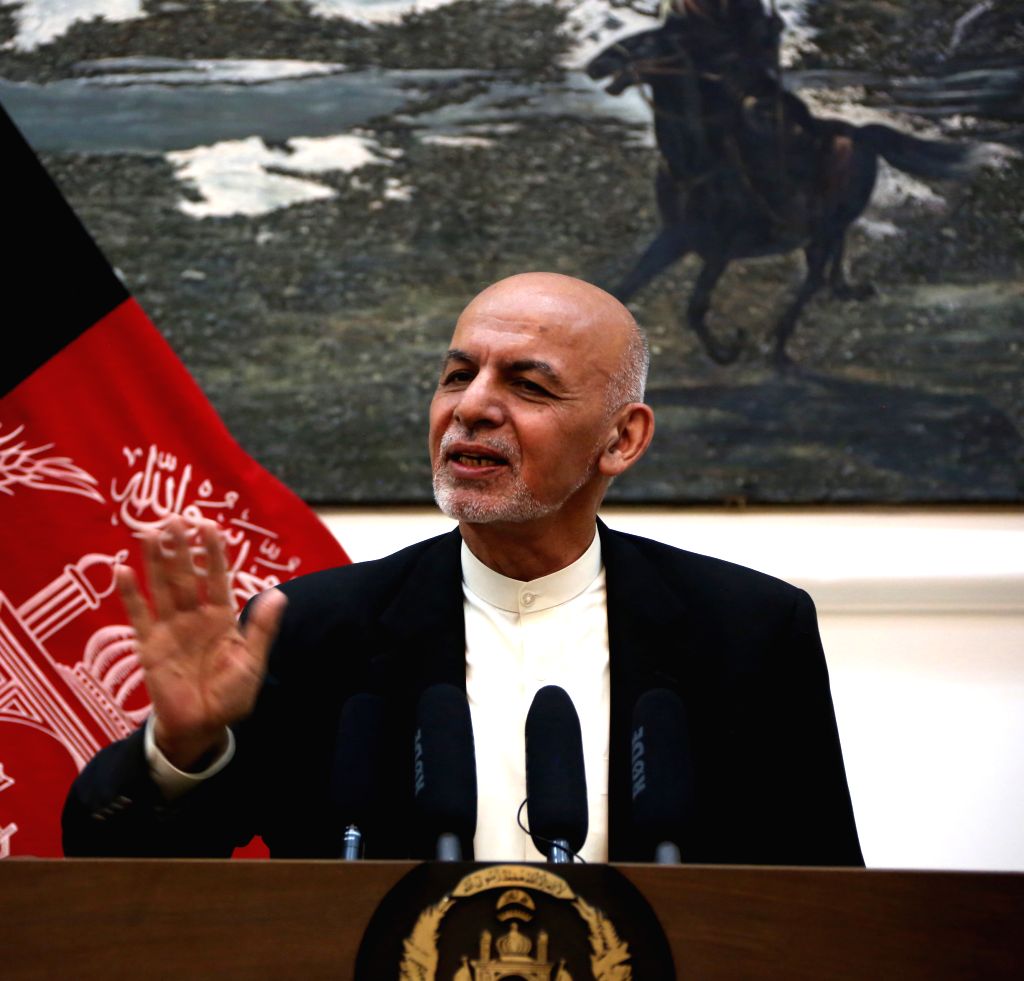
The final individual to hold the title of President of the Islamic Republic of Afghanistan was Ashraf Ghani. He served from September 2014 until his departure from the country on August 15, 2021, as Taliban forces entered the capital, Kabul. Following his exit, the internationally recognized government structures dissolved.
Since that transition, no elections have been held, and the constitutional framework that established the presidency is no longer active in the current governance model of the de facto authorities. Consequently, inquiries regarding the "Afghanistan president name" reflect a structural change in the nation's political identity rather than a vacancy in a traditional executive office.
De Facto Governance in 2026
Understanding the leadership landscape requires distinguishing between the former republican system and the current system established by the Taliban. The Taliban does not recognize the democratic constitution of 2004 or the office of the President.
Instead, the governing structure relies on the following leadership components:
- The Amir al-Mu'minin (Leader of the Faithful): Hibatullah Akhundzada serves as the supreme leader. He resides primarily in Kandahar and exercises final authority over both religious and administrative matters. His role is absolute and is not subject to term limits, public elections, or legislative checks.
- The Acting Prime Minister (Raees al-Wazara): While the title of President does not exist, the day-to-day administrative tasks are managed by an acting Prime Minister, currently Hassan Akhund. This role oversees the various ministries in Kabul but operates under the direct guidance and veto power of the supreme leader in Kandahar.
- The Cabinet: The government consists of various ministers who manage sectoral portfolios such as health, education, and finance. These officials are appointed by the leadership rather than elected by the public.
This hierarchy is fundamentally different from the parliamentary and presidential systems that preceded it. The shift represents a consolidation of power into a centralized, non-representative structure that subordinates civil administration to the supreme leadership.
Comparative Governance Structures
To better understand why the office of the President is no longer part of the political landscape, it is helpful to compare the former Republic’s structure with the current administrative reality.
| Feature | Islamic Republic (Pre-2021) | Current De Facto Authority (2026) |
|---|---|---|
| Head of State | President (Elected) | Amir al-Mu'minin (Appointed/Religious) |
| Legitimacy Source | Constitutional/Elections | Ideological/Military Control |
| Cabinet Role | Executive/Legislative balance | Administrative implementation |
| Primary Seat of Power | Kabul (Presidential Palace) | Kandahar (Supreme Leader's office) |
| Constitution | 2004 Constitution | Sharia-based directives |
Historical Context of the Presidency
The presidency in Afghanistan was a relatively recent development in its modern history, having been formalized through the 2004 constitution after the fall of the first Taliban regime. The list of individuals who held the title of President during the republican era includes:
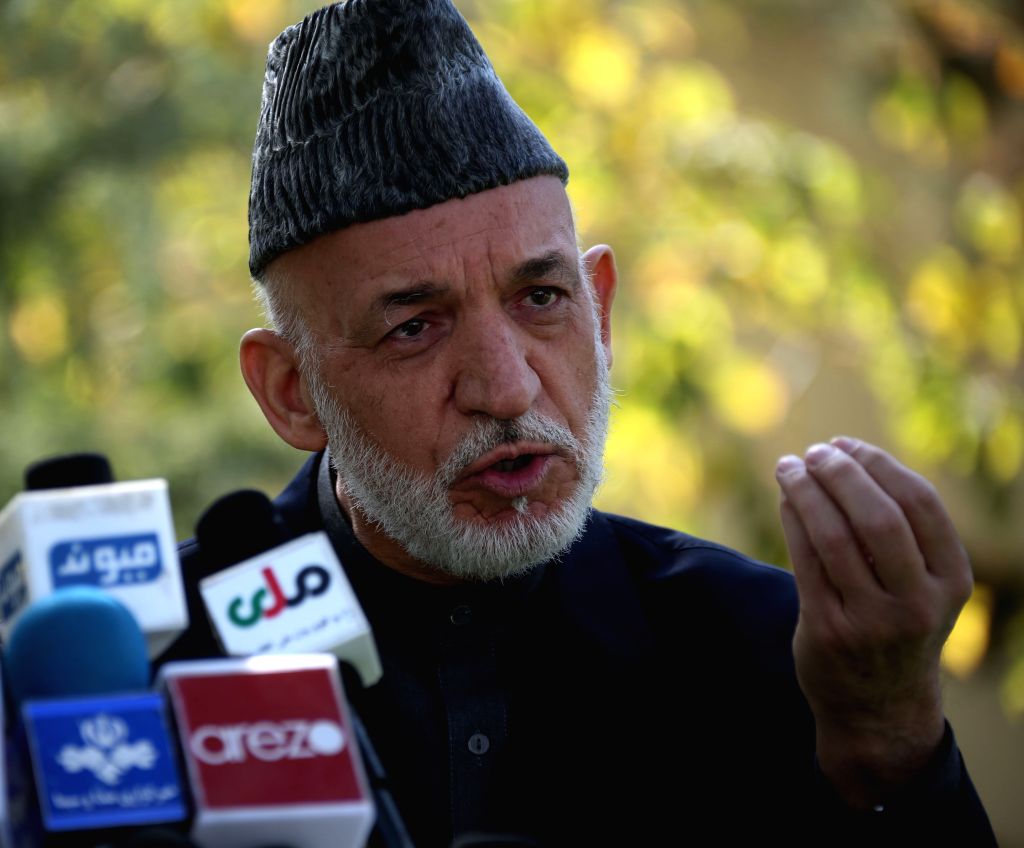
- Hamid Karzai (2004–2014): Karzai was the first democratically elected president following the transitional administration period. His tenure was marked by the effort to build national institutions and navigate the complexities of international military support.
- Ashraf Ghani (2014–2021): A former academic and technocrat, Ghani served two terms. His presidency faced significant challenges regarding institutional corruption, the withdrawal of international forces, and the accelerating insurgency that eventually brought his administration to an end.
Before 2004, the country experienced various forms of leadership, including the monarchy (which ended in 1973), the republic under Mohammed Daoud Khan, the communist-aligned Democratic Republic, and the various iterations of the Afghan state during the Mujahideen era and the initial Taliban takeover in 1996. During the original 1996–2001 Taliban rule, the leadership also functioned through the Amir al-Mu'minin position, notably held by Mullah Mohammed Omar.
Challenges in Governance and Recognition
As of 2026, the absence of a president is one of the primary reasons for the lack of formal diplomatic recognition from the United Nations and the majority of the international community. International law and diplomatic protocol generally require a state to have a clearly defined, legitimate government, usually headed by a president or prime minister, to engage in official state-to-state relations.
The current administration maintains that their legitimacy is derived from their interpretation of religious law and their military success. However, because they have not transitioned toward a system involving inclusive political processes or a constitution that satisfies international standards, the seat of the "President" remains vacant in the eyes of international observers.
Frequently Asked Questions
Who is the current President of Afghanistan? There is no President of Afghanistan. The office was abolished in 2021 following the collapse of the Islamic Republic. The country is currently led by Hibatullah Akhundzada, who holds the title of Amir al-Mu'minin.
Was Ashraf Ghani the last President? Yes, Ashraf Ghani was the final president of the Islamic Republic of Afghanistan. He resigned and left the country in August 2021, marking the end of the republican governance structure.
Why are there no elections in Afghanistan? The current governing authority, the Taliban, does not recognize the democratic processes established under the 2004 constitution. They function under a system of centralized leadership led by the supreme leader rather than a representative or elective process.
Can a citizen file a petition to a President in 2026? No, as there is no president, there is no presidential office to accept petitions or provide executive redress. Citizens seeking administrative assistance must engage with the local de facto provincial authorities or the specific relevant ministry in Kabul, such as the Ministry of Justice or the Ministry of Interior.
Does the international community recognize the current leader as President? No. Most international organizations and foreign nations do not grant official diplomatic recognition to the current administration. Consequently, there is no international head-of-state interaction with a "President" of Afghanistan.
Moving Forward
For those researching this topic for historical, academic, or logistical purposes, it is essential to acknowledge the distinction between the former governmental framework and the current administrative reality. The search for a "President" will not yield an active official, as the constitutional framework defining that role has been superseded.
When dealing with matters involving Afghanistan, such as legal documentation, international aid, or historical research, it is recommended to consult the specific ministry or agency currently overseeing the sector in question. If you require information regarding official interactions with the state, please note that these are usually handled through the diplomatic channels of nations that maintain a working engagement with the de facto authorities in Kabul.