AARP supplemental insurance, primarily facilitated through partnerships with major carriers like UnitedHealthcare, is widely recognized for offering a robust suite of Medicare Supplement (Medigap) plans. Its reputation for providing varied plan options stems from its ability to offer standardized coverage choices, member-specific discounts, and the portability of policies, making it a flexible solution for Medicare beneficiaries seeking to fill financial gaps in Original Medicare.
The Role of AARP and Medicare Supplement Insurance
To understand why many beneficiaries view AARP-branded supplemental insurance as a high-quality option, one must first distinguish between the organization and the insurance carrier. AARP itself is a non-profit, non-partisan organization that advocates for people aged 50 and older. It does not act as an insurance company. Instead, it enters into a strategic partnership with UnitedHealthcare to provide Medicare Supplement insurance plans.
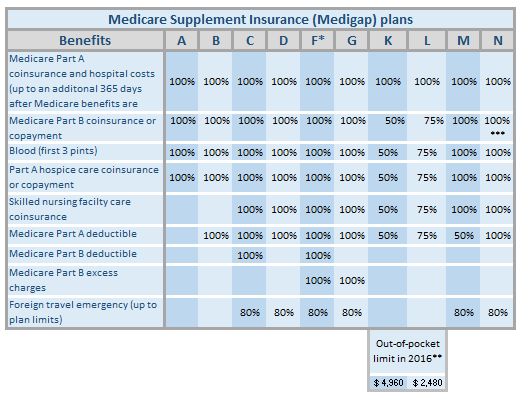
These plans are commonly referred to as "Medigap" policies. Original Medicare, which consists of Part A (hospital insurance) and Part B (medical insurance), often leaves beneficiaries with out-of-pocket costs such as deductibles, copayments, and coinsurance. AARP-endorsed Medicare Supplement plans are designed to help cover these "gaps." Because these plans are standardized by the federal government—meaning a Plan G from one company must offer the same basic benefits as a Plan G from another—the value proposition of the AARP/UnitedHealthcare partnership rests on their administrative reliability, the breadth of available plan letters, and the historical stability of the organization.
Why Plan Variety Matters in Medicare Supplement Coverage
The landscape of Medicare Supplement insurance is categorized by standardized letters (Plan A, B, C, D, F, G, K, L, M, and N). Not every insurance carrier offers every plan in every state. The "goodness" of AARP supplemental insurance often comes down to the sheer availability of these diverse options for different life stages and financial health profiles.
- Flexibility for Different Budgets: Some beneficiaries prefer lower monthly premiums and are willing to pay higher out-of-pocket costs when they use services. Others prefer predictable, higher premiums in exchange for minimal co-pays. Having a carrier that offers almost the full spectrum of standardized plans allows a beneficiary to transition or select the specific coverage level that matches their current risk tolerance.
- Addressing Specific Gaps: As of 2026, many seniors are looking for plans that offer a balance between comprehensive coverage and affordability. Plans like Plan G are highly popular because they cover most out-of-pocket costs except for the Part B deductible. The ability for a carrier to provide these sought-after plans consistently across various jurisdictions is a key factor in their favorable reputation.
- Stability Across Regions: Medicare Supplement availability can vary significantly by state due to local regulations and underwriting rules. Beneficiaries often find that AARP-endorsed plans maintain a presence in areas where smaller regional carriers might pull back, providing a sense of long-term security in their health coverage choice.
Evaluating the Value Proposition of AARP-Endorsed Plans
When policyholders describe AARP supplemental insurance as "good," they are typically referencing several operational and financial factors beyond just the policy benefits.
1. Brand Stability and Carrier Experience
UnitedHealthcare, the provider behind the AARP brand, is one of the largest health insurance companies in the United States. For a consumer, this translates to a massive network of customer support resources and a digital infrastructure that allows for easier claims processing. When you choose a plan associated with such a large entity, there is often a higher expectation of administrative efficiency compared to smaller, boutique insurance providers.
2. The Influence of Member-Only Perks
While the supplemental insurance plan itself is a legal contract between the beneficiary and the insurance carrier, AARP members often gain access to additional health-related resources, wellness programs, and discounted services that complement their insurance coverage. This creates an ecosystem where the insurance is only one part of a larger strategy for managing health in retirement.
3. Standardized Benefits
Because Medicare Supplement plans are federally regulated, the benefits are fixed by law. AARP/UnitedHealthcare cannot arbitrarily change what a "Plan G" covers. This standardization protects the consumer. The primary differentiator then becomes the premium price, the financial strength of the carrier, and the quality of customer service. Many seniors report that the peace of mind provided by a large, well-known organization offsets the potential for slight variations in premium costs compared to less established firms.
Comparison of Popular Medicare Supplement Plans
The following table outlines how different plans function to bridge the gaps in Original Medicare, illustrating why having access to a broad menu of plans (as provided by AARP/UnitedHealthcare) is an advantage for beneficiaries.
| Plan Type | Basic Benefits | Covers Part A Deductible | Covers Part B Excess Charges | Best For |
|---|---|---|---|---|
| Plan A | Essential | No | No | Tight budgets |
| Plan G | High | Yes | Yes | Maximum predictable coverage |
| Plan N | High | Yes | No (copays apply) | Cost-conscious who visit doctors often |
| Plan K | Partial | 50% | No | High-deductible strategy |
Note: Benefits for Plans F and C are generally limited to those who became eligible for Medicare prior to January 1, 2020.
Considerations and Potential Limitations
Despite the praise for the variety of options, prospective buyers must perform their due diligence. It is a mistake to assume that the AARP brand guarantees the lowest premium in every zip code.
- Premium Fluctuations: While the plans are standardized, the premiums are not. Carriers have different methods for pricing premiums (Community-rated, Issue-age-rated, or Attained-age-rated). A policy that is affordable for a 65-year-old may become significantly more expensive by age 75 depending on the rating method used. Beneficiaries must understand how their specific policy will be priced over the next decade.
- The Enrollment Window: The most favorable time to buy a Medicare Supplement policy is during the Medigap Open Enrollment Period, which lasts for six months starting the month you are 65 and enrolled in Medicare Part B. During this window, you cannot be denied coverage due to pre-existing conditions. If you wait and try to sign up later, you may be subject to medical underwriting, which could result in higher premiums or denial of coverage.
- Not a Replacement for Part D: Medicare Supplement insurance (Medigap) does not cover prescription drugs. Beneficiaries must enroll in a standalone Medicare Part D plan to cover medications. Treating Medigap as a "one-stop-shop" for all medical needs is a common misunderstanding that can leave a senior vulnerable to drug costs.
How to Verify and Compare Options in 2026
If you are currently evaluating your options for 2026, follow these steps to determine if an AARP-endorsed plan is the right fit for your specific health and financial situation:
- Check Local Availability: Visit the official Medicare.gov website and use the "Find a Medigap policy" tool. Enter your zip code and age to see exactly which plans are available in your area. This is the only way to compare apples-to-apples pricing for different carriers.
- Review the Rating Method: Contact the insurance company or review the outline of coverage to see how they set their premiums. Ask: "Is this plan community-rated, issue-age-rated, or attained-age-rated?" This dictates how your premium will change as you get older.
- Assess Total Cost of Ownership: Don't look at the monthly premium alone. Calculate the annual premium plus the potential out-of-pocket costs you would pay under your preferred plan. For someone with chronic conditions, a higher monthly premium with lower deductibles is often cheaper than a low-premium plan with high co-pays.
- Confirm Part D Needs: Ensure that you have a separate plan for your prescription drugs. Check the formulary of your drug plan to ensure your medications are covered and that your preferred pharmacy is in-network.
Frequently Asked Questions
Does AARP supplemental insurance cover everything that Original Medicare does not? No. It helps cover specific "gaps" like coinsurance, copayments, and deductibles. It does not cover long-term care (like assisted living), vision care, dental care, or hearing aids.
Can my AARP/UnitedHealthcare plan be canceled? Medicare Supplement policies are guaranteed renewable. As long as you pay your premiums on time, the insurance company cannot cancel your policy, even if you develop new health problems.
Are AARP supplemental insurance premiums the same for everyone? No. Premiums vary based on your age, gender, location, tobacco use, and the specific rating method (community, issue-age, or attained-age) used by the carrier in your state.
Is it better to have a Medicare Advantage plan or a Medicare Supplement plan? This depends on your need for provider freedom versus budget predictability. Medicare Supplement plans generally allow you to see any doctor who accepts Medicare nationwide, while Medicare Advantage plans often use networks (HMO/PPO) and include extra benefits like dental and vision.
Do I need to be an AARP member to get the insurance? Yes. Since the plans are marketed specifically to AARP members, membership is a prerequisite. Membership fees are separate from your insurance premiums and provide access to the AARP suite of services.
Next Actions for Beneficiaries
If you are ready to explore your options, begin by documenting your current medical usage and anticipated healthcare needs for the upcoming year. Visit the official Medicare website to generate a personalized comparison of available policies in your region. Once you have a list of carriers and their corresponding premiums, contact the insurance companies directly to request an "Outline of Coverage." This document provides a clear, standardized summary of what each plan covers, ensuring that you are making an informed decision based on the specific plan letters available in your area. Always verify your eligibility and enrollment dates to ensure you do not miss your Medigap Open Enrollment period, as this is the most critical factor in securing coverage without health-based price increases.